

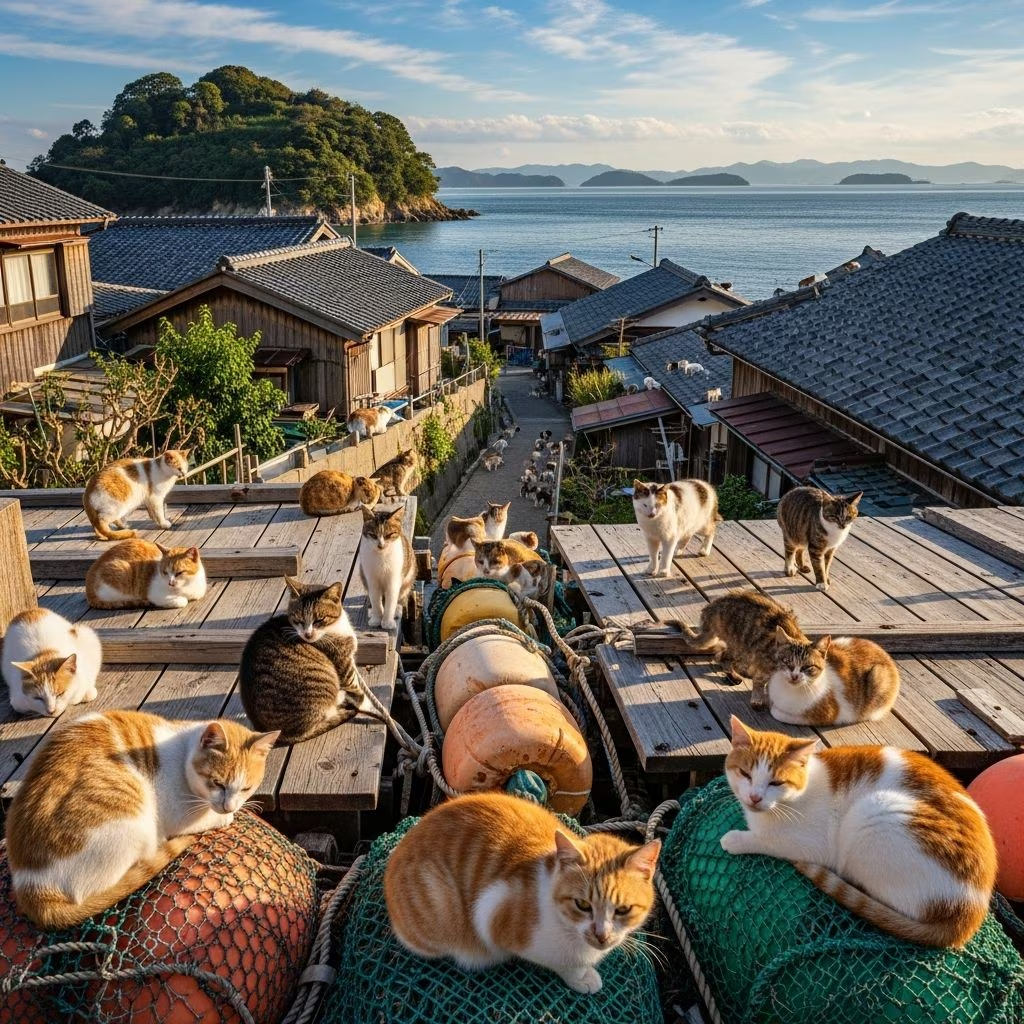
Aoshima, a tiny speck in Japan’s Ehime Prefecture, captivates travelers with its extraordinary feline dominance. This one-mile-long island, once a vibrant sardine fishing community, now hosts around 80 cats against just four elderly human residents as of late 2024. Cats vastly outnumber people, creating a unique ecosystem that draws cat enthusiasts worldwide.
From Sardine Fishing Boom to Feline Takeover
Aoshima’s story begins in 1639 when 16 families relocated from mainland Japan, establishing a sardine fishing village. By the 1940s, the population peaked at nearly 900, supported by a thriving fishery and secondary farming. Fishermen introduced cats in the early 20th century to combat rodents threatening boats and catches. These mousers quickly adapted, reproducing freely on the island.
As sardine stocks depleted post-World War II, younger generations migrated to urban centers like Matsuyama, leaving behind abandoned homes and a burgeoning cat population. By the 21st century, humans dwindled to pensioners, while cats multiplied, reaching ratios as high as 30:1 in earlier years. Social media amplified Aoshima’s fame, with viral photos transforming it into “Cat Island Japan.”
Daily Life Amid the Cats
The remaining four residents, all over 50 and mostly elderly, embody resilience. They feed the cats using donations from Japan-wide supporters, supplemented by small animals and visitor treats. A 2016 Twitter appeal for cat food garnered nationwide aid, highlighting community ties. These humans and felines share a symbiotic bond: cats roam freely, while locals manage feeding rotations despite limited resources.
Cats, many over seven years old, face health issues from inbreeding, including blindness and respiratory problems affecting about a third. The former elementary school, closed in 1979, now serves as a community center and visitor lodging, underscoring the island’s shift from education to tourism.
Conservation Efforts and Population Control
Recognizing sustainability needs, a neutering program launched in 2018 reduced the cat count from around 200 in 2019 to 80 by 2024. This initiative aims to prevent overpopulation as human presence fades—projections suggest the island could become uninhabited within five years due to aging residents and natural decay.
Off-limit zones are expanding: roads to breakwaters are closed, and private areas restricted amid typhoon damage and collapsing structures. Visitors must respect these boundaries to preserve the fragile environment.
Planning Your Trip to Feline Paradise
Reaching Aoshima requires planning. Ferries depart from Ozu Port in Ehime Prefecture, about a 30-minute ride across the bay. Schedules are weather-dependent, with services limited to weekdays; check ahead as typhoons disrupt travel.
No shops or restaurants exist, so pack snacks, water, and cat food. Bring cash for potential donations. Walking paths wind through the island, but wear sturdy shoes for uneven terrain and cat greetings everywhere.
| Aspect | Details |
|---|---|
| Ferry Origin | Ozu Port, Ehime |
| Travel Time | ~30 minutes |
| Best Time to Visit | Spring/Fall (mild weather) |
| Essentials | Snacks, water, cat treats, cash |
| Restrictions | No feeding in certain areas; respect privacy |
Comparing Aoshima to Other Cat Islands
Aoshima isn’t alone—Japan boasts several cat-dominated isles. Nearby Tashirojima (Miyagi Prefecture) mirrors its history: silkworm farmers imported cats in the 17th century against mice, leading to over 100 cats among 80 humans today. A vet visits regularly, and cat-themed shrines add charm.
- Tashirojima: Larger cat count (100+), tourist facilities like shops.
- Okishima: Smaller, more remote, focuses on free-roaming cats.
- Aoshima: Most famous via social media, but most precarious future.
These islands reflect Japan’s rural depopulation trend, where felines fill voids left by humans.
Challenges Facing Aoshima’s Future
While enchanting, Aoshima grapples with realities. Cat health declines from inbreeding, and neutering has stabilized numbers but aged the population. Human exodus accelerates: from 50 residents in 2013 to four in 2024. Abandoned structures pose safety risks, with increasing closures.
Tourism sustains cats via donations, but overtourism concerns loom. Authorities balance visitor access with preservation, urging respectful behavior.
Cultural Significance of Cats in Japan
Cats hold deep cultural resonance in Japan, symbolizing luck via the maneki-neko (beckoning cat). Aoshima amplifies this, offering immersive encounters. It highlights komorebi—sunlight filtering through trees—amid serene, cat-filled paths, evoking tranquility.
The island inspires art, photography, and reflection on rural decline, drawing global media like New York Times coverage in 2023.
Visitor Experiences and Stories
Travelers rave about Aoshima’s authenticity. One visitor noted cats greeting ferries, lounging on every corner. Families appreciate educational value for kids learning animal care. Photographers capture golden-hour scenes of felines against abandoned homes.
“Aoshima feels like stepping into a dream—cats everywhere, no crowds, pure peace.” — Traveler review
Frequently Asked Questions (FAQs)
Is Aoshima safe for cat lovers?
Yes, but respect rules: don’t chase cats, avoid off-limits areas, and support via donations.
How many cats live on Aoshima?
Approximately 80 as of December 2024, down from peaks over 200.
Can I stay overnight?
Limited lodging at the former school; book via local contacts.
What’s the best time to visit?
Avoid summer heat and typhoon season (July-September); spring or fall ideal.
Are there other cat islands nearby?
Tashirojima is popular, but Aoshima is in Ehime, distinct from Miyagi’s.
Preserving Aoshima’s Legacy
Aoshima teaches harmony between humans and nature. As it evolves, visitors play a role: donate responsibly, tread lightly, and cherish encounters. This cat haven reminds us of impermanence, urging protection of such wonders.
References
- Cat Island Japan: a guide to visiting Aoshima — Vacations & Travel. 2023. https://www.vacationstravel.com/cat-island-japan/
- Aoshima: Discovering Japan’s Mesmerizing Cat Island — Bokksu. 2023. https://bokksu.com/blogs/news/aoshima-discovering-japan-s-mesmerizing-cat-island
- How cats commandeered the Japanese island of Aoshima — Great Big Story. 2023. https://greatbigstory.com/how-cats-commandeered-the-japanese-island-of-aoshima/
- Aoshima, Ehime — Wikipedia (citing Ehime Shimbun, Asahi Shimbun, NYT). 2024-12. https://en.wikipedia.org/wiki/Aoshima,_Ehime
- Aoshima: A Guide To Visiting the Best Cat Island in Japan — Setouchi Triennale. 2023. https://www.setouchi.travel/en/trip-ideas/13525/



