

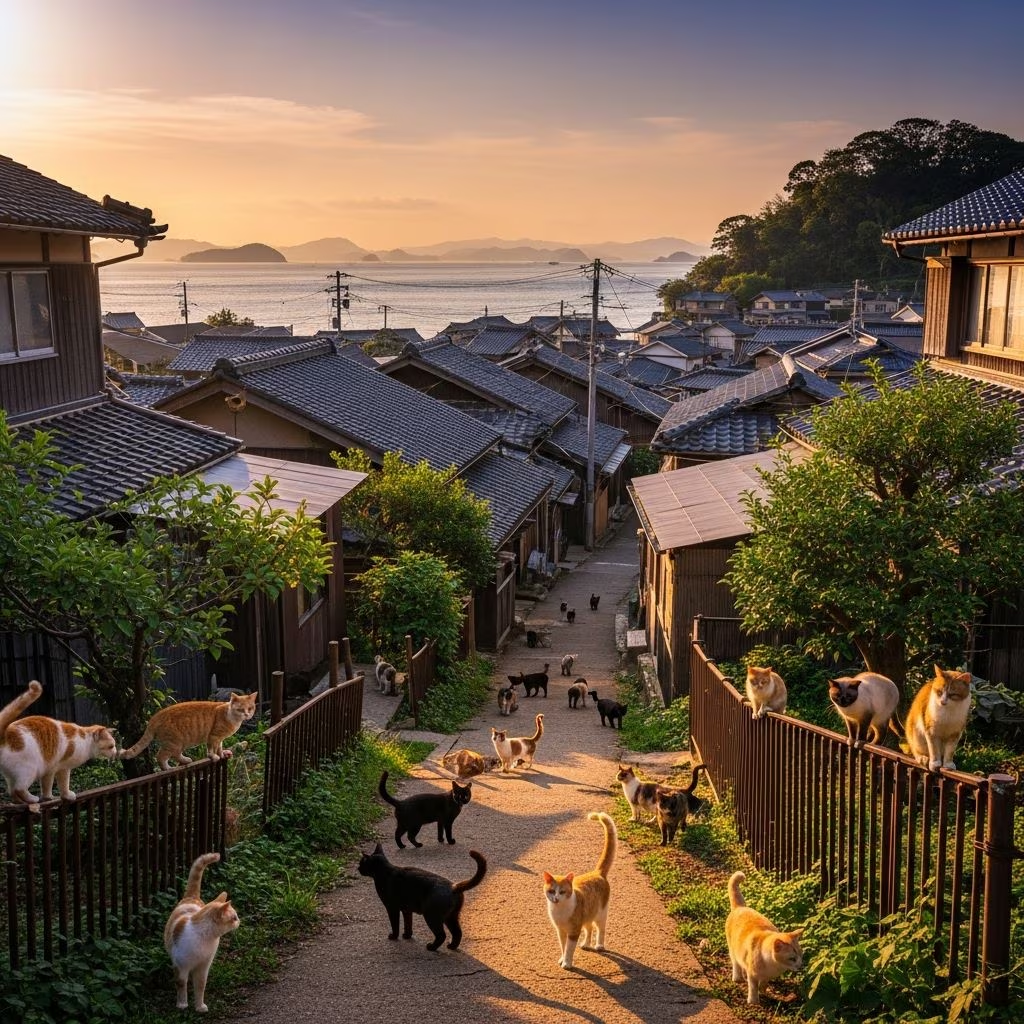
Aoshima, often called Japan’s Cat Heaven Island, is a tiny paradise off the southern coast of Japan where cats vastly outnumber humans. This unique destination draws cat enthusiasts worldwide to witness hundreds of friendly felines roaming freely.
The History of Aoshima, Japan’s Cat Island
Aoshima’s story as a cat haven began in the 1940s when fishermen introduced cats to the island to control the mouse population threatening their catches. At that time, the island bustled with around 900 residents, supporting a thriving fishing community. Today, only about 20 elderly humans remain, mostly aged 50 to 80, while the cat population has exploded to over 120, creating a ratio of roughly six cats per person.
The decline in human inhabitants mirrors broader trends in rural Japan, where depopulation has left behind abandoned homes and overgrown paths. These structures now serve as playgrounds for the cats, who have claimed the island as their domain. The shift from a human-dominated fishing village to a feline kingdom happened gradually, with cats becoming the island’s defining feature.
Life on Aoshima Today
Modern Aoshima is a living testament to harmonious coexistence between humans and cats. The felines roam freely, lounging on docks, gardens, and even residents’ doorsteps. Locals occasionally shoo them away from homes, but affection runs deep. Elderly residents like fisherman Hidenori Kamimoto, 65, express a mix of fondness and pragmatism: “If people coming to the island find the cats healing, then I think it’s a good thing … I just hope that it’s done in a way that doesn’t become a burden on the people who live here.”
The cats sustain themselves adeptly as hunters, catching birds, rodents, and pilfering fish from drying racks. Some residents, including “village nurse Atsuko Ogata,” provide supplemental kibble, ensuring the population remains robust without over-reliance on handouts.
The Wellbeing of Cats in Aoshima
Health and population management are priorities on Aoshima. Mainland veterinarians make regular visits to check the cats’ well-being, vaccinating and treating as needed. While natural hunting keeps numbers in check, informal controls prevent overpopulation. No feeding by tourists is allowed to maintain this balance and protect local ecosystems.
Residents prioritize the cats’ welfare, viewing them not just as pest controllers but as integral to island life. This care contrasts with unmanaged stray populations elsewhere, showcasing a model of responsible feline community stewardship.
Tourism Boom on Cat Island
Aoshima’s fame has surged in recent years, transforming it from a quiet fishing spot—visited mainly by anglers—into a tourism hotspot. Ferries from the mainland bring waves of visitors, tripling the human presence on peak days. Cats greet arrivals at the port, posing for photos and accepting gentle pets, their friendly demeanor fueling social media buzz.
The economic boost is undeniable: local shops sell cat-themed souvenirs, snacks, and ferry tickets, revitalizing the community. However, challenges arise. Signs prohibiting cat feeding are often ignored, leading to littering, noise, and disruptions. Islanders appreciate the attention but urge respect to preserve their serene home.
How to Get to Aoshima Cat Island
Reaching Aoshima is straightforward yet adventurous. From major cities like Oita or Fukuoka, take a train to the port town of Saganoseki (about 20 minutes by ferry from there). Ferries run several times daily, costing around 1,000-2,000 yen round-trip. The 35-minute ride offers stunning Sea of Japan views. Pack light—no cars allowed—and time your visit for calm weather.
- Step 1: Train to Saganoseki Port via JR lines from Oita (1 hour) or Fukuoka (3-4 hours).
- Step 2: Board the ferry (check schedules; last return often early afternoon).
- Step 3: Arrive and explore on foot—the island’s 1-mile circumference is perfect for walking.
What to Do on Aoshima
Aoshima’s attractions revolve around its cats, but the island offers more for immersive visits:
- Cat Watching: Observe felines sunbathing, playing, or hunting. Prime spots include the harbor, abandoned houses, and paths.
- Hiking Trails: Wander gentle paths with ocean vistas and wildflowers. Spot cats in natural habitats.
- Local Interactions: Chat with residents at the small shop or dock. Buy fresh fish or cat souvenirs.
- Photography: Capture ethical shots—use zoom to avoid stress. Sunrise/sunset yields magical light.
Day trips suffice; no accommodations exist. Bring water, snacks (not for cats), sunscreen, and respectful attire.
Visitor Etiquette: Respecting Cat Heaven
To keep Aoshima welcoming, follow these rules:
| Do | Don’t |
|---|---|
| Observe quietly and from a distance | Feed the cats (signs prohibit it) |
| Pick up your trash | Litter or leave food scraps |
| Ask permission before entering private areas | Chase, pick up, or flash photos at cats |
| Support locals by buying goods | Make loud noises or play music |
| Visit in small groups | Arrive in large, disruptive crowds |
These guidelines protect cats, residents, and the island’s tranquility. Thoughtful tourism ensures Aoshima remains a healing escape.
Comparing Japan’s Cat Islands
Aoshima isn’t alone—Japan boasts several cat islands:
- Ainoshima (Cat Heaven Island): Near Fukuoka, 100 cats among 280 humans. Recent tourism boom with similar etiquette issues.
- Tashirojima (Miyagi Prefecture): Up to 800 cats, cat shrine, manga landmarks. Vets visit regularly; younger residents aid revival post-Tohoku earthquake.
Aoshima stands out for its extreme cat-to-human ratio and untouched feel, while others offer more infrastructure.
Challenges and Future of Aoshima
Depopulation looms as residents age without successors. Tourism provides income but risks overrunning the island. Initiatives like vet visits and community calls for respect aim to sustain the balance. Cats’ role in healing tourists may inspire preservation efforts, potentially attracting grants or volunteers.
Climate change and ferrying logistics pose threats, but the island’s charm endures. Visitors’ responsible actions will shape its future.
Frequently Asked Questions (FAQs)
Q: How many cats live on Aoshima?
A: Over 120 cats roam Aoshima, outnumbering the 20 human residents by about 6 to 1.
Q: Is feeding the cats allowed?
A: No, feeding is strictly prohibited to maintain health and prevent dependency. Cats hunt independently.
Q: Can I stay overnight on the island?
A: No accommodations exist; it’s a day-trip destination only. Plan for early ferry returns.
Q: What’s the best time to visit Aoshima?
A: Spring (cherry blossoms) or autumn (mild weather) avoids summer heat and crowds. Check ferry schedules.
Q: Are the cats friendly?
A: Generally yes—they approach visitors curiously but respect their space. Avoid forcing interactions.
Q: How do I get there from Tokyo?
A: Fly or train to Oita/Fukuoka, then to Saganoseki Port for the ferry (total 5-7 hours).
Final Thoughts on Visiting Cat Heaven
Aoshima transcends typical tourism—it’s a glimpse into a world where cats reign supreme, offering solace amid Japan’s fast pace. Approach with reverence: tread lightly, observe mindfully, and leave no trace. Your visit can heal while honoring this fragile haven.
References
- How Japan’s Cat Heaven Island became a tourism magnet, and what locals think about it — South China Morning Post. 2016-05-01. https://www.scmp.com/lifestyle/travel-leisure/article/1933492/how-japans-cat-heaven-island-became-tourism-magnet-and-what
- Aoshima, Japan’s Cat Island: A Visitor’s Guide — Catster. N/A. https://www.catster.com/lifestyle/aoshima-cat-island-japan/
- The Paradise of “Cat Heaven Island” | Cat Month — YouTube (NHK World-Japan). 2023-10-01. https://www.youtube.com/watch?v=FYHxsBlXqtE
- Tajiroshima: Japan’s Cat Island — Pink Pangea. 2017-09-01. https://pinkpangea.com/2017/09/tajiroshima-japans-cat-island/



