

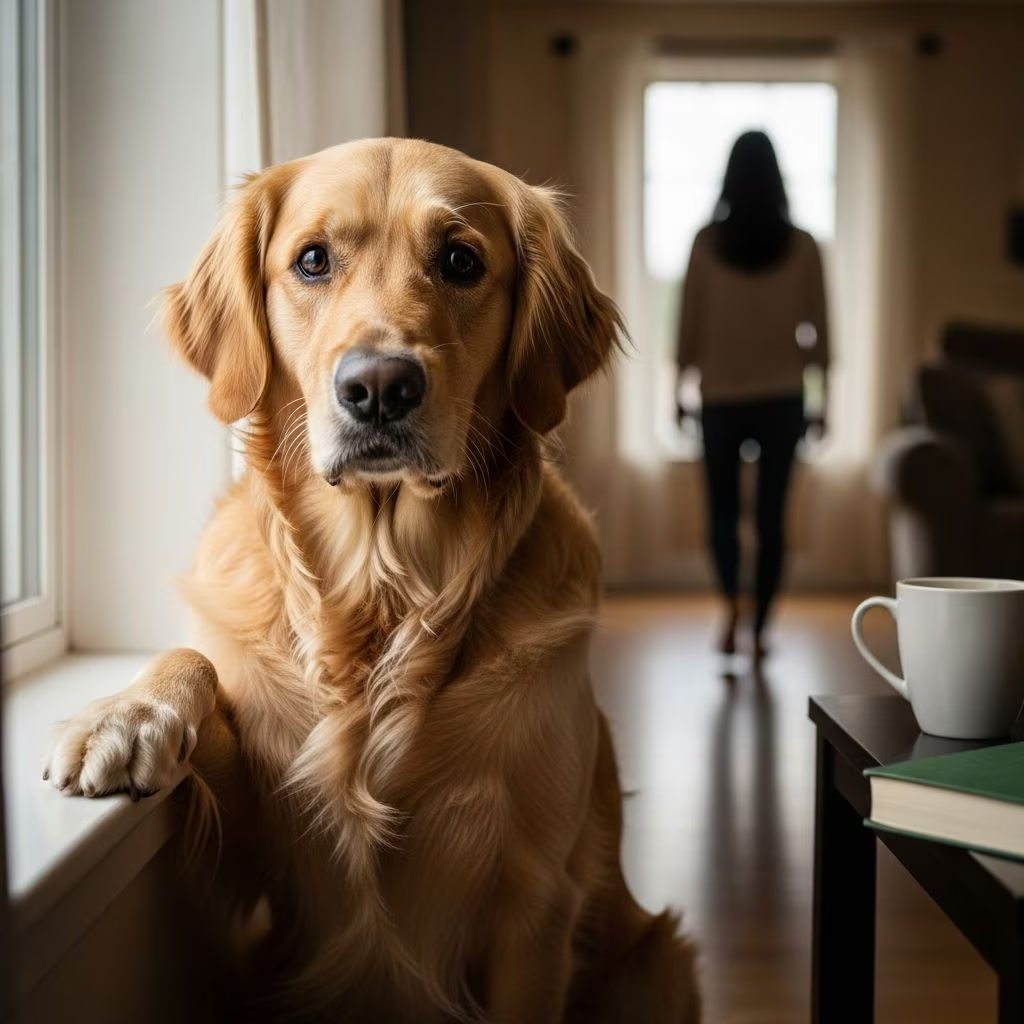
Separation anxiety affects many dogs, leading to destructive behaviours, excessive barking, and distress when left alone. This comprehensive guide outlines proven strategies like systematic desensitisation and counterconditioning to help your dog build confidence and cope better with solitude.
Signs Your Dog Has Separation Anxiety
Dogs with separation anxiety display specific distress signals when separated from their owners. These behaviours often start within minutes of departure and can include vocalisation, destruction, and elimination issues.
- Excessive vocalisation: Barking, howling, or whining that persists after you leave, often audible to neighbours.
- Destruction: Chewing furniture, doors, or windows, particularly near exit points, indicating escape attempts.
- House soiling: Urinating or defecating indoors despite being house-trained, due to stress rather than lack of training.
- Escape attempts: Scratching at doors or windows, sometimes resulting in self-injury.
- Pre-departure anxiety: Pacing, panting, drooling, or following you closely as you prepare to leave.
These signs differ from boredom; anxious dogs rarely exhibit them when another person is present, confirming the issue stems from isolation. Owners may notice greeting hyperactivity upon return, as if the dog hasn’t seen them for days.
Causes of Separation Anxiety in Dogs
Several factors contribute to separation anxiety, often linked to changes in a dog’s life or attachment patterns. Research identifies predisposing elements like sudden routine shifts or over-dependence on owners.
- Life changes: Moving homes, new schedules, loss of family members, or returning to work after remote periods can trigger anxiety.
- Over-attachment: Dogs excessively following owners or encouraged in clingy behaviours show higher anxiety risks.
- History of abandonment: Shelter dogs or those rehomed without addressing issues carry anxiety to new homes, with studies showing strong correlations between old and new owner reports.
- Lack of alone time: Puppies not gradually accustomed to solitude or dogs with constant companionship develop intolerance.
- Owner anxiety projection: Stressed owners may inadvertently reinforce fear through their own behaviours.
Unlike general anxiety, separation issues specifically tie to the absence of attachment figures, with anxious dogs displaying more clinginess even when owners are home.
Systematic Desensitisation for Separation Anxiety
Systematic desensitisation gradually exposes your dog to being alone at non-stressful levels, building tolerance over time. This gold-standard method proves effective even when owners apply it inconsistently.
Start with micro-absences: Step out for 1-5 seconds, return before anxiety signs appear, then extend durations progressively. Practice 30 minutes daily, 5-6 days a week.
- Observe triggers: Note exact cues (keys, door) causing stress without full departure.
- Practice cues: Repeat triggers while staying home, rewarding calm behaviour.
- Short exits: Leave for seconds, return calmly—no greetings.
- Build duration: Increase time only if dog remains relaxed (no whining, pacing).
- Consistency: Avoid real absences outside sessions to prevent setbacks.
Studies confirm this reduces behaviours significantly, with one trial showing success in all treated dogs. Track progress in a journal to adjust pacing.
Counterconditioning Techniques
Counterconditioning pairs solitude with positive experiences, reshaping emotional responses. Combine with desensitisation for optimal results.
Feed high-value treats or activate puzzle toys only during absences, creating ‘alone time = good things’ association. Use items like stuffed KONGs lasting 20-30 minutes.
- Treat timing: Give special food/toys solely upon exit, remove before return.
- Enrichment toys: Rotate puzzle feeders, sniff mats to occupy mind.
- Positive returns: Ignore until settled, then quiet praise—no excitement.
Research supports this duo: Dogs learn departures predict rewards, diminishing fear. For severe cases, initial medication may aid, per vet guidance.
Management Strategies While Training
While desensitisation works long-term, immediate management prevents reinforcement of bad habits and protects your home.
| Strategy | Description | Benefits |
|---|---|---|
| Crate Training | Use a comfortable crate as a safe den, not punishment. Practice short crate times with toys. | Prevents destruction; many dogs self-soothe in crates. |
| Exercise Before Leaving | Long walks or play sessions tire dog physically/mentally. | Reduces excess energy fuelling anxiety. |
| Calming Aids | Adaptil diffusers, thunder shirts, or vet-approved supplements. | Lowers baseline stress without sedation. |
| Background Noise | Masks external sounds triggering barking. | |
| Daycare/Care Arrangements | Professional boarding or dog walkers for non-training periods. | Allows practice without full isolation. |
Reduce dependency: Encourage independent play, ignore pre-departure clinginess, and vary routines to prevent cue prediction. Avoid punishment—it heightens anxiety.
Reducing Owner Dependency
Excessive bonding fosters anxiety; foster independence to balance attachment.
- Ignore attention-seeking: Respond only to calm behaviours.
- Room-to-room independence: Close doors occasionally, reward self-entertainment.
- MModerate absences: Vary alone times daily, avoiding extremes.
- Family involvement: All household members interact equally.
Owners with anxious attachment styles may project fears—self-reflection aids consistency.
Enrichment and Exercise for Anxious Dogs
Mental and physical stimulation combats boredom mimicking anxiety. Aim for 60+ minutes daily exercise plus puzzles.
- Physical: Runs, fetch, agility to expend energy.
- Mental: Scent games, training sessions, novel toys.
- Alone enrichment: Long-lasting chews, frozen treats during practice.
Tired dogs adapt faster to training.
When to Seek Professional Help
If behaviours persist after 4-6 weeks or involve self-harm, consult a veterinary behaviourist. Medication like SSRIs can support severe cases initially.
- Extreme destruction or injury.
- No progress in desensitisation.
- Co-existing issues like aggression.
Professionals tailor plans; shelters note untreated dogs rarely improve post-rehoming.
Frequently Asked Questions (FAQs)
Can separation anxiety develop in puppies?
Yes, puppies from disrupted backgrounds or without gradual alone-time training often show early signs. Start desensitisation young.
How long does training take?
Weeks to months, depending on severity. Consistency yields 80-100% improvement per studies.
Is medication necessary?
Not always; behaviour mod suffices for most. Vets prescribe for moderate-severe cases alongside training.
Will crating help?
If introduced positively, yes—it provides security. Never force.
Can rehoming fix it?
No; anxiety persists across homes without treatment.
References
- Canine separation anxiety: strategies for treatment and management — Overall KL. 2020-09-29. https://pmc.ncbi.nlm.nih.gov/articles/PMC7521022/
- Who Really Has the Separation Anxiety—You or Your Dog? — Kinship. Recent access 2026. https://www.kinship.com/dog-behavior/stress-leaving-dog-alone
- Separation Anxiety — ASPCA. Recent access 2026. https://www.aspca.org/pet-care/dog-care/common-dog-behavior-issues/separation-anxiety
- Separation Anxiety Training for Dogs — Kinship. Recent access 2026. https://www.kinship.com/dog-behavior/separation-anxiety-training



