

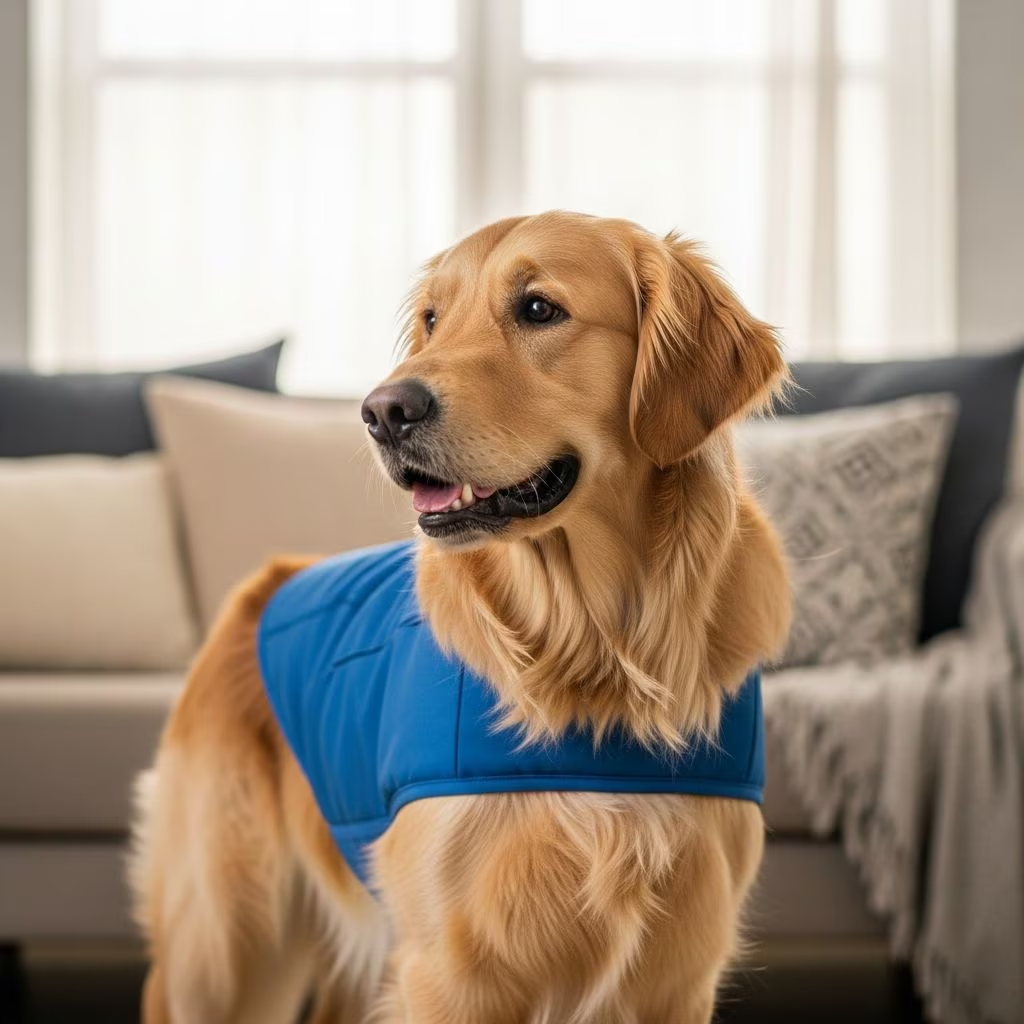
Understanding Dog Anxiety and Stress
Anxiety in dogs is a common behavioral issue that affects many pet owners. Dogs experience stress and fear from various triggers, including thunderstorms, fireworks, separation from their owners, loud noises, and unfamiliar situations. When dogs become anxious, they often display visible signs of distress that indicate they need help coping with their emotional state.
Common signs of anxiety in dogs include excessive barking, destructive behavior, pacing, trembling, and attempts to escape the environment. Some anxious dogs may have accidents in the house despite being house-trained, while others may display excessive drooling, panting, or restlessness. Understanding these signs is the first step toward finding appropriate solutions to help your dog feel more comfortable and secure.
Pet owners have explored numerous approaches to address canine anxiety, ranging from behavioral training and medication to dietary supplements and specialized products. One increasingly popular option is the use of anxiety vests, also known as pressure wraps or calming wraps. These specially designed garments are marketed as non-invasive tools that may help reduce stress and promote relaxation in anxious dogs.
What Are Anxiety Vests for Dogs?
Anxiety vests are specialized garments designed to fit snugly around a dog’s body, particularly applying gentle and constant pressure to the shoulder region and torso. The most well-known commercial product is the ThunderShirt, though numerous other brands and variations are available on the market. These vests are typically made from stretchy, comfortable materials that allow dogs to move freely while maintaining consistent pressure on specific areas of their body.
The design of anxiety vests is based on the principle of pressure therapy, a concept that has been used in human medicine for various therapeutic purposes. The vests are adjustable to ensure a snug but comfortable fit that allows dogs to breathe normally and move without restriction. Some anxiety vests include weighted components that provide additional gentle pressure, enhancing their potential calming effect.
Unlike medications or supplements, anxiety vests are non-pharmaceutical interventions that some pet owners prefer as an alternative or complementary approach to managing their dog’s anxiety. They can be used in combination with other anxiety treatments, such as behavioral therapy, training, or calming supplements, to provide a comprehensive approach to stress management.
The Science Behind Pressure Therapy for Dogs
The theoretical mechanism behind anxiety vests relies on the principles of pressure therapy and its effects on the nervous system. According to pressure therapy research, applying gentle and constant pressure to specific areas of the body can activate the release of oxytocin and other feel-good hormones like dopamine and serotonin. These neurochemicals promote relaxation, reduce anxiety levels, and create a calming effect similar to the sensation of a comforting hug or reassuring touch.
This calming mechanism is comparable to how deep pressure can soothe human infants and adults during stressful moments. The pressure applied by the vest is believed to stimulate the parasympathetic nervous system, which counteracts the fight-or-flight response triggered by anxiety-provoking situations. By activating this relaxation response, anxiety vests may help dogs feel more grounded and secure during potentially frightening events.
The concept of using weighted pressure to alleviate anxiety and promote relaxation is backed by scientific research in both human and animal studies. Some studies have demonstrated that pressure can help stimulate the release of oxytocin, a hormone known for reducing anxiety and lowering heart rate. However, it’s important to note that while this theoretical foundation is compelling, the practical effectiveness of anxiety vests in real-world situations remains a subject of ongoing scientific investigation.
What Does the Research Say?
The scientific evidence regarding the effectiveness of anxiety vests for dogs is mixed and somewhat inconclusive. Several studies have investigated whether pressure vests actually reduce anxiety and stress in dogs, but the results vary considerably. The current body of research suggests that anxiety vests may have small but potentially beneficial effects on canine anxiety, though they are not a guaranteed solution for all dogs.
Key Findings from Research Studies
Heart Rate Reduction: One of the most consistent findings across research studies is that dogs wearing pressure vests show measurable reductions in heart rate. In one study, dogs wearing a snug-fitting vest demonstrated an 8% decrease in heart rate compared to control dogs. The strongest evidence from research shows that dogs in snug-fit vest groups displayed decreased heart rates between baseline and during confinement periods, contrasting with dogs in loose-fit or control groups.
Behavioral Changes: Research has documented various behavioral changes in dogs wearing anxiety vests. Some studies found that dogs wearing snug-fit vests showed less yawning and tongue flicking, which are typically stress-related behaviors. Additionally, dogs wearing pressure vests spent less time orientating toward doors during confinement, suggesting reduced anxiety-related behavior. However, many of these behavioral outcome measures relied heavily on subjective assessments by dog owners rather than objective measurements.
Owner-Reported Effectiveness: Perhaps the most notable finding is that the majority of dog owners report positive effects from anxiety vests. In studies examining thunderstorm phobia specifically, approximately 89% of owners reported that anxiety wraps were at least partially effective in treating their dogs’ fear responses. However, veterinary researchers note that owner assessments can be significantly influenced by the placebo effect and observer bias.
Limitations and Inconsistencies: It’s crucial to understand that research results are not uniformly positive. Some studies found limited therapeutic effects, and the quality of evidence varies across different investigations. The research indicates that anxiety vests may have no beneficial effect on some dogs, and expectations should be managed accordingly. The take-home message from veterinary evidence is that pressure vests may have small benefits, but owners should not expect their dog’s anxiety to be fully alleviated or prevented.
How to Introduce an Anxiety Vest to Your Dog
Introducing a new garment to your dog requires patience, especially if your pet is sensitive or hesitant about wearing clothing or accessories. A gradual, positive approach will increase the likelihood that your dog will accept and potentially benefit from wearing the anxiety vest.
Step-by-Step Introduction Process
Start Slowly: Begin by allowing your dog to become familiar with the vest before putting it on. Let your dog sniff and investigate the garment during calm, positive moments. You can place treats or toys near the vest to create positive associations.
Gradual Acclimation: Practice putting the vest on your dog for very short periods, starting with just a few minutes. Reward your dog with treats and praise during and after wearing the vest. Gradually increase the duration of wear as your dog becomes more comfortable with the sensation.
Proper Fit Verification: Ensure the vest is adjusted to provide a snug but comfortable fit. Your dog should be able to move freely without any discomfort or limitations in their range of motion. You should be able to fit one or two fingers between the vest and your dog’s body. An improperly fitting vest may cause discomfort and increase anxiety rather than reduce it.
Positive Reinforcement: Use treats, praise, and play to create positive associations with wearing the vest. Never force the vest on your dog or use it as punishment. The goal is to help your dog view the vest as a positive thing that brings good experiences.
Habituation and Adaptation: Research indicates that dogs require time to adapt to wearing a pressure vest, and using it repeatedly may improve the likelihood of any potential benefit. Some dogs may initially show an increase in heart rate upon application of the vest due to the novelty and adjustment period. This is normal and does not necessarily indicate that the vest won’t be beneficial over time.
Practice During Calm Times: Before relying on the vest during anxiety-triggering events like thunderstorms or fireworks, practice wearing it during calm, normal situations. This helps your dog become accustomed to the sensation and ensures it feels normal rather than alarming.
Factors That Influence Anxiety Vest Effectiveness
Several important factors can determine whether an anxiety vest will be beneficial for your specific dog. Understanding these variables can help you make informed decisions about whether this intervention is worth trying for your pet.
Type of Anxiety
Different types of anxiety may respond differently to pressure therapy. Dogs with sensitivities to loud noises, such as thunderstorm phobia or fireworks anxiety, appear to show more consistent responses to anxiety vests in research studies. In contrast, dogs with generalized anxiety or those fearful of specific objects or situations may require additional support and training alongside the anxiety vest for meaningful improvement.
Individual Dog Sensitivity
Some dogs are naturally more sensitive to touch and pressure, making them more receptive to the calming effects that anxiety vests may provide. Dogs with sensory processing sensitivities or those accustomed to physical touch and affection may respond better to the constant pressure of a vest compared to dogs that are touch-sensitive or prefer personal space.
Comfort and Fit
The comfort and proper fit of the vest are crucial to its potential effectiveness. A vest that is too loose won’t provide sufficient pressure, while one that is too tight may cause discomfort and actually increase anxiety. The vest must be adjusted so that your dog can breathe comfortably, move freely, and not experience any rubbing or chafing.
Proper Habituation
Allowing adequate time for your dog to adjust and become habituated to wearing the vest significantly impacts its effectiveness. Dogs that are given time to adapt to the sensation, with positive reinforcement and gradual introduction, are more likely to benefit from the vest than dogs forced to wear it suddenly during stressful situations.
Limitations and Considerations
While anxiety vests represent a non-invasive option for managing canine anxiety, they come with important limitations that pet owners should understand. The scientific evidence clearly indicates that anxiety vests should not be viewed as a complete solution for anxiety disorders in dogs.
First, anxiety vests may have no effect on some dogs whatsoever. Individual variation in response is significant, and what works for one dog may not work for another. Additionally, even in dogs that do show some response, the effects may be modest rather than dramatically transformative. Owners should not expect their dog’s anxiety to be completely eliminated or prevented by wearing a vest alone.
Second, anxiety vests work best as part of a comprehensive anxiety management plan rather than as a standalone intervention. Combining the vest with behavioral therapy, training, environmental modifications, and potentially medication or supplements may provide better overall results than relying on the vest alone.
Third, the initial introduction of a pressure vest may temporarily induce anxiety in some dogs. If your dog shows extreme distress when wearing the vest, particularly in the early stages, discontinue use and consult with your veterinarian about alternative approaches.
Alternative and Complementary Anxiety Treatments
Pet owners have numerous options available for addressing canine anxiety, many of which can be used alongside anxiety vests:
- Behavioral Training: Working with a certified professional dog trainer or veterinary behaviorist can help address underlying anxiety triggers through desensitization and counterconditioning techniques.
- Environmental Management: Reducing exposure to anxiety triggers, creating safe spaces, and maintaining consistent routines can significantly impact anxiety levels.
- Calming Supplements: Products containing ingredients like L-theanine, melatonin, or hemp-derived compounds may help reduce anxiety.
- Prescription Medication: Veterinarians can prescribe anti-anxiety medications for dogs with severe anxiety disorders when other interventions are insufficient.
- Pheromone Products: Synthetic pheromone diffusers and sprays can help create a calming environment.
- Exercise and Mental Stimulation: Regular physical exercise and mental enrichment activities help reduce overall anxiety levels.
Frequently Asked Questions
Q: Are anxiety vests safe for dogs to wear?
A: Yes, anxiety vests are generally safe when properly fitted and used as directed. They are non-pharmaceutical and non-invasive. However, ensure the vest isn’t too tight and allows your dog to move and breathe comfortably. Monitor your dog for any signs of discomfort or irritation, and consult your veterinarian if you have concerns.
Q: How long should I leave the anxiety vest on my dog?
A: Start with short periods during the adaptation phase. As your dog becomes accustomed to the vest, you can leave it on during anxiety-triggering events or throughout the day. Individual tolerance varies, so watch for signs of discomfort and adjust accordingly.
Q: Can anxiety vests be used with other anxiety treatments?
A: Yes, anxiety vests work best as part of a comprehensive treatment plan that may include behavioral training, supplements, medication, and environmental management. Combining multiple approaches often yields better results than any single intervention alone.
Q: How long does it take for anxiety vests to work?
A: Research suggests that habituation and repeated use improve effectiveness. Some dogs may show benefits within days, while others may require weeks of consistent use. The vest needs time to become familiar and comfortable rather than anxiety-provoking.
Q: What should I do if my dog doesn’t respond to the anxiety vest?
A: Not all dogs benefit from anxiety vests, and that’s normal. If your dog shows no improvement after giving the vest adequate time and proper introduction, consult your veterinarian about alternative anxiety management strategies such as behavioral training, medication, or other therapeutic options.
Q: Are there different types of anxiety vests available?
A: Yes, various brands and styles exist, including the popular ThunderShirt and weighted anxiety vests. Some are designed specifically for certain types of anxiety, such as thunderstorm phobia or noise sensitivity. Research different options to find one that best suits your dog’s needs and size.
References
- Are Pressure Vests Beneficial at Reducing Stress in Anxious and Fearful Dogs? — Veterinary Evidence. 2016. https://veterinaryevidence.org/index.php/ve/article/download/152/version/133/226
- Evidence for the use of pressure vests in dogs — Veterinary Practice. 2021. https://www.veterinary-practice.com/article/evidence-for-the-use-of-pressure-vests-in-dogs
- Do Dog Anxiety Vests Really Work? Here’s What You Need to Know — Canada Pooch. 2024. https://canadapooch.com/blogs/news/do-dog-anxiety-vests-really-work
- Effect of Wearing a Telemetry Jacket on Behavioral and Physiologic Responses to an Open-Field Test in Dogs — National Center for Biotechnology Information, U.S. National Library of Medicine. 2016. https://pmc.ncbi.nlm.nih.gov/articles/PMC5517327/
- A Systematic Review of the Efficacy of Compression Wraps as an Intervention for Anxiety in Dogs — NIH National Center for Biotechnology Information. 2024. https://pmc.ncbi.nlm.nih.gov/articles/PMC11639916/



