

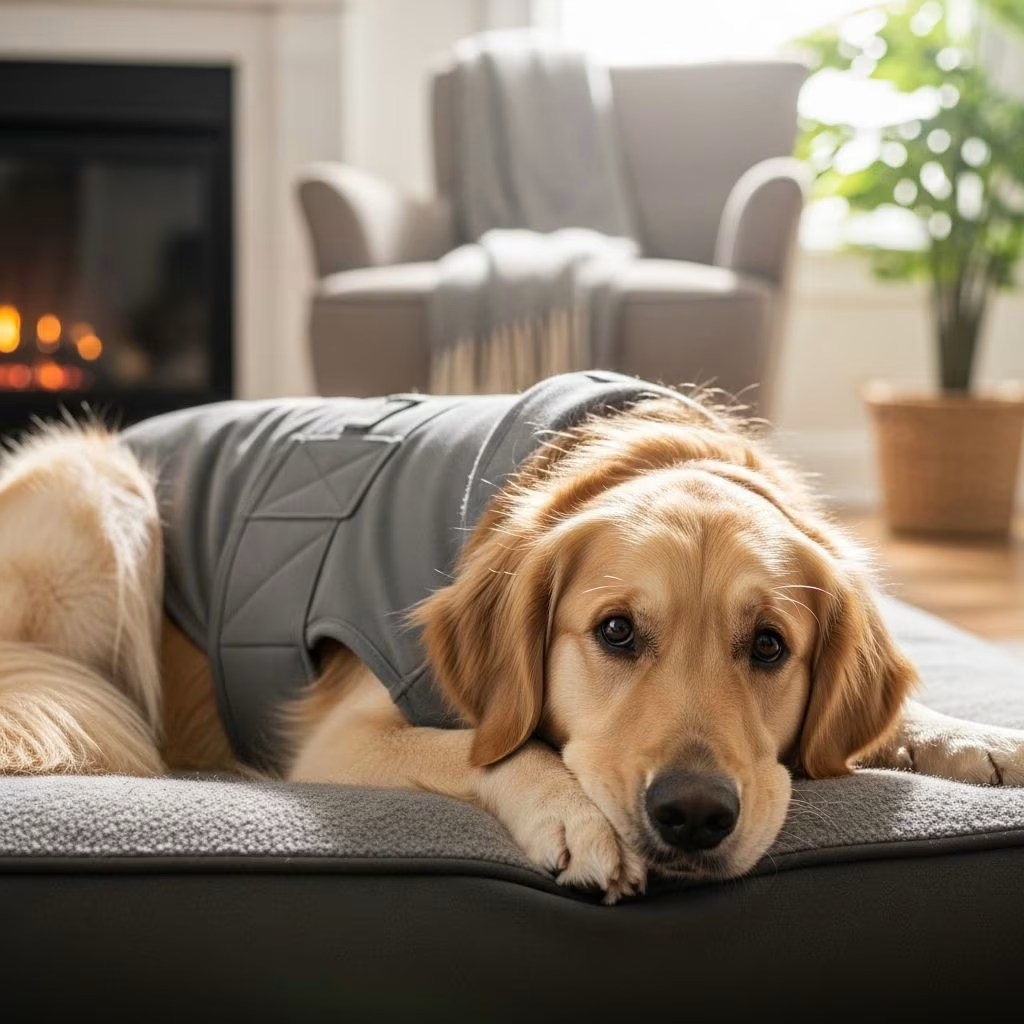
Understanding Anxiety Vests for Dogs
Anxiety in dogs is a common behavioral issue that affects many pet owners. Whether your dog experiences thunderstorm phobia, separation anxiety, or general stress, finding effective solutions is important for their well-being and your peace of mind. One popular tool that has gained attention in recent years is the anxiety vest—a specially designed garment that applies gentle, constant pressure to a dog’s body. These vests, sometimes called anxiety wraps or pressure vests, are marketed as a non-invasive way to help calm anxious dogs. But do they actually work? Understanding the science behind these products and what research shows can help you make an informed decision about whether an anxiety vest is right for your dog.
What Are Anxiety Vests?
Anxiety vests are snug-fitting garments designed to apply gentle, continuous pressure to a dog’s torso and shoulders. They function similarly to a weighted blanket for humans, working on the principle of pressure therapy. The most well-known commercial anxiety vest is the Anxiety Wrap or ThunderShirt, though many other brands now offer similar products. These vests come in various sizes to fit different dog breeds and are typically made from breathable, comfortable materials.
The design of anxiety vests focuses on providing firm but comfortable pressure around the dog’s chest and shoulder region. When properly fitted, the vest should be snug enough to provide therapeutic pressure but loose enough to allow your dog to move and breathe comfortably. Adjustable straps ensure that pet owners can customize the fit to their individual dog’s needs.
How Do Anxiety Vests Work?
The proposed mechanism behind anxiety vests is based on pressure therapy principles. According to this theory, the gentle and constant pressure applied by the vest stimulates the release of calming hormones and neurotransmitters in your dog’s body. Specifically, research suggests that pressure therapy may activate the release of oxytocin and dopamine—neurotransmitters associated with relaxation, bonding, and stress relief.
The pressure from the vest is thought to work similarly to how a tight hug or gentle massage can soothe a person. This concept is sometimes referred to as “deep pressure stimulation” and has been studied in both humans and animals. The idea is that by providing this consistent pressure, the vest helps trigger your dog’s parasympathetic nervous system, which is responsible for promoting relaxation and reducing the “fight or flight” stress response.
Additionally, some researchers theorize that the vest may work through a placebo effect or through classical conditioning, where dogs learn to associate wearing the vest with calm situations and gradually develop a conditioned relaxation response.
What Does the Research Say?
The scientific evidence regarding the effectiveness of anxiety vests is mixed and somewhat inconclusive. Multiple studies have examined whether pressure vests reduce behavioral and physiological signs of stress in anxious and fearful dogs, but the results vary significantly.
Positive Findings
Some research has shown promising results. One study found that dogs wearing snug-fitting vests demonstrated a decrease in heart rate during kennel confinement, compared to dogs wearing loosely fitted vests or no vest at all. This physiological measure suggests that the vest may have some calming effect. Additionally, the same study found a statistical tendency for snug-fit dogs to show less yawning and tongue flicking—behaviors often associated with stress and anxiety.
Other research has documented that owners reported the Anxiety Wrap was at least partially effective in treating their dogs’ thunderstorm phobia, with 89% of owners reporting the product was at least somewhat helpful. Studies involving telemetry vests showed an 8% decrease in heart rate and a 34% reduction in overall anxiety scores during open-field tests in some dogs.
Limitations and Mixed Results
However, it’s important to note that many of these positive findings come from owner-reported assessments rather than objective measurements. Subjective assessments are vulnerable to placebo effects and bias, particularly when owners know their dogs are wearing the vest and expect it to work. Furthermore, some studies have shown minimal effects or inconsistent results. One comprehensive review concluded that “pressure vests may have small but beneficial effects on canine anxiety” but emphasized that dogs should not be expected to have their anxiety fully alleviated by the vest alone.
The quality and consistency of research findings vary, and some studies have methodological limitations that make it difficult to draw firm conclusions. Additionally, some dogs show an increase in heart rate when first wearing the vest, suggesting that the garment may initially induce anxiety in certain individuals rather than immediately providing relief.
Factors That Influence Effectiveness
Several factors can determine whether an anxiety vest will be effective for your particular dog:
Dog’s Individual Sensitivity
Dogs vary in their sensitivity to touch and pressure. Some dogs are naturally more responsive to tactile stimulation and may benefit more from the deep pressure provided by the vest. Dogs that enjoy being petted, held, or hugged may be more likely to respond positively to an anxiety vest than dogs that are touch-averse.
Type of Anxiety
The type of anxiety your dog experiences also matters. Dogs with noise-related phobias, such as thunderstorm or fireworks anxiety, may show different responses to anxiety vests compared to dogs with separation anxiety or general anxiety disorders. Noise-sensitive dogs may benefit more from wearing an anxiety wrap, while dogs with situational anxiety caused by specific objects or circumstances may require additional behavioral training and support alongside the vest.
Proper Fit and Comfort
The fit of the anxiety vest is crucial to its effectiveness. The vest must be snug enough to provide the therapeutic pressure but not so tight that it causes discomfort or restricts your dog’s movement. An improperly fitted vest may actually increase anxiety rather than decrease it. Your dog should be able to move freely, lie down, and assume normal postures without experiencing discomfort or limitations in their range of motion.
Habituation and Repeated Use
Research suggests that dogs need time to adapt to wearing the vest, and repeated use may improve its effectiveness over time. The initial wearing of the vest can sometimes trigger anxiety in certain dogs, but with gradual habituation and positive associations, the vest may become more effective at promoting calm behavior.
Tips for Introducing an Anxiety Vest to Your Dog
If you’re considering using an anxiety vest for your dog, properly introducing it is essential for success. Here are evidence-based recommendations for introducing the garment:
Start Gradually
Don’t rush the process. Allow your dog to become familiar with the vest before putting it on. Let them sniff it, investigate it, and become comfortable with its presence in their environment. This gradual exposure helps reduce fear or hesitation about the new item.
Use Positive Associations
Associate the vest with positive experiences. Put the vest on during calm, non-stressful times and immediately offer treats, praise, or favorite activities. This helps your dog develop positive associations with wearing the vest rather than associating it with stressful situations.
Ensure Proper Fit
Before using the vest during stressful situations, ensure it fits your dog correctly. The vest should be snug but comfortable. You should be able to fit one or two fingers comfortably between the vest and your dog’s body. Check all adjustment points and straps to ensure everything is properly secured.
Practice in Safe Environments
Once your dog is comfortable wearing the vest, practice in low-stress environments before using it during actual anxiety-triggering situations. This allows your dog to become fully habituated to the sensation and movement with the vest on.
Use Consistently
For the best results, use the vest consistently. Research suggests that repeated use may improve the likelihood of benefit. Using the vest only occasionally or sporadically may be less effective than making it part of your regular anxiety management routine.
Anxiety Vests as Part of a Comprehensive Approach
It’s important to understand that anxiety vests work best as part of a comprehensive anxiety management strategy rather than as a standalone solution. Behavioral training, environmental modifications, and sometimes medication may be necessary components of treating your dog’s anxiety. Anxiety vests can complement these other treatments but should not replace them.
For dogs with severe anxiety disorders, consulting with a veterinary behaviorist is recommended. They can help develop a customized treatment plan that may include behavior modification techniques, environmental enrichment, and potentially pharmaceutical interventions in addition to or instead of an anxiety vest.
Signs Your Dog Might Benefit from an Anxiety Vest
Consider trying an anxiety vest if your dog exhibits any of the following signs of anxiety:
– Excessive barking or whining during thunderstorms or fireworks- Destructive behavior such as chewing, scratching, or digging- Attempts to escape or hide when anxious- Accidents in the house despite being housetrained- Excessive panting, drooling, or trembling- Aggression or fear-based lunging- Pacing or restlessness in response to specific triggers
Frequently Asked Questions
Q: Are anxiety vests safe for all dogs?
A: Anxiety vests are generally safe for most dogs when properly fitted and used correctly. However, dogs with certain health conditions, skin sensitivities, or those that are extremely uncomfortable with snug clothing should be evaluated by a veterinarian before use. Always ensure the vest is not too tight and allows your dog to breathe and move comfortably.
Q: How long does it take for an anxiety vest to work?
A: Some dogs may show immediate calming effects when wearing the vest, while others may require several days or weeks of habituation to experience any benefit. Research suggests that repeated use and gradual adaptation may improve effectiveness over time.
Q: Can my dog wear an anxiety vest all day?
A: While anxiety vests can be worn for extended periods, they are typically designed for use during specific anxiety-triggering situations. Extended use may cause discomfort or skin irritation in some dogs. It’s best to use the vest when needed rather than as an all-day garment.
Q: Will an anxiety vest replace my dog’s medication?
A: Anxiety vests should not replace prescribed anxiety medications without consulting your veterinarian. However, they can be used alongside medication or as a complementary tool in your dog’s anxiety management plan. Always discuss any changes to your dog’s treatment with your vet.
Q: What should I do if my dog doesn’t seem to like wearing the vest?
A: If your dog resists wearing the vest or shows signs of increased anxiety, discontinue use and consult with your veterinarian or a certified animal behaviorist. Not all dogs respond well to vests, and forcing a reluctant dog to wear one may worsen anxiety.
Q: How do I clean an anxiety vest?
A: Most anxiety vests can be hand-washed with mild soap and water or spot-cleaned with a damp cloth. Check the manufacturer’s instructions for specific cleaning recommendations. Regular cleaning helps maintain the vest’s hygiene and extends its lifespan.
Conclusion
Anxiety vests represent a non-invasive option for pet owners seeking to help their anxious dogs. While research demonstrates that these vests may provide small but potentially beneficial effects on canine anxiety, the evidence is not conclusive, and results vary significantly among individual dogs. The effectiveness of an anxiety vest depends on factors such as your dog’s individual sensitivity, the type of anxiety they experience, the proper fit of the garment, and consistent use over time.
If you’re considering an anxiety vest for your dog, start with a gradual introduction process and monitor your dog’s response carefully. Combine the vest with other anxiety management strategies such as behavioral training, environmental modifications, and veterinary guidance for the best outcomes. Remember that every dog is unique, and what works for one dog may not work for another. Working closely with your veterinarian or a certified animal behaviorist can help you develop the most effective anxiety management plan for your individual pet.
References
- Are Pressure Vests Beneficial at Reducing Stress in Anxious and Fearful Dogs? — Veterinary Evidence. 2023. https://veterinaryevidence.org/index.php/ve/article/view/152
- Evidence for the use of pressure vests in dogs — Veterinary Practice. 2023. https://www.veterinary-practice.com/article/evidence-for-the-use-of-pressure-vests-in-dogs
- Do Dog Anxiety Vests Really Work? Here’s What You Need to Know — Canada Pooch. https://canadapooch.com/blogs/news/do-dog-anxiety-vests-really-work
- Effect of Wearing a Telemetry Jacket on Behavioral and Physiologic Parameters in Dogs — National Center for Biotechnology Information (NIH). 2017. https://pmc.ncbi.nlm.nih.gov/articles/PMC5517327/
- A Systematic Review of the Efficacy of Compression Wraps as Treatments for Anxiety in Dogs — National Institutes of Health. 2024. https://pmc.ncbi.nlm.nih.gov/articles/PMC11639916/



