

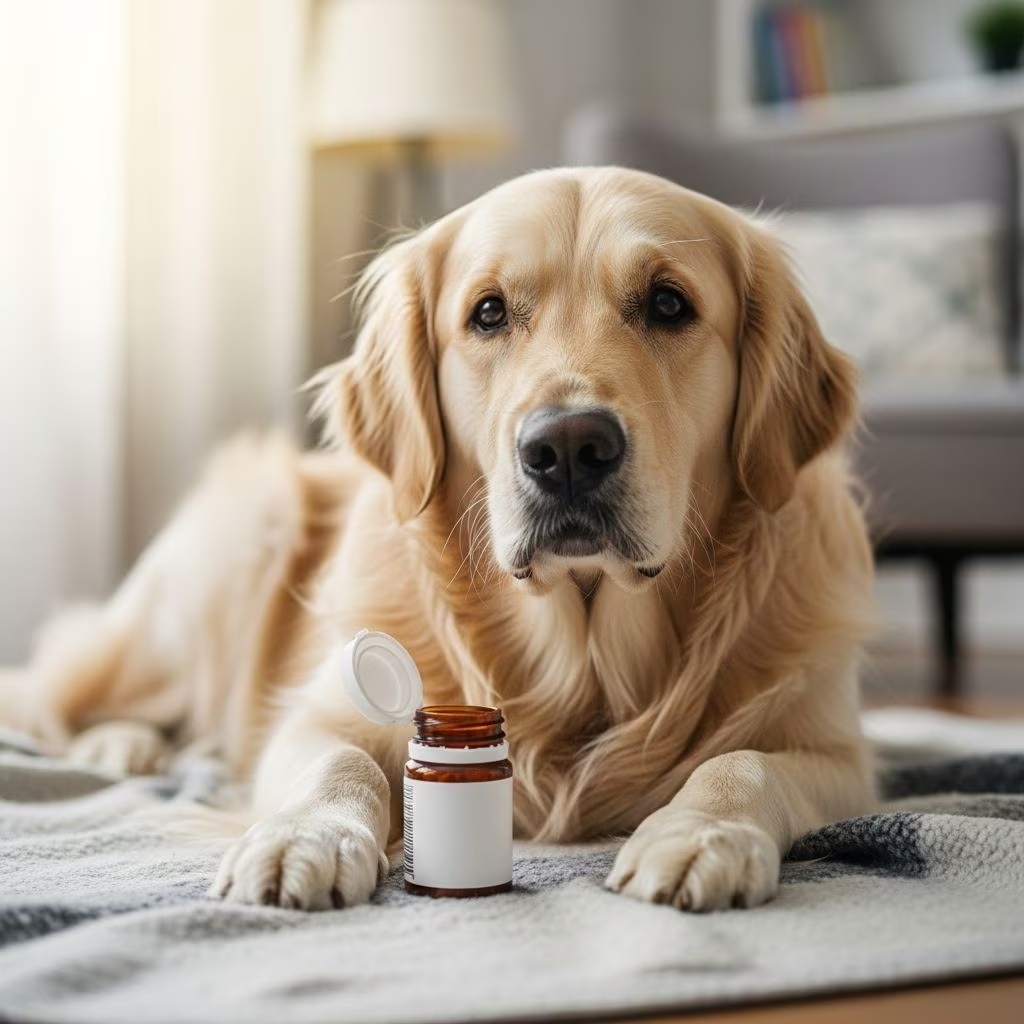
Understanding Dog Anxiety and Medication Options
Dog anxiety is a common behavioral concern that affects millions of pets worldwide. Whether your dog experiences separation anxiety, noise phobias, generalized anxiety, or situational stress, anxiety medications can significantly improve your pet’s quality of life and overall well-being. These medications work by altering brain chemistry to reduce fear, stress, and anxious behaviors, allowing your dog to feel calmer and more relaxed in triggering situations.
Veterinarians typically recommend anxiety medications as part of a comprehensive treatment plan that combines pharmacological intervention with behavior modification training. Understanding the different types of anxiety medications available, how they work, and which options might be best for your dog’s specific condition is essential for making informed decisions about your pet’s mental health care.
Short-Term Anxiety Medications for Dogs
Short-term anxiety medications are designed to provide rapid relief during specific anxiety-triggering events or situations. These medications typically work within 30 minutes to 2 hours and are ideal for situational anxiety, travel, veterinary visits, or thunderstorms.
Trazodone (SARI)
Drug Class: Serotonin Antagonist and Reuptake Inhibitor (SARI)
How it works: Trazodone increases serotonin levels in the dog’s brain while blocking certain serotonin receptors, producing a calming effect without causing excessive sedation.
Onset time: Works within 1 to 2 hours
Duration: Effects last 4 to 6 hours or longer
Sedative effects: Yes, can make dogs sleepy at higher doses
Best for: Short-term or as-needed use for mild to moderate anxiety
Trazodone is frequently prescribed as an adjunctive therapy alongside other anxiety medications. It has a wide safety margin in dogs and is particularly effective when combined with other treatment approaches. While it tends to be less potent than SSRIs when used alone, it serves as an excellent complementary medication for dogs already on long-term anxiety management.
Alprazolam (Xanax®)
Drug Class: Benzodiazepine
Brand name: Xanax®
How it works: Enhances GABA neurotransmitter activity, slowing down the central nervous system to reduce anxiety, stress, and agitation
Onset time: Works within 30 minutes to 1 hour
Duration: Effects last 4 to 6 hours or longer
Sedative effects: Yes, can cause drowsiness
Best for: Situational anxiety and specific triggering events
Alprazolam is most effective when administered at the earliest sign of anxiety, ideally 30 to 60 minutes before exposure to the anxiety trigger. This timing ensures the medication reaches peak effectiveness when your dog needs it most. Due to potential for dependency with long-term use, alprazolam is typically reserved for short-term management rather than ongoing daily treatment.
Lorazepam (Ativan®)
Drug Class: Benzodiazepine
Brand name: Ativan®
How it works: Similar to alprazolam, enhances GABA neurotransmitter activity to reduce anxiety
Onset time: Works within approximately 1 hour
Duration: Effects last 6 to 8 hours or longer
Sedative effects: Yes, promotes drowsiness
Best for: Situational anxiety with longer-lasting relief needed
Lorazepam has a slightly longer half-life than alprazolam, meaning it remains in the dog’s system longer and provides extended anxiety relief. This makes it an excellent choice for situations requiring sustained calming effects throughout the day or evening. Like other benzodiazepines, lorazepam should be used judiciously to minimize dependence risk.
Gabapentin
Drug Class: Anticonvulsant
How it works: Enhances GABA activity while reducing release of excitatory neurotransmitters like glutamate
Onset time: Works within 45 minutes to 2 hours
Duration: Effects last 4 to 6 hours or longer
Sedative effects: Yes, produces sedation
Best for: Acute anxiety events and chronic anxiety when used regularly
While gabapentin is traditionally used as an analgesic for pain management in dogs, emerging research demonstrates its effectiveness for anxiety disorders, particularly in dogs experiencing concurrent chronic pain. Gabapentin pairs exceptionally well with trazodone for managing both acute anxiety episodes and delayed anxious responses to anticipated events.
Dexmedetomidine (Sileo®)
Drug Class: Alpha-2 Adrenergic Agonist
Brand name: Sileo® (no generic version available)
How it works: Acts on specific receptors in the brain to produce rapid calming effects
Onset time: Works within 30 minutes to 1 hour
Duration: Effects last 1 to 3 hours
Sedative effects: Yes, promotes drowsiness
Best for: Acute anxiety situations, particularly noise phobias
Dexmedetomidine, marketed as Sileo, has demonstrated excellent efficacy in clinical trials for noise-related anxiety, particularly fireworks phobia. In a randomized, double-blind, placebo-controlled study, 72% of dogs treated with dexmedetomidine showed excellent or good effects compared to only 37% in the placebo group. Sileo is available in an oral transmucosal gel formulation that rapidly absorbs through the mouth’s mucous membranes.
Long-Term Anxiety Medications for Dogs
Long-term anxiety medications require consistent daily administration and typically take several weeks to reach full effectiveness. These medications are ideal for chronic anxiety conditions and work best when combined with behavior modification training.
Fluoxetine (Prozac®, Reconcile®)
Drug Class: Selective Serotonin Reuptake Inhibitor (SSRI)
Brand names: Prozac®, Reconcile®
How it works: Increases serotonin levels in the brain to improve mood and reduce anxiety
Time to full effect: Takes 4 to 6 weeks to reach full effectiveness
Best for: Separation anxiety, generalized anxiety, fear-based aggression, compulsive behaviors
Fluoxetine is FDA-approved for treating separation anxiety in dogs and remains one of the most commonly prescribed psychiatric medications for canine behavioral issues. The Reconcile brand formulation is specifically approved for veterinary use in dogs, while Prozac is the human version sometimes prescribed off-label by veterinarians. Fluoxetine works best when combined with behavior modification training and environmental management strategies.
Sertraline (Zoloft®)
Drug Class: Selective Serotonin Reuptake Inhibitor (SSRI)
How it works: Increases serotonin levels similar to fluoxetine
Time to full effect: Takes 4 to 6 weeks to reach optimal results
Best for: Long-term generalized anxiety and as an alternative to fluoxetine
Sertraline serves as an alternative SSRI option for dogs who may not respond optimally to fluoxetine or who experience side effects with other medications. Like other SSRIs, sertraline requires consistent daily dosing and patience as therapeutic benefits gradually develop over several weeks of treatment.
Clomipramine (Clomicalm®)
Drug Class: Tricyclic Antidepressant (TCA)
Brand name: Clomicalm®
How it works: Affects multiple neurotransmitters including serotonin and norepinephrine
Dosing: Typically requires twice-daily administration
Time to full effect: Takes several weeks to reach full effectiveness
Best for: Separation anxiety, compulsive disorders, and generalized anxiety
Clomipramine is highly effective for treating separation anxiety in dogs and is often better tolerated by some anxious dogs compared to SSRIs like fluoxetine. Many veterinary professionals specifically recommend clomipramine for separation anxiety cases because of its proven efficacy and favorable side effect profile in certain individuals. The twice-daily dosing schedule ensures consistent medication levels throughout the day.
Paroxetine (Paxil®)
Drug Class: Selective Serotonin Reuptake Inhibitor (SSRI)
How it works: Increases serotonin availability in the brain
Time to full effect: Takes 4 to 6 weeks for maximum benefit
Best for: Generalized anxiety and anxiety-related behaviors
Paroxetine represents another SSRI option in the veterinary anxiety medication arsenal, offering similar mechanisms of action to fluoxetine and sertraline while potentially suiting dogs with specific neurochemical needs or previous medication sensitivities.
Buspirone
Drug Class: Azapirone
How it works: Works on serotonin receptors to reduce anxiety without producing sedation
Time to full effect: Takes 1 to 2 weeks to reach therapeutic effectiveness
Best for: Generalized anxiety, fear-based behaviors, and noise phobias
Advantages: Non-sedating, allowing dogs to remain alert
Buspiron differs from other anxiety medications by providing anxiety relief without causing drowsiness. This non-sedating profile makes it suitable for dogs that need to remain alert or for those sensitive to sedative effects. Buspirone requires consistent regular dosing rather than as-needed use for optimal results.
Combination Therapy Approaches
Veterinarians frequently combine short-term and long-term anxiety medications for enhanced therapeutic outcomes. For example, a dog receiving daily fluoxetine for separation anxiety might receive trazodone as-needed during travel or thunderstorms. Similarly, alprazolam combined with clomipramine has proven effective for treating storm phobias in prospective clinical trials.
This combination approach allows veterinarians to address both chronic anxiety through long-term medications and acute anxiety episodes through short-term interventions, creating a comprehensive management strategy tailored to each dog’s specific needs.
How Anxiety Medications Work: Understanding Neurotransmitters
Dog anxiety medications work by modifying brain chemistry and neurotransmitter function. Key neurotransmitter systems targeted by these medications include:
Serotonin System: SSRIs and SARIs increase serotonin availability by preventing its reuptake, promoting mood stability and emotional regulation.
GABA System: Benzodiazepines enhance GABA activity, slowing central nervous system activity to produce calming effects.
Glutamate System: Gabapentin reduces excitatory glutamate release, decreasing neural hyperactivity associated with anxiety.
Norepinephrine System: Some medications like tricyclic antidepressants affect norepinephrine in addition to serotonin for more comprehensive mood regulation.
Choosing the Right Anxiety Medication for Your Dog
Selecting appropriate anxiety medication depends on multiple factors including the type of anxiety (separation, generalized, situational, noise-phobia), severity, duration, your dog’s medical history, current medications, and individual medication sensitivities. Your veterinarian will conduct a thorough behavioral and medical assessment before recommending specific medications.
Factors to consider when working with your veterinarian include:
Anxiety Type: Different medications excel at treating different anxiety presentations. Separation anxiety often responds well to clomipramine or fluoxetine, while situational anxiety may benefit from faster-acting benzodiazepines or trazodone.
Onset Timeline: If your dog needs immediate relief, short-term medications are appropriate. For chronic conditions, long-term medications with slower onset provide superior long-term management.
Medical Conditions: Dogs with concurrent pain conditions may benefit from gabapentin’s dual anxiolytic and analgesic properties. Dogs with heart conditions may require careful selection of medications with fewer cardiovascular effects.
Medication Interactions: Some anxiety medications interact with other medications your dog may be taking, so comprehensive medical history review is essential.
Common Side Effects and Safety Considerations
Most anxiety medications can cause side effects, though many dogs tolerate them well. Common side effects include sedation, lethargy, decreased appetite, increased appetite, gastrointestinal upset, and behavioral changes. Most side effects diminish as dogs acclimate to medication.
Benzodiazepines carry potential for dependence with long-term use, making them unsuitable for indefinite therapy. Abrupt discontinuation of benzodiazepines can cause rebound anxiety or withdrawal symptoms, requiring gradual dose reduction under veterinary supervision.
SSRIs and TCAs are generally well-tolerated long-term but require patience for therapeutic effects to develop. Some dogs experience initial increased anxiety or behavioral changes during the first one to two weeks of treatment before improvement occurs.
Complementary Approaches to Medication
While medications provide neurochemical support for anxiety management, behavioral modification training significantly enhances treatment outcomes. Desensitization to anxiety triggers, counter-conditioning exercises, and environmental modifications work synergistically with medication to create lasting behavioral change.
Additional complementary approaches include:
Environmental Management: Reducing exposure to identified anxiety triggers or creating safe spaces where anxious dogs feel secure.
Exercise and Enrichment: Regular physical activity and mental stimulation reduce overall anxiety levels and improve emotional regulation.
Training Programs: Professional behavior modification training addresses underlying anxiety drivers and teaches alternative coping behaviors.
Calming Supplements: Some dogs benefit from supplements containing magnolia officinalis, L-theanine, or other calming ingredients as adjunctive support.
Natural and Supplement-Based Options
Beyond prescription medications, some pet parents explore supplement-based anxiety support. Products like Solliquin contain calming herbal ingredients and have demonstrated approximately 85% success rate in clinical studies of anxious dogs over six-week periods. These chewable supplements offer gentler options for mild anxiety or preliminary intervention before considering prescription medications.
Frequently Asked Questions About Dog Anxiety Medications
Q: How long does it take for anxiety medication to work in dogs?
A: Short-term medications like trazodone, benzodiazepines, and dexmedetomidine work within 30 minutes to 2 hours. Long-term medications like fluoxetine, sertraline, and clomipramine typically require 4 to 6 weeks to reach full therapeutic effectiveness.
Q: Can my dog become dependent on anxiety medications?
A: Benzodiazepines carry potential for dependence with prolonged use, which is why they’re primarily recommended for short-term or as-needed use. SSRIs and TCAs don’t cause dependence in the same manner. Always consult your veterinarian before discontinuing any anxiety medication.
Q: Do anxiety medications make dogs sleepy?
A: Many anxiety medications produce sedation as a side effect, particularly short-term medications like benzodiazepines, trazodone, gabapentin, and dexmedetomidine. Long-term SSRIs and TCAs typically cause less sedation. Buspiron is a non-sedating option for dogs requiring alertness.
Q: Can anxiety medications be combined with behavior training?
A: Yes, absolutely. In fact, combining medication with professional behavior modification training produces superior outcomes compared to either approach alone. Medications help calm the nervous system while training addresses underlying anxiety triggers and teaches new coping behaviors.
Q: What should I do if my dog doesn’t respond to the first anxiety medication?
A: Contact your veterinarian. They may adjust the dose, extend the trial period (since some medications take weeks to work), or recommend switching to a different medication. Finding the optimal medication often requires some trial and adjustment.
Q: Are there any breeds predisposed to anxiety?
A: While any dog can develop anxiety regardless of breed, certain breeds like Vizslas, German Shepherds, and Border Collies show higher predisposition to separation anxiety. However, individual temperament and environmental factors significantly influence anxiety development.
Q: How long will my dog need to stay on anxiety medication?
A: Duration depends on the type and severity of anxiety. Some dogs benefit from short-term medication only during specific situations, while others require long-term daily management. Your veterinarian will discuss treatment duration based on your dog’s specific condition and response to therapy.
Q: Can I give my dog anxiety medication without veterinary supervision?
A: No. Anxiety medications require veterinary prescription and professional oversight. Your veterinarian must evaluate your dog’s health status, identify the specific anxiety type, select appropriate medication and dosage, and monitor for side effects or adverse reactions.
Q: Do anxiety medications work better than behavior training alone?
A: For most dogs with significant anxiety, the combination of medication and behavior training produces better results than either approach independently. Medications reduce anxiety symptoms enough that dogs can effectively engage in training, while training provides lasting behavioral change.
References
- A review of pre-appointment medications to reduce fear and anxiety in dogs and cats — National Center for Biotechnology Information (NCBI)/PubMed Central. 2022. https://pmc.ncbi.nlm.nih.gov/articles/PMC8360309/
- Psychotropic Agents for Treatment of Animals — Merck Veterinary Manual. 2024. https://www.merckvetmanual.com/pharmacology/systemic-pharmacotherapeutics-of-the-nervous-system/psychotropic-agents-for-treatment-of-animals
- The Use of Medications in Canine Behavior Therapy — Today’s Veterinary Practice. 2022. https://todaysveterinarypractice.com/behavior/the-use-of-medications-in-canine-behavior-therapy/
- 10 Medications for Dog Anxiety: Managing Your Dog’s Mental Health — PetMD. 2023. https://www.petmd.com/dog/behavior/10-medications-dog-anxiety
- Medications for Treating Dog Anxiety — Northgate Veterinary Clinic. 2022. https://www.northgateveterinary.com/site/blog/2022/03/30/dog-anxiety-medications
- 11 Anxiety Meds for Dogs [Vet-Approved List] — Sploot Veterinary Care. 2024. https://www.splootvets.com/post/common-anxiety-meds-for-dogs-vet-approved
- The 5 Best Medications For Anxious Dogs — Kingsdale Animal Hospital. 2023. https://www.kingsdale.com/the-5-best-medications-for-anxious-dogs



