

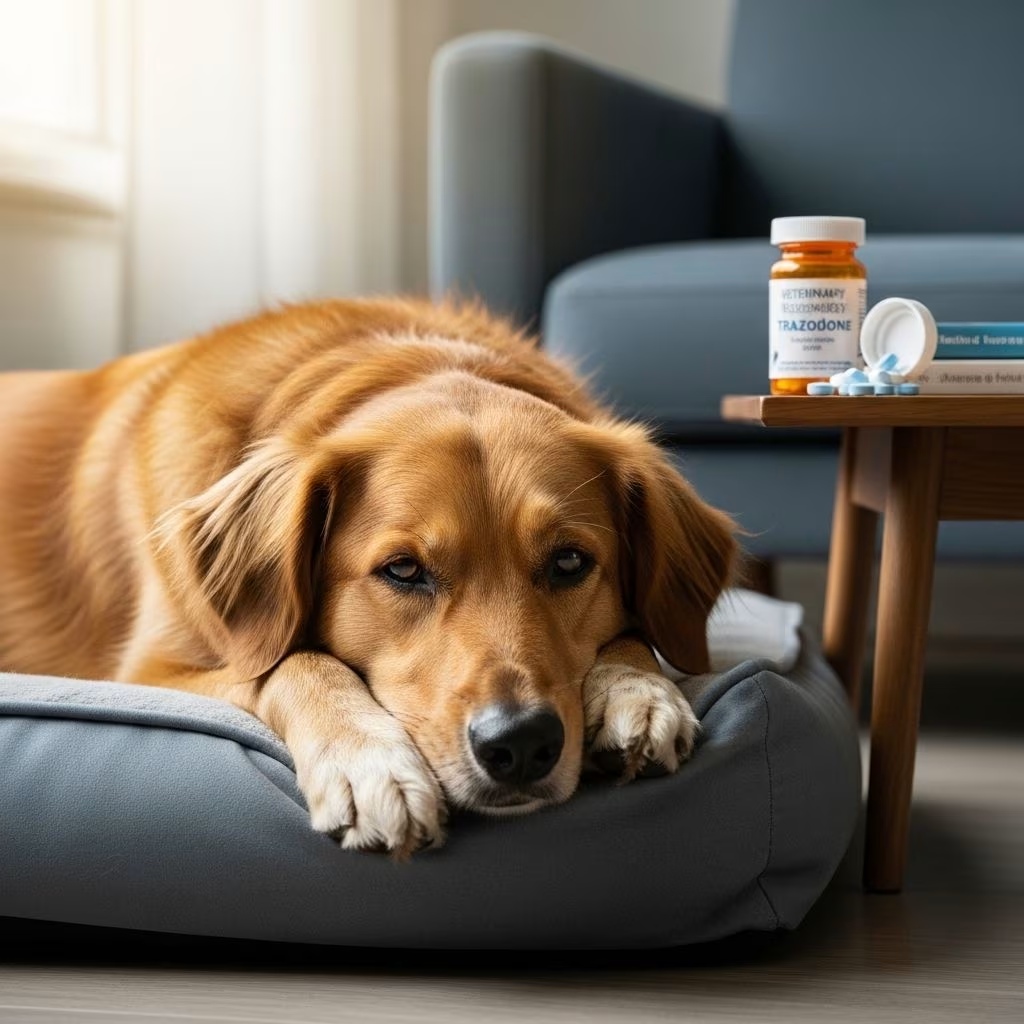
Anxiety and behavioral stress affect millions of dogs worldwide, impacting their quality of life and their relationships with their owners. Veterinarians have increasingly turned to pharmaceutical interventions to help manage these conditions, with trazodone emerging as one of the most commonly prescribed options. This antidepressant medication, originally developed for human use, has proven effective in veterinary medicine for addressing various anxiety-related issues in canines. Understanding how trazodone works, when it is appropriate, and what to expect can help pet owners make informed decisions about their dog’s behavioral health care.
What Trazodone Is and How It Functions in Canine Biology
Trazodone is a prescription medication belonging to a class of drugs called serotonin antagonist and reuptake inhibitors (SARIs). In humans, it is primarily used to treat depression and anxiety disorders. When administered to dogs, trazodone works by increasing serotonin levels in the brain, which helps stabilize mood and reduce anxiety-related behaviors. Serotonin is a neurotransmitter responsible for regulating emotional responses, and by enhancing its availability, trazodone creates a calming effect that can help anxious dogs regain composure during stressful situations or throughout their daily lives.
The medication comes in tablet form, typically available in 50, 100, 150, and 300 mg strengths. Dogs take trazodone orally, and it may be administered with or without food. The tablet can be given as a single dose before a specific stressful event or distributed across multiple daily doses for ongoing anxiety management, depending on the veterinarian’s recommendations and the individual dog’s needs.
Common Applications and Clinical Scenarios for Trazodone Use
Veterinarians prescribe trazodone for a wide range of anxiety-related conditions in dogs, each requiring different treatment approaches. Understanding these varied applications helps explain why this medication has become so prevalent in veterinary practice.
Situational Anxiety and Specific Fears
One of the most common uses for trazodone is managing anxiety related to specific situations or triggers. Dogs that experience heightened stress during veterinary examinations often receive a dose of trazodone approximately 90 minutes before their appointment. Similarly, grooming anxiety—where dogs become extremely nervous or aggressive during bathing and grooming procedures—can be substantially reduced with appropriate trazodone dosing. Other situational anxieties that respond well to trazodone include noise phobia (such as fear of fireworks or thunderstorms), travel-related stress, and anxiety surrounding changes in the household or environment.
Separation Anxiety Management
Separation anxiety represents one of the most challenging behavioral conditions in dogs. When owners leave the house, severely anxious dogs may exhibit destructive behavior, excessive vocalization, or elimination problems. While trazodone alone is not a complete solution for separation anxiety, it is frequently prescribed alongside behavioral modification training to help dogs remain calm during periods of separation. The medication can help break the cycle of anxiety-induced behaviors, making it easier for dogs to learn new, calmer responses through training.
Post-Surgical Recovery and Hospitalization
Trazodone plays an important role in veterinary surgical settings. Following surgical procedures, dogs often experience pain, confusion, and anxiety as they recover from anesthesia. Administering trazodone during the post-operative period helps dogs remain calm and relaxed, which promotes better healing and reduces the risk of injury to the surgical site through thrashing or excessive movement. Additionally, dogs requiring extended hospitalization benefit from trazodone’s calming effects, which can reduce stress-related complications and improve their overall hospital experience.
Sleep Disturbances and Nighttime Anxiety
Older dogs sometimes develop anxiety or sleep disturbances at night, pacing restlessly or vocalizing when their owners are sleeping. Trazodone can help these senior canines settle down and rest more comfortably, improving their nighttime behavior and allowing the entire household to sleep better.
Determining the Right Dosage for Your Dog
Dosage calculation in veterinary medicine is based primarily on the patient’s body weight. For trazodone in dogs, the standard dosage is approximately 5 mg per kilogram of body weight. However, the actual dose prescribed can range from 2.5 to 7 mg per kilogram, depending on several factors.
Factors Influencing Dosage Decisions
- Severity of anxiety or stress symptoms
- Individual dog’s metabolic rate and medication sensitivity
- Presence of concurrent medications or health conditions
- Overall liver and kidney function
- Purpose of treatment (single-dose situational use versus ongoing daily therapy)
- Any history of adverse reactions to medications
Veterinarians typically start with a lower dose and gradually increase it if necessary to minimize potential stomach upset or other side effects. When trazodone is being used before a specific stressful event, it is generally administered approximately 1 hour before the anticipated stressful situation, though some sources recommend 90 minutes prior for optimal effect.
Timeline of Effects and Duration of Action
Understanding when trazodone begins working and how long its effects last is crucial for proper administration and timing. Trazodone typically begins working within 30 minutes to 1 hour after administration, with most sources citing a timeframe of 1 to 3 hours for noticeable effects. In healthy dogs with normal liver and kidney function, the medication’s calming effects typically last between 6 and 12 hours. However, dogs with liver or kidney disease may experience a prolonged effect, as their bodies take longer to metabolize and eliminate the medication.
It is important to note that in some cases, dogs may require 2 to 4 weeks of consistent daily dosing to experience the full therapeutic benefits of trazodone, particularly when treating chronic anxiety conditions. During this initial period, owners should maintain realistic expectations and continue behavioral training alongside the medication.
Potential Side Effects and Safety Considerations
While trazodone is generally considered safe for dogs when prescribed appropriately, pet owners should be aware of potential side effects and contraindications.
Common Side Effects
The most frequently observed side effects include sedation and sleepiness, which are often expected effects of the medication rather than true adverse reactions. Dogs may also experience squinting eyes, watery or slightly watery eyes, and occasional nausea. These side effects are typically mild and temporary, resolving once the medication leaves the dog’s system.
More Serious Adverse Reactions
While uncommon, more serious reactions have been reported. These can include severe allergic reactions, significant changes in heart rate or blood pressure, or neurological effects. If a dog experiences any of these serious symptoms, owners should contact their veterinarian immediately.
Dogs Requiring Caution or Alternative Treatment
Certain dogs should not receive trazodone or should only receive it under very careful veterinary monitoring:
- Pregnant or nursing dogs
- Dogs with glaucoma
- Dogs with heart disease
- Dogs with liver disease
- Dogs with kidney disease
- Dogs taking certain other medications that could interact with trazodone
Additionally, veterinarians exercise caution when using trazodone in dogs with certain conditions because the sedative effects could mask underlying pain or discomfort, making it difficult to detect other health issues.
Comparing Trazodone with Other Anxiety Medications
Several medications are available for managing canine anxiety, and veterinarians often select based on the specific condition and individual dog characteristics. Gabapentin, an anti-seizure medication, is frequently used for pain and anxiety in dogs. One key difference is that while trazodone is an anxiolytic (anti-anxiety) medication, gabapentin addresses both pain and anxiety. Many veterinarians administer both medications together, particularly in surgical settings, to provide enhanced sedation and pain relief. The combination approach allows lower doses of each medication to be used, potentially reducing individual side effect profiles while maximizing therapeutic benefit.
Integrating Trazodone with Behavioral Training
Trazodone is most effective when used as part of a comprehensive anxiety management plan rather than as a standalone solution. The medication works best when combined with behavioral modification training, which helps dogs develop new, healthier responses to anxiety triggers. The calming effect of trazodone creates an optimal mental state for learning, allowing dogs to better absorb and retain training lessons. Over time, as the dog learns to respond calmly to previously anxiety-inducing situations, the need for medication may decrease, though some dogs benefit from long-term treatment.
Frequently Asked Questions About Canine Trazodone
How quickly does trazodone work in dogs?
Trazodone begins working within 1 to 3 hours of administration. For situational use, it should be given approximately 1 hour before the anticipated stressful event.
How long does trazodone’s effect last?
In healthy dogs, trazodone typically provides anxiety relief for 6 to 12 hours. Dogs with liver or kidney disease may experience prolonged effects.
Can trazodone be combined with other medications?
Yes, trazodone is often combined with other medications. Gabapentin and trazodone are frequently used together, especially in surgical settings. However, all combinations should be determined by a veterinarian who understands the dog’s complete medical history.
Is trazodone safe for long-term use in dogs?
Trazodone can be prescribed for both short-term situational use and long-term daily treatment for chronic anxiety disorders. A veterinarian should monitor a dog receiving long-term trazodone through regular check-ups and follow-up assessments.
What should I do if I miss a dose?
If your dog is on daily trazodone and you miss a dose, administer it as soon as you remember unless it is nearly time for the next scheduled dose. Never double-dose to make up for a missed dose. Contact your veterinarian if you have specific concerns about missed doses.
Conclusion: Making an Informed Decision About Your Dog’s Anxiety Care
Trazodone has become an invaluable tool in veterinary behavioral medicine, offering dogs relief from anxiety while maintaining a strong safety profile when used appropriately. Whether your dog experiences situational anxiety during veterinary visits, separation distress when you leave home, or post-surgical stress, trazodone may be a viable treatment option worth discussing with your veterinarian. By combining pharmacological intervention with behavioral training and environmental management, pet owners can significantly improve their dog’s emotional well-being and quality of life. As with any medication, informed decision-making in consultation with a qualified veterinarian is essential for achieving the best outcomes for your canine companion.
References
- Trazodone for Dogs: Dosage, Uses, and Side Effects — GoodRx Pet Health. https://www.goodrx.com/pet-health/dog/trazodone-for-dogs
- Trazodone for Dogs — Small Door Veterinary. https://www.smalldoorvet.com/learning-center/medical/trazodone-for-dogs
- Veterinarian’s Guide: Trazodone Dosage for Dogs & More Details — MixLab. https://mixlab.com/blog/trazodone-dosage-for-dogs
- Trazodone for Dogs: A Guide for Pet Owners — MedVet. https://www.medvet.com/trazodone-for-dogs/
- Trazodone for Dogs & Cats: Dosage & Side Effects — VCA Animal Hospitals. https://vcahospitals.com/know-your-pet/trazodone



