
Ants in the Bird Cage or Aviary: Prevention and Solutions
Protect your birds from ants with safe, effective prevention and control strategies.
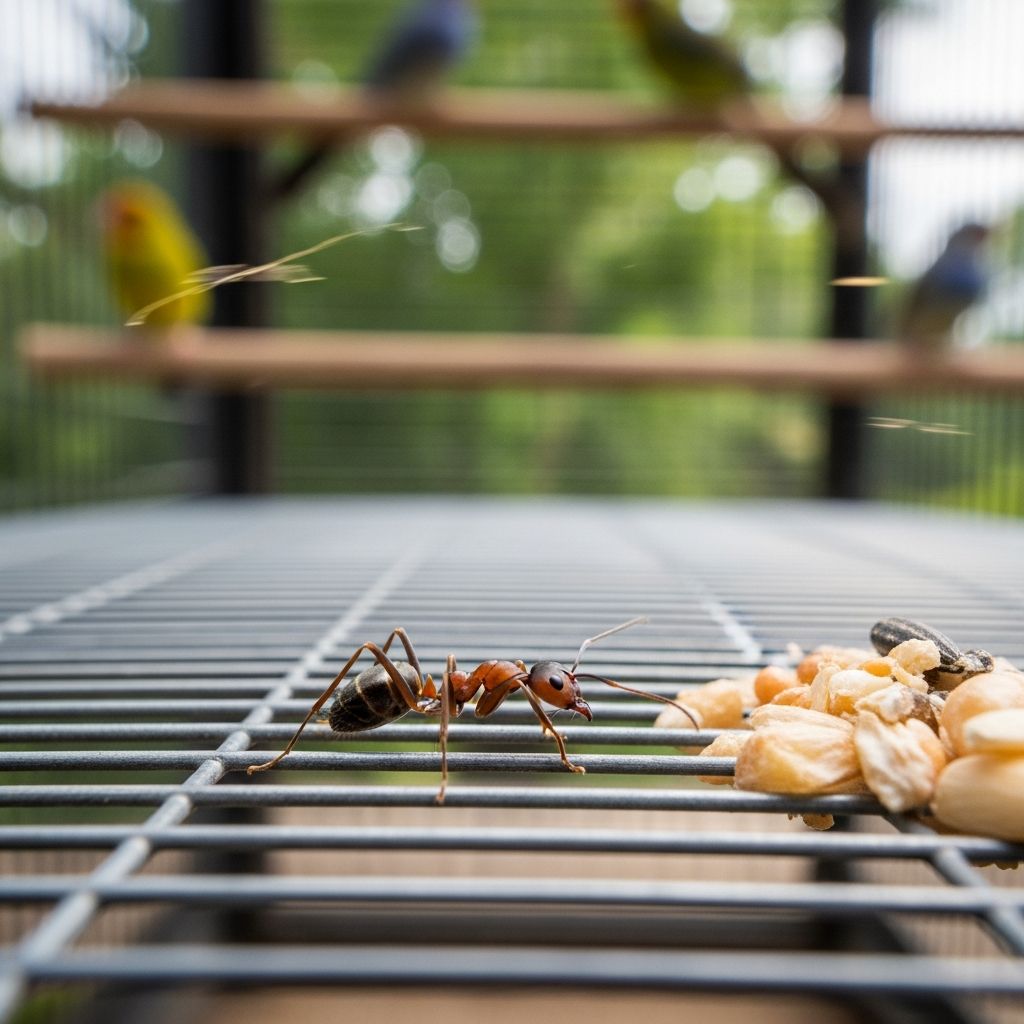
Ants are a common nuisance for bird owners, especially those with indoor cages or outdoor aviaries. These tiny insects are attracted to the food, seed debris, and even spilled water around bird habitats. While ants themselves are not typically dangerous to birds, their presence can be distressing, unsanitary, and may indicate underlying problems with food storage or hygiene. This article covers the most effective and bird-safe methods for preventing and eliminating ants from bird cages and aviaries.
Why Are Ants Attracted to Bird Cages and Aviaries?
Ants are opportunistic scavengers and are drawn to bird cages and aviaries for several reasons:
- Food sources: Birdseed, pellets, fruit, nectar, and spilled food attract ants.
- Moisture: Water dishes and spilled water provide hydration for ants.
- Shelter: Cages and aviaries may offer shelter from predators and the elements.
- Debris: Accumulated seed hulls, droppings, and other organic matter can attract ants.
Understanding these attractants is the first step in preventing ant infestations.
Safe and Natural Ant Deterrents
Many bird owners prefer to use natural and non-toxic methods to deter ants. These methods are safe for birds and effective when used correctly.
Powdered Barriers
Powdered substances can create a barrier that ants are reluctant to cross. Effective options include:
- Powdered charcoal
- Cleansers
- Cayenne pepper
- Diatomaceous earth
- Cinnamon
Apply a solid line no more than a quarter-inch wide around food stores and pet cages. Ants will avoid crossing these barriers due to the irritating nature of the powders.
Moat Method
Place honey jars, pet dishes, and other food containers in bowls of water to create a moat. Adding a drop or two of dish soap to the water increases its effectiveness by clogging the ants’ breathing pores and eliminating their scent trails.
Sticky Barriers
Wrap the legs of bird cages with double-sided masking tape, sticky side out. Ants will sense the stickiness and avoid crossing. This method is highly effective and safe for birds.
Essential Oils
Blended citrus peels in water or citrus and mint oils can kill ants on contact. These natural solutions are safe for birds when used in moderation and away from direct contact with the birds.
Sanitation and Hygiene
Good sanitation is crucial for preventing ant infestations. Follow these tips:
- Wipe up spills and clean countertops regularly.
- Store bird food in sealed containers.
- Remove dead insects and debris from windowsills and cage areas.
- Change cage lining frequently to prevent accumulation of seed hulls and droppings.
Destroying the Ant Nest
The most effective way to eliminate ants is to locate and destroy their nest. Follow these steps:
- Trace the ant trail back to its source.
- Locate the nest, which may be outdoors or in hidden areas of the home.
- Use a hose to flood the nest, forcing ants to the surface.
- Douse the exposed ants with soapy water or a solution of blended citrus peels and water.
Simply drowning ants in their nests is not effective, as their bodies are water-resistant. The goal is to force them out and then eliminate them.
Ant Baits and Traps
Ant baits are an effective way to target the entire colony, including the queen. Use baits that are attractive to ants (fats or sweets) laced with a slow-acting toxin. The ants will carry the bait back to the nest, sharing it with their nestmates.
Place baits in areas where ants are active but out of reach of birds. Common ingredients include borax mixed with sugar and water. Monitor the baits and replace as needed.
Environmental Modifications
Modify the environment around your bird cage or aviary to reduce ant traffic:
- Keep garbage cans away from the house.
- Plant peppermint and tansy, which are believed to repel ants.
- Trim back vegetation growing against buildings, especially ivy.
- Remove potential ant nesting sites, such as plant debris, firewood, or lumber, near the home or aviary.
Tree and Trunk Barriers
For outdoor aviaries or trees near bird habitats, use barriers to prevent ants from climbing:
- Prune trees so they only contact the ground at the base of the trunk.
- Wrap the trunk with double-sided masking tape.
- Paint a band of sticky substances like Stickem or Tanglefoot around the trunk.
- Use petroleum jelly as a barrier.
Check and reapply these barriers every few days, as ants may find ways to cross.
Chemical Control: What to Avoid
Avoid using insecticide sprays around bird cages and aviaries. These sprays can be harmful to birds and may contaminate bait stations. Sprays can also repel ants, causing them to relocate or divide into multiple colonies, making control more difficult.
FAQs
Are ants dangerous to birds?
Ants are not typically dangerous to birds, but their presence can be unsanitary and distressing. Large infestations may indicate underlying hygiene issues.
Can I use diatomaceous earth around my bird cage?
Yes, food-grade diatomaceous earth is safe for birds when used as a barrier. Avoid inhalation by birds and humans.
How often should I check and reapply ant barriers?
Check barriers every few days and reapply as needed, especially after rain or heavy use.
What should I do if ants are already in the bird cage?
Remove the birds temporarily, clean the cage thoroughly, and set up barriers and baits. Monitor for reinfestation.
Can I use essential oils around my birds?
Use essential oils in moderation and away from direct contact with birds. Some birds may be sensitive to strong scents.
Summary Table: Ant Prevention and Control Methods
| Method | Effectiveness | Bird Safety | Notes |
|---|---|---|---|
| Powdered Barriers | High | Safe | Use charcoal, cayenne, diatomaceous earth, cinnamon |
| Moat Method | High | Safe | Add dish soap to water |
| Sticky Barriers | High | Safe | Use double-sided tape |
| Essential Oils | Moderate | Use with caution | Avoid direct contact |
| Ant Baits | High | Safe if out of reach | Use slow-acting toxins |
| Sanitation | High | Safe | Regular cleaning and food storage |
| Environmental Modifications | Moderate | Safe | Trim vegetation, remove debris |
| Tree and Trunk Barriers | High | Safe | Use sticky substances or petroleum jelly |
| Chemical Sprays | Low | Not recommended | Avoid near birds |
References
- Ants In The Bird Cage Or Aviary — Chewy. 2023. https://www.chewy.com/education/bird/health-and-wellness/ants-in-the-bird-cage-or-aviary
- Simple DIY hack to keep your PARROT’S cage safe from ants!!! — YouTube. 2023. https://www.youtube.com/watch?v=fLQTEwc13A0
- Getting rid of ants! — Parrot Forum. 2023. https://www.parrotforums.com/threads/getting-rid-of-ants.9942/
Similar Articles








Read full bio of medha deb


