

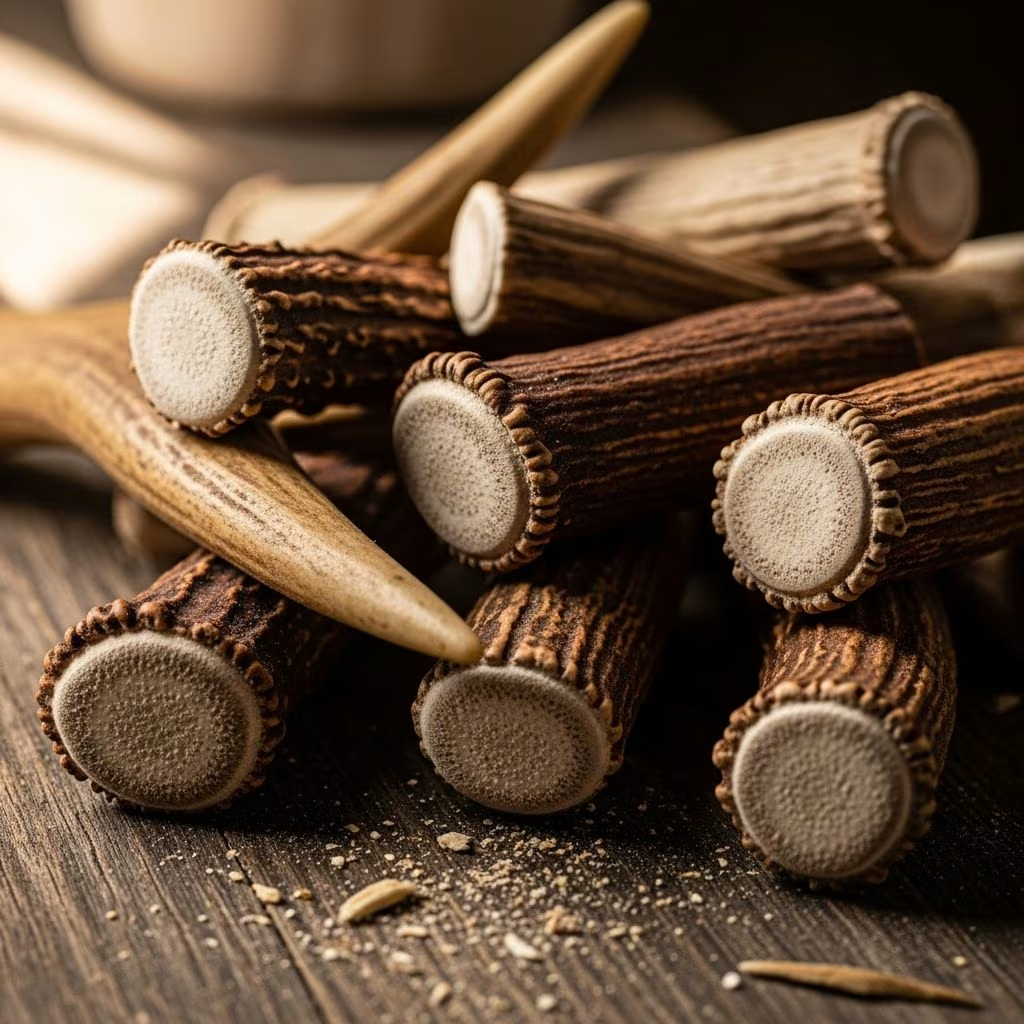
Antler dog chews have surged in popularity as a natural alternative to synthetic treats, promising long-lasting entertainment and dental benefits for dogs. Naturally shed from deer, elk, moose, and other cervids, these chews appeal to owners seeking eco-friendly options. However, their rock-like hardness sparks debate among vets and pet experts regarding safety. This guide examines the advantages, risks, types, selection criteria, and supervision strategies to help you decide if antlers suit your dog.
What Are Antler Dog Chews?
Antler dog chews consist of naturally shed antlers from animals like deer, elk, moose, and caribou, harvested annually without harming the animals. Unlike bones or rawhide, antlers regenerate yearly, making them sustainable. They come in whole beams, split halves, or tines (branches), sourced primarily from North America and New Zealand for quality control. Owners prize antlers for their durability—often lasting weeks or months—and mineral-rich composition, including calcium and phosphorus essential for bone health.
Processing involves cleaning, bleaching (optional for odor control), and cutting to size. Single-washed antlers retain natural marrow flavor, while double-boiled versions minimize bacteria. Their appeal lies in providing mental stimulation through prolonged gnawing, reducing destructive behaviors in bored dogs.
Benefits of Antler Chews for Dogs
Antler chews offer compelling upsides for canine health and owner convenience when used appropriately.
- Durable and Long-Lasting: Antlers withstand aggressive chewing far longer than nylon bones or bully sticks, potentially lasting 2-6 weeks depending on dog size and chew style, minimizing replacement costs.
- Nutritional Value: Rich in minerals like calcium, phosphorus, and trace elements, they support skeletal health without added sugars or preservatives found in commercial treats.
- Dental Health Support: Gnawing creates controlled abrasion that scrapes plaque and tartar, particularly on molars. Veterinary studies indicate dogs chewing hard materials 15-20 minutes daily experience 23% less tartar buildup.
- Eco-Friendly and Odorless: Sustainably sourced from shed antlers, they produce no mess or strong smells, ideal for indoor use.
- Mental Stimulation: The challenge satisfies natural chewing instincts, alleviating anxiety and preventing furniture destruction.
Risks and Dangers of Antler Chews
Despite benefits, antlers’ extreme hardness poses serious hazards, particularly for aggressive chewers. Veterinary professionals frequently caution against them due to documented injuries.
- Tooth Fractures: The most common issue—antlers can cause slab fractures in carnassial teeth (upper fourth premolars), exposing nerves and leading to abscesses requiring extraction or root canals. Aggressive chomping, rather than gnawing, heightens risk.
- Choking Hazard: As antlers wear down, small pieces can lodge in the throat or esophagus, causing blockages. Pointed tines exacerbate this.
- Gastrointestinal Obstruction: Swallowed shards may perforate intestines or cause deadly blockages, sometimes necessitating surgery.
- Gum Injuries: Sharp edges can lacerate mouths, leading to infections.
Deer antlers, denser and smaller than elk or moose, amplify risks due to easier breakage under pressure. Puppies and senior dogs with fragile teeth face elevated dangers.
Types of Antler Chews
Not all antlers equate in safety or suitability. Key varieties include:
| Type | Source Animal | Hardness | Best For | Risk Level |
|---|---|---|---|---|
| Whole Beam | Elk, Moose | Medium | Medium Chewers | Low-Moderate |
| Split Antler | Elk, Deer | Lower (exposes marrow) | All Dogs, Beginners | Lower |
| Tines | Any | High (pointed) | Light Chewers Only | High |
| Deer Antler | White-Tail, Mule | Very High | Avoid Most Dogs | Very High |
Split antlers suit novices by offering softer inner marrow, easing transition from softer chews. Elk antlers balance durability and relative softness, preferred by many vets over harder deer varieties.
How to Choose Safe Antler Chews
Selecting appropriately minimizes risks:
- Size Match: Choose antlers 4x thicker than your dog’s molars. Small for toys (3-4 inches), medium for 20-40lb dogs, large for giants.
- Source Quality: Opt for naturally shed, single-washed from reputable suppliers in New Zealand or USA to avoid contaminants.
- Avoid Deer: Prioritize softer elk/moose; skip small, dense deer antlers.
- Inspect Regularly: Discard if sharp edges form or size drops below 2 inches.
- Start Split: Ideal for first-timers to gauge chewing style.
Are Antlers Safe for Puppies?
Antler chews demand caution for puppies under 6-8 months, whose adult teeth are erupting and enamel developing. Weaker deciduous teeth risk fractures, and rapid jaw growth heightens injury odds. Wait until 8-12 months, starting with split, small elk pieces under supervision. Consult vets for breed-specific advice.
Safe Chewing Guidelines and Supervision
Maximize safety through protocols:
- Observe Always: Supervise initial sessions; remove if chomping aggressively instead of gnawing.
- Limit Time: 15-30 minutes daily to prevent overuse injuries.
- No Games:
- Monitor Teeth: Check mouth weekly for cracks, swelling, or reluctance to chew.
- Alternate Chews: Rotate with rubber toys, frozen carrots for variety and rest periods.
Never use for tug-of-war or fetch—impact multiplies fracture risk.
Pro Tip: Film chewing sessions to assess style—calm gnawers thrive; power biters need softer options.
Alternatives to Antler Chews
For risk-averse owners, safer dental aids exist:
- Rubber Chew Toys: Kongs, Nylabones (soft varieties) for aggressive chewers.
- Dental Chews: VOHC-approved like Greenies for plaque control without hardness risks.
- Natural Softer Options: Himalayan yak chews, sweet potato chews.
- Brushing Regimen: Daily dog toothpaste and finger brush—gold standard per vets.
Expert Opinions: What Vets Say
Vets diverge: Some endorse supervised use for moderate chewers citing dental perks; others ban antlers outright due to fracture prevalence. The AKC notes all hard chews carry risks, urging professional input. Consensus: Match to individual dog, prioritize prevention over cure—dental repairs cost $500-$2000+.
Frequently Asked Questions (FAQs)
Are antler dog chews safe?
They can be with proper selection, sizing, and supervision, but risks like tooth fractures make them unsuitable for aggressive chewers.
Can puppies have antler chews?
Generally no until 8+ months; start with split varieties under vet guidance.
Deer vs. elk antlers—which is safer?
Elk antlers are softer and larger, reducing breakage risk compared to dense deer antlers.
How long do antler chews last?
2-8 weeks based on dog size and chew intensity.
Do antlers clean dogs’ teeth?
Yes, via abrasion reducing tartar by up to 23%, but risks may outweigh benefits.
References
- Are Antler Dog Chews Safe — Blue Paws Pets. 2023. https://bluepawspets.com/blogs/blue-paws-pets/are-antler-dog-chews-safe
- Antlers: All-Natural Dog Chews Benefits and Risks — One Woof Club. 2023. https://onewoofclub.com/blogs/academy/antlers-all-natural-dog-chews-benefits-and-risks
- Are Antlers Safe for Dogs? 3 Reasons to “Chews” No — ToeGrips. 2023. https://toegrips.com/are-antlers-good-for-dogs-to-chew-on/
- Antler Dog Chews: 5 Safety Tips Every Owner Needs — Devil Dog Pet Co. 2023. https://devildogpetco.com/blogs/the-devil-dog-blog/antler-dog-chews
- Are Antlers for Dogs Safe? — American Kennel Club (AKC). 2023-10-20. https://www.akc.org/expert-advice/health/are-antlers-for-dogs-safe/



