

Understanding Cellular Damage and Free Radicals in Pets
Every day, your pet’s body undergoes countless biological processes that generate byproducts known as free radicals. These unstable molecules damage cells, tissues, and DNA when they accumulate in excessive quantities, a condition called oxidative stress. While your dog or cat possesses natural internal defenses to manage free radicals, environmental factors, aging, and metabolic activity can overwhelm these protective systems. This is where targeted nutritional support becomes essential for maintaining optimal health.
Understanding the relationship between free radical damage and overall wellness is crucial for pet owners who want to provide comprehensive care. Unlike acute health issues that manifest suddenly, oxidative stress typically develops gradually, affecting cellular function at the molecular level. By the time visible symptoms appear, significant cellular damage may have already occurred.
What Are Protective Antioxidant Compounds?
Antioxidants are not specific foods or single ingredients but rather a chemical property present in various nutrients that neutralize and stabilize free radicals. These compounds work by donating electrons to unstable molecules, preventing them from damaging healthy cells. The most beneficial antioxidants for companion animals include vitamins, minerals, and phytonutrients derived from plant-based sources.
The body’s antioxidant defense system operates most effectively when multiple protective compounds work together synergistically. Research demonstrates that a carefully balanced combination of these nutrients provides superior protection compared to single agents alone. Pet food formulations developed by veterinary nutritionists and food scientists account for these interactions, ensuring that the ratios and amounts of each antioxidant complement one another.
Key Antioxidant Nutrients and Their Specific Functions
Vitamin E: The Cellular Membrane Guardian
Vitamin E serves multiple protective roles within your pet’s body. As a fat-soluble antioxidant, it stabilizes cellular lipid membranes and prevents the oxidation of fatty acids. This vitamin also regulates gene expression and maintains the structural integrity of cell walls. Dietary supplementation with vitamin E has been shown to reduce plasma alkenes, an indicator of lipid peroxidation resulting from oxidative reactions. Additionally, vitamin E supports immune function by enhancing T-cell activation, helping your pet’s immune system recognize and neutralize pathogens more effectively.
Vitamin C: The Water-Soluble Protector and Regenerator
Unlike humans, dogs and cats have limited capacity to synthesize vitamin C internally, making dietary sources particularly important. As a water-soluble antioxidant, vitamin C operates in the aqueous portions of cells and blood plasma, where it serves as the primary hydrophilic antioxidant. Beyond its direct protective properties, vitamin C plays a critical role in restoring vitamin E to its active form after it has been oxidized, essentially extending the working life of this fat-soluble antioxidant. This complementary relationship illustrates why multiple antioxidants work more effectively together.
Beta-Carotene: The Immune-Boosting Pigment
Beta-carotene, the compound responsible for the orange and yellow coloration in many fruits and vegetables, functions as both an antioxidant and a vitamin A precursor. When your pet consumes beta-carotene, the body converts it to vitamin A as needed, providing dual benefits. As an antioxidant, beta-carotene works synergistically with vitamin E to scavenge free radicals. The conversion to vitamin A offers additional benefits, including improved vision, healthier skin and coat, and enhanced immune response through increased antibody production.
Selenium: The Enzyme Cofactor
Selenium functions as a cofactor for glutathione peroxidase and other selenoproteins essential for antioxidant defense. While required in small amounts, this mineral significantly enhances the activity of vitamin E and helps prevent cellular damage. Selenium works within your pet’s natural antioxidant defense system, supporting the body’s ability to neutralize oxidative stress from within.
How Antioxidants Protect Organ Systems Across Life Stages
Puppies and Kittens: Building Strong Immune Foundations
Young animals experience rapid growth and development, creating higher metabolic demands and increased free radical production. Antioxidant supplementation during this critical period supports the development of a robust immune system. Research shows that kittens receiving supplemental antioxidants including taurine, vitamin E, vitamin C, lutein, beta-carotene, and lycopene demonstrated stronger humoral immune response, indicating more effective antibody production and disease protection.
Adult Pets: Maintaining Optimal Function
During the prime adult years, antioxidant-balanced nutrition maintains cellular health and supports sustained immune function. For healthy adults eating complete and balanced diets formulated with appropriate antioxidant levels, additional supplementation typically isn’t necessary. However, specific health conditions or lifestyle factors may warrant enhanced antioxidant support.
Senior Pets: Combating Age-Related Decline
As pets age, a phenomenon called immuno-senescence occurs, where the immune system’s capacity naturally declines compared to younger animals. Simultaneously, cellular damage accumulates over time, and the body’s natural antioxidant production decreases. Enhanced antioxidant nutrition becomes particularly valuable for senior animals. Studies demonstrate that beta-carotene supplementation significantly restores immune responses in older dogs, bringing them closer to the levels observed in younger counterparts. Similarly, increased vitamin E supplementation helps maintain immune function in aging cats at levels comparable to their younger peers.
Beyond immune support, antioxidants slow cognitive decline in geriatric pets. Research shows that dogs receiving combinations of dietary antioxidants retained learned behaviors better than control groups, suggesting protection against age-related cognitive function decline.
Natural Food Sources Rich in Protective Compounds
Whole food ingredients provide concentrated sources of naturally occurring antioxidants. Pet food manufacturers increasingly incorporate these ingredients to enhance the antioxidant profile without relying solely on isolated nutrients:
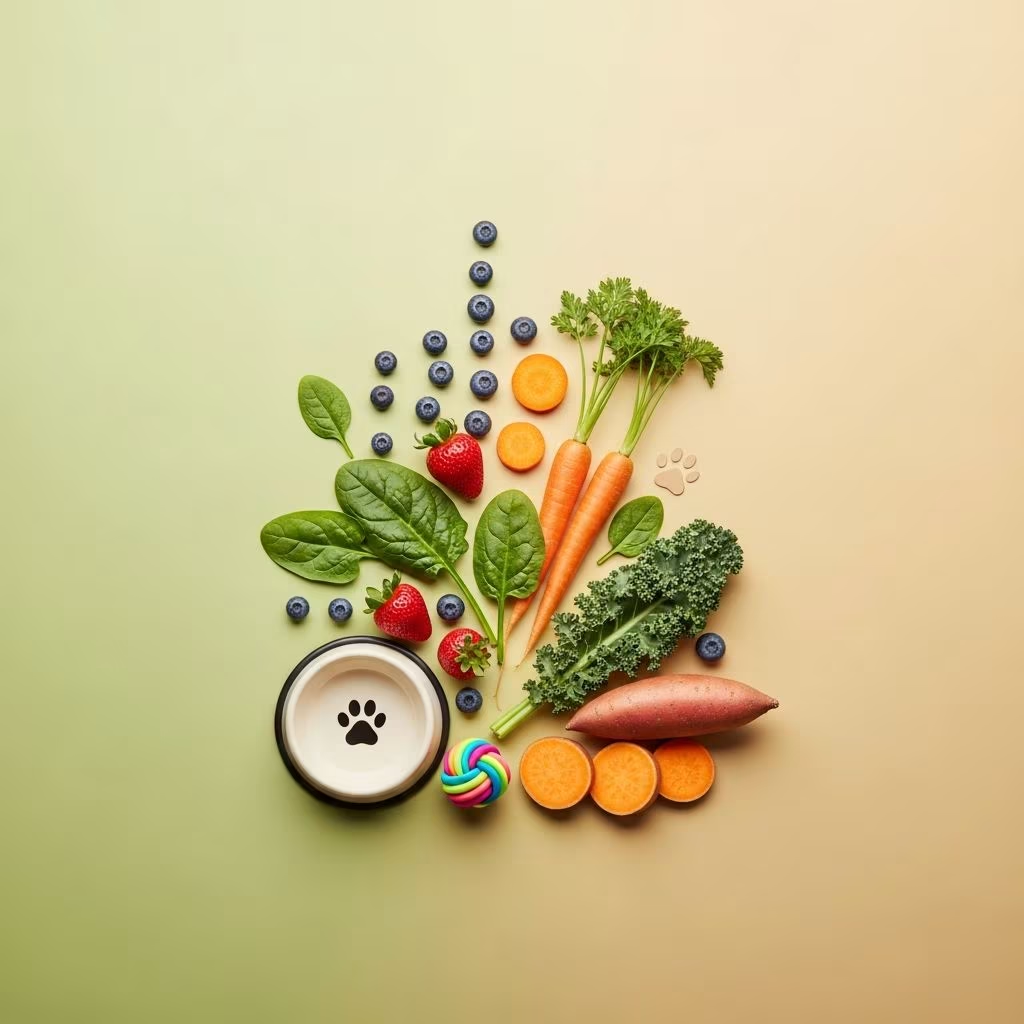
- Berries: Exceptionally high in flavonoids and polyphenols, berries demonstrate high oxygen radical absorbance capacity (ORAC) values. Studies indicate that berry consumption can improve memory function in dogs.
- Carrots and Root Vegetables: Rich in carotenoids (red, yellow, and orange pigments), these vegetables provide natural beta-carotene and support immune responses.
- Leafy Greens: Contain various antioxidant compounds and minerals that support overall cellular protection.
- Whole Grains: Provide selenium, vitamin E, and various phytochemicals with antioxidant properties.
- Apples: Contain quercetin and other polyphenols that contribute to antioxidant capacity.
- Broccoli: Contains sulforaphane and other compounds with protective properties.
The Science Behind Synergistic Antioxidant Combinations
Research consistently demonstrates that combined antioxidant formulations outperform single agents. One notable study found that dogs receiving a comprehensive cocktail of vitamin C, vitamin E, taurine, lutein, lycopene, and beta-carotene showed improved total antioxidant activity, significant reductions in both endogenous and exogenous DNA damage, and enhanced immunological performance. This synergistic effect occurs because different antioxidants protect different cellular compartments and work through complementary mechanisms.
Another key finding involves the regenerative cycle between vitamin C and vitamin E. When vitamin E neutralizes a free radical, it becomes oxidized and temporarily loses its protective capacity. Vitamin C restores vitamin E to its active form, allowing it to continue protecting cells. This recycling mechanism demonstrates why balanced combinations matter more than excessive quantities of single nutrients.
Identifying Complete and Balanced Antioxidant Nutrition
Pet food manufacturers formulate products with specific antioxidant levels established through rigorous scientific research. When selecting food for your pet, look for clear labeling of key antioxidant ingredients. Pet food regulations require manufacturers to list antioxidants and their common names on packaging.
The optimal approach involves feeding your pet complete and balanced nutrition formulated for their specific life stage. Veterinary nutritionists and food scientists have optimized the ratios, amounts, and combinations of antioxidants needed for different ages and activity levels. This eliminates guesswork and ensures your pet receives appropriate protection without nutrient imbalances.
Special Considerations for Health Conditions
While healthy pets on complete and balanced diets receive adequate antioxidant support, certain health conditions may increase antioxidant requirements. Pets with liver disease, for example, may benefit from targeted antioxidant support to enhance their endogenous antioxidant systems. Senior pets with arthritis might benefit from antioxidants like turmeric and omega-3 fatty acids combined with other protective compounds such as CoQ10. Pets recovering from illness may require immune-boosting antioxidants like mushroom extracts and enhanced vitamin C.
Assessing your individual pet’s needs requires consulting with your veterinarian or veterinary nutritionist. They can recommend specific nutritional approaches based on your pet’s age, health status, activity level, and any existing conditions.
Common Questions About Pet Antioxidants
Can pets receive too many antioxidants?
Balance is essential in antioxidant nutrition. Some antioxidants can pose harm in excessive amounts, and certain combinations require specific ratios to be effective. This is why feeding complete and balanced commercial diets formulated by professionals is safer than attempting individual supplementation without guidance.
How can I tell if my pet’s food contains adequate antioxidants?
Check the ingredient list for specific antioxidant sources such as vitamin E, vitamin C, beta-carotene, selenium, and whole food ingredients like berries and carrots. Consult your veterinarian for recommendations tailored to your pet’s needs.
Are antioxidant supplements necessary for healthy adult pets?
Healthy adult dogs and cats consuming complete and balanced diets typically receive sufficient antioxidants from their food. Supplementation becomes more relevant for senior pets, those with specific health conditions, or animals facing particular stressors.
Which antioxidants are most important for senior pets?
Vitamin E for immune support and cognitive function, beta-carotene for immune restoration, vitamin C for cellular protection, and selenium for enzyme function are particularly beneficial for aging animals. Combinations of these nutrients typically provide superior benefits compared to single agents.
Integrating Antioxidant Nutrition Into Comprehensive Pet Care
Providing antioxidant-rich nutrition represents one component of holistic pet health management. Optimal results occur when proper nutrition combines with regular exercise and consistent veterinary care. Exercise stimulates circulation and supports cellular function, while veterinary monitoring detects emerging health issues early.
The simplest approach to ensuring your pet receives appropriate antioxidant support involves selecting high-quality, complete and balanced commercial pet food formulated for your pet’s life stage. Your veterinarian can provide specific recommendations based on your individual pet’s circumstances, ensuring that nutritional choices align with their unique health profile and life stage requirements.
By understanding the protective role of antioxidants and ensuring your pet receives balanced amounts through appropriate nutrition, you provide a foundational layer of health support that extends throughout their lifetime. This proactive nutritional approach, combined with regular veterinary care and adequate exercise, contributes significantly to your pet’s long-term wellness and vitality.
References
- Benefits of Antioxidants for Dogs and Cats — Hill’s Pet Nutrition. https://www.hillspet.com/pet-care/nutrition-feeding/benefits-of-antioxidants-for-dogs-cats
- A lifetime of nutritional support with antioxidants — DSM-Firmenich. 2019-04-25. https://www.dsm-firmenich.com/anh/news/press-releases/2019/25-04-lifetime-nutritional-support.html
- How Antioxidants Improve Our Pet’s Health, Too — PetMD. https://www.petmd.com/dog/nutrition/evr_multi_plusses_of_antioxidants_in_pet_food
- Antioxidants — Vetdiet. https://vetdiet.com/en/blogs/vetdiet-academy/antioxidants
- Use of antioxidants in companion animal disorders — Vet Times. 2015-11-23. https://www.vettimes.com/news/vets/small-animal-vets/use-of-antioxidants-in-companion-animal-disorders



