

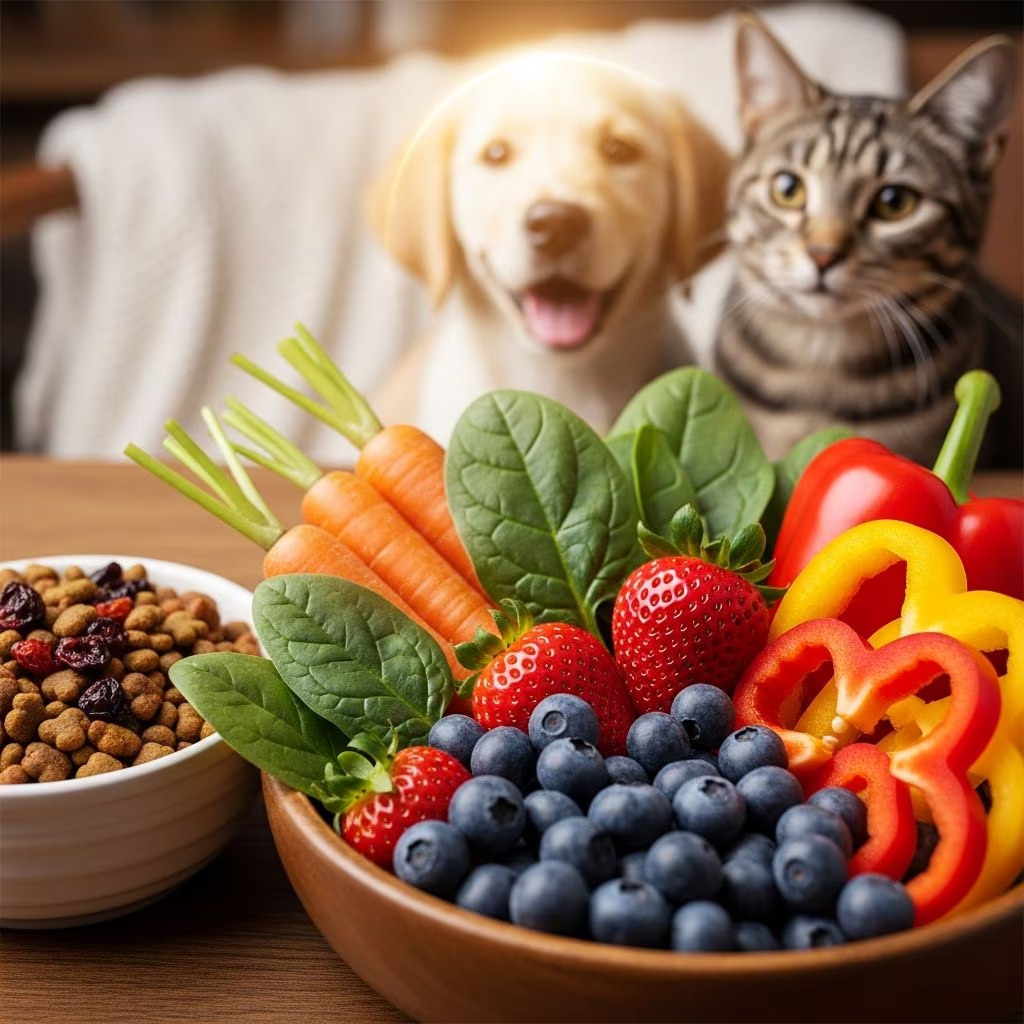
Understanding Antioxidants for Pets
Antioxidants are dietary supplements designed to protect your pet’s cells against damage caused by reactive compounds, such as free radicals or hydrogen peroxide. These harmful reactive compounds are naturally produced as a by-product of inflammation within the body. When inflammation becomes chronic, your pet’s body may become depleted of natural antioxidants, making supplementation necessary to maintain optimal health.
When reactive compounds accumulate excessively within cells, they can lead to serious health consequences, including DNA damage and potentially cancer development. This is why antioxidants play a crucial role in supporting your pet’s long-term wellness. Antioxidants are beneficial for a wide variety of animals, including cats, dogs, birds, guinea pigs, rabbits, and many other species.
What Are Antioxidants Made Of?
Antioxidants are available in multiple forms and formulations. The composition of antioxidant supplements may include vitamins, minerals, amino acids, herbs, botanicals, enzymes, or other nutraceuticals. Common examples include vitamin C, vitamin E, selenium, and glutathione peroxidase. Each of these components works through different mechanisms to neutralize free radicals and protect cellular health.
It is important to understand that while many antioxidant supplements are sold over the counter, they contain ingredients with biological effects that require proper veterinary oversight. Your veterinarian has the expertise to determine which antioxidants are appropriate for your pet’s specific health condition and to establish proper dosing protocols. Always follow your veterinarian’s directions and cautions carefully, as they may differ significantly from those printed on the product label.
Regulatory Considerations for Pet Supplements
The FDA requires that non-pharmaceutical supplements bear a disclaimer stating, “This product is not intended to diagnose, treat, cure or prevent any disease.” This important disclaimer reflects the regulatory status of these products. In Canada, Health Canada licenses “veterinary health products” after reviewing safety, efficacy, and manufacturing information provided by manufacturers, though these products are not tested by Health Canada itself.
Your veterinarian remains the best source of information regarding the safety and efficacy of non-drug health products for your pet. It is crucial to remember that just because a product is natural does not guarantee its safety. All medicines and medicinal plants are potentially toxic if used inappropriately or given at high doses. Additionally, supplements can produce side effects similar to pharmaceuticals, and very few supplements and herbs have undergone rigorous scientific trials to establish their effectiveness.
Administration Methods and Guidelines
Antioxidant supplements are available in several convenient forms to suit different pet needs and preferences:
- Liquid formulations
- Tablets
- Capsules
- Injectable forms administered by veterinarians in a hospital setting
Antioxidants administered at home are given orally, meaning by mouth. Oral forms may be administered with or without food, depending on the specific product and your veterinarian’s recommendations. When measuring liquid doses, accuracy is essential to ensure your pet receives the correct amount.
Special care must be taken with fat-soluble vitamins like vitamin A. These vitamins must be dosed very carefully, as high doses can be toxic to your pet. Always follow your veterinarian’s specific instructions regarding administration and continue giving the supplement for the entire duration prescribed, even if your pet appears to be feeling better. Most antioxidants take effect within a few hours to a few days, though visible improvements may not be immediately noticeable.
Missed Doses and Dosing Schedule
If you miss administering a scheduled dose, give it as soon as you remember. However, if it is almost time for your pet’s next scheduled dose, skip the missed dose and resume the regular dosing schedule. Never give your pet two doses at once to compensate for a missed dose, as this could result in excessive supplementation and potential adverse effects.
Potential Side Effects
While antioxidants are generally well-tolerated, some pets may experience mild side effects. The most common mild side effect is gastrointestinal upset. However, serious adverse reactions can occur in some animals.
If any of the following serious signs develop, stop giving antioxidants immediately and contact your veterinarian:
- Allergic reactions manifesting as irregular breathing
- Rash or skin reactions
- Fever
- Puffiness and swelling around the face and mouth area
Drug sensitivities can develop over time with repeated exposure. Your pet may have no reaction after the first few doses but may develop a sensitivity during the course of treatment. This is why it is important to monitor your pet carefully for signs of allergic reactions throughout the entire treatment period.
Other side effects may also occur beyond those listed here. If you notice anything unusual in your pet’s behavior or physical condition while administering antioxidants, contact your veterinarian immediately. Short-acting antioxidants should generally stop working within 1-2 days, although effects may persist longer in pets with liver and kidney disease, depending on the type of antioxidant given.
Risk Factors and Contraindications
Do NOT use antioxidants in:
- Pets that are allergic to any component of the supplement
Use with caution in:
- Pets that are pregnant
If your pet falls into any of these categories, consult with your veterinarian before starting antioxidant supplementation.
Drug Interactions and Medication Compatibility
There are no known general antioxidant drug interactions reported. However, it is essential to always follow your veterinarian’s instructions and carefully read the supplement label for any known drug interactions specific to your chosen product.
Vitamins, herbal therapies, and supplements have the potential to interact with each other as well as with prescription and over-the-counter medications. Before starting any new antioxidant treatment, be sure to tell your veterinarian about all medications your pet is currently taking, including all vitamins, supplements, or herbal therapies. This comprehensive disclosure allows your veterinarian to make informed recommendations and prevent potentially harmful interactions.
Monitoring Your Pet on Antioxidants
Your veterinarian will determine when and how they want to reassess your pet to ensure the supplement is working effectively and not causing any unwanted side effects. At home, you should monitor your pet for any abnormal changes in behavior, appetite, digestion, or physical appearance. If any concerning changes occur, discontinue the medication and contact your veterinarian promptly.
Proper Storage of Antioxidant Supplements
Proper storage ensures your antioxidant supplements maintain their effectiveness:
- Store medication in a cool, dry location away from heat and moisture
- Follow the manufacturer’s recommended storage directions on the product label
- Keep the container out of reach of children and pets to prevent accidental ingestion
Antioxidants and Pet Health Support
Antioxidants play an important role in supporting pet health, particularly for aging animals. Vitamins C and E are potent antioxidants that support immune function and cognitive health—two areas where aging pets benefit significantly from additional support. For working and service dogs, antioxidants combined with other key nutrients like DHA help support brain health and development, contributing to optimal performance throughout their working lives.
Frequently Asked Questions About Pet Antioxidants
Q: Are antioxidants safe for all pets?
A: Antioxidants can be used in various animals including cats, dogs, birds, guinea pigs, and rabbits. However, they should not be used in pets allergic to any component and should be used cautiously in pregnant pets. Always consult your veterinarian before starting any supplement.
Q: How long does it take for antioxidants to work?
A: Antioxidants should take effect within a few hours to a few days, though visible improvements may not be immediately noticeable. The timeline depends on your pet’s condition and the type of antioxidant being used.
Q: Can antioxidants interact with my pet’s medications?
A: While there are no known general antioxidant drug interactions, vitamins and supplements can potentially interact with each other and with prescription medications. Always inform your veterinarian about all medications and supplements your pet is taking.
Q: What should I do if my pet misses a dose?
A: Give the dose as soon as you remember. If it is almost time for the next scheduled dose, skip the missed dose and resume the regular schedule. Never give two doses at once.
Q: Are there serious side effects I should watch for?
A: Most pets experience only mild gastrointestinal upset. However, stop the supplement immediately and contact your veterinarian if your pet shows signs of allergic reaction, including irregular breathing, rash, fever, or swelling around the face.
Q: Is it safe to just buy antioxidants over the counter?
A: While many antioxidants are available over the counter, they contain ingredients with biological effects that should be managed by your veterinarian. Professional guidance ensures safe and effective supplementation for your pet’s specific needs.
Working With Your Veterinarian
Your veterinarian is your best resource when considering antioxidant supplementation for your pet. They can assess your pet’s individual health status, recommend appropriate antioxidants, establish proper dosing, monitor for effectiveness and side effects, and adjust treatment as needed. Do not hesitate to ask your veterinarian questions about antioxidants and discuss any concerns about your pet’s specific health situation. Professional veterinary guidance ensures your pet receives safe, appropriate, and effective antioxidant therapy tailored to their unique needs.
References
- Antioxidants for Pets — VCA Animal Hospitals. 2025. https://vcahospitals.com/know-your-pet/antioxidants
- Senior Dog Care: How Multivitamins Can Support Healthy Aging — Vetericyn. 2025. https://vetericyn.com/blogs/vetericyn/senior-dog-vitamins
- Nutrition and Your Dog’s Skin and Haircoat — VCA Animal Hospitals. 2025. https://vcahospitals.com/know-your-pet/nutrition-skin-and-dogs
- Selecting Supplements for Your Pet — VCA Animal Hospitals. 2025. https://vcahospitals.com/know-your-pet/supplements—selecting-supplements-for-your-pet



