
Antioxidants for Dogs: Science-Backed Benefits
How dietary antioxidants strengthen your dog's immunity and longevity
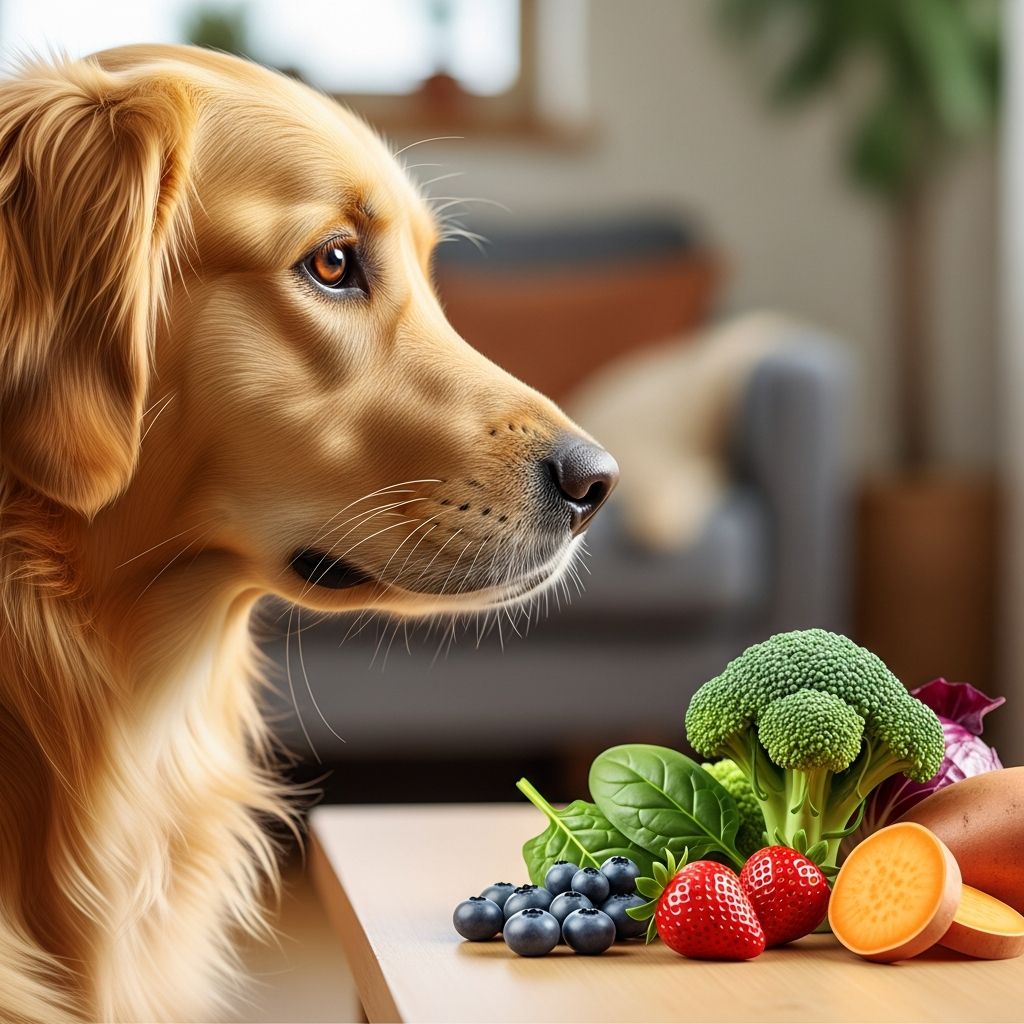
Just as antioxidants play a vital role in human health, they are equally important for maintaining the well-being of our canine companions. Oxidative stress—a condition caused by an imbalance between free radicals and the body’s ability to neutralize them—affects dogs throughout their lives and can accelerate aging, compromise immune function, and contribute to various health challenges. Understanding how antioxidants work and their specific benefits for dogs empowers pet owners to make informed dietary choices that support their dog’s longevity and quality of life.
Understanding Free Radicals and Oxidative Stress in Dogs
Free radicals are unstable molecules that form naturally during metabolic processes, immune responses, and environmental exposure. These molecules can damage cells, tissues, and DNA by stealing electrons from healthy cells, creating a cascade of cellular damage known as oxidative stress. In dogs, oxidative stress contributes to aging, immune dysfunction, and the development of chronic diseases. When a dog’s body cannot adequately defend itself against free radical accumulation, cellular deterioration accelerates, affecting everything from the immune system to cognitive function.
The body possesses natural antioxidant defenses that provide baseline protection against free radicals. However, these innate defenses are not always sufficient, particularly as dogs age or face environmental stressors. This is where dietary antioxidants become essential. By supplementing a dog’s diet with specific antioxidant compounds, pet owners can enhance their dog’s ability to combat oxidative damage and maintain cellular integrity.
The Cellular Protection Mechanism
Antioxidants work through a unique biological mechanism that sets them apart from other nutrients. Unlike free radicals, which damage cells by extracting electrons, antioxidants can donate electrons to free radicals without becoming unstable themselves. This ability to neutralize harmful molecules without creating new free radicals breaks the destructive cycle of molecular and cellular damage. Different antioxidants employ slightly different strategies to achieve this protection, making a diverse antioxidant diet particularly beneficial.
Research has demonstrated that dogs receiving a combination of dietary antioxidants experience measurable improvements in cellular protection. One comprehensive study measured DNA damage using the Comet assay, a sophisticated technique that evaluates the structural integrity of cell nuclei. Dogs fed diets enriched with antioxidants showed increased retention of DNA in cell nuclei, indicating enhanced protection against genetic damage. This finding is significant because DNA damage is a fundamental mechanism of aging and disease development.
Key Antioxidants and Their Specific Functions
The most effective antioxidants for canine health include vitamin E, vitamin C, beta-carotene, and selenium. Each plays a distinct role in protecting your dog’s health:
- Vitamin E neutralizes free radicals directly, protecting cell membranes from oxidative damage. This fat-soluble vitamin is particularly important for maintaining the integrity of lipid-based cellular structures.
- Vitamin C inactivates free radicals and serves a secondary function by regenerating vitamin E, restoring its antioxidant activity and extending the protective benefits of both compounds.
- Beta-carotene works synergistically with vitamin E to scavenge free radicals in various tissues throughout the body. This compound also converts to vitamin A, supporting vision and immune function.
- Selenium prevents cellular damage and enhances the effectiveness of vitamin E, acting as a cofactor that amplifies antioxidant defense mechanisms.
Immune System Enhancement Through Antioxidant Supplementation
One of the most compelling benefits of dietary antioxidants is their profound effect on immune system function. The immune system relies on cellular integrity to mount effective responses to pathogens and environmental challenges. When oxidative stress compromises immune cells, the entire immune response weakens.
Clinical research has confirmed that dogs fed an antioxidant blend containing vitamin E, vitamin C, and beta-carotene demonstrate enhanced immune cell protection and improved immune response. In one landmark study, dogs receiving antioxidant-supplemented diets showed significantly improved immune responses to vaccination compared to control groups, and they also exhibited less evidence of DNA damage both from internal and external sources.
This immune enhancement is particularly valuable for young dogs approaching vaccination schedules. Antioxidants support the development of robust immune responses by maintaining cellular stability in immune tissues, potentially improving vaccine effectiveness and reducing vaccine-related side effects.
Cognitive Function and Brain Health in Aging Dogs
Oxidative damage to the brain accelerates cognitive decline in aging dogs, affecting learning, memory, and behavioral responses. Research has revealed a striking connection between antioxidant intake and cognitive performance in senior dogs. Studies found that older dogs provided with an antioxidant-enriched diet were able to learn and retain complex tasks with significantly greater success than those on standard control diets. Researchers attributed this cognitive advantage to reduced oxidative damage in brain tissue, suggesting that antioxidants help preserve neurological function as dogs age.
This finding has profound implications for pet owners with senior dogs. By maintaining adequate antioxidant levels throughout a dog’s life, particularly in later years, owners may help preserve their dog’s mental sharpness and behavioral responsiveness, enhancing quality of life in the golden years.
Reduction of DNA Damage and Improved Antioxidant Status
Advanced laboratory measurements provide concrete evidence of antioxidant effectiveness. Researchers measure total antioxidant power (TAP) and markers of DNA oxidation such as 8-hydroxy-2′-deoxyguanosine to assess the protective effects of dietary antioxidants. Studies demonstrate that as dietary vitamin E supplementation increased, dogs showed decreased levels of oxidative DNA damage and improved total antioxidant power.
The relationship between supplementation level and protective benefit follows a specific pattern. In dogs, total antioxidant power showed optimal responses at approximately 500 IU of vitamin E per kilogram of food, while DNA protection continued to improve throughout the tested supplementation range. This indicates that there is an optimal range for antioxidant supplementation—more is not necessarily better, and balance is crucial for maximum benefit.
Long-Term Health Outcomes and Disease Prevention
Beyond immediate cellular protection, antioxidant supplementation may help prevent or manage various chronic health conditions. Studies indicate that antioxidants can enhance cardiac health by protecting against circulatory system damage, potentially bolster the body’s natural defenses against cancer development, and support liver function in dogs with liver disease.
Dogs experiencing allergy or coat and skin problems may also benefit from antioxidant supplementation, as these conditions often involve inflammatory and oxidative processes. Additionally, specific antioxidants like lutein and zeaxanthin support vision and may help prevent age-related decline in visual acuity.
Optimizing Antioxidant Intake for Your Dog
While antioxidants offer substantial benefits, achieving optimal intake requires understanding proper supplementation. Research suggests that vitamin E supplementation is most effective at approximately 1,000 IU per kilogram of food for maximizing circulating vitamin E concentrations. However, this is a general guideline, and individual dogs may have varying needs based on age, health status, and activity level.
A balanced approach involving multiple antioxidant sources appears more effective than relying on a single compound. Diets enriched with a combination of vitamin E, vitamin C, and beta-carotene demonstrated superior results compared to single-antioxidant approaches in research studies. This synergistic effect means that the compounds work together more effectively than individually, providing broader protection across different tissue types and cellular systems.
Dietary Sources and Supplementation Strategies
Quality commercial dog foods increasingly incorporate antioxidant blends into their formulations. When evaluating dog food labels, pet owners should look for specific mention of vitamin E, vitamin C, beta-carotene, and selenium. The order of ingredients and stated concentrations provide insight into whether antioxidants are meaningfully included or merely listed as marketing language.
For dogs requiring additional antioxidant support—such as aging dogs, those with specific health conditions, or highly active animals—targeted supplementation may be recommended by a veterinarian. Supplements should be sourced from reputable manufacturers and should complement, not replace, a balanced diet.
Antioxidant Effects Across Different Dog Life Stages
| Life Stage | Primary Benefits | Key Focus Areas |
|---|---|---|
| Puppies & Young Dogs | Enhanced immune response, vaccine effectiveness | Supporting immune development, cellular protection |
| Adult Dogs | Maintained immune function, coat quality, general vitality | Oxidative stress management, disease prevention |
| Senior Dogs | Cognitive preservation, organ function, mobility support | Brain health, reduced inflammation, cellular aging |
Frequently Asked Questions About Canine Antioxidants
Can dogs produce their own antioxidants?
Dogs have natural antioxidant defense systems that produce endogenous antioxidants. However, these internal defenses are often insufficient to manage all oxidative stress, particularly as dogs age or face environmental challenges. Dietary antioxidants supplement and enhance these natural defenses.
Are antioxidants safe for all dogs?
Antioxidants derived from whole food sources are generally safe for all dogs when provided at appropriate levels. However, dogs with specific health conditions should have antioxidant supplementation discussed with their veterinarian, as individual needs vary.
How quickly do antioxidants show effects?
While some markers of antioxidant status improve relatively quickly, comprehensive cellular protection develops over several weeks. Most research studies evaluated effects over 8-12 weeks of consistent supplementation, suggesting this as a reasonable timeframe to observe benefits.
Can too many antioxidants be harmful?
While antioxidants are beneficial, excessive supplementation does not necessarily provide additional benefits and may create imbalances. Optimal supplementation follows dose-response curves where maximum benefit occurs at specific levels rather than increasing indefinitely.
Conclusion: Making Informed Nutritional Choices
Antioxidants represent a scientifically validated approach to supporting canine health across all life stages. From enhancing immune function and protecting cellular DNA to preserving cognitive abilities in senior dogs, the evidence for antioxidant benefits is substantial and growing. By ensuring that your dog’s diet includes balanced levels of key antioxidants—particularly vitamin E, vitamin C, beta-carotene, and selenium—you provide your companion with tools to combat oxidative stress and maintain cellular integrity throughout their life.
Pet owners seeking to optimize their dog’s nutrition should look for quality commercial foods that meaningfully incorporate antioxidant blends rather than merely listing them as minor ingredients. Consulting with a veterinarian about your individual dog’s antioxidant needs ensures that supplementation aligns with their specific health profile and life stage, maximizing benefits while avoiding unnecessary excess.
References
- Effect of dietary antioxidants on free radical damage in dogs and cats — National Center for Biotechnology Information (NCBI/PMC). 2024. https://pmc.ncbi.nlm.nih.gov/articles/PMC11185959/
- Importance of Antioxidants in Pet Food — PetMD. https://www.petmd.com/dog/centers/nutrition/evr_multi_importance_of_antioxidants_in_pet_food
- The Benefits of Antioxidants for Dogs — Dixie Road Pet Clinic. https://dixieroadpet.com/benefits-antioxidants-dogs/
- Benefits of Antioxidants for Dogs and Cats — Hill’s Pet Nutrition. https://www.hillspet.com/pet-care/nutrition-feeding/benefits-of-antioxidants-for-dogs-cats
- Oxidative stress and food supplementation with antioxidants — National Center for Biotechnology Information (NCBI/PMC). 2017. https://pmc.ncbi.nlm.nih.gov/articles/PMC5508397/
- Use of antioxidants in companion animal disorders — Vet Times. https://www.vettimes.com/news/vets/small-animal-vets/use-of-antioxidants-in-companion-animal-disorders
Similar Articles








Read full bio of medha deb




