
Antimicrobial Feed Additives in Livestock
Exploring the role, benefits, risks, and alternatives to antimicrobial additives in enhancing animal growth and health.
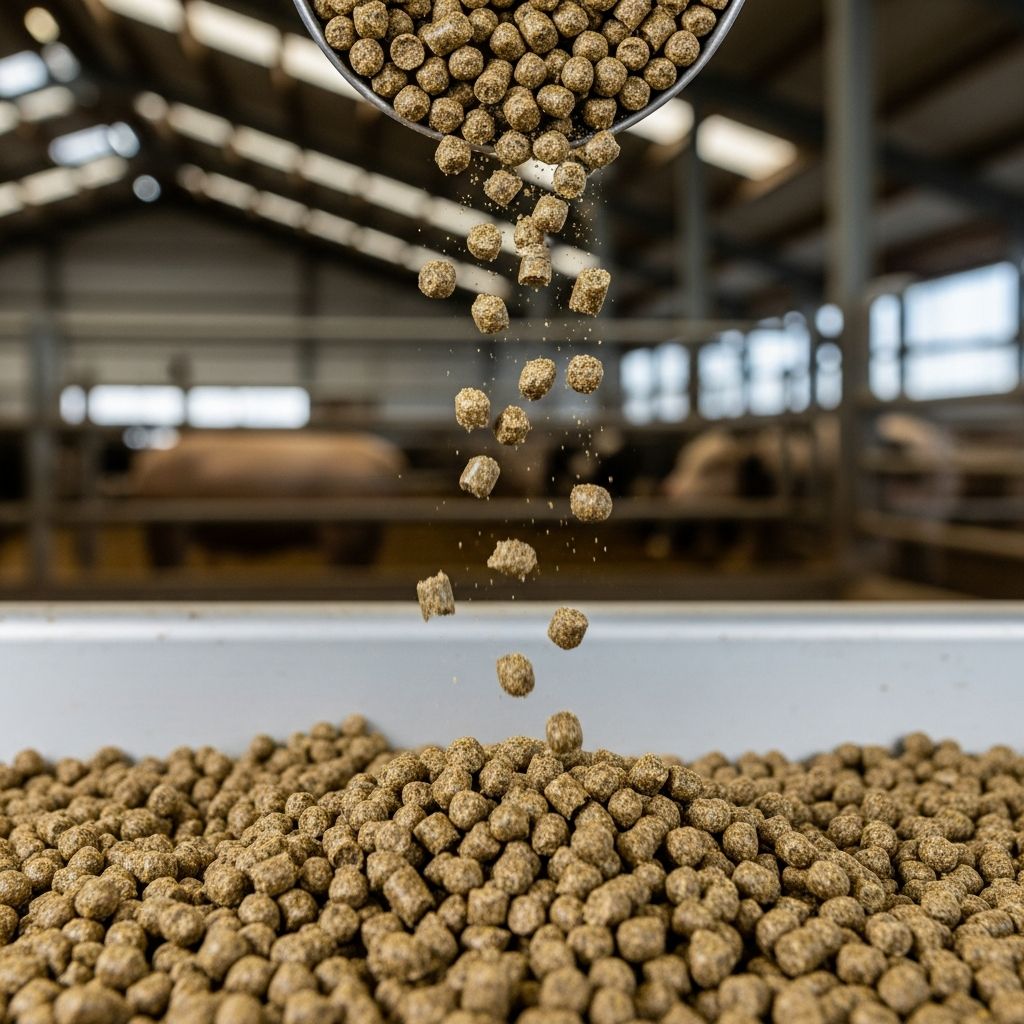
Antimicrobial feed additives have played a pivotal role in modern animal agriculture by improving growth rates, feed efficiency, and overall herd health. These compounds, administered at subtherapeutic levels, target harmful gut bacteria to create a more favorable environment for nutrient absorption and reduced disease incidence. However, their widespread use has sparked global concerns over antibiotic resistance, prompting shifts toward alternatives and stricter regulations.
Historical Development and Core Mechanisms
The discovery of antimicrobial growth promoters dates back to the 1940s, when tetracycline byproducts in chicken feed unexpectedly boosted growth. This serendipitous finding led to expanded applications across species like swine, cattle, and poultry. At low doses, these additives alter the intestinal microbiome, suppressing pathogens such as Clostridium perfringens and Escherichia coli, which compete with the host for nutrients.
Key mechanisms include:
- Bacterial competition reduction: Antimicrobials eliminate suboptimal bacteria, allowing beneficial microbes to thrive and enhance digestion.
- Improved nutrient utilization: Better gut health leads to 1-10% higher daily weight gains and feed conversion ratios.
- Prophylactic effects: Prevention of subclinical infections reduces the need for therapeutic antibiotics.
In beef cattle, additives like tylosin reduce liver abscesses caused by Fusobacterium necrophorum, improving carcass quality.
Common Antimicrobials and Their Applications
Various classes of antimicrobials are integrated into feeds, each tailored to specific species and challenges. Ionophores, such as monensin (Rumensin) and lasalocid (Bovatec), dominate in ruminants by selectively inhibiting gram-positive bacteria, enhancing propionate production for energy efficiency.
| Additive | Trade Name Examples | Primary Use | Species |
|---|---|---|---|
| Tylosin | Tylan | Liver abscess prevention | Beef cattle |
| Virginiamycin | V-Max | Feed efficiency, abscess reduction | Beef cattle, swine |
| Bambermycin | Gainpro | Growth promotion | Cattle, swine |
| Chlortetracycline + Sulfamethazine | Aureomycin | Respiratory disease control | Cattle |
| Neo-Oxy (Neomycin + Oxytetracycline) | Neo-Terramycin | Diarrhea, pneumonia treatment | Cattle |
These products are often combined for synergistic effects, such as CTC with sulfamethazine for maintaining weight gains amid respiratory challenges. In poultry and swine, bacitracin and virginiamycin promote growth by controlling necrotic enteritis.
Benefits in Animal Performance and Production
Antimicrobials deliver measurable gains. Studies show chickens on penicillin-tetracycline feeds exhibit improved egg production, hatchability, and feed efficiency. In cattle, ionophores like laidlomycin (Cattlyst) boost feed efficiency and weight gain in confinement feeding.
Broader advantages include:
- Lower incidence of diseases like bovine respiratory disease, reducing morbidity and mortality.
- Enhanced lean meat deposition and milk yield in dairy via complementary enhancers like beta-agonists.
- Economic viability: Reduced feed costs per unit of gain, vital for intensive farming meeting consumer demand.
Approximately 40% of antibiotics once went into feeds, with significant portions for cattle (0.5 million kg annually in past estimates).
Risks and Challenges: Antibiotic Resistance and Environmental Impact
Despite benefits, subtherapeutic use fosters antimicrobial resistance (AMR), where bacteria develop defenses transferable to human pathogens via food chains or environment. Excreta contaminate waterways, harming aquatic life.
Regulatory responses include the FDA’s Veterinary Feed Directive (VFD), mandating prescriptions for medically important antibiotics in feed, eliminating over-the-counter growth promotion uses. Many U.S. manufacturers voluntarily phased out non-therapeutic AGPs. Countries like the Netherlands and Denmark slashed usage through biosecurity and alternatives, maintaining productivity.
Regulatory Landscape and Global Variations
In the U.S., VFD-covered antimicrobials require veterinary oversight, shifting from routine inclusion to targeted application. The EU banned most AGPs in 2006, prioritizing resistance prevention.
Key shifts:
- VFD implementation: Ensures judicious use, linking antibiotics to disease prevention/treatment.
- Voluntary withdrawals: Focus on human-health priority drugs.
- International models: Denmark reduced antibiotics 50%+ via farming practices and additives.
Emerging Alternatives to Traditional Antimicrobials
To replace AGPs, innovations target gut health without resistance risks. Probiotics introduce beneficial bacteria, prebiotics feed them (e.g., oligosaccharides), and enzymes break down anti-nutritional factors.
| Alternative Class | Examples | Benefits |
|---|---|---|
| Pro/Prebiotics | Oligosaccharides, polysaccharides | Stabilize microbiota, boost immunity |
| Organic Acids | Butyrate, MCFA (medium-chain fatty acids) | Controlled-release for distal gut; match AGP performance in piglets |
| Antioxidants | Tocopherols (Vitamin E) | Prevent lipid oxidation, extend shelf life |
| Phytogenics/Enzymes | Plant extracts, phytase | Improve digestibility, reduce phosphorus excretion |
| Ionophores (non-AGP) | Monensin, Salinomycin | Coccidiosis control, growth without broad resistance |
Combinations like butyrate-MCFA-phenolics in piglets yielded meta-analysis results rivaling AGPs: higher average daily gain and feed intake. Anti-coccidials (decoquinate) and antiparasitics (fenbendazole) address specific threats. Beta-agonists like ractopamine (Optaflexx) enhance leanness in finishing phases.
Practical Strategies for Implementation
Farmers can optimize via:
- Biosecurity: Clean water/feed reduces pathogen load.
- Targeted supplementation: Use VFD for antibiotics, additives for prevention.
- Monitoring: Track performance metrics to evaluate alternatives.
- Vaccination: Complements feed strategies for respiratory control.
In beef, poloxalene prevents bloat, while insect growth regulators like S-methoprene control flies.
Future Directions in Sustainable Animal Nutrition
Ongoing research emphasizes precision nutrition: microbiome sequencing guides additive selection. Regulatory recognition of prophylactic additives could accelerate AMR reduction. Global efforts aim for antibiotic-free production, balancing productivity with public health.
Feed additives extend beyond antimicrobials—beta-agonists and somatotropins boost yields—but demand vigilant stewardship. By integrating alternatives, livestock sectors can sustain growth while mitigating risks.
Frequently Asked Questions (FAQs)
What are antimicrobial feed additives?
Low-dose antimicrobials in animal feed that promote growth by modulating gut bacteria and preventing infections.
Why are AGPs being phased out?
To combat antibiotic resistance threatening human and animal health; regulations like VFD enforce oversight.
Do alternatives work as well as antibiotics?
Yes, combinations like organic acids match AGP performance in growth and health metrics.
Which animals benefit most?
Primarily poultry, swine, and feedlot cattle under intensive conditions.
Are ionophores safe for resistance?
They have low human relevance and remain approved for coccidiosis control.
References
- Feed Additives – Principles of Animal Nutrition — Oregon State University. 2023. https://open.oregonstate.education/animalnutrition/chapter/feed-additives/
- Feed Additives for Beef Cattle Production — Oklahoma State University Extension. 2022-10-01. https://extension.okstate.edu/fact-sheets/feed-additives-for-beef-cattle-production.html
- Feed additive strategies for replacement of antimicrobial growth promoters — Feedipedia. 2023. https://www.feedipedia.org/content/feed-additive-strategies-replacement-antimicrobial-growth-promoters-and-responsible-use
- Use of antibiotics as feed additives: a burning question — Frontiers in Microbiology. 2014-07-21. https://www.frontiersin.org/journals/microbiology/articles/10.3389/fmicb.2014.00334/full
- Antibiotics In Animal Feeds – The Effects on Human Health — National Center for Biotechnology Information (NCBI). 2003. https://www.ncbi.nlm.nih.gov/books/NBK216502/
- FACT SHEET: Veterinary Feed Directive Final Rule — U.S. Food and Drug Administration (FDA). 2023-06-01. https://www.fda.gov/animal-veterinary/development-approval-process/fact-sheet-veterinary-feed-directive-final-rule-and-next-steps
Similar Articles








Read full bio of medha deb


