

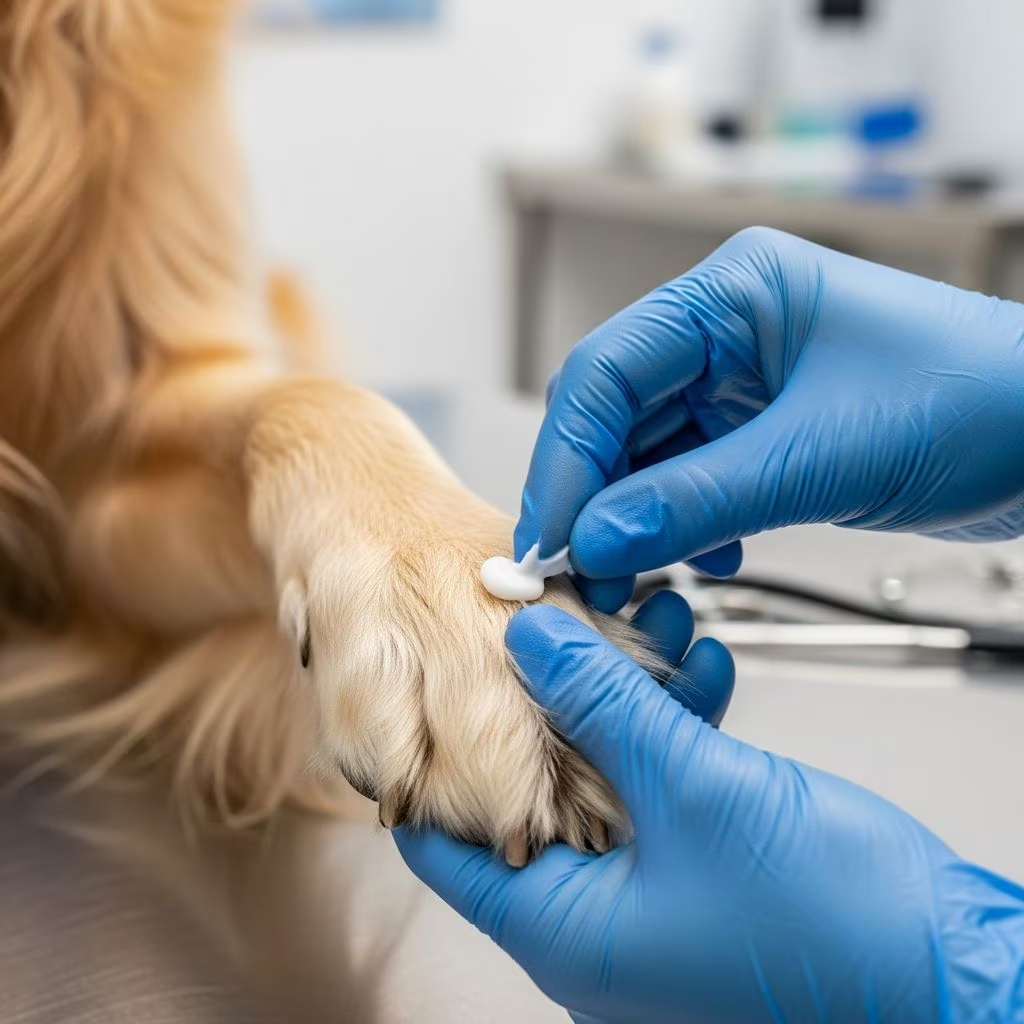
Fungal infections in dogs, such as ringworm and yeast dermatitis, can cause discomfort, itching, and hair loss. Antifungal creams offer targeted topical relief for localized cases, containing active ingredients like miconazole that combat fungi such as Microsporum and Trichophyton species.
Understanding Fungal Infections in Canines
Dogs are prone to fungal issues due to their skin’s warmth and moisture, which foster growth of dermatophytes and yeasts. Ringworm, despite its name, is a fungal infection leading to circular lesions, while Malassezia yeast causes greasy, odorous skin. Early detection through symptoms like redness, scaling, and alopecia is crucial for effective management.
When Topical Antifungal Creams Are Appropriate
These creams suit isolated lesions where systemic spread hasn’t occurred. Vets recommend them for single spots, as widespread infections demand oral or shampoo therapies. Always confirm diagnosis via skin scrapings or cultures to rule out bacterial mimics.
Popular Antifungal Cream Ingredients for Dogs
Several compounds prove effective:
- Miconazole nitrate: Targets ringworm in dogs and cats, applied daily for 2-4 weeks.
- Clotrimazole: Outperformed controls in studies on Trichophyton and Microsporum infections, showing improvement by day 11.
- Terbinafine: Useful as cream or oral for dermatophytes, with fewer side effects than azoles.
These azoles and allylamines disrupt fungal cell membranes, halting growth.
Step-by-Step Application Guide
- Wear gloves to avoid zoonotic transmission, especially with ringworm.
- Clean and dry the area thoroughly.
- Apply a thin layer over the lesion and 1-2 cm margin.
- Repeat once daily; extend 1-2 weeks post-clearance.
- Prevent licking with cones or bitter sprays.
Contact time of at least 10 minutes enhances efficacy.
Potential Side Effects and Safety Precautions
Most dogs tolerate creams well, but watch for increased redness, vomiting if ingested, or kidney issues in rare cases. Cats are more sensitive, so store securely. Consult vets before use, especially with multiple lesions or pregnancy.
| Ingredient | Common Use | Side Effects | Duration |
|---|---|---|---|
| Miconazole | Ringworm, dermatitis | Skin irritation, GI upset if licked | 2-6 weeks |
| Clotrimazole | Dermatophyte infections | Mild local reaction | 28 days |
| Terbinafine | Ringworm, yeast | Vomiting, diarrhea | Weeks to months |
Alternatives to Creams for Stubborn Infections
For multi-site issues, combine with medicated shampoos or orals like ketoconazole, fluconazole, or itraconazole[10]. Shampoos cost $20-25 and treat broadly, while orals ($15-50/month) address systemic cases. Environmental decontamination prevents reinfection.
Preventive Strategies for Healthy Canine Skin
Maintain dry environments, regular grooming, and balanced diets to deter yeast. Bathe promptly after wetness and clean ears weekly.
FAQs on Antifungal Treatments for Dogs
Can I use human antifungal cream on my dog?
No, formulations differ; vet-prescribed pet versions are safer.
How long until I see improvement?
Typically 1-2 weeks, but full courses last 4-6 weeks.
Is ringworm contagious to humans?
Yes, practice hygiene during treatment.
What if my dog licks the cream?
Monitor for GI signs; use barriers and contact vet.
Are oral antifungals better than creams?
For widespread infections, yes; creams for localized.
Choosing the Right Product with Your Vet
Discuss your dog’s history, lesion count, and breed predispositions (e.g., yeast in spaniels). Bloodwork may precede orals.
Topical antifungals empower owners for mild cases, but professional guidance ensures comprehensive care, restoring your dog’s comfort swiftly.
References
- Ilium Fungafite Antifungal Cream For Cats & Dogs — Sierra Pet Meds. 2023. https://sierrapetmeds.com/products/ilium-fungafite-antifungal-cream-for-cats-dogs-50g-1-76-oz/717
- Can I use antifungal cream on my dog? — BetterPet. 2024. https://www.betterpet.com/learn/antifungal-cream-for-dogs
- Treatment Options for Bacterial and Fungal Infections in Dogs — PetCareRx. 2023. https://www.petcarerx.com/article/treatment-options-for-bacterial-and-fungal-infections-in-dogs/6061
- Effectiveness of a topical antifungal agent (clotrimazole) in dogs — PubMed (Peer-reviewed). 1981-01-01. https://pubmed.ncbi.nlm.nih.gov/7021507/
- Terbinafine for Fungal Infections in Dogs — GoodRx. 2024. https://www.goodrx.com/pet-health/dog/terbinafine-lamisil
- Terbinafine for Dogs and Cats — PetMD. 2024. https://www.petmd.com/pet-medication/terbinafine-dogs-and-cats
- Topical Antifungal Agents for Use in Animals — Merck Veterinary Manual. 2023. https://www.merckvetmanual.com/pharmacology/antifungal-agents/topical-antifungal-agents-for-use-in-animals



