
Antifreeze Toxicity in Pets: Recognition and Emergency Care
Understanding ethylene glycol poisoning and critical treatment windows for dogs and cats
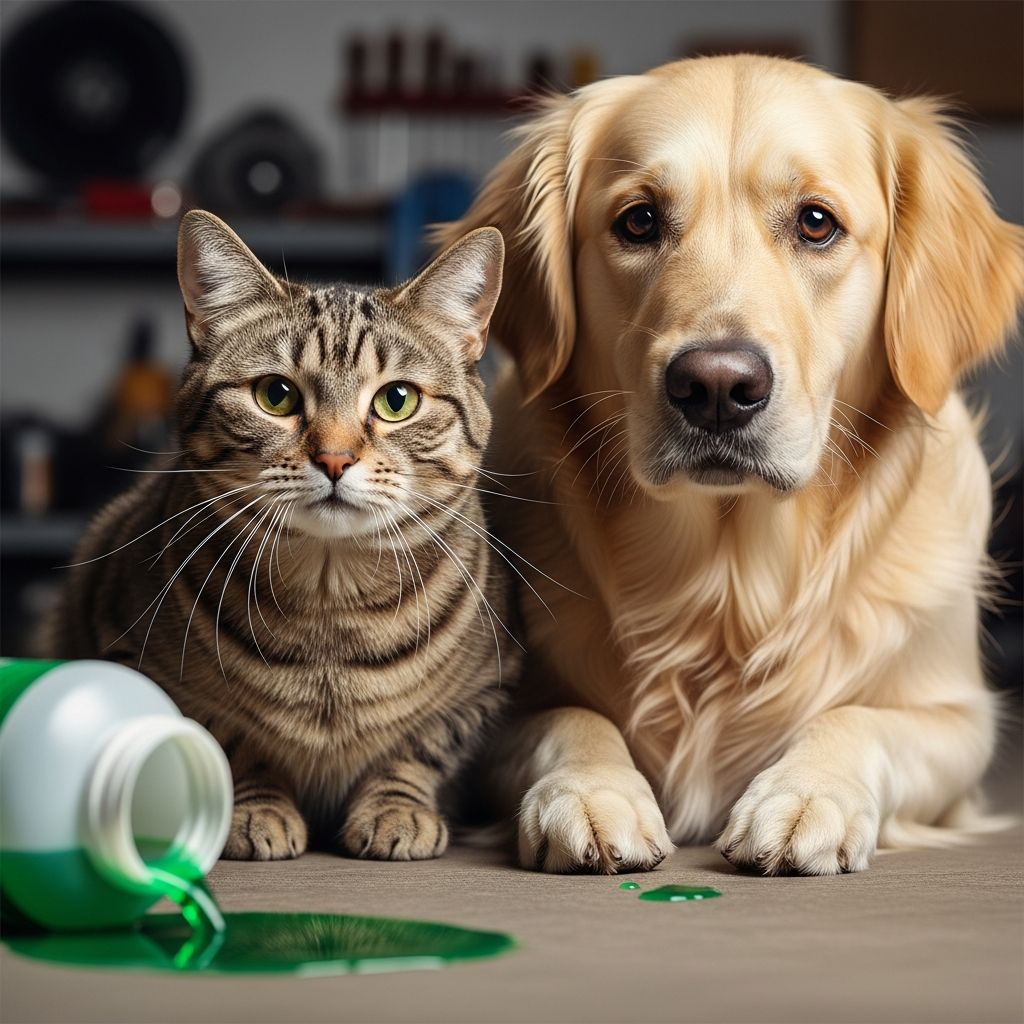
Antifreeze and coolant products contain ethylene glycol, a highly toxic substance that poses one of the most serious poisoning threats to companion animals. Despite its life-threatening nature, many pet owners remain unaware of the severity of accidental ingestion or the narrow window for effective treatment. Understanding the mechanisms of toxicity, recognizing early symptoms, and knowing when to seek emergency care can mean the difference between life and death for affected animals.
What Makes Ethylene Glycol So Dangerous
Ethylene glycol is a colorless, odorless liquid with a deceptively sweet taste that attracts curious pets. This characteristic flavor makes it particularly dangerous in household settings where pets may encounter spilled antifreeze, coolant leaks from vehicles, or discarded containers. The toxin works through a two-stage mechanism: the initial ingestion causes direct gastrointestinal irritation, while subsequent metabolic processes in the liver transform ethylene glycol into progressively more toxic compounds.
Once absorbed into the bloodstream, ethylene glycol undergoes hepatic metabolism through the alcohol dehydrogenase pathway, producing metabolites including glycolaldehyde, glycolic acid, and oxalic acid. These byproducts accumulate in body tissues and cause crystalline damage to the kidneys, leading to acute renal failure. The speed at which this metabolic conversion occurs explains why time is critically important—intervention must occur before significant metabolic breakdown has already begun.
Species-Specific Vulnerability and Exposure Risks
While both dogs and cats can be poisoned by ethylene glycol, feline patients face significantly higher mortality rates. Cats metabolize the toxin differently than dogs, making them more susceptible to kidney damage and requiring more aggressive treatment protocols. Studies indicate that untreated cats have mortality rates exceeding 97%, while dogs experience mortality rates approaching 70% without intervention.
Exposure typically occurs through:
- Leaking vehicle radiator coolant in driveways or garages
- Spilled antifreeze during seasonal vehicle maintenance
- Contaminated groundwater in areas near automotive service facilities
- De-icing products and windshield washer fluids containing ethylene glycol
- Industrial coolant systems accessible to outdoor pets
Pet owners should recognize that even small quantities can be lethal. A single teaspoon of antifreeze can be toxic to small animals, making prevention and rapid response essential strategies for protecting household companions.
Recognizing the Three Stages of Poisoning
Ethylene glycol poisoning manifests through three distinct clinical stages, each presenting different symptoms and challenges for diagnosis and treatment.
Initial Stage: Zero to Twelve Hours After Ingestion
During the earliest phase following ingestion, pets display neurological symptoms that superficially resemble alcohol intoxication. Affected animals may exhibit lethargy, incoordination, tremors, and difficulty maintaining balance. Vomiting frequently occurs during this window, as the ethylene glycol irritates the gastrointestinal tract. Some pets become unusually vocal or disoriented, and owners may notice increased thirst and urination.
These early signs often appear within 30 minutes of ingestion and can last several hours. The deceptive aspect of this stage is that symptoms may gradually seem to improve, creating false reassurance that the pet will recover without intervention. This apparent improvement coincides with the beginning of metabolic conversion, making prompt veterinary evaluation crucial even when clinical signs temporarily stabilize.
Intermediate Stage: Twelve to Twenty-Four Hours Post-Ingestion
During the second stage, pets often experience a concerning improvement in their condition. This false recovery period represents a critical danger point because owners may incorrectly believe the crisis has passed. Behind the scenes, metabolic conversion of ethylene glycol accelerates, and kidney damage begins accumulating at the cellular level.
During this window, pets may show elevated respiratory and heart rates while becoming increasingly dehydrated. Some animals stop eating and may resist activity. Blood chemistry changes become increasingly pronounced, though external signs remain relatively subtle. This stage represents the optimal window for intervention because kidney function has not yet failed completely, but the threat is escalating rapidly.
Final Stage: Thirty-Six to Seventy-Two Hours After Ingestion
Without treatment, the final stage involves severe renal dysfunction characterized by kidney swelling and pain, minimal or absent urine production, and progressive systemic deterioration. Pets may experience profound depression, appetite loss, vomiting, seizures, and potentially coma. At this advanced stage, even aggressive intervention rarely prevents fatal kidney failure.
Diagnostic Approaches and Emergency Assessment
Veterinarians employ several diagnostic strategies when antifreeze poisoning is suspected. A thorough history is essential—owners should provide information about potential exposure timing, estimated quantities, and the specific product involved if possible.
Blood and urine tests form the foundation of clinical assessment:
| Test Type | Purpose | Timing |
|---|---|---|
| Complete Blood Count (CBC) | Identifies infection, anemia, or other blood abnormalities | Initial assessment |
| Serum Biochemistry Panel | Measures kidney function (BUN, creatinine), liver enzymes, electrolytes, blood glucose | Initial and repeated every 12 hours |
| Urinalysis | Detects crystalline debris, protein, glucose indicating kidney damage | Initial and periodic monitoring |
| In-House Ethylene Glycol Test | Directly detects ethylene glycol presence | Effective if performed within 12 hours of ingestion |
| Blood Gas Analysis | Measures acid-base balance and electrolyte status | Initial and repeated every 12 hours |
| Ionized Calcium Measurement | Detects hypocalcemia caused by oxalic acid binding | Periodic monitoring during hospitalization |
In-house ethylene glycol tests provide rapid confirmation when performed within the first 12 hours after suspected ingestion. After this window, the toxin has been metabolized, making direct detection impossible even though poisoning may be occurring. Blood chemistry abnormalities including elevated kidney values, altered electrolytes, and acid-base imbalances develop progressively and guide ongoing treatment decisions.
Emergency Management and Antidote Administration
Time-sensitive intervention is the cornerstone of successful antifreeze poisoning management. The most critical factor determining survival is the interval between ingestion and initiation of treatment.
Initial Decontamination Considerations
Contrary to standard poisoning protocols, inducing vomiting is not recommended for ethylene glycol poisoning. Because the toxin is rapidly absorbed and most animals have already vomited from gastrointestinal irritation, emesis offers minimal benefit after one hour has elapsed. Activated charcoal administration remains controversial and typically provides no meaningful protection since ethylene glycol is poorly absorbed to charcoal and already substantially absorbed into the bloodstream.
Antidote Protocols: Fomepizole and Ethanol
Two primary antidotes exist for ethylene glycol poisoning.
Fomepizole
(also called 4-methylpyrazole) is the preferred treatment for both dogs and cats because it effectively inhibits alcohol dehydrogenase, the enzyme responsible for converting ethylene glycol into toxic metabolites. By blocking this metabolic pathway, fomepizole allows unchanged ethylene glycol to be eliminated through urine without creating dangerous byproducts.Canine dosing involves an initial intravenous administration of 20 mg/kg, followed by doses of 15 mg/kg at 12 and 24 hours post-ingestion. Some protocols include a final 5 mg/kg dose at 36 hours to ensure complete metabolic inhibition.
Feline patients require substantially higher dosing because cats have reduced responsiveness to the drug. Cats receive an initial 125 mg/kg dose followed by 31.25 mg/kg doses at 12, 24, and 36 hours. Higher feline dosing reflects the species’ unique metabolism and the enzyme’s reduced sensitivity to inhibition in cats. Central nervous system depression may occur in feline patients receiving these elevated doses.
**Ethanol** serves as an alternative antidote when fomepizole is unavailable. Like fomepizole, ethanol competes for metabolism by alcohol dehydrogenase, preventing ethylene glycol conversion. However, ethanol administration presents challenges including difficulty obtaining veterinary-grade formulations, lower efficacy compared to fomepizole, and potential adverse effects from alcohol intoxication.
The critical treatment window differs slightly by species. Dogs require antidote administration within 8-12 hours of ingestion for optimal effectiveness, while cats must receive treatment within 3 hours. After these windows, metabolic conversion has already initiated substantial kidney damage, and antidote efficacy declines sharply.
Supporting Care and Hospitalization Management
Regardless of antidote administration, all poisoned pets require aggressive supportive care through intravenous fluid therapy. Lactated Ringer’s solution is typically administered at twice the maintenance rate to promote kidney perfusion, maintain urine output, and facilitate toxin excretion.
Continuous monitoring during hospitalization assesses multiple parameters:
- Hourly urine output measurement to ensure adequate kidney perfusion and toxin elimination
- Respiratory rate and lung auscultation to detect pulmonary edema from fluid overload
- Serial blood pressure monitoring
- Repeated laboratory assessments every 12 hours measuring BUN, creatinine, blood pH, bicarbonate, ionized calcium, and electrolytes
- Assessment for signs of shock, cardiac arrhythmias, or neurological deterioration
If fluid overload develops or urine production ceases, diuretic therapy using furosemide or inotropic support with dobutamine may be necessary. Acid-base imbalances and electrolyte abnormalities are nearly universal in poisoned animals and require careful correction through balanced fluid administration and targeted supplementation.
Managing Complications and Long-Term Outcomes
Some pets develop life-threatening complications despite appropriate treatment. If kidney failure does not respond to standard interventions, dialysis—either peritoneal or hemodialysis—may be considered. These intensive therapies are labor-intensive, expensive, and typically require referral to specialty veterinary hospitals. Hemodialysis offers superior efficacy but demands extended hospitalization and specialized equipment.
Discharge criteria typically include resolution of clinical signs and confirmation that azotemia (elevated kidney values) and acid-base abnormalities have normalized for at least 24 hours. Some pets experience permanent renal insufficiency requiring lifelong management with prescription renal support diets, home subcutaneous fluid administration, and periodic monitoring through serum biochemistry and urinalysis testing.
Frequently Asked Questions
How much antifreeze is toxic to pets?
Even small quantities are dangerous. A single teaspoon of ethylene glycol can produce toxic effects in small animals, while larger dogs may tolerate slightly greater amounts before showing severe effects. Any suspected ingestion warrants immediate emergency evaluation.
Can antifreeze poisoning be prevented?
Yes, through careful product storage, prompt cleanup of spills, and preventing pet access to areas where vehicle maintenance occurs. Using propylene glycol-based coolants instead of ethylene glycol in household systems eliminates this toxin source entirely.
What should owners do if they suspect ingestion?
Contact a veterinarian or the Pet Poison Helpline immediately at 855-764-7661. Do not wait for symptoms to appear or attempt home treatment. Time-sensitive intervention determines survival outcomes.
Is recovery possible after kidney failure develops?
Recovery becomes unlikely once clinical signs of kidney failure appear. Early treatment before kidney damage development offers substantially better prognosis, with many successfully treated dogs experiencing no long-term effects.
References
- Ethylene Glycol Poisoning in Dogs — VCA Animal Hospitals. Accessed February 2026. https://vcahospitals.com/know-your-pet/ethylene-glycol-poisoning-in-dogs
- Antifreeze Poisoning in Dogs: Symptoms, Treatment and Prevention — PetMD. Accessed February 2026. https://www.petmd.com/dog/emergency/poisoning-toxicity/antifreeze-poisoning-dogs
- Vet Tech’s Responsibilities: Treatment of Ethylene Glycol Toxicity — VetTechPrep. Accessed February 2026. https://blog.vettechprep.com/vet-techs-responsibilities-in-the-treatment-of-ethylene-glycol-toxicity
- Antifreeze Poisoning — Marietta Veterinary Clinic. Accessed February 2026. https://www.mariettavetclinic.com/antifreeze-poisoning-in-dogs-and-cats/
- Managing Ethylene Glycol Toxicity — DVM360. Accessed February 2026. https://www.dvm360.com/view/managing-ethylene-glycol-toxicity-proceedings
- Antifreeze Toxicity — Northeast Indiana Veterinary Emergency & Specialty Hospital. Accessed February 2026. https://www.nives24h.com/articles/antifreeze-toxicity
Similar Articles








Read full bio of Sneha Tete


