
Antifreeze Toxicity in Pets
Discover why antifreeze is deadly to dogs and cats, recognize urgent symptoms, and learn life-saving prevention strategies for pet safety.
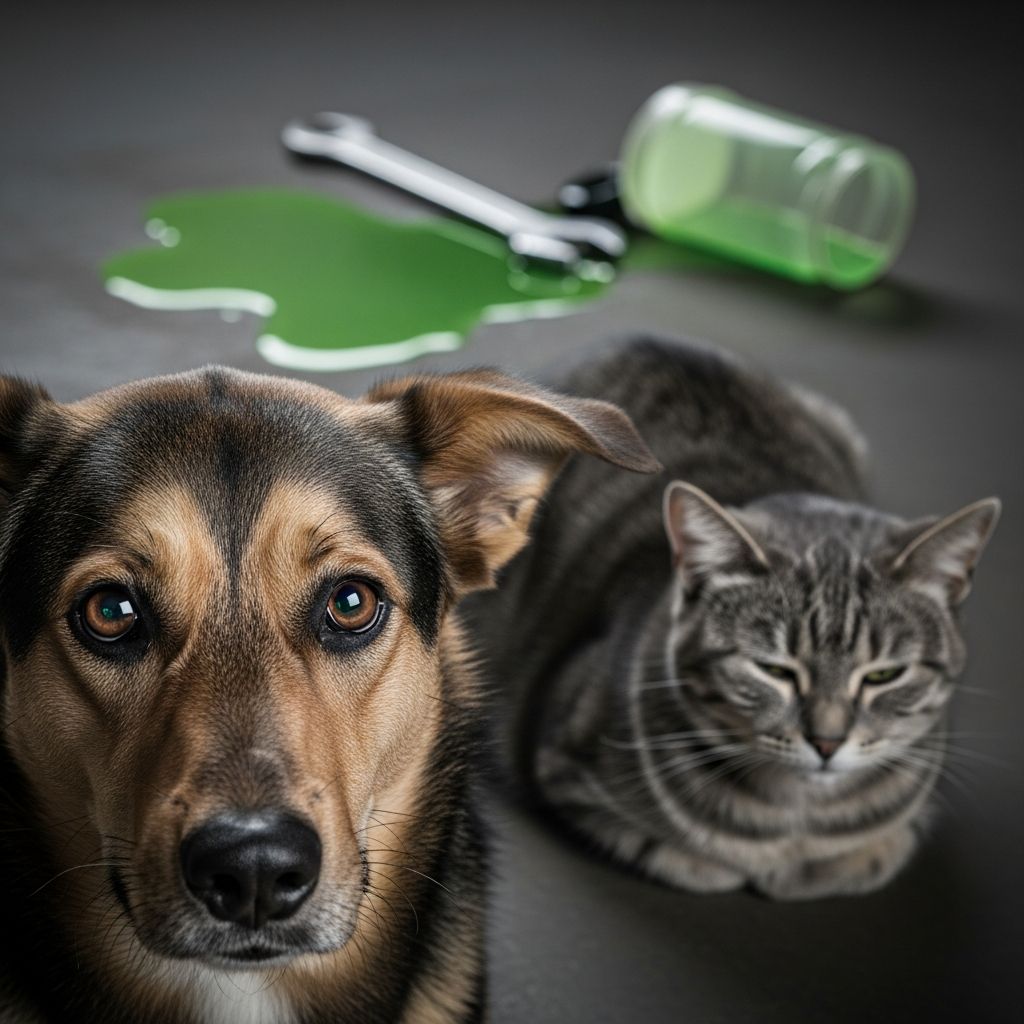
Every winter, countless pets fall victim to antifreeze poisoning, a preventable yet often fatal condition caused by ingesting ethylene glycol, the primary ingredient in most automotive antifreeze products. This sweet-tasting chemical attracts curious dogs and cats, leading to severe metabolic disturbances and irreversible kidney damage if not addressed immediately. Understanding the risks, spotting early warning signs, and acting swiftly can mean the difference between life and death for your furry companion.
The Allure and Lethality of Ethylene Glycol
Ethylene glycol is colorless, odorless, and has a sugary flavor that masks its extreme toxicity. Even tiny amounts—less than an ounce for a small cat or a few ounces for a medium-sized dog—can prove lethal. Once swallowed, it is swiftly absorbed into the bloodstream, detectable within 30 minutes, and begins its destructive path through the liver and kidneys.
Unlike safer alternatives like propylene glycol, traditional antifreeze remains ubiquitous in garages, driveways, and leaking vehicles, especially during cold months when engines run and leaks are common. Pets may lap up puddles from car radiators, spilled containers, or discarded bottles, unaware of the peril.
Phased Progression of Poisoning Symptoms
Antifreeze toxicity unfolds in distinct stages, each with specific clinical signs that demand urgent recognition. Owners often mistake initial symptoms for minor upset, delaying critical intervention.
Early Stage: 30 Minutes to 12 Hours Post-Ingestion
- Drunken gait or ataxia, where the pet stumbles or appears uncoordinated
- Vomiting and excessive drooling
- Increased thirst (polydipsia) and urination (polyuria)
- Lethargy, euphoria, or mild depression
- Possible seizures in severe cases
These signs mimic intoxication, leading some to believe the pet will recover naturally. However, this deceptive improvement signals escalating internal damage as the toxin metabolizes into oxalic acid, which crystallizes in the kidneys.
Middle Stage: 12 to 24 Hours
Symptoms may temporarily subside, lulling owners into false security. Internally, acidosis builds, and kidney function begins to falter. Cats progress faster, showing distress within 12 hours.
Critical Stage: 24 to 72 Hours – Kidney Failure
- Oral ulcers and uremic breath (ammonia-like odor)
- Persistent vomiting, anorexia, and profound weakness
- Decreased or absent urination (oliguria/anuria)
- Tremors, seizures, coma, and death
In dogs, full kidney failure hits at 36-72 hours; in cats, as early as 12-24 hours. Without prior treatment, survival rates plummet.
Differences in Susceptibility: Dogs vs. Cats
| Aspect | Dogs | Cats |
|---|---|---|
| Treatment Window | Up to 8-12 hours | Within 3 hours |
| Kidney Failure Onset | 36-72 hours | 12-24 hours |
| Lethal Dose | 4-6 mL/kg | 1.5-2 mL/kg (more sensitive) |
| Prognosis if Delayed | Poor; dialysis may help | Grave; rarely reversible |
Cats’ limited liver enzymes exacerbate toxicity, making them far more vulnerable. Both species suffer metabolic acidosis, but felines deteriorate rapidly.
Immediate Response: What to Do If Exposure Occurs
Do not wait for symptoms. If antifreeze ingestion is suspected:
- Contact an emergency vet or poison hotline (e.g., Pet Poison Helpline at 855-764-7661) immediately.
- Do not induce vomiting at home without vet guidance—risks aspiration.
- Rush to a 24/7 veterinary facility for diagnostics like bloodwork and urinalysis.
Time is critical: antidotes fail post-metabolization.
Veterinary Interventions and Antidotes
Treatment hinges on rapid administration of antidotes that block ethylene glycol’s conversion to toxic metabolites. Primary options include:
- Fomepizole (4-methylpyrazole): Preferred first-line; inhibits alcohol dehydrogenase enzyme. Dosed at 20 mg/kg IV initially in dogs, adjusted for cats. Effective if given early.
- Ethanol: Alternative; competes for the same enzyme. Requires precise dosing to avoid intoxication.
Supportive care encompasses:
- IV fluids to combat dehydration and promote diuresis
- Activated charcoal to bind residual toxin
- Anti-emetics, diuretics, and ulcer protectants
- Monitoring for acidosis, electrolytes, and renal parameters
- Dialysis in advanced cases to sustain life while kidneys potentially recover
Success rates exceed 90% if treated pre-kidney damage; post-failure, they drop below 20%.
Prevention Strategies for Pet Owners
Proactive measures eliminate most risks:
- Switch to Pet-Safe Antifreeze: Use propylene glycol-based products, non-toxic in small amounts.
- Secure Storage: Keep containers in locked cabinets; never leave open jugs in garages.
- Clean Spills Promptly: Use cat litter or sawdust to absorb leaks, then dispose safely.
- Vigilance in Driveways: Check under vehicles for drips after parking.
- Educate household members on risks and symptoms.
Annual reminders during fall/winter save lives—display warning signs near work areas.
FAQs on Antifreeze Poisoning in Pets
How much antifreeze is fatal for a pet?
Just 2-3 tablespoons can kill a 10-lb cat; dogs require more but remain at risk from licks.
Can pets recover from kidney failure due to antifreeze?
Rarely without dialysis; damage is typically permanent, though some dogs survive with intensive care.
Is all antifreeze toxic?
Most contain ethylene glycol; verify labels for propylene glycol alternatives.
What if my pet seems fine after possible exposure?
Seek vet care anyway—latent damage progresses silently.
Are there home remedies?
No—only professional treatment works; delays are deadly.
Long-Term Outlook and Advocacy
Survivors often face chronic kidney disease, requiring lifelong management. Owners should advocate for propylene glycol mandates and pet-safe product labeling. By sharing knowledge, we reduce tragedies—consult vets for tailored advice and report exposures promptly.
References
- Ethylene Glycol Poisoning in Cats: What To Do if Your Cat Ingests… — PetMD. 2023. https://www.petmd.com/cat/conditions/antifreeze-poisoning-cats
- Antifreeze poisoning in dogs and cats — Washington State University Veterinary Teaching Hospital. 2021-10-29. https://hospital.vetmed.wsu.edu/2021/10/29/antifreeze-poisoning-in-dogs-and-cats/
- Antifreeze Poisoning – Marietta Vet Clinic — Marietta Vet Clinic. N/A. https://www.mariettavetclinic.com/antifreeze-poisoning-in-dogs-and-cats/
- Ethylene Glycol Toxicosis in Animals — MSD Veterinary Manual. N/A. https://www.msdvetmanual.com/toxicology/ethylene-glycol-toxicosis/ethylene-glycol-toxicosis-in-animals
- Managing ethylene glycol toxicity (Proceedings) — DVM360. N/A. https://www.dvm360.com/view/managing-ethylene-glycol-toxicity-proceedings
Similar Articles








Read full bio of medha deb


