

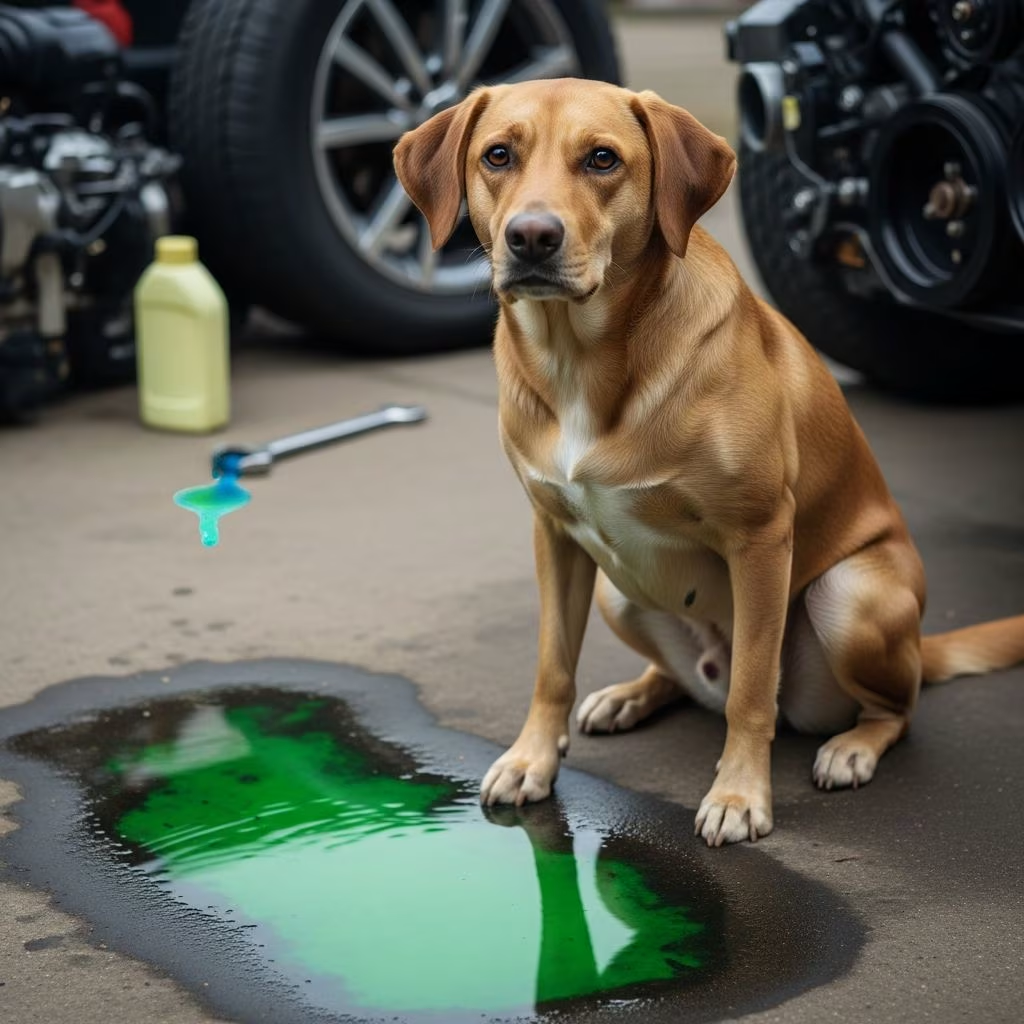
Antifreeze, a common automotive fluid, poses a severe threat to dogs due to its sweet taste that attracts curious pets. Ethylene glycol, the primary toxic component, metabolizes into harmful substances causing acute kidney failure often within days of ingestion. Even small amounts can prove lethal without swift intervention, making awareness critical for pet owners.
Why Antifreeze Attracts Dogs and How It Enters Their System
Dogs are drawn to antifreeze because of its appealing sweetness, often lapping up leaks from vehicles or puddles in driveways during winter or summer. This fluid, used to prevent engine freezing or overheating, contains ethylene glycol in concentrations as low as 2-3 tablespoons potentially fatal for a medium-sized dog. Exposure commonly occurs in garages, parking lots, or roadsides where spills go unnoticed.
- Common sources: Car radiators, leaky hoses, discarded containers.
- Risk seasons: Winter for de-icing, summer for cooling.
- Sweet flavor masks danger, leading to rapid consumption.
Understanding these entry points helps owners anticipate hazards, especially in multi-car households or areas with heavy vehicle traffic.
Early Warning Signs: First 12 Hours After Ingestion
Initial symptoms mimic intoxication or mild illness, appearing within 30 minutes to 12 hours. Dogs may show drunken-like behavior from ethylene glycol’s impact on the central nervous system before kidney assault begins.
| Symptom | Description | Timeline |
|---|---|---|
| Vomiting | Frequent retching, often with foam | Within 1-6 hours |
| Ataxia | Wobbly gait, stumbling, inability to stand | 30 min – 12 hours |
| Excessive Thirst/Urination | Polydipsia and polyuria | Early, acute onset |
| Lethargy/Depression | Unusual tiredness, disorientation | Hours after intake |
These signs stem from metabolic acidosis as the body breaks down the toxin. Owners often mistake them for dietary upset, delaying care.
Advanced Stages: Kidney Failure and Beyond
Beyond 12 hours, toxins form crystals damaging renal tubules, leading to oliguric failure. Symptoms escalate dramatically between 24-72 hours.
- 12-24 hours: Reduced urine output, rapid breathing, oral ulcers.
- 24-72 hours: Seizures, tremors, coma, complete anuria.
- Final stage: Multi-organ shutdown, death without intervention.
A deceptive lull around 24 hours may occur as initial gastrointestinal effects subside, masking progressing renal damage. Blood tests reveal elevated BUN, creatinine, and calcium oxalate crystals in urine confirming diagnosis.
Emergency Response: What to Do Immediately
If antifreeze exposure is suspected, act fast—do not wait for all symptoms. Contact a vet or pet poison hotline instantly.
- Prevent further ingestion: Remove access to fluid.
- Avoid home vomiting induction unless vet-directed; hydrogen peroxide (1 tsp per 5 lbs, max 3 tsp) only within 2 hours and if conscious.
- Rush to emergency clinic for bloodwork, urinalysis.
Vets diagnose via history, clinical signs, and lab confirmation of ethylene glycol levels or metabolites.
Critical Treatments: Antidotes and Supportive Care
Success hinges on timing—treatment within 8 hours yields good prognosis with no lasting effects.
- Antidotes: Fomepizole (preferred, 20mg/kg IV initial dose) or ethanol compete for alcohol dehydrogenase enzyme, blocking toxic metabolites.
- Decontamination: Activated charcoal, gastric lavage if recent.
- Supportive: IV fluids for diuresis, diuretics, antiemetics, monitoring for ulcers.
- Advanced: Dialysis in specialty centers for severe cases.
Post-treatment, recovered dogs typically regain full health, but delayed care drops survival below 50% due to irreversible damage.
Prevention Strategies: Safeguard Your Dog’s Environment
Proactive measures eliminate most risks without relying solely on vigilance.
| Strategy | Action Steps | Why Effective |
|---|---|---|
| Secure Storage | Lock antifreeze in sealed cabinets; use spill-proof containers | Prevents access in garages |
| Quick Cleanup | Absorb spills with cat litter; rinse with water/hydrogen peroxide mix | Removes sweet residue dogs detect |
| Safe Alternatives | Switch to propylene glycol-based products (less toxic) | Reduced lethality if ingested |
| Inspect vehicles weekly for leaks; park away from pets | Catches issues early |
Pet insurance covering toxicology aids financial burdens of emergencies. Educate family on risks, especially children who might mishandle fluids.
FAQs on Antifreeze Toxicity in Canines
How quickly does antifreeze affect a dog?
Early signs like vomiting and coordination loss emerge in 30 minutes to 12 hours; kidney failure follows in 1-3 days.
Can antifreeze poisoning be reversed?
Yes, with antidotes like fomepizole within 8 hours before kidney damage; later intervention depends on severity.
What if my dog drank antifreeze two hours ago?
Seek emergency vet care immediately—do not induce vomiting without guidance; time is critical.
Is all antifreeze equally dangerous?
Ethylene glycol types are highly toxic; propylene glycol versions are safer but still warrant vet consultation.
How much antifreeze is fatal for dogs?
About 4.5 ml/kg body weight; e.g., 2-3 oz for a 20-lb dog.
Long-Term Monitoring After Suspected Exposure
Even treated dogs need follow-up bloodwork for 2-4 weeks to ensure renal recovery. Watch for subtle signs like persistent thirst. Annual checkups in high-risk areas benefit proactive owners.
In regions with harsh winters, community awareness campaigns reduce incidents. Training dogs to avoid garage areas via positive reinforcement adds another layer.
References
- Antifreeze Poisoning in Dogs: Symptoms, Treatment and Prevention — PetMD. 2023. https://www.petmd.com/dog/emergency/poisoning-toxicity/antifreeze-poisoning-dogs
- Paws Off! Protecting Your Pet from Antifreeze Toxicity — AAHA. 2024. https://www.aaha.org/resources/paws-off-protecting-your-pet-from-antifreeze-toxicity/
- What should I do if my dog drinks antifreeze? — Carolina Vet. 2020-05-22. https://www.rock-hill.carolinavet.com/site/blog/2020/05/22/dogs-antifreeze-poisoning
- Symptoms of Dog Antifreeze Poisoning — The Village Vets. 2023. https://emergency.thevillagevets.com/blog/dog-antifreeze-poisoning-symptoms/
- Antifreeze Poisoning in Dogs and Cats — Marietta Vet Clinic. 2024. https://www.mariettavetclinic.com/antifreeze-poisoning-in-dogs-and-cats/
- Antifreeze Poisoning: Recognizing Symptoms and Acting Fast — Animal Medical. 2023. https://www.animalmedical.net/blog/antifreeze-poisoning-recognizing-symptoms-and-acting-fast/
- Ethylene Glycol Poisoning in Dogs — VCA Animal Hospitals. 2024. https://vcahospitals.com/know-your-pet/ethylene-glycol-poisoning-in-dogs



