

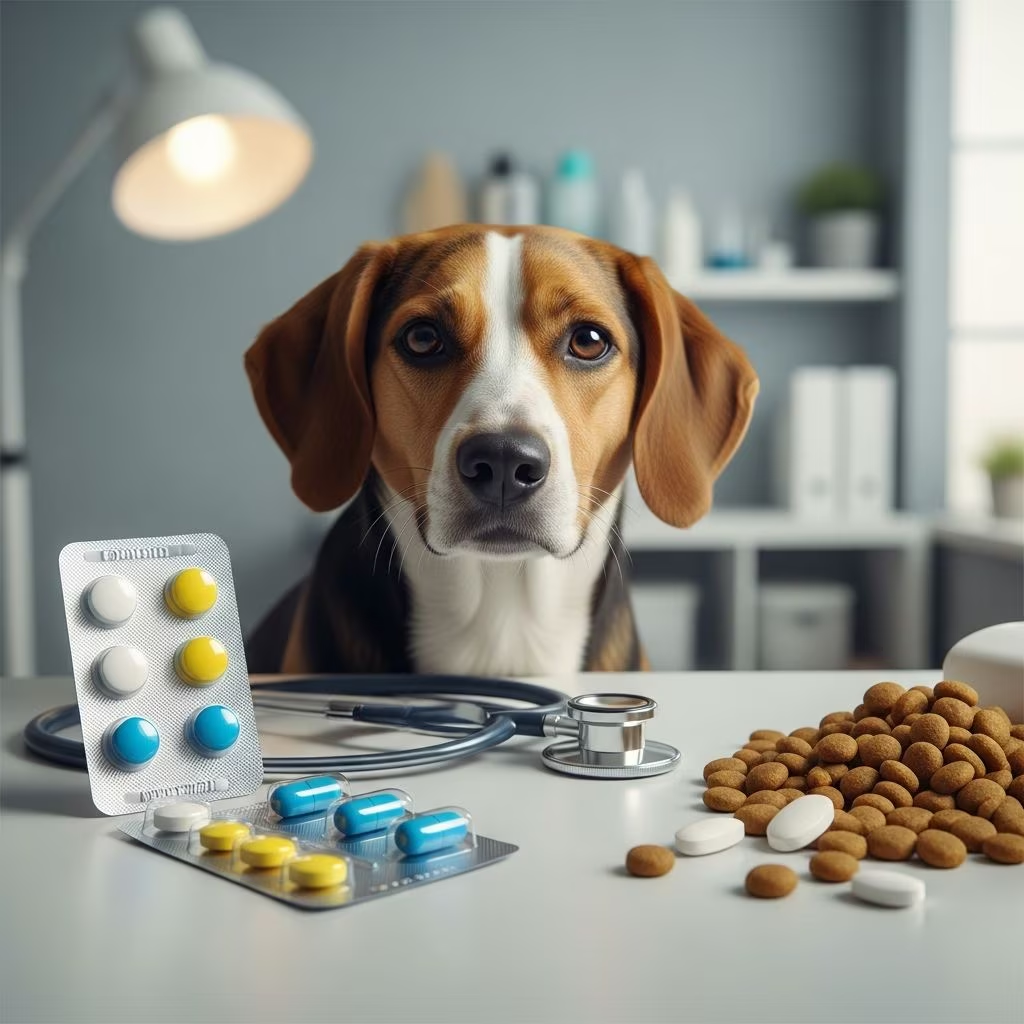
Antibiotics play a vital role in treating bacterial infections in dogs, but they can also trigger a range of side effects that pet owners need to monitor closely. While these medications save lives by combating infections in areas like the skin, urinary tract, and respiratory system, understanding their potential downsides helps ensure safer use.
Why Veterinarians Prescribe Antibiotics for Canines
Dogs receive antibiotics for conditions such as skin wounds, ear infections, pneumonia, and urinary tract issues. These drugs target bacteria by disrupting cell walls, protein synthesis, or DNA replication, depending on the type. Common scenarios include post-surgical prevention, Lyme disease treatment, or gastrointestinal bugs like giardia. Veterinarians select specific antibiotics based on culture tests to match the infection type, promoting effective therapy while minimizing risks.
Popular Antibiotic Classes Used in Canine Medicine
Several classes of antibiotics are routinely prescribed for dogs, each with unique mechanisms and applications. Here’s an overview:
- Penicillins: Including amoxicillin and amoxicillin-clavulanate (Clavamox), these weaken bacterial cell walls and treat skin, respiratory, and urinary infections.
- Cephalosporins: Such as cephalexin and cefovecin (Convenia), they are broad-spectrum options for skin and urinary tract infections with generally low side effect profiles.
- Fluoroquinolones: Enrofloxacin (Baytril) targets urinary, skin, and respiratory infections by halting bacterial DNA replication.
- Tetracyclines: Doxycycline and tetracycline address tick-borne diseases and respiratory issues by inhibiting protein production.
- Lincosamides: Clindamycin handles dental, bone, and skin infections.
- Aminoglycosides: Gentamicin treats eye, ear, and severe infections, often topically.
- Others: Metronidazole for gastrointestinal parasites and infections; sulfonamides like sulfamethoxazole for urinary and skin issues.
| Antibiotic Class | Examples | Common Uses in Dogs |
|---|---|---|
| Penicillins | Amoxicillin, Clavamox | Skin, respiratory, UTI |
| Cephalosporins | Cephalexin, Cefovecin | Skin, UTI, wounds |
| Fluoroquinolones | Enrofloxacin | UTI, skin, lungs |
| Tetracyclines | Doxycycline | Lyme, respiratory |
| Lincosamides | Clindamycin | Bone, dental, skin |
This table summarizes key classes, highlighting their versatility in canine care.
Gastrointestinal Disturbances: The Most Frequent Issue
The digestive system bears the brunt of antibiotic side effects in dogs, with symptoms appearing in up to 50% of cases for certain drugs. Vomiting, diarrhea, and loss of appetite occur because antibiotics disrupt the gut’s natural bacterial balance, leading to dysbiosis. For instance, clindamycin and tetracyclines often cause loose stools due to their impact on intestinal flora. Amoxicillin-clavulanate, a top prescribed option, frequently results in nausea if not given with food. Owners report softer stools within days of starting treatment, which can escalate to dehydration if unchecked.
To mitigate these, administer medications with meals, use probiotic supplements containing Lactobacillus or Bifidobacterium strains, and ensure constant fresh water access. Probiotics help restore gut microbiome equilibrium, reducing diarrhea duration by several days in studies.
Allergic Reactions and Hypersensitivity Risks
Though less common, affecting about 1-10% of dogs, allergic responses to antibiotics demand immediate attention. Symptoms range from mild itching and hives to severe anaphylaxis with facial swelling, difficulty breathing, or collapse. Penicillins like amoxicillin pose the highest allergy risk, with cross-reactivity possible in related classes. Signs may emerge on the first dose if previously sensitized or develop after repeated exposure.
Monitor for hives, excessive scratching, or pale gums post-administration. In emergencies, rush to a vet for epinephrine and supportive care. Prevention involves allergy testing prior to prescription for at-risk breeds like Bulldogs or those with histories.
Effects on Liver, Kidneys, and Other Organs
Prolonged or high-dose antibiotic use can strain organs. Fluoroquinolones like enrofloxacin may crystallize in urine, risking kidney damage especially in dehydrated dogs. Aminoglycosides such as gentamicin carry ototoxicity and nephrotoxicity risks with systemic use, hence topical preference. Tetracyclines can discolor teeth in puppies and cause liver enzyme elevations. Chloramphenicol, while broad-spectrum, poses bone marrow suppression risks with extended courses.
Vets recommend baseline bloodwork before long-term therapy and periodic checks. Hydration, dose adjustments for kidney-impaired dogs, and drug holidays minimize these threats.
Secondary Infections and Long-Term Consequences
Antibiotics can eradicate beneficial bacteria, paving the way for opportunistic pathogens. Clostridium difficile overgrowth leads to severe colitis, marked by bloody diarrhea and fever. Yeast infections in ears or skin flare post-broad-spectrum use due to fungal proliferation. Chronic disruption fosters antibiotic resistance, complicating future treatments—a global concern per veterinary guidelines.
Shortest effective courses, narrow-spectrum selections via susceptibility testing, and hygiene reduce these risks.
Strategies for Minimizing Antibiotic Side Effects
Pet owners can proactively safeguard their dogs:
- Follow dosage and duration precisely—never shorten courses prematurely.
- Give with food unless contraindicated to buffer stomach upset.
- Incorporate vet-approved probiotics daily during and post-treatment.
- Track symptoms in a journal: note stool quality, appetite, energy levels.
- Avoid dairy, antacids, or iron supplements near doses for tetracyclines.
For high-risk pups (seniors, small breeds), discuss alternatives like Convenia injections for compliance ease.
When to Contact Your Veterinarian Urgently
Not all side effects resolve independently. Seek help if:
- Diarrhea persists >48 hours or contains blood/mucus.
- Vomiting exceeds 2-3 times daily.
- Lethargy, jaundice, or seizure-like activity appears.
- Allergic signs like swelling or breathing distress emerge.
- No improvement in infection after 3-5 days.
Early intervention prevents complications; vets may switch drugs or add supportive therapies.
FAQs on Antibiotics and Side Effects in Dogs
Can all dogs tolerate antibiotics equally?
No, puppies, seniors, and those with organ issues face higher risks. Dose adjustments are common.
Do probiotics always help with diarrhea?
They aid most cases by replenishing good bacteria, but severe instances need vet evaluation.
How long do side effects last after stopping antibiotics?
Gut issues often resolve in 3-7 days; monitor and use probiotics to speed recovery.
Are antibiotic injections safer than pills?
Injections like Convenia bypass GI upset but still carry allergy risks.
What if my dog refuses antibiotic pills?
Hide in treats, use pill pockets, or request liquid/compounded forms.
Future Directions in Canine Antimicrobial Therapy
Amid rising resistance, vets emphasize stewardship: culture-guided prescribing, phage therapy research, and vaccines for preventable infections. Pet insurance often covers diagnostics, easing access to optimal care. By partnering with professionals, owners can harness antibiotics’ benefits while curbing harms.
This comprehensive approach empowers informed decisions, keeping tails wagging through treatment.
References
- Guide to Antibiotics for Dogs — MetLife Pet Insurance. 2023. https://www.metlifepetinsurance.com/blog/pet-health/antibiotics-for-dogs/
- Common Antibiotics for Dogs and Cats — Wedgewood Pharmacy. 2023. https://www.wedgewood.com/blog/common-antibiotics-for-dogs-and-cats/
- Antibiotics for Dogs: Common Options and How to Pick One — GoodRx. 2024. https://www.goodrx.com/pet-health/dog/antibiotics-for-dogs
- Top 10 Common Antibiotics for Dogs — Wedgewood Pharmacy. 2023. https://www.wedgewood.com/blog/top-10-common-antibiotics-for-dogs/
- Antibiotic Panels for Susceptibility Testing: Dogs, Cats, and Other Small Animals — Michigan State University College of Veterinary Medicine. 2024. https://cvm.msu.edu/vdl/laboratory-sections/bacteriology-mycology/antimicrobial-susceptibility-testing-ast-resources/antibiotic-panels-for-susceptibility-testing-dogs-cats-and-other-small-animals
- Guide for Antimicrobial Use in Dogs and Cats — Agriculture Victoria (Government). 2023. https://agriculture.vic.gov.au/__data/assets/pdf_file/0010/605764/AGVIC_A5_SmallAnimals_Flipbook.pdf
- Therapeutic Antibiotic Use Patterns in Dogs — National Institutes of Health (PMC). 2011-05-18. https://pmc.ncbi.nlm.nih.gov/articles/PMC3106276/



