

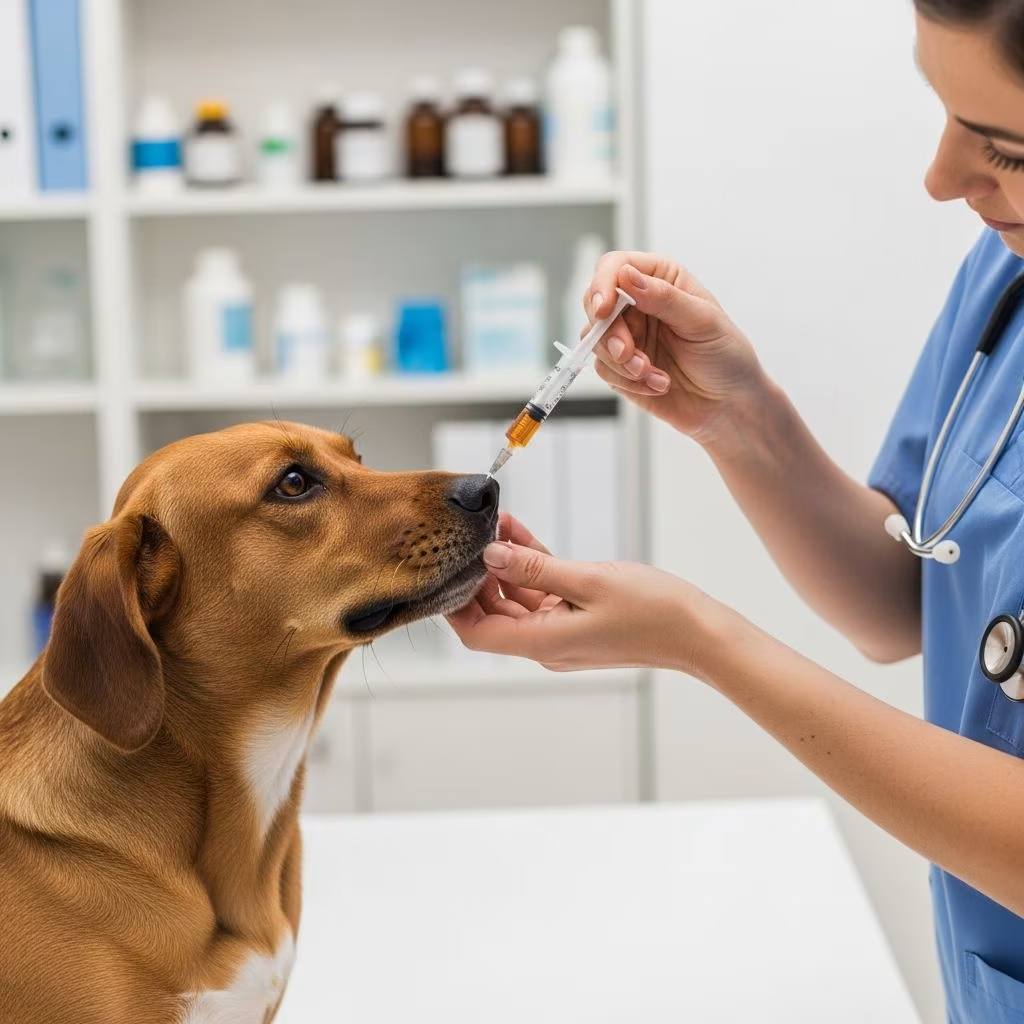
Antibiotics play a crucial role in managing bacterial infections in dogs, helping to restore health when prescribed appropriately by veterinarians. These medications target specific bacteria without harming the dog’s overall system, but their use requires precision to avoid complications like resistance.
Understanding Bacterial Infections in Canines
Dogs encounter various bacterial threats through wounds, contaminated water, or environmental exposure. Common sites include skin (e.g., hot spots, abscesses), ears, urinary tracts, respiratory systems, and gastrointestinal areas. Not all infections need antibiotics; viral or fungal issues demand different treatments. Veterinarians diagnose via exams, cultures, or tests to ensure targeted therapy.
Symptoms signaling bacterial involvement include persistent fever, pus discharge, swelling, lethargy, or appetite loss. Early intervention prevents spread to organs like bones or the brain.
Major Classes of Antibiotics Used in Dogs
Veterinarians select antibiotics based on infection type, bacteria (gram-positive, gram-negative, or anaerobic), and dog factors like age or allergies. Here’s an overview of key classes:
- Penicillins: Disrupt bacterial cell walls. Amoxicillin treats Lyme disease, skin infections, respiratory issues, and UTIs. Often combined (e.g., Clavamox with clavulanate) for broader efficacy.
- Cephalosporins: Broad-spectrum; block cell wall synthesis. Cephalexin handles skin pyoderma, UTIs, and ear infections. Cefovecin (Convenia) offers long-lasting injections; cefpodoxime suits wounds and respiratory cases.
- Fluoroquinolones: Inhibit DNA replication. Enrofloxacin (Baytril) combats stubborn skin, UTI, respiratory, and GI infections.
- Aminoglycosides: Target gram-negative bacteria in ears, skin, eyes. Gentamicin in Mometamax treats ear infections alongside antifungals.
- Lincosamides: Block protein synthesis for skin, dental, bone infections. Clindamycin (Clintabs) also addresses protozoa like toxoplasmosis.
- Macrolides: Effective against gram-positive respiratory pathogens. Azithromycin, erythromycin, tylosin for pneumonia, skin, or GI issues.
- Imidazoles: Disrupt DNA formation. Metronidazole fights GI parasites like giardia and anaerobic infections.
- Sulfonamides: Inhibit growth in respiratory, skin, UTI cases, and coccidiosis.
Common Antibiotics and Their Specific Applications
| Antibiotic | Primary Uses | Form |
|---|---|---|
| Amoxicillin/Clavamox | Skin, respiratory, UTI, wounds | Tablet, suspension |
| Cephalexin | Skin pyoderma, UTI, ears | Capsule, tablet |
| Enrofloxacin (Baytril) | Skin hot spots, pneumonia, GI | Tablet, drops |
| Metronidazole | Diarrhea, giardia, liver | Tablet |
| Clindamycin | Dental, bone, skin | Tablet |
| Cefpodoxime | Skin abscesses, respiratory, bladder | Tablet |
These selections stem from efficacy against prevalent canine pathogens.
Administering Antibiotics Safely to Your Dog
Follow vet instructions precisely: dosages vary by weight, e.g., cephalexin 20-30 mg/kg every 12 hours for 21-42 days. Give with food to reduce stomach upset; complete the full course to eradicate bacteria fully.
Topical forms like Animax ointment treat localized skin/ear issues with anti-inflammatory benefits. Injectable options like cefovecin provide 14-day coverage, ideal for hard-to-pill dogs.
Potential Side Effects and Monitoring
Most dogs tolerate antibiotics well, but watch for vomiting, diarrhea, drooling, or lethargy. Allergic reactions (hives, swelling, breathing issues) require immediate vet care. Long-term use risks gut flora disruption or organ strain (e.g., kidney effects from aminoglycosides).
Probiotics may support digestion during treatment. Regular bloodwork monitors chronic cases.
The Growing Concern of Antibiotic Resistance
Overuse fosters resistant superbugs, complicating treatments. Guidelines from AAFP/AAHA urge culture-based prescribing, first-line drugs, and minimal duration. Avoid human antibiotics; they differ in formulation and safety[10].
Stewardship involves client education on proper use, reducing unnecessary prescriptions for viral illnesses.
When to Consult a Veterinarian
- Symptoms persist >48 hours despite home care.
- Fever >103°F, bloody discharge, or collapse.
- Known allergies or concurrent meds.
- Puppy, senior, or pregnant dogs.
Telehealth options like Dutch facilitate quick prescriptions.
Preventing Infections to Minimize Antibiotic Needs
Vaccinate against leptospirosis/Lyme, maintain hygiene, control fleas/ticks, and ensure clean water. Prompt wound cleaning avoids abscesses.
FAQs on Antibiotics for Dogs
Are antibiotics safe for dogs?
Yes, when vet-prescribed and dosed correctly, though side effects are possible.
What are the most common antibiotics for dogs?
Amoxicillin, cephalexin, doxycycline, enrofloxacin, metronidazole.
Can I give my dog human antibiotics?
No; formulations differ, risking toxicity or inefficacy[10].
How long do dog antibiotics take to work?
Improvement in 2-3 days; complete full course.
Do antibiotics treat all dog infections?
No, only bacterial; viruses/fungi need alternatives.
References
- Antibiotics for Dogs: Common Options and How to Pick One — GoodRx. 2023. https://www.goodrx.com/pet-health/dog/antibiotics-for-dogs
- Antibiotics for dogs: The complete guide and 16+ types — Dutch. 2024. https://www.dutch.com/blogs/dogs/antibiotics-for-dogs-guide
- Dosages of Antistaphylococcal Antimicrobials — Merck Veterinary Manual. 2023. https://www.merckvetmanual.com/multimedia/table/dosages-of-antistaphylococcal-antimicrobials
- GUIDE FOR ANTIMICROBIAL USE IN DOGS AND CATS — Agriculture Victoria (.gov.au). 2023. https://agriculture.vic.gov.au/__data/assets/pdf_file/0010/605764/AGVIC_A5_SmallAnimals_Flipbook.pdf
- Guidelines for antimicrobial use in the treatment of dogs and cats — AMR Vet Collective. 2022. https://www.amrvetcollective.com/assets/guidelines/guide_comp.pdf
- AAFP/AAHA antimicrobial stewardship guidelines — AVMA. 2023. https://www.avma.org/resources-tools/avma-policies/aafpaaha-antimicrobial-stewardship-guidelines



