

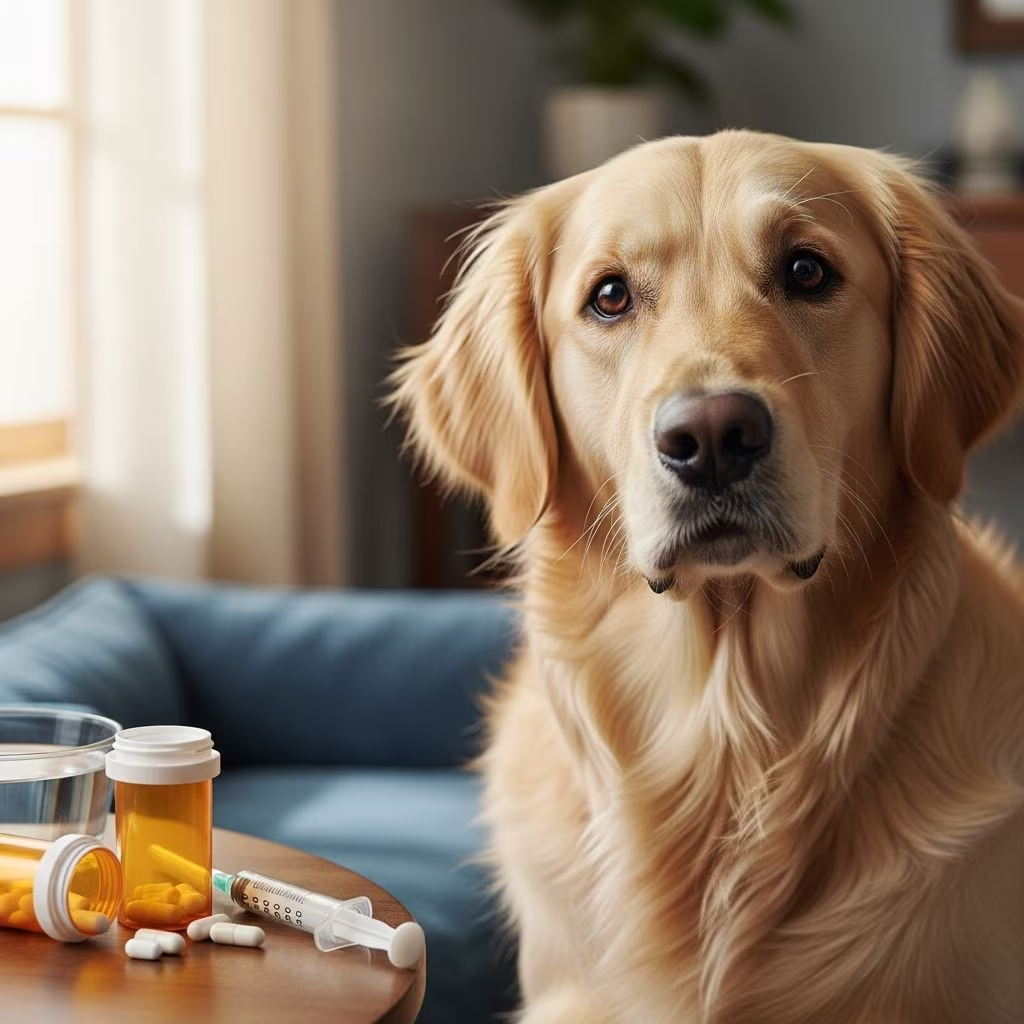
Antibiotics for Dogs: A Comprehensive Guide
Bacterial infections are a common health concern for dogs, and antibiotics play a crucial role in treating these conditions effectively. Understanding how antibiotics work, which types are available, and how to administer them properly can help pet owners support their dogs’ recovery and prevent complications. This comprehensive guide covers everything you need to know about antibiotics for dogs, from common types to administration best practices.
What Are Antibiotics and How Do They Work?
Antibiotics are medications designed to kill bacteria or prevent their growth and reproduction. Different classes of antibiotics work through various mechanisms to combat bacterial infections. Some antibiotics damage bacterial cell walls, causing the cells to break down and die, while others interfere with bacterial protein production or DNA creation. Understanding how antibiotics function helps explain why different medications are prescribed for different types of infections.
Veterinarians select specific antibiotics based on the type of bacteria causing the infection, the severity of the condition, and your individual dog’s health status. Using the right antibiotic is essential for effective treatment and helps reduce the risk of antibiotic resistance, a growing concern in both human and veterinary medicine.
Common Types of Antibiotics for Dogs
Several classes of antibiotics are regularly prescribed to treat bacterial infections in dogs. Each class has specific strengths and is used for particular types of infections:
Penicillins
Penicillins, including amoxicillin and amoxicillin-clavulanic acid, are among the most commonly prescribed antibiotics for dogs. These medications damage bacterial cell walls and are effective against a wide range of infections, including Lyme disease, leptospirosis, bite wounds, skin infections, bone infections, respiratory tract infections, intestinal infections, and urinary tract infections. Penicillin antibiotics are often combined with other antibiotics to enhance their effectiveness.
Cephalosporins
Cephalosporin antibiotics are broad-spectrum medications that block the ability of bacterial cells to strengthen their cell walls, ultimately causing the cells to die. Veterinarians frequently prescribe cephalosporin antibiotics like cephalexin and cefovecin to treat skin infections and urinary tract infections in dogs.
Fluoroquinolones
Fluoroquinolone antibiotics work by preventing bacteria from replicating, which effectively wipes out the infection. Several topical formulations of these antibiotics are prescribed as drops to treat ear and eye infections in dogs, including enrofloxacin, ciprofloxacin, and ofloxacin. These medications are particularly useful when treating resistant infections or specific bacterial strains.
Lincosamides
Lincosamide antibiotics, particularly clindamycin, interfere with the creation of key proteins that bacteria need to survive. Clindamycin is commonly prescribed to dogs to treat skin, dental, or bone infections and is often chosen when other antibiotics may not be appropriate.
Macrolides
Macrolide antibiotics disrupt protein creation in gram-positive bacteria and are particularly useful in treating respiratory infections in dogs, including pneumonia. They are also used to treat ear, skin, gastrointestinal, and urinary tract infections. Commonly prescribed macrolides include tylosin, erythromycin, and azithromycin.
Imidazoles
Imidazole antibiotics kill bacteria by disrupting the creation of DNA in their cells. Metronidazole is a popular antibiotic in this class for dogs and can treat a wide range of infections, including liver infections and intestinal issues that cause diarrhea, such as giardia.
Aminoglycosides
Aminoglycoside antibiotics are used to treat ear, skin, and eye infections caused by gram-negative bacteria. Medications in this class include gentamicin, amikacin, and streptomycin. Topical treatments like Mometamax, which combines gentamicin with an antifungal and steroid, can be effective against some ear infections.
Amphenicols
Amphenicols, specifically chloramphenicol, are broad-spectrum antibiotics that can kill gram-negative, gram-positive, and anaerobic bacteria. Chloramphenicol is used to treat a wide range of lung, stomach, and urinary infections in dogs.
Sulfonamides
Sulfonamide antibiotics interfere with the growth and reproduction of some bacteria and parasites. Examples include sulfadimethoxine and sulfamethoxazole. Veterinarians use them to treat the parasitic disease coccidiosis in dogs, as well as some infections of the respiratory tract, urinary tract, and skin.
First-Line Antibiotic Options
When your veterinarian suspects a bacterial infection, they often start with first-line antibiotics, which are effective against many common bacterial infections and generally have fewer side effects when properly administered. Common first-line options include:
| Antibiotic | Common Uses | Type |
|---|---|---|
| Amoxicillin/Clavulanic Acid | Skin, respiratory, urinary infections | Penicillin |
| Cephalexin | Skin and soft tissue infections | Cephalosporin |
| Clindamycin | Skin, dental, bone infections | Lincosamide |
| Doxycycline | Respiratory, tick-borne infections | Tetracycline |
Advanced Treatment Options
For more severe or resistant infections, veterinarians may prescribe advanced treatment options, including third and fourth-generation cephalosporins, specialized fluoroquinolones, and combination therapies. These medications are reserved for cases where first-line antibiotics have proven ineffective or when the infection is particularly aggressive. Your veterinarian will determine if advanced treatment is necessary based on diagnostic test results and your dog’s clinical presentation.
Forms of Antibiotic Administration
Antibiotics for dogs can be administered in several different forms, depending on your dog’s diagnosis and the specific medication prescribed:
Oral Medications: Pills or liquid formulations are the most common form of antibiotic administration. These are taken by mouth and absorbed through the digestive system. Your veterinarian will provide specific instructions about whether to give the medication with or without food.
Topical Treatments: Skin ointments, creams, and ear drops are used for localized infections affecting the skin, ears, or eyes. These medications deliver the antibiotic directly to the affected area.
Injectable Antibiotics: In some cases, your veterinarian may administer antibiotics intravenously or through intramuscular injection in their clinic. This method is often used for severe infections or when oral medication is not appropriate.
Proper Administration and Care
Successful antibiotic treatment depends largely on proper administration of the medication. Following your veterinarian’s instructions precisely is essential for effective treatment and to prevent complications:
Follow the Prescribed Dosing Schedule: Give your dog the exact dose at the times your veterinarian recommends. Setting reminders on your phone can help you maintain consistent timing.
Complete the Entire Course: Even if your dog appears to feel better, it’s crucial to give the full course of antibiotics as prescribed. Stopping treatment early can allow bacteria to survive and develop resistance to the medication.
Food Interactions: Some antibiotics should be given with food to minimize stomach upset, while others are best absorbed on an empty stomach. Follow your veterinarian’s specific instructions regarding food.
Monitor for Adverse Reactions: Watch your dog for any signs of negative reactions to the medication, such as vomiting, diarrhea, letharness, or allergic reactions. Contact your veterinarian immediately if you notice any concerning symptoms.
Store Properly: Keep medications in a cool, dry place away from direct sunlight unless otherwise directed. Check expiration dates and never use expired medications.
Potential Side Effects of Dog Antibiotics
While antibiotics are generally safe and effective when used as prescribed, side effects can occasionally occur. Common side effects are usually mild and may include:
Gastrointestinal Issues: Stomach upset, including nausea, vomiting, and diarrhea, are among the most common side effects. These symptoms often resolve on their own but should be reported to your veterinarian if they persist or worsen.
Fatigue: Some dogs may experience letharness or reduced energy levels while taking antibiotics. This typically resolves once treatment is complete.
Skin Irritation: Topical antibiotics can occasionally cause local skin irritation, redness, or itching at the application site.
Allergic Reactions: Though rare, some dogs may have allergic reactions to certain antibiotics. Signs include facial swelling, hives, difficulty breathing, or severe vomiting. Seek immediate veterinary care if you suspect an allergic reaction.
If your dog experiences any concerning side effects, contact your veterinarian right away. They may adjust the dosage, change the medication, or recommend supportive care to help manage symptoms.
Preventing Future Bacterial Infections
While not all bacterial infections are preventable, you can significantly reduce your dog’s risk of developing infections by implementing preventive strategies:
Maintain Good Hygiene: Regular bathing and grooming help keep your dog’s skin healthy and reduce the risk of bacterial colonization. Clean bedding and food bowls regularly.
Schedule Regular Veterinary Check-ups: Routine wellness exams allow your veterinarian to identify potential health issues early, before they develop into serious infections.
Prompt Wound Care: Clean and treat any cuts, scrapes, or bite wounds immediately. Cover wounds if necessary and monitor them for signs of infection, such as redness, swelling, discharge, or foul odor.
Support Your Dog’s Immune System: Provide high-quality nutrition, regular exercise, adequate sleep, and stress reduction. A healthy immune system is your dog’s best defense against bacterial infections.
Parasite Prevention: Keep your dog on appropriate tick and flea prevention, as these parasites can carry bacteria that cause infections. Ask your veterinarian about the best prevention options for your dog.
Vaccination: Ensure your dog is up-to-date on all recommended vaccinations. Vaccines help prevent certain bacterial infections and boost overall immunity.
When to Seek Veterinary Care
It’s important to recognize signs that your dog may need antibiotic treatment and to seek veterinary care promptly. Contact your veterinarian if you notice:
Fever: A body temperature higher than 103°F (39.4°C) indicates your dog may have an infection.
Lethargy: Unusual tiredness or lack of interest in normal activities can signal an underlying infection.
Loss of Appetite: Refusing food or showing decreased interest in eating may indicate illness.
Unusual Discharge: Discharge from the eyes, ears, nose, or wounds should be evaluated promptly.
Persistent Skin Issues: Recurring skin infections, excessive itching, or slow-healing wounds warrant veterinary attention.
Behavioral Changes: Any significant change in your dog’s normal behavior may indicate a health problem.
Only a veterinarian can properly diagnose whether antibiotics are necessary, so professional evaluation is essential when you notice these signs.
Antibiotic Resistance and Responsible Use
Antibiotic resistance occurs when bacteria evolve to survive exposure to antibiotics, making these medications less effective. As a responsible pet owner, you can help combat this serious issue by:
– Using antibiotics only when prescribed by a veterinarian
– Completing the full course of treatment as directed
– Never sharing your dog’s antibiotics with other pets
– Not requesting antibiotics for viral infections, as they are ineffective against viruses
– Following your veterinarian’s guidance on appropriate antibiotic selection
Frequently Asked Questions
Q: What are the most commonly prescribed antibiotics for bacterial infections in dogs?
A: The most commonly prescribed antibiotics include amoxicillin, cephalexin, clindamycin, and doxycycline. Your veterinarian will select the most appropriate option based on the type and severity of infection, as well as your dog’s individual health status and medical history.
Q: How long does it typically take for antibiotics to work in dogs?
A: Most dogs show improvement within 48 to 72 hours of starting antibiotics, though the full course of treatment is usually necessary to eliminate the infection completely. The time required depends on the type of infection and the antibiotic prescribed.
Q: Can I give my dog antibiotics without a veterinary prescription?
A: No, antibiotics should only be given under veterinary supervision. A veterinarian must diagnose the infection, identify the causative bacteria, and prescribe the appropriate medication and dosage for your specific dog.
Q: What should I do if my dog misses a dose of antibiotics?
A: If you miss a dose, give it as soon as you remember, unless it’s almost time for the next dose. Never double-dose to make up for a missed dose. Contact your veterinarian for specific guidance if you’re unsure.
Q: Are there any foods or supplements that interact with dog antibiotics?
A: Some foods and supplements can interact with certain antibiotics. Ask your veterinarian whether your dog’s specific antibiotic should be given with or without food, and always inform them about any supplements or medications your dog is taking.
Q: How do I know if my dog’s infection needs antibiotics?
A: Seek veterinary care if you notice signs such as fever, lethargy, loss of appetite, unusual discharge, or persistent skin issues. Only a veterinarian can properly diagnose whether antibiotics are necessary through physical examination and diagnostic testing.
References
- Complete Guide to Dog Antibiotics for Bacterial Infections — PetsCare. 2024. https://www.petscare.com/news/post/dog-antibiotics-bacterial-infections
- Antibiotics for Dogs: Common Options and How to Pick One — GoodRx. 2024. https://www.goodrx.com/pet-health/dog/antibiotics-for-dogs
- Guidelines for antimicrobial use in the treatment of dogs and cats — AMR Vet Collective, Swedish Veterinary Society. 2023. https://www.amrvetcollective.com/assets/guidelines/guide_comp.pdf
- Antimicrobial Use in Animals – Pharmacology — Merck Veterinary Manual. 2024. https://www.merckvetmanual.com/pharmacology/systemic-pharmacotherapeutics-of-the-eye/antimicrobial-use-in-animals
- Clinical consensus statements and guidelines on the general use of antibiotics — Laboklin. 2024. https://laboklin.com/wp-content/uploads/2024/07/Guidelines_general_use_of_antibiotics.pdf
- 2022 AAFP/AAHA Antimicrobial Stewardship Guidelines — American Animal Hospital Association and American Feline Medical Association. 2022. https://www.aaha.org/wp-content/uploads/globalassets/02-guidelines/2022-antimicrobial/2022-aafp_aaha-antimicrobial-stewardship-guidelines.pdf



