

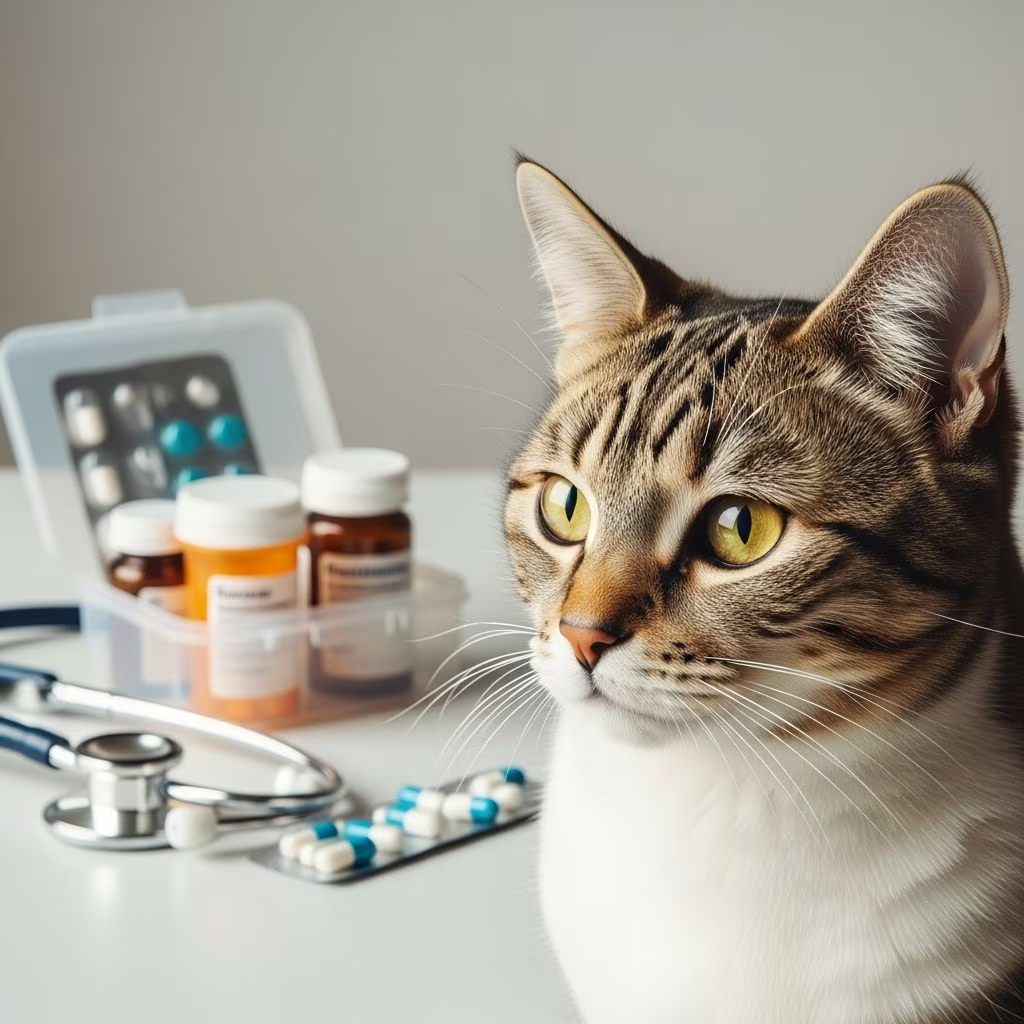
What Are Antibiotics for Cats?
Antibiotics are medications designed to treat bacterial infections in cats by either killing bacteria outright or preventing them from multiplying, thereby allowing your cat’s natural immune system to fight the infection. These medications are essential tools in veterinary medicine for managing a wide range of bacterial conditions that can affect your feline companion.
Understanding how antibiotics work and when they’re necessary is crucial for responsible pet ownership. Antibiotics are available in multiple forms to address different types of infections and their locations in your cat’s body, including oral medications, topical applications, and injectable solutions administered by veterinary professionals.
How Do Antibiotics Work?
Antibiotics function through two primary mechanisms: bactericidal action, where the medication kills bacteria directly, or bacteriostatic action, where it stops bacteria from multiplying. This second approach allows your cat’s immune system to eliminate the remaining infection naturally. The choice between these approaches depends on the specific antibiotic and the type of bacterial infection being treated.
The effectiveness of an antibiotic depends on several factors, including the specific bacteria causing the infection, the severity of the infection, and the location affected in your cat’s body. Your veterinarian will determine which antibiotic is most appropriate based on these clinical considerations.
Forms of Antibiotics for Cats
Antibiotics for cats come in three primary forms, each suited to different clinical situations:
Oral Antibiotics
Oral antibiotics are administered as tablets or liquid formulations. These are the most commonly prescribed form and are used for systemic infections affecting multiple body systems. Oral medications must be given exactly as prescribed, typically with or without food depending on the specific antibiotic.
Topical Antibiotics
Topical antibiotics are applied directly to the affected area as creams or ointments. These are particularly useful for treating localized skin infections, wounds, and eye infections. Topical applications allow medication to reach the infection site directly while minimizing systemic side effects.
Injectable Antibiotics
Injectable antibiotics are administered by veterinarians either intramuscularly or intravenously. These are typically reserved for severe infections or cats unable to take oral medications. Injectable forms ensure complete medication absorption and are often used in hospitalized or critically ill cats.
Common Types of Antibiotics for Cats
Your veterinarian selects antibiotics based on the suspected or confirmed bacterial species, your cat’s weight and health status, potential drug interactions, and the severity and location of the infection. Here are the most commonly prescribed antibiotics for feline patients:
| Antibiotic Name | Common Forms | What It Treats |
|---|---|---|
| Amoxicillin | Oral tablets or liquid | Skin, respiratory, urinary tract, reproductive, and gastrointestinal infections |
| Cephalexin | Oral tablets or liquid | Skin, soft tissue, urinary tract, and periodontal infections |
| Clindamycin | Oral tablets or liquid | Wounds, abscesses, dental infections, and bone infections (osteomyelitis) |
| Doxycycline | Oral tablets or liquid | Bacterial upper and lower respiratory infections, periodontal infections, and tick-borne illnesses including Lyme disease and Rocky Mountain Spotted Fever |
| Enrofloxacin | Oral tablets | Respiratory, urinary tract, skin, and other bacterial infections, especially severe cases |
| Gentamicin | Eye drops or injection | Eye infections and serious systemic infections |
| Metronidazole | Oral tablets, liquid, or injection | Gastrointestinal infections, protozoal parasites including Giardia, and inflammation |
| Orbifloxacin | Oral liquid | Wounds, abscesses, skin infections, and kidney, bladder, and respiratory infections |
Side Effects of Antibiotics in Cats
While antibiotics are generally safe when prescribed and administered correctly, they can cause side effects in some cats. Understanding potential adverse effects helps you monitor your cat’s response to treatment and report concerns to your veterinarian promptly.
Common Side Effects
The most frequently reported side effects include gastrointestinal symptoms such as nausea, vomiting, diarrhea, and loss of appetite. These symptoms may indicate that the medication is irritating your cat’s digestive tract. Some antibiotics can cause sensitivity to light or skin reactions.
Severe Side Effects
Less common but more serious side effects may include liver or kidney damage, particularly with certain antibiotics or in cats with pre-existing health conditions. Neurological effects, severe allergic reactions, and photosensitivity represent serious concerns that require immediate veterinary attention.
Cats receiving certain antibiotics should avoid direct sunlight, as some medications increase sensitivity to UV radiation. Always inform your veterinarian about your cat’s complete medical history and any previous medication reactions.
Signs of an Allergic Reaction to Antibiotics in Cats
Allergic reactions to antibiotics require immediate veterinary care. Recognizing the signs of an allergic reaction enables you to seek treatment quickly, potentially preventing serious complications.
Mild Allergic Reactions
Mild allergic responses include localized itching, mild swelling of the face or paws, and skin rashes. These may appear within hours of administration and warrant veterinary consultation before continuing the medication.
Severe Allergic Reactions
Severe reactions include facial swelling, difficulty breathing, wheezing, severe vomiting or diarrhea, and collapse. Anaphylaxis is a life-threatening emergency requiring immediate emergency veterinary care. If you observe any of these symptoms after administering an antibiotic, contact your veterinarian or emergency clinic immediately.
Some cats may develop delayed hypersensitivity reactions days after starting an antibiotic. Monitor your cat throughout the treatment period for any unusual symptoms or behavioral changes.
Over-the-Counter Antibiotics for Cats
While numerous over-the-counter antibiotic products are available, most are not appropriate for cats. Products like triple antibiotic ointment (Neosporin) contain ingredients that can be toxic when ingested during normal grooming. Cats lack certain liver enzymes necessary to metabolize some common topical antibiotics, making them unsafe for feline use.
The only appropriate over-the-counter option for cats is antibiotic ointments specifically formulated for veterinary use. However, even these should only be used under veterinary guidance. Never attempt to treat your cat with human antibiotics or over-the-counter medications without explicit veterinary approval, as this can lead to serious complications, drug interactions, or antibiotic resistance development.
Natural Antibiotics for Cats
Some natural substances possess antimicrobial properties and may support healing in mild cases, but they should never replace prescription antibiotics without veterinary consultation. Natural remedies work best as complementary treatments alongside conventional medicine rather than as standalone solutions.
Supportive Natural Options
Colostrum, honey, and certain herbs like oregano oil contain compounds with antimicrobial activity. These may support immune function and wound healing when used appropriately. However, some natural products can interact with prescribed medications or cause adverse effects in cats with certain health conditions.
High-quality nutrition plays a crucial role in supporting your cat’s immune system during infection recovery. Adequate protein, essential fatty acids, vitamins, and minerals enable your cat’s body to fight infection more effectively alongside prescribed antibiotics.
Probiotics may help restore healthy gut bacteria that antibiotics sometimes disrupt. Discuss probiotic supplementation with your veterinarian to determine if it’s appropriate for your cat during antibiotic treatment.
Essential Guidelines for Antibiotic Administration
Complete the Full Course
One of the most critical guidelines is completing the entire antibiotic course exactly as prescribed by your veterinarian. Stopping treatment early, even if your cat appears to feel better, allows hardier bacteria to multiply and potentially develop antibiotic resistance. These resistant “superbugs” become extremely difficult to treat and may require stronger antibiotics with greater side effect risks.
Weight-Based Dosing
Antibiotics are dosed based on your cat’s weight, age, overall health status, and any pre-existing conditions. For example, amoxicillin is typically dosed at 10-20 mg per kilogram of body weight, given twice daily. A 4 kg (8.8 pound) cat would receive 40-80 mg twice daily. Never adjust dosages without veterinary guidance.
Timing and Administration
Give antibiotics at the exact times prescribed by your veterinarian. Some medications should be given with food, while others require an empty stomach for optimal absorption. Always follow your veterinarian’s specific instructions regarding administration to ensure maximum effectiveness and minimize side effects.
Monitor for Side Effects
Watch your cat closely during antibiotic treatment for any signs of adverse effects or allergic reactions. Report any changes in appetite, behavior, energy level, or appearance to your veterinarian immediately.
Frequently Asked Questions About Antibiotics for Cats
Q: What is the best antibiotic for treating cat bites?
A: When cats bite each other, puncture wounds can easily lead to deep tissue infections and abscesses. Veterinarians typically prescribe amoxicillin, amoxicillin/clavulanic acid, or clindamycin for cat bite wounds, as these antibiotics are effective against bacteria commonly found in bite wounds.
Q: What antibiotic is used for urinary tract infections in cats?
A: Common antibiotics for feline urinary tract infections include amoxicillin, amoxicillin/clavulanic acid, and enrofloxacin. Your veterinarian determines the best choice based on urine culture and sensitivity testing to identify the specific bacteria and its antibiotic susceptibilities.
Q: Is triple antibiotic ointment safe to use on cats?
A: No, triple antibiotic ointments such as Neosporin are not recommended for cats. Some ingredients can be toxic when ingested during grooming. Always use veterinarian-prescribed antibiotic ointments formulated specifically for cats.
Q: How long does my cat need to take antibiotics?
A: Most antibiotic courses for cats range from 7-14 days, though some conditions require longer treatment. Your veterinarian determines the appropriate duration based on the infection type and how quickly the specific bacteria are eliminated. Never stop treatment early without veterinary guidance.
Q: Can I give my cat human antibiotics?
A: No, never give your cat human antibiotics without explicit veterinary approval. Cats have unique physiological processes requiring species-specific medication approaches. Human medications may be inappropriate dosages or contain ingredients unsafe for feline use.
Q: What should I do if my cat misses a dose?
A: If your cat misses a dose, give it as soon as you remember unless it’s almost time for the next dose. Never double-dose to make up for a missed dose. Contact your veterinarian for guidance on missed doses, especially near the end of treatment.
Q: How can I prevent antibiotic resistance?
A: Prevent antibiotic resistance by only using antibiotics when prescribed by your veterinarian, completing the entire treatment course, giving correct dosages at prescribed intervals, and not sharing antibiotics between pets or using leftover antibiotics from previous treatments.
When Your Cat Needs Antibiotics
Your veterinarian prescribes antibiotics when clinical signs and diagnostic test results confirm a bacterial infection. Not all illnesses require antibiotics; antibiotics treat bacterial infections specifically and are ineffective for viral, fungal, or parasitic infections. Using antibiotics unnecessarily contributes to antibiotic resistance development, making these life-saving medications less effective over time.
Always follow your veterinarian’s instructions, complete the entire antibiotic course, and watch for potential side effects or allergic reactions. If you have concerns about your cat’s antibiotic treatment, discuss them with your veterinarian before making any changes to the prescribed regimen.
References
- What Are Antibiotics for Cats? Does My Cat Need Them? — Chewy Education. 2024. https://www.chewy.com/education/cat/health-and-wellness/antibiotics-for-cats
- Cat Antibiotic Dosage: 5 Essential Guidelines for Pet Owners — The Pet Vet. 2024. https://thepetvet.com/cat-antibiotic-dosage/
- What Are the Best Practices for Antibiotic Use in Feline Upper Respiratory Tract Disease — DVM 360. 2024. https://www.dvm360.com/view/what-are-best-practices-antibiotic-use-feline-upper-respiratory-tract-disease
- Antimicrobial Use in Animals — Merck Veterinary Manual. 2024. https://www.merckvetmanual.com/pharmacology/systemic-pharmacotherapeutics-of-the-eye/antimicrobial-use-in-animals
- American Association of Feline Practitioners Basic Guidelines for Antimicrobial Therapy — National Center for Biotechnology Information. 2024. https://pmc.ncbi.nlm.nih.gov/articles/PMC10822526/
- Guidelines for Antimicrobial Use in the Treatment of Dogs and Cats — AMR Vet Collective and Swedish Veterinary Society. 2024. https://www.amrvetcollective.com/assets/guidelines/guide_comp.pdf
- Guide for Antimicrobial Use in Dogs and Cats — Agriculture Victoria. 2024. https://agriculture.vic.gov.au/__data/assets/pdf_file/0010/605764/AGVIC_A5_SmallAnimals_Flipbook.pdf



