

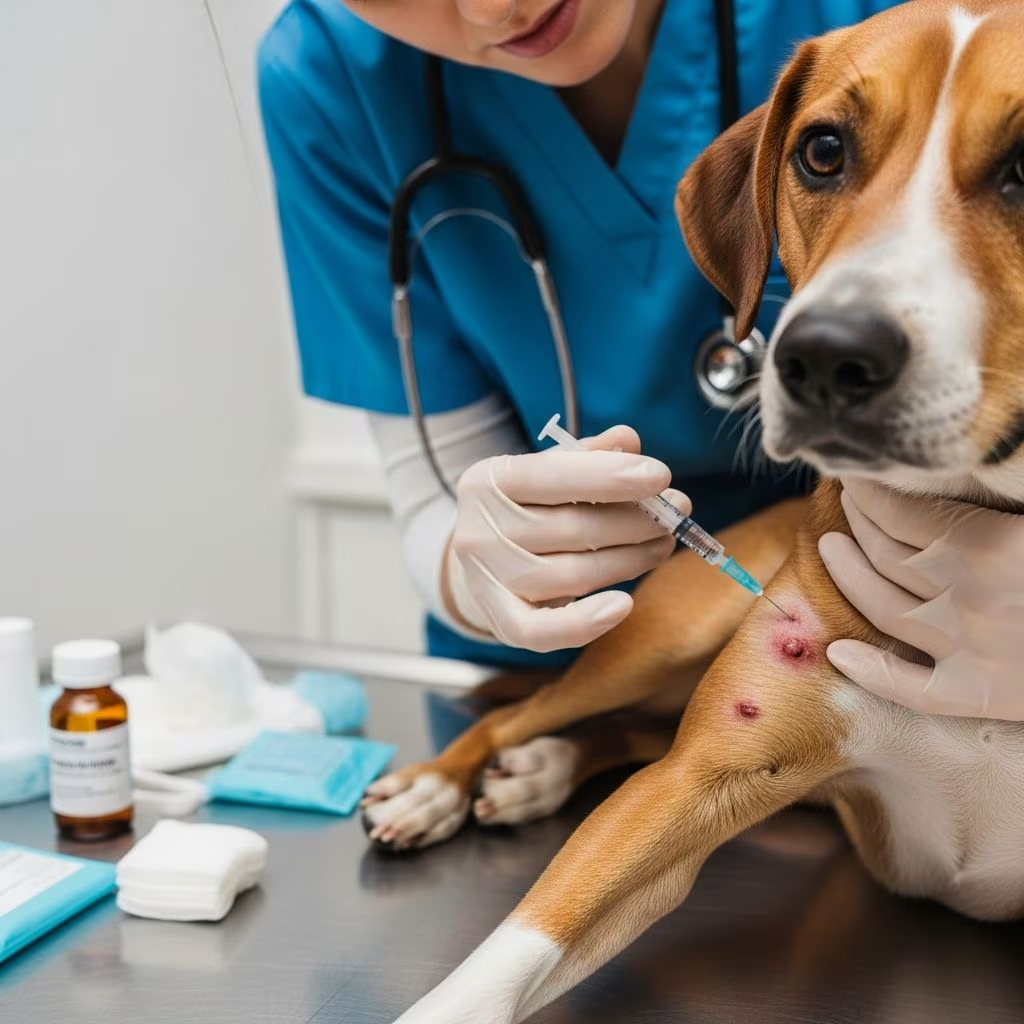
Bacterial infections of the skin, known as pyodermas, represent one of the most common dermatological challenges in veterinary medicine, particularly in dogs and cats. These conditions often stem from underlying issues like allergies or hormonal imbalances but require targeted antibacterial intervention to resolve clinical signs such as pustules, crusts, and alopecia. Effective management hinges on selecting appropriate systemic or topical agents based on infection depth, bacterial susceptibility, and stewardship principles to curb resistance.
Understanding Bacterial Skin Disorders in Animals
Skin infections in animals primarily involve gram-positive bacteria like Staphylococcus pseudintermedius, which dominates canine pyodermas. Superficial forms affect the epidermis, presenting as folliculitis or impetigo, while deep pyodermas penetrate hair follicles, leading to furunculosis and cellulitis. In cats, similar pathogens cause miliary dermatitis or abscesses. Diagnosis relies on cytology, revealing neutrophils with intracellular bacteria, and culture for resistant cases. Prompt identification prevents chronicity and reduces antibiotic duration.
Secondary factors like poor grooming, obesity, or immunosuppression exacerbate these infections. Veterinary guidelines stress addressing root causes—such as flea control or atopic dermatitis management—alongside antibacterials for lasting remission.
Core Principles of Antimicrobial Selection
Choosing the right antibacterial demands consideration of spectrum, pharmacokinetics, and local resistance patterns. First-line agents target staphylococci empirically, reserving broader options for confirmed multidrug-resistant strains like methicillin-resistant S. pseudintermedius (MRSP). Treatment duration varies: 3-4 weeks for superficial pyodermas, 4-8 weeks or longer for deep ones, guided by clinical resolution rather than fixed courses.
- Empiric therapy: Safe for uncomplicated cases based on cytology.
- Culture-directed: Essential for recurrent, non-responsive, or hospitalized patients.
- Combination approach: Pair systemics with topicals to shorten courses and minimize resistance.
Systemic Antibiotics: First-Line Recommendations
Initial therapy prioritizes beta-lactams with proven efficacy against skin pathogens. Cephalexin, a first-generation cephalosporin, offers excellent skin penetration and once- or twice-daily dosing convenience.
| Drug | Dose (Dogs) | Frequency | Notes |
|---|---|---|---|
| Cephalexin | 22–30 mg/kg PO | q12h | Preferred empiric choice; safe for long-term use. |
| Amoxicillin-clavulanate | 12.5–25 mg/kg PO | q12h | Broad-spectrum; effective for deep pyodermas. |
| Clindamycin | 5.5–11 mg/kg PO | q12h | Anaerobe coverage; monitor for GI upset. |
| Cefpodoxime | 5–10 mg/kg PO | q24h | Third-generation; convenient once-daily. |
These agents achieve high concentrations in pilosebaceous units, the primary infection site. Studies confirm cephalexin resolves 90% of superficial pyodermas within 21 days.
Advanced Systemic Options for Resistant Cases
When first-line failures occur, escalate to culture-guided therapy. Tetracyclines like doxycycline (5–10 mg/kg PO q12h) suit MRSP if susceptible, offering anti-inflammatory bonuses. Fluoroquinolones (e.g., enrofloxacin 5–20 mg/kg PO q24h) target gram-negatives but risk resistance in staphylococci—avoid empirically.
| Category | Examples | Dose (Dogs) | Indications |
|---|---|---|---|
| Tetracyclines | Doxycycline, Minocycline | 5–10 mg/kg PO q12h | MRSP, atypical mycobacteria. |
| Fluoroquinolones | Enrofloxacin, Marbofloxacin | 5–20 mg/kg or 2.75–5.5 mg/kg PO q24h | Gram-negatives; culture only. |
| Sulfonamides | Trimethoprim-sulfadiazine | 15–30 mg/kg PO q12h | Nocardia, if sensitive. |
| Others | Chloramphenicol, Rifampin | 40–50 mg/kg q8h; 3–6 mg/kg q24h | Reserve for severe resistance. |
Potentiated sulfonamides tolerate well in most dogs, with once-daily sulfamethoxine/ormetoprim as an alternative. Lincosamides like clindamycin demand full macrolide susceptibility testing due to inducible resistance.
Topical Therapies: Minimizing Systemic Reliance
Topicals shine for superficial pyodermas, reducing systemic antibiotic needs and resistance pressure. Chlorhexidine (2-4%) disrupts bacterial membranes, synergizing with miconazole against staphylococci and Malassezia. Daily baths or leave-on sprays accelerate healing.
- Shampoos: Chlorhexidine-based, every 1-2 days.
- Ointments: Mupirocin for focal MRSP lesions.
- Sprays: Amikacin (5 mg/mL in Tris-EDTA) bid for resistant spots.
- Fusidic acid/betamethasone: For interdigital issues.
Evidence shows topicals alone resolve many superficial cases, especially with frequent application. Combine with systemics for deep infections to shorten therapy by 1-2 weeks.
Combating Antimicrobial Resistance
MRSP prevalence rises due to overprescribing, necessitating stewardship. Avoid empirical fluoroquinolones or beta-lactams ineffective against staphylococci (e.g., amoxicillin alone). Culture recurrent pyodermas and limit courses to clinical cure. Topicals preserve systemic efficacy.
Guidelines advocate:
- Cytology before antibiotics.
- No monotherapy for deep infections.
- Client education on medicated baths.
Treatment Protocols by Infection Type
Superficial Pyoderma
Empiric cephalexin or topical chlorhexidine for 3 weeks. Recheck cytology at 14 days; extend if needed.
Deep Pyoderma
Amoxicillin-clavulanate plus topicals for 6-8 weeks. Culture if no improvement in 14 days.
Methicillin-Resistant Cases
Culture mandatory; topicals first-line for superficial. Systemics like doxycycline if susceptible.
Monitoring and Adverse Effects
Track progress via lesion scores and cytology. Common side effects include vomiting (clindamycin), keratoconjunctivitis (tetracyclines), and arthropathy (fluoroquinolones in juveniles). Hepatotoxicity risks sulfonamides—monitor with bloodwork.
Preventive Strategies
Prevent recurrence by managing allergies (e.g., oclacitinib), flea control, and hygiene. Pulse topicals or low-dose cephalexin for chronic cases under veterinary guidance.
Frequently Asked Questions (FAQs)
What is the best first antibiotic for dog pyoderma?
Cephalexin at 22-30 mg/kg PO q12h is the top empiric choice due to efficacy and safety.
Can topical treatments replace oral antibiotics?
Yes, for superficial pyodermas; chlorhexidine baths often suffice alone or shorten systemic courses.
How long should antibiotic treatment last?
3-4 weeks superficial, 4-8+ deep; base on resolution, not calendar.
What if my pet’s skin infection doesn’t improve?
Reculture, reassess diagnosis, and consider resistance or underlying disease.
Are fluoroquinolones safe for routine skin infections?
No; reserve for culture-proven gram-negatives to avoid staphylococcal resistance.
References
- 2023 AAHA Management of Allergic Skin Diseases in Dogs and Cats Guidelines — American Animal Hospital Association. 2023. https://www.aaha.org/resources/2023-aaha-management-of-allergic-skin-diseases-in-dogs-and-cats-guidelines/table-4-antimicrobials-for-skin-infections-in-dogs/
- Treating Resistant Skin Infections in Dogs — Today’s Veterinary Practice. Accessed 2026. https://todaysveterinarypractice.com/dermatology/treating-resistant-skin-infections-in-dogs/
- Suggested guidelines for using systemic antimicrobials in bacterial skin infections — PMC (NCBI). 2013-03-26. https://pmc.ncbi.nlm.nih.gov/articles/PMC3582090/
- Top 5 Topical Therapies to Minimize Systemic Antibiotic Use — Clinician’s Brief. Accessed 2026. https://www.cliniciansbrief.com/article/treatment-antibiotics-veterinary-skin
- Antibacterials for Integumentary Disease in Animals — Merck Veterinary Manual. Accessed 2026. https://www.merckvetmanual.com/pharmacology/systemic-pharmacotherapeutics-of-the-integumentary-system/antibacterials-for-integumentary-disease-in-animals



