

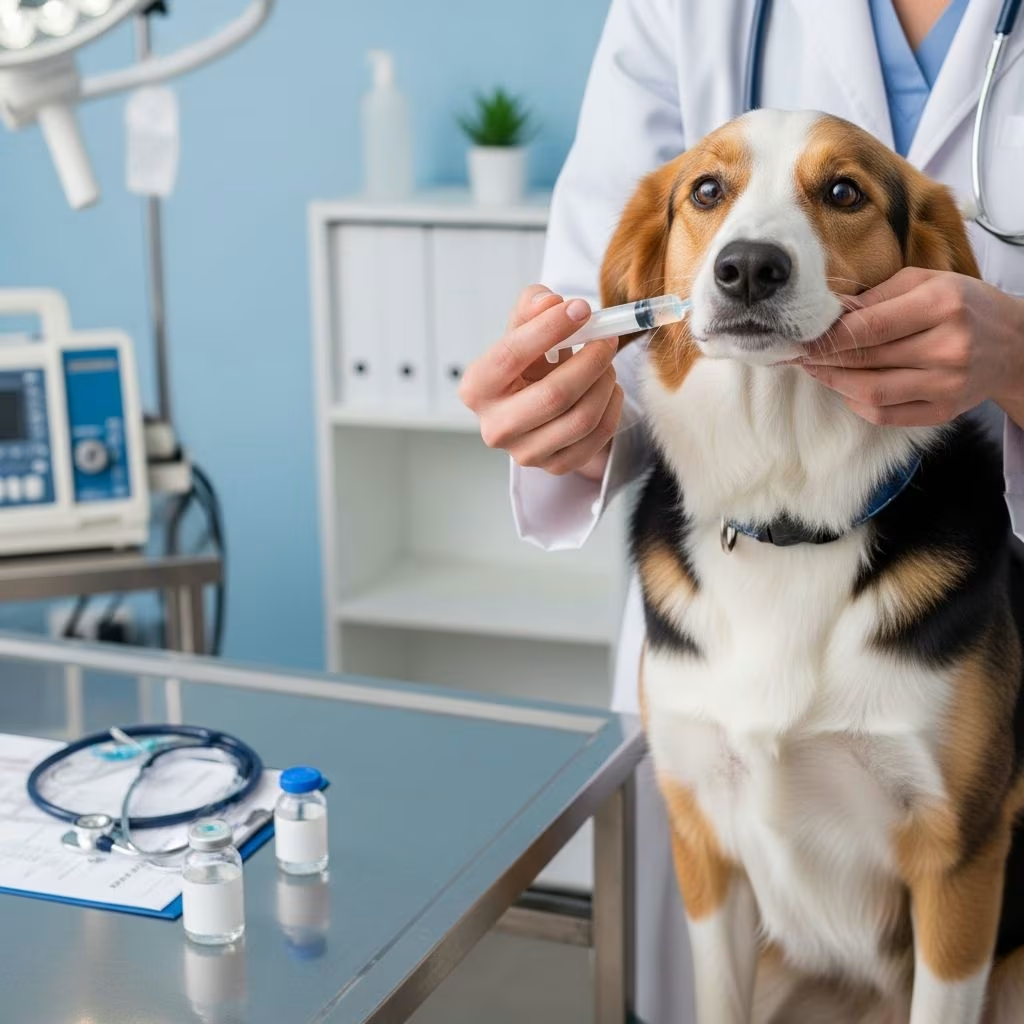
Canine infectious respiratory disease complex, commonly known as kennel cough, presents a significant health concern for dog owners and shelter operators alike. While many cases resolve independently, the decision to implement antibiotic therapy involves understanding the underlying pathogens, disease severity, and potential complications that can develop without proper intervention. This comprehensive guide explores the role of antibiotics in managing canine respiratory infections and provides evidence-based information about treatment options.
Understanding the Pathophysiology of Canine Respiratory Disease
Kennel cough represents a complex infectious condition that can involve multiple pathogens acting in concert. The disease typically manifests as a persistent, dry cough that may progress to productive coughing or respiratory distress in severe cases. One of the most significant bacterial agents responsible for these infections is Bordetella bronchiseptica, a pathogen that demonstrates particular susceptibility to certain antibiotic classes but resistance to others.
The viral component of respiratory disease often precedes or accompanies bacterial infection. When viral pathogens compromise the respiratory epithelium, they create an environment conducive to secondary bacterial colonization. This mechanism explains why some dogs experience initial viral infection followed by bacterial complications that warrant antimicrobial therapy.
Consequences of Untreated Bacterial Respiratory Infections
A critical consideration in the kennel cough debate involves understanding what occurs when bacterial infections remain untreated. Rather than simply resolving, untreated Bordetella infections can establish chronic infections within both the upper and lower respiratory tract. Dogs experiencing this chronic infection may suffer intermittent relapses of clinical signs over months, during which they remain contagious to other animals. This pattern of intermittent symptoms and continued transmissibility underscores the importance of appropriate antibiotic selection and completion.
The establishment of chronic infection occurs because the bacteria, if not eliminated through adequate antibiotic therapy, persist within the respiratory system. This situation creates ongoing health problems for the affected dog and poses epidemiological challenges in multi-animal environments such as shelters, kennels, and breeding facilities.
Optimal Antibiotic Selection for Bordetella Infections
When antibiotic therapy is indicated, the choice of agent significantly impacts treatment success. Current evidence strongly supports specific medications while demonstrating the inadequacy of others.
First-Line Antibiotic Agents
Doxycycline represents the most commonly utilized antibiotic in shelter medicine and veterinary practice for canine respiratory disease. Bordetella bronchiseptica demonstrates excellent susceptibility to this tetracycline-class antibiotic, making it highly effective against the primary bacterial pathogen. The standard dosing ranges from 5–10 mg/kg administered orally every 12 hours for 7–14 days, depending on disease severity and response to therapy.
Minocycline serves as an equally effective alternative when doxycycline unavailability occurs. This second-generation tetracycline maintains comparable efficacy against Bordetella and can be substituted without loss of therapeutic benefit. Recent pharmaceutical supply challenges have made minocycline substitution increasingly necessary, yet clinical outcomes remain equivalent to doxycycline therapy.
Amoxicillin-clavulanate (Clavamox) represents another option, though clinical data indicates inferior performance compared to tetracycline-based medications. Research demonstrates that amoxicillin-clavulanate kills only approximately 90 percent of Bordetella strains in current studies, making it a less reliable choice when better alternatives are available. When amoxicillin-clavulanate is used, incomplete bacterial elimination may occur, potentially allowing chronic infection establishment.
Ineffective Antibiotic Classes
Certain antibiotic classes demonstrate documented resistance and should be avoided for Bordetella infections. Trimethoprim-sulfa drugs (such as Tribrissen) and all cephalosporin antibiotics (including cephalexin and injectable Convenia) lack effectiveness against Bordetella bronchiseptica. When these medications are prescribed for kennel cough suspected to involve bacterial infection, treatment failure occurs and chronic infection may become established. Veterinary professionals must recognize this resistance pattern to prevent inappropriate therapy and associated complications.
Fluoroquinolone and Alternative Options
Enrofloxacin, a fluoroquinolone antibiotic, provides an alternative option at dosing of 10 mg/kg orally every 24 hours. While not a first-line agent, fluoroquinolones demonstrate activity against Bordetella and may be considered in cases where tetracyclines are contraindicated or in more complex respiratory infections. The decision to use fluoroquinolones should account for local resistance patterns and the clinical context of the individual case.
Clinical Indicators for Antibiotic Initiation
Not all cases of kennel cough require immediate antibiotic therapy. Veterinary professionals utilize specific clinical indicators to determine when antimicrobial treatment becomes warranted. These indicators help distinguish between self-limited viral infections and those requiring intervention.
- Presence of fever (elevated body temperature)
- Lethargy or severe depression of mental status
- Purulent nasal or respiratory discharge (yellow or green coloration)
- Anorexia or refusal to eat
- Worsening cough after several days rather than improvement
- Symptoms persisting beyond 10 days
- Culture or PCR test results identifying aggressive bacterial pathogens such as Streptococcus species
- Radiographic evidence of pneumonia
Streptococcus infections warrant particular attention due to their potential severity. These bacterial pathogens carry significantly greater risk of serious systemic illness and can result in fatal outcomes. Immediate antibiotic therapy is indicated when Streptococcus is identified through diagnostic testing.
Diagnostic Approaches to Guide Therapy
Optimal antibiotic selection ideally follows culture and sensitivity testing of respiratory specimens obtained through tracheal wash or bronchoscopy procedures. These diagnostic methods identify the specific pathogenic organism and determine its antibiotic susceptibility profile. When culture results are available, therapy can be tailored to the individual case, improving efficacy and reducing unnecessary broad-spectrum antibiotic use.
However, culture results require time for processing, typically several days. In acute situations where immediate treatment is necessary, empiric therapy with doxycycline or minocycline represents the most evidence-based approach, as these agents address the most common bacterial pathogens while maintaining excellent spectrum against Bordetella.
Adjunctive Treatments in Kennel Cough Management
While antibiotics address bacterial infection, additional therapeutic modalities may improve patient comfort and outcomes. Anti-inflammatory medications including NSAIDs and mild corticosteroids can reduce airway inflammation and mucosal swelling. These agents help restore normal respiratory function and may reduce the severity and duration of clinical signs.
Cough suppressants provide symptomatic relief but require judicious use. While they improve patient comfort, cough suppression may interfere with the dog’s natural ability to clear mucus and infectious agents from the respiratory tract. This paradox means cough suppressants should be reserved for cases where severe cough interferes with rest and recovery, and should be avoided entirely when pneumonia has developed.
Nebulization therapy delivers saline or antibiotic solutions directly to the respiratory tract, facilitating mucus clearance and delivering medications to the site of infection. Mucolytic agents such as acetylcysteine can be administered via nebulization to thin secretions and improve clearance. This modality proves particularly valuable in severe or advanced cases.
Severe and Complicated Cases: Intensive Management
When kennel cough progresses to severe pneumonia or affects immunocompromised animals, hospitalization and aggressive therapy become necessary. Severe cases may require inpatient observation with supportive care including oxygen supplementation, intravenous fluid administration to maintain hydration, and broad-spectrum antibiotic therapy often administered parenterally (by injection).
Bronchodilator medications help open constricted airways and improve oxygenation in cases progressing to lower respiratory tract involvement. The combination of multiple therapeutic modalities in severe cases creates the best opportunity for recovery and prevents life-threatening respiratory compromise.
Antibiotic Resistance Considerations
Appropriate antibiotic selection and adherence to prescribed dosing and duration reduces the development of antimicrobial resistance. Complete course completion—even after clinical improvement—ensures bacteria are fully eliminated rather than merely suppressed. Incomplete therapy or inappropriate antibiotic selection provides selective pressure favoring resistant organisms.
The widespread use of ineffective antibiotics such as cephalosporins against Bordetella contributes to the reservoir of chronic infections in dog populations. Educating pet owners about the importance of completing antibiotic courses as prescribed and ensuring veterinary professionals select appropriate agents based on current evidence represents essential steps in resistance stewardship.
Controversy and Evolving Understanding
Some debate persists regarding antibiotic use in kennel cough, with critics noting that most cases involve viral pathogens against which antibiotics are ineffective. This argument holds merit regarding uncomplicated viral respiratory infections. However, the potential for secondary bacterial infection, the risk of chronic infection establishment, and the transmissibility reduction achieved through antibiotic therapy support treatment in cases demonstrating clinical indicators of bacterial involvement.
The distinction lies not in treating all kennel cough cases with antibiotics, but rather in identifying cases where bacterial infection is likely or confirmed, then providing appropriate antimicrobial therapy. Selective antibiotic use based on clinical judgment and diagnostic findings balances the need for effective treatment against antibiotic stewardship principles.
Practical Guidance for Pet Owners
Dog owners suspecting kennel cough should seek veterinary evaluation to determine whether their dog requires antibiotic therapy. Following professional assessment and any diagnostic testing, owners should strictly adhere to prescribed antibiotic regimens, completing the entire course even if clinical improvement occurs earlier. Reporting any adverse effects or lack of improvement within expected timeframes allows veterinarians to adjust therapy as needed.
Isolation of affected dogs from other animals prevents transmission during the contagious period. Even with antibiotic therapy, dogs typically remain contagious for several days, making isolation essential in multi-animal households or facilities.
References
- Yes, you should treat kennel cough with antibiotics – here’s why — Maddie’s Fund. 2014. https://chewonthis.maddiesfund.org/2014/06/yes-you-should-treat-kennel-cough-with-antibiotics-heres-why/
- Kennel Cough in Dogs: Symptoms, Treatments, Vaccine — Best Friends Animal Society. https://bestfriends.org/pet-care-resources/kennel-cough-dogs-symptoms-treatments-vaccine
- Kennel Cough – Respiratory System — Merck Veterinary Manual. https://www.merckvetmanual.com/respiratory-system/respiratory-diseases-of-small-animals/kennel-cough
- Canine Infectious Respiratory Disease Complex (Kennel Cough) — American Veterinary Medical Association. https://www.avma.org/resources-tools/pet-owners/petcare/canine-infectious-respiratory-disease-complex-kennel-cough
- Antimicrobial use Guidelines for Treatment of Respiratory Tract Infections — National Center for Biotechnology Information. https://pmc.ncbi.nlm.nih.gov/articles/PMC5354050/



