

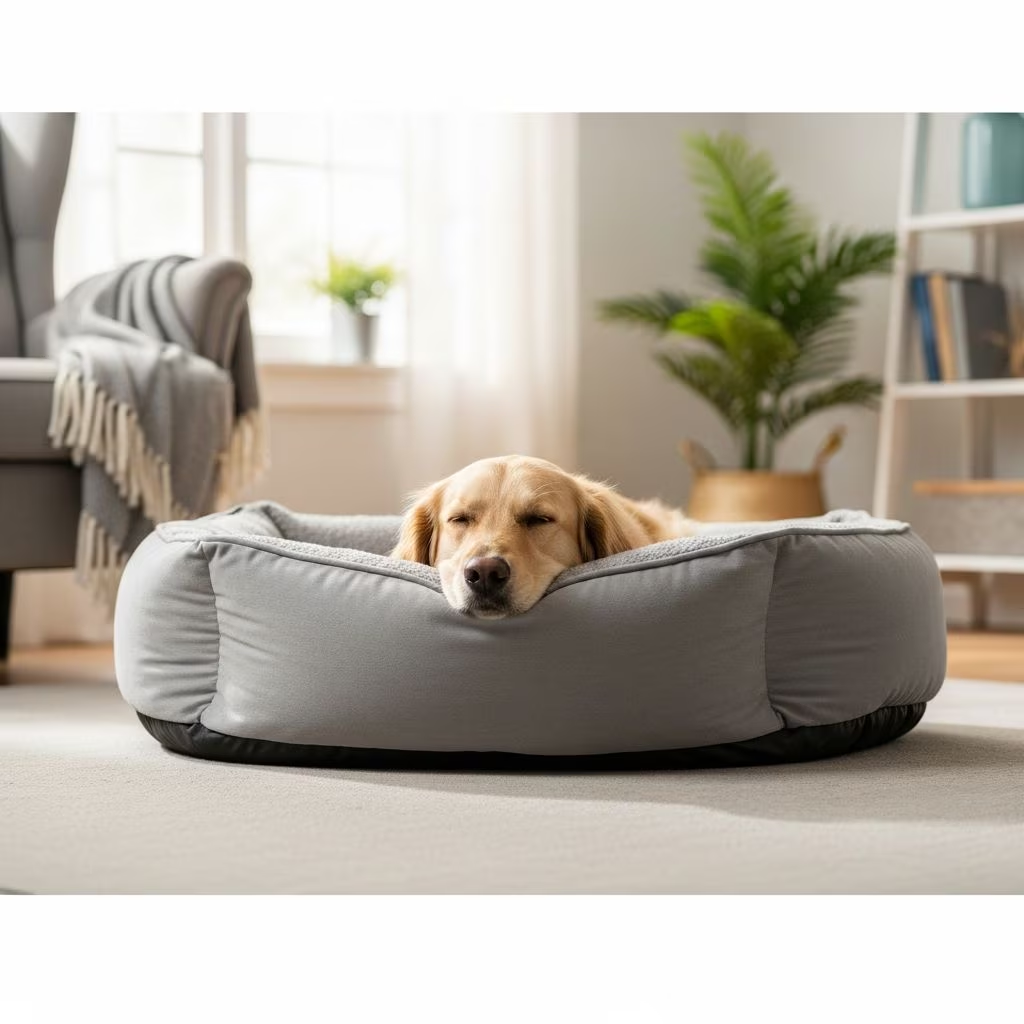
The Marketing Landscape of Calming Pet Bedding
The pet industry has experienced significant growth in recent years, with manufacturers increasingly promoting specialized products designed to address behavioral concerns in dogs. Among these offerings, anti-anxiety dog beds have emerged as one of the most heavily marketed solutions for pet owners seeking to help their anxious companions. However, the proliferation of these products has created a challenging landscape where marketing claims often outpace scientific validation.
Numerous manufacturers assert that their beds can reduce worry and create safer spaces for nervous dogs, yet the actual research supporting these claims remains limited. The market contains dozens of beds priced under $100, each claiming anxiety-reducing properties based on one or more specific design features. Despite these widespread marketing efforts, pet owners and veterinarians alike struggle to distinguish between evidence-based products and those relying primarily on appealing narratives and design aesthetics.
Current Scientific Evidence: What Research Actually Shows
The scientific foundation for anti-anxiety dog beds remains surprisingly sparse. Independent, peer-reviewed studies specifically examining whether these beds reduce canine anxiety are essentially nonexistent. This absence of rigorous research represents a significant gap between marketing claims and scientific validation. The studies that manufacturers frequently reference often fall into problematic categories: research funded by bed manufacturers themselves, investigations comparing pet sleep quality when humans and animals share beds, or studies that simply extrapolate human orthopedic bed research to dogs.
However, broader research on canine anxiety provides valuable context. A 2020 study involving 13,700 Finnish pet dogs revealed that over 70% experience some degree of anxiety. This widespread prevalence demonstrates a substantial market need for effective solutions. The same study identified noise sensitivity as the most common trigger, with over 32% of dogs displaying this response, while approximately 29% showed signs of general fearfulness.
Research into specific anxiety treatment technologies has yielded more promising results. Studies on pulsed electromagnetic field (PEMF) devices showed significant reductions in negative behaviors by week 6 of treatment, with higher success rates observed in video analysis compared to owner questionnaires. These findings suggest that certain technological interventions can provide measurable benefits, though such technologies represent distinct approaches from traditional calming beds.
How Calming Beds Theoretically Function
While direct scientific studies on anti-anxiety beds remain limited, canine behavior experts propose several mechanisms through which these products might produce beneficial effects. Understanding these theoretical pathways helps pet owners evaluate whether a calming bed might genuinely help their particular dog.
Environmental Mimicry and Ancestral Instincts
Dogs descend from wild animals that historically sought protection and comfort in dens. Calming beds, particularly those with raised bolsters or enclosed designs, attempt to recreate this den-like environment. The raised edges and cushioned sides create a cozy, enclosed space that theoretically helps dogs feel sheltered from external stressors. This design philosophy relies on dogs’ natural instinct to curl up in enclosed spaces, which researchers suggest can reduce anxiety through environmental familiarity and perceived safety.
Deep Pressure Stimulation Effects
One frequently cited mechanism involves deep pressure stimulation (DPS), often compared to the calming effects of weighted blankets for humans. The theory suggests that gentle pressure from plush, cushioned bed sides can soothe a dog’s nervous system. When applied consistently, this pressure may promote relaxation and reduce anxiety levels. However, this theory remains largely untested specifically in dogs, though the concept has gained acceptance among pet wellness professionals.
Sensory Reduction Through Barrier Creation
Anti-anxiety beds with high sides and bolsters can reduce external stimulation by creating a physical barrier between dogs and their surroundings. By blocking certain sights and sounds that might otherwise trigger anxiety, these beds theoretically provide a sanctuary where dogs can relax more easily. For dogs with specific noise sensitivities or general environmental anxiety, this reduction in external stimuli could theoretically prove beneficial.
Conditioning and Behavioral Association
Canine experts propose that anxiety reduction may occur through conditioning processes similar to human behavioral patterns. Just as people develop calming associations with personal bedtime routines—such as warm showers followed by reading—dogs may begin associating their specialized bed with relaxation and sleep. Over time, the bed itself becomes a trigger for calm behavior. This psychological mechanism could explain positive owner reports even without direct physiological effects from the bed’s design features.
Evaluating the Evidence: What Pet Owners Report
Anecdotal reports from dog owners provide the strongest evidence currently available for anti-anxiety bed effectiveness. According to owner accounts, calming beds do appear to reduce anxiety symptoms in many cases. However, veterinary experts emphasize that these beds are not a universal solution—their effectiveness varies significantly based on individual dogs and the severity of anxiety experienced.
When Calming Beds Show Promise
Calming beds appear most effective for dogs with mild anxiety or minimal fearful behaviors rather than extreme anxiety cases. Research suggests these beds may be particularly beneficial for:
- Dogs with mild to moderate anxiety levels
- Older dogs with arthritis whose pain affects sleep quality
- Hyperactive dogs needing a designated calming space
- Dogs with specific noise phobias or situational anxiety
- Dogs struggling to adjust to home environment changes
For separation anxiety specifically, anecdotal evidence suggests that calming beds may increase the likelihood of dogs settling down and napping while owners are away. This particular application has generated some of the most positive owner feedback, though controlled studies remain absent.
Limitations for Severe Anxiety
For dogs with severe anxiety, results become more challenging to measure and less reliably positive. The bed alone rarely resolves significant behavioral or emotional issues. Expert consensus indicates that while calming beds might contribute to an overall anxiety management strategy, they should never serve as the sole intervention for serious anxiety disorders.
Quality Variations and Product Selection Challenges
Not all products marketed as anti-anxiety beds incorporate features that might produce therapeutic effects. Some beds are simply marketed as calming primarily due to aesthetic choices or pricing rather than substantive design elements. This inconsistency creates significant challenges for consumers attempting to select genuinely functional products.
When evaluating potential purchases, pet owners should consider whether beds incorporate specific design features associated with the theoretical mechanisms discussed earlier—such as substantial bolsters for pressure stimulation, enclosed designs for environmental mimicry, or materials chosen for comfort and support rather than marketing appeal alone.
Integration With Comprehensive Anxiety Management
Veterinary experts universally agree that calming beds should never replace proper medical evaluation and behavioral training. Dogs experiencing anxiety often benefit from multiple interventions working together rather than relying on a single product.
Complementary Approaches to Consider
Effective anxiety management typically incorporates several elements:
- Professional veterinary assessment to rule out underlying health conditions, such as arthritis, that might contribute to anxiety-like symptoms
- Behavioral training tailored to specific anxiety triggers, including desensitization techniques for dogs with specific fears or phobias
- Environmental modifications to reduce exposure to identified stressors
- Potentially pharmaceutical interventions when recommended by veterinarians
- Regular exercise and mental stimulation to reduce overall stress levels
Calming beds fit best within this broader context as one component of a multifaceted approach rather than as standalone solutions.
Alternative Technologies and Evidence-Based Options
While traditional anti-anxiety beds lack strong scientific support, other interventions demonstrate more robust evidence. Dog-appeasing pheromone (DAP) products show measurable effectiveness in reducing separation-induced anxiety, fear, and distress in various contexts. Research indicates DAP can help in hospitalized dogs, puppies in new environments, and dogs experiencing transportation stress.
Additionally, emerging technologies like PEMF devices show promise in clinical trials, though these represent distinct products from traditional calming beds and carry higher price points. Pet owners interested in evidence-based solutions may wish to explore these alternatives in consultation with their veterinarians.
Making an Informed Decision for Your Dog
For dogs with mild anxiety or those needing a comfortable resting space, anti-anxiety beds represent a low-risk option unlikely to cause harm while potentially providing benefit. The investment may prove worthwhile given the relatively modest cost and positive owner reports in mild-to-moderate anxiety cases.
However, realistic expectations matter. These beds should not be viewed as anxiety cures or medical devices, but rather as potentially supportive environmental modifications. Pet owners should prioritize professional veterinary consultation before assuming anxiety-related behaviors indicate a condition treatable by bedding alone.
Frequently Asked Questions
Do veterinarians recommend anti-anxiety dog beds?
Veterinarians acknowledge that calming beds may help create soothing environments, but they do not recommend them as primary anxiety treatments. Most experts view them as potentially helpful supplements to comprehensive anxiety management plans that include training, behavioral modification, and when necessary, pharmaceutical intervention.
What makes a calming dog bed different from a regular dog bed?
Anti-anxiety beds typically feature raised bolsters, cushioned sides, enclosed designs, or premium supportive materials intended to provide deep pressure stimulation or environmental comfort. Regular dog beds prioritize basic functionality and cost-effectiveness without these specialized design considerations.
Can a calming bed help with separation anxiety?
Anecdotal reports suggest calming beds may help dogs settle more easily when alone, though scientific proof remains absent. They appear most effective as part of broader separation anxiety management that includes behavioral training, gradual desensitization, and veterinary guidance.
Are expensive anti-anxiety beds better than affordable options?
Price does not guarantee effectiveness. Many moderately-priced beds incorporate the design features theoretically linked to calming effects. Focus on specific design elements—quality bolsters, appropriate firmness, and construction—rather than price alone when selecting products.
Should I use a calming bed instead of medications for my anxious dog?
No. Calming beds and medications address anxiety through completely different mechanisms. Your veterinarian should determine appropriate treatment based on your dog’s specific condition. Beds may complement but should never replace professional medical guidance.
Key Takeaways for Pet Owners
Anti-anxiety dog beds represent a theoretically sound but minimally researched product category. While anecdotal evidence from pet owners is encouraging and the beds appear generally safe, robust scientific validation remains absent. These products show the most promise for dogs with mild anxiety, older dogs needing comfort support, and anxious dogs seeking safe spaces within homes. However, they should always function as supplements to comprehensive anxiety management strategies including veterinary evaluation, behavioral training, and environmental modifications.
When selecting anti-anxiety beds, prioritize products featuring substantive design elements over those relying primarily on marketing language. Consider your dog’s specific anxiety type and severity before purchase, and maintain realistic expectations about what a bed alone can accomplish. Most importantly, consult with veterinary professionals before assuming your dog’s anxious behaviors can be addressed through bedding alone, as underlying health conditions or serious behavioral issues may require different interventions.
References
- Calming Dog Beds: Do They Really Work? — City Mattress. 2025. https://www.citymattress.com/blogs/news/calming-dog-beds-do-they-really-work
- Do Calming Dog Beds Really Work? Vet-Verified Facts to Know — Dogster. 2025. https://www.dogster.com/dog-health-care/do-calming-dog-beds-really-work
- Do Calming Beds for Dogs Work? What the Science Says — Rover.com. 2025. https://www.rover.com/blog/do-calming-beds-work/
- Randomized, Placebo-Controlled Prospective Clinical Trial of a Pulsed Electromagnetic Field Device for Canine Separation Anxiety — Frontiers in Veterinary Science. 2021. https://www.frontiersin.org/journals/veterinary-science/articles/10.3389/fvets.2021.775092/full
- Efficacy of Dog-Appeasing Pheromone for Ameliorating Separation-Associated Distress in Hospitalized Dogs — PMC (National Center for Biotechnology Information). 2009. https://pmc.ncbi.nlm.nih.gov/articles/PMC2839826/
- The Science Behind Calming Dog Beds — Simply Spoilt. 2025. https://simplyspoilt.co.za/blogs/news/the-science-behind-calming-dog-beds
- Prevalence of Anxiety in Pet Dogs: 2020 Finnish Study Overview — Rover.com. 2025. https://www.rover.com/blog/do-calming-beds-work/



