

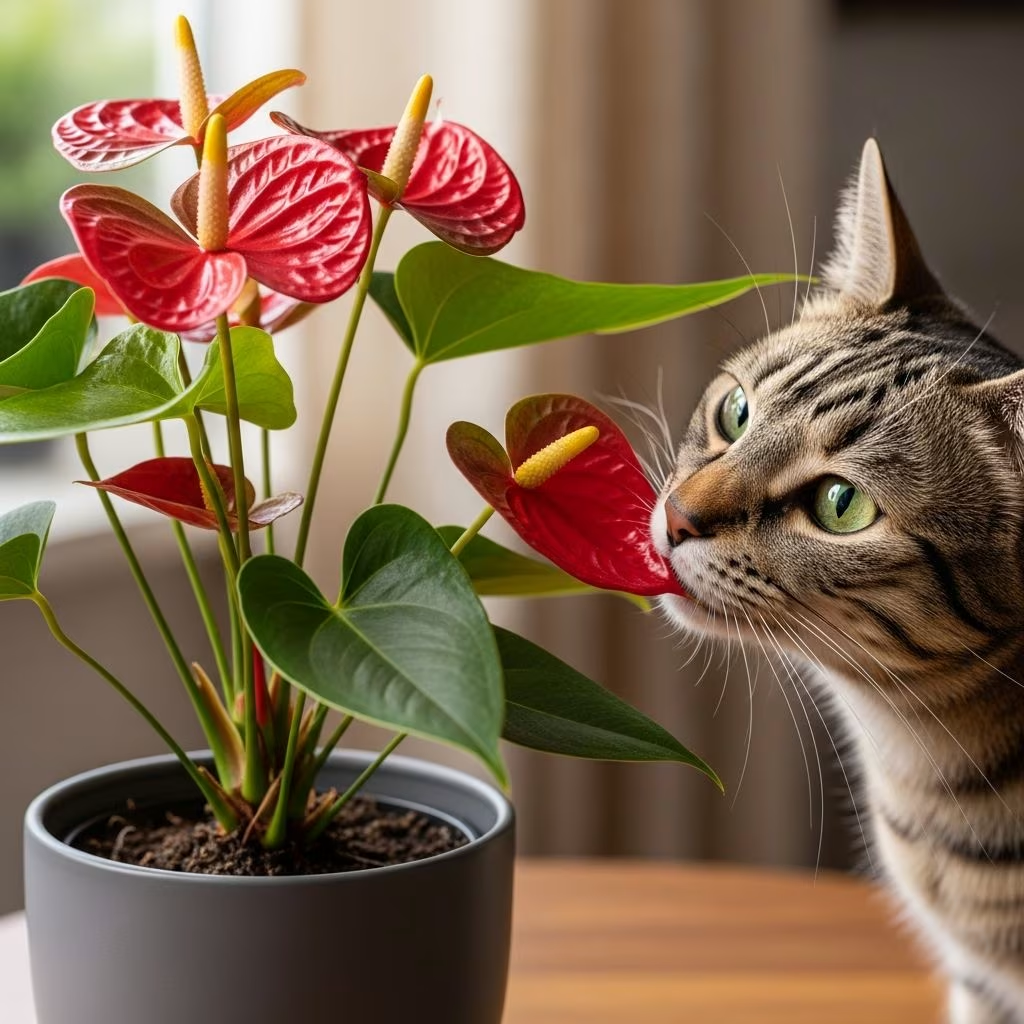
Anthurium plants, prized for their vibrant, heart-shaped spathes and glossy leaves, harbor insoluble calcium oxalate crystals that make them toxic to cats upon ingestion. These sharp crystals penetrate oral tissues, leading to intense irritation and potential complications.
Understanding Anthurium and Its Appeal in Homes
Anthuriums thrive indoors with minimal care, displaying striking red, pink, or white blooms year-round. Their popularity stems from ease of growth and decorative value, often placed on shelves or tables accessible to curious cats. However, the plant’s allure masks a hidden hazard for feline companions.
Belonging to the Araceae family, anthuriums produce needle-like raphides—calcium oxalate crystals—that act as a defense mechanism. When cats chew leaves, stems, or flowers, these crystals release, embedding into soft tissues and triggering immediate discomfort.
The Science Behind Anthurium’s Harmful Effects on Cats
Calcium oxalate crystals in anthurium cause mechanical irritation rather than systemic poisoning. Upon mastication, crystals pierce mucous membranes in the mouth, tongue, and throat, provoking inflammation. This leads to histamine release and proinflammatory responses, exacerbating swelling and pain.
Cats’ sensitivity arises from their grooming habits and exploratory nibbling. Unlike dogs, cats may ingest small amounts repeatedly, heightening exposure risk. Veterinary toxicology notes that Araceae family plants like anthurium primarily induce local effects, though severe cases can involve airway compromise.
Common Signs of Anthurium Poisoning in Felines
Symptoms manifest rapidly, often within minutes of exposure. Key indicators include:
- Excessive drooling and pawing at the mouth due to crystal-induced pain.
- Pawing at the face or rubbing head against surfaces.
- Vomiting or retching from esophageal and gastric irritation.
- Difficulty swallowing or reluctance to eat.
- Swollen tongue, lips, or oral tissues.
- In rare instances, respiratory distress from upper airway edema.
Owners frequently mistake these for minor allergies, delaying intervention. Persistent symptoms beyond 24 hours warrant professional evaluation to rule out secondary issues like dehydration.
Factors Influencing Severity of Exposure
Toxicity level depends on several variables:
| Factor | Impact on Severity |
|---|---|
| Amount Ingested | Small nibbles cause mild irritation; larger quantities lead to prolonged swelling. |
| Plant Part | Leaves and stems hold highest crystal concentrations; flowers are similarly hazardous. |
| Cat’s Size and Health | Kittens and small cats face amplified effects; pre-existing conditions worsen outcomes. |
| Response Time | Early rinsing reduces crystal penetration; delays increase tissue damage. |
While fatalities are uncommon, untreated severe swelling can impair breathing, emphasizing prompt action.
Immediate Response Steps for Suspected Ingestion
If you witness or suspect anthurium chewing:
- Remove Access: Isolate the cat from the plant and secure all similar greenery.
- Rinse Thoroughly: Use lukewarm water or saline to flush the mouth gently. Avoid forcing the jaw open to prevent injury.
- Offer Hydration: Provide fresh water or ice cubes to soothe and dilute irritants.
- Monitor Closely: Track symptoms for 4-6 hours; note any escalation.
- Contact Professionals: Call a vet or pet poison hotline immediately, providing plant details and symptom timeline.
Do not induce vomiting, as this risks further crystal dissemination.
Professional Veterinary Interventions
Vets assess via physical exam, oral inspection, and hydration status. Treatments include:
- Pain relief with safe analgesics like buprenorphine.
- Anti-inflammatory medications to reduce swelling.
- IV fluids for hydration and toxin clearance.
- Gastroprotectants for GI upset.
- In extreme cases, airway support or nebulization.
Most cats recover within 24-72 hours with supportive care. Bloodwork monitors for rare systemic effects.
Preventing Plant-Related Hazards in Cat Households
Proactive measures safeguard pets:
- Elevate Plants: Use high shelves, hanging baskets, or ceiling mounts beyond jumping reach.
- Opt for Barriers: Install plant rooms or screened enclosures.
- Train and Deter: Employ bitter sprays or aluminum foil around bases.
- Choose Safe Alternatives: Select non-toxic options below.
Safe Plant Alternatives for Cat-Friendly Homes
Enhance your space without risk:
| Plant Name | Benefits | Care Level |
|---|---|---|
| Spider Plant | Air-purifying, dangling foliage. | Low |
| Parlor Palm | Tall, elegant, shade-tolerant. | Medium |
| Boston Fern | Lush, humidity-loving. | Medium |
| Calathea | Colorful patterns, pet-safe. | Medium |
| Areca Palm | Brightens corners, non-toxic. | Low |
Verify ASPCA listings before purchase.
Broader Context: Other Toxic Houseplants to Avoid
Anthurium joins dangerous Araceae like philodendron and peace lily, all laden with oxalates. Lilies pose nephrotoxic threats unique to cats, causing renal failure. Sago palms induce liver failure, while poinsettias provoke milder GI issues. Awareness prevents multi-plant exposures.
Long-Term Care After an Incident
Post-recovery, inspect for lingering oral ulcers via gentle exams. Maintain dental health with vet-approved chews. Educate household members on risks, fostering a vigilant environment.
FAQs on Anthurium and Cat Safety
Q: Can a single bite of anthurium kill my cat?
A: No, deaths are rare; symptoms are mostly irritative, resolving with care.
Q: How long do symptoms last?
A: Typically 12-48 hours, faster with treatment.
Q: Is anthurium toxic to dogs too?
A: Yes, but cats show more pronounced oral reactions.
Q: What if my cat vomits after chewing?
A: Rinse mouth and consult vet; vomiting aids expulsion but monitor.
Q: Are all anthurium varieties equally toxic?
A: Yes, all contain calcium oxalates uniformly.
Key Takeaways for Cat Owners
Beauty and pet safety needn’t conflict. By recognizing anthurium’s oxalate dangers, acting swiftly on exposures, and selecting verified safe plants, you ensure a harmonious home. Regular vet check-ups bolster resilience against household hazards.
References
- Indoor Companion Animal Poisoning by Plants in Europe — Frontiers in Veterinary Science. 2020-07-31. https://www.frontiersin.org/journals/veterinary-science/articles/10.3389/fvets.2020.00487/full
- Houseplants and Ornamentals Toxic to Animals — Merck Veterinary Manual. 2023-05-15. https://www.merckvetmanual.com/toxicology/poisonous-plants/houseplants-and-ornamentals-toxic-to-animals
- Anthurium Are Toxic To Pets — Pet Poison Helpline. 2024-01-10. https://www.petpoisonhelpline.com/poison/anthurium/
- Tail Flower — ASPCA. 2023-11-20. https://www.aspca.org/pet-care/aspca-poison-control/toxic-and-non-toxic-plants/tail-flower
- Toxicity of House Plants to Pet Animals — PMC / PubMed Central. 2023-05-25. https://pmc.ncbi.nlm.nih.gov/articles/PMC10220692/



