

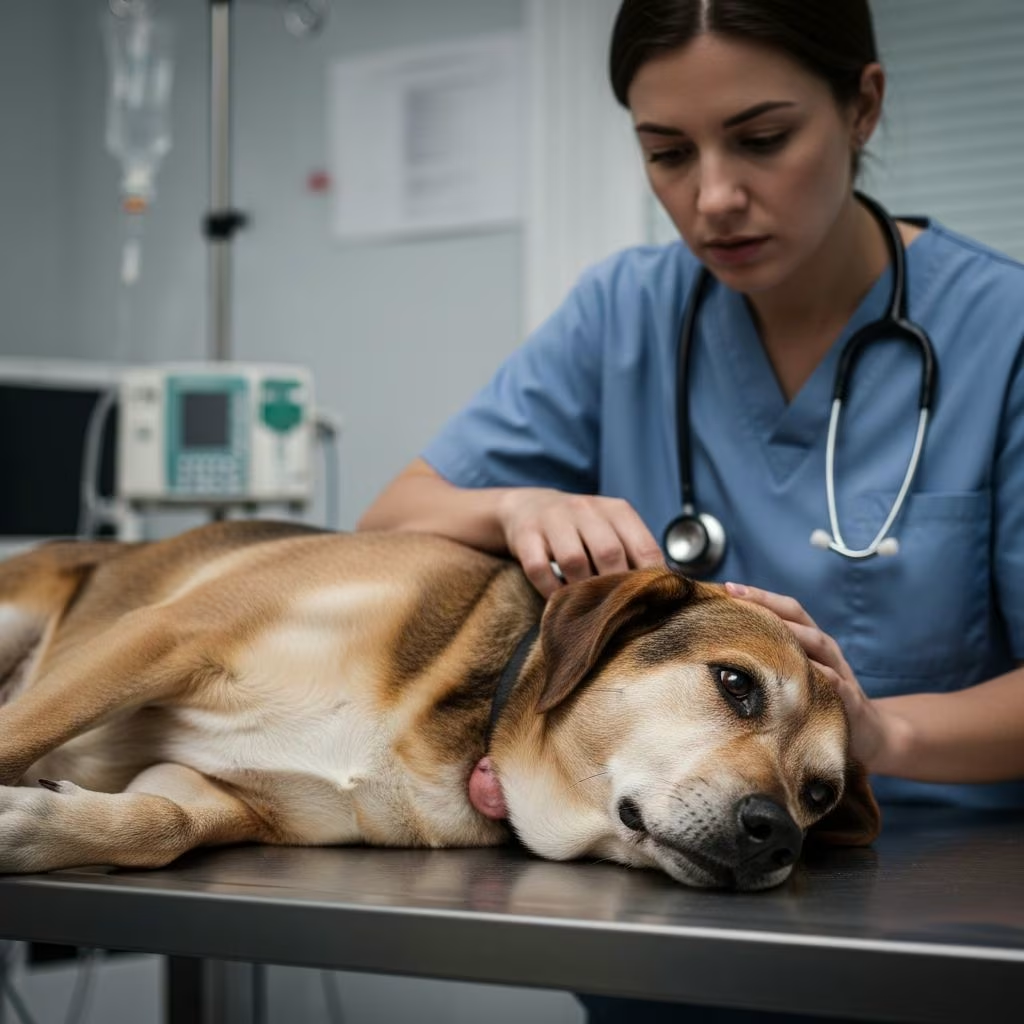
Canine anthrax, caused by the spore-forming bacterium Bacillus anthracis, poses a grave risk to dogs, particularly in regions with contaminated soil or infected livestock. This zoonotic disease can lead to rapid deterioration and death if not addressed swiftly, making awareness crucial for pet owners in rural or endemic areas.
Understanding the Anthrax Bacterium
The pathogen responsible for anthrax thrives as hardy spores in soil, surviving for decades under adverse conditions. These spores activate upon entry into a host, multiplying rapidly and producing toxins that overwhelm the immune system. Dogs typically encounter spores through ingestion of contaminated meat, inhalation in dusty environments, or skin contact with infected materials.
In nature, outbreaks often follow environmental triggers like flooding or drought, which bring spores to the surface. Livestock such as cattle and sheep serve as common reservoirs, indirectly exposing dogs that scavenge carcasses or share pastures.
Routes of Infection in Canines
- Oral exposure: Most frequent in dogs, occurring when they consume raw meat or lick wounds on infected animals.
- Inhalation: Rare but severe, from breathing spore-laden dust near outbreak sites.
- Cutaneous entry: Through cuts or abrasions contacting spore-contaminated soil or hides.
Unlike herbivores, dogs’ acidic stomachs offer some protection, but high spore loads bypass this barrier, leading to systemic infection.
Recognizing Early Warning Signs
Symptoms in dogs emerge suddenly, often within days of exposure. Initial signs mimic other illnesses, complicating prompt identification.
| Stage | Symptoms | Notes |
|---|---|---|
| Prodromal (Early) | Fever, lethargy, loss of appetite | Body temperature may spike to 105°F (40.5°C) or higher |
| Progressive | Swelling under jaw or neck, bloody diarrhea, vomiting | Edema (fluid buildup) creates a ‘black neck’ appearance |
| Terminal | Respiratory distress, convulsions, shock | High fever persists; death follows within 24-48 hours |
Owners should monitor closely after potential exposure, such as hunting or farm visits. Sudden collapse without prior illness is a hallmark.
Diagnostic Approaches for Suspected Cases
Veterinarians rely on clinical history, physical exams, and lab tests for confirmation. Key methods include:
- Blood smears: Microscopic detection of rod-shaped bacteria in stained samples.
- Culture and PCR: Growing the bacterium or amplifying its DNA from blood, swabs, or tissues.
- Post-mortem exam: Characteristic lack of rigor mortis and dark, unclotted blood from orifices.
Rapid reporting to authorities is mandatory in most regions, aiding outbreak control.
Effective Treatment Protocols
Early intervention with antibiotics dramatically improves survival odds. Penicillin remains the cornerstone, administered intravenously at 12,000–22,000 units per kg initially, followed by oral follow-ups.
Alternatives include:
- Doxycycline or enrofloxacin for penicillin-allergic cases.
- Supportive therapies: IV fluids, anti-inflammatories like flunixin for pain and fever, and oxygen for respiratory issues.
Prompt antibiotic therapy usually results in dramatic recovery if started before toxemia advances.
Quarantine infected dogs isolates spores, preventing spread. Full courses last 2-4 weeks to eradicate persistent spores.
Prevention Strategies for Dog Owners
Proactive measures minimize risks, especially in high-prevalence zones.
Vaccination Considerations
No USDA-licensed vaccine exists for dogs in the US, but off-label use of livestock vaccines may be recommended in endemic areas. Consult vets for risk assessment; avoid in antibiotic-treated animals to prevent interference.
Environmental and Behavioral Safeguards
- Restrict access to wildlife carcasses or outbreak pastures.
- Maintain hygiene: Wash hands, gear, and pets after outdoor activities.
- Biosecurity on farms: Vaccinate livestock, dispose of dead animals via deep burial or incineration.
Post-exposure prophylaxis with antibiotics protects exposed but asymptomatic dogs.
Zoonotic Risks: Protecting Humans Too
Anthrax transmits from dogs to humans via contact with fluids or tissues, not casual interaction. High-risk groups include hunters and farmers. Use PPE like gloves and masks during handling.
If human exposure occurs, seek immediate medical care; prophylaxis includes 60 days of antibiotics and vaccination series.
Global and Regional Outbreak Patterns
Endemic in parts of Africa, Asia, and the Middle East, anthrax sporadically affects US dogs near livestock operations. Climate events exacerbate cycles by disturbing soil.
Historical cases, like Namibia’s wildlife die-offs, underscore cross-species transmission risks.
FAQs on Canine Anthrax
Is anthrax contagious between dogs?
Direct dog-to-dog spread is unlikely; infection stems from environmental spores.
Can my indoor dog get anthrax?
Rarely, but possible via contaminated raw food or outdoor excursions.
What if I find a dead animal while walking my dog?
Keep your dog away, report to authorities, and monitor for symptoms.
How quickly does anthrax kill dogs?
Peracute cases can be fatal in hours; septicemic form within 1-2 days.
Are there home remedies for anthrax?
No—veterinary antibiotics are essential; delays prove fatal.
Long-Term Management and Monitoring
Surviving dogs require follow-up bloodwork to confirm clearance. Owners in risk areas should annual vet checks and avoid raw diets.
Community education curtails outbreaks: Prompt carcass disposal prevents spore release.
References
- Anthrax in Dogs: Causes, Symptoms, and Treatment — PetCareRx. 2023. https://www.petcarerx.com/article/anthrax-in-dogs-causes-symptoms-and-treatment/6779
- Treatment and prophylaxis – Anthrax in Humans and Animals — NCBI Bookshelf. 2008-01-01. https://www.ncbi.nlm.nih.gov/books/NBK310491/
- Anthrax in Animals — Merck Veterinary Manual. 2023. https://www.merckvetmanual.com/infectious-diseases/anthrax/anthrax-in-animals
- Anthrax – Symptoms & causes — Mayo Clinic. 2023-10-17. https://www.mayoclinic.org/diseases-conditions/anthrax/symptoms-causes/syc-20356203
- Anthrax in Dogs — VCA Animal Hospitals. 2023. https://vcahospitals.com/know-your-pet/anthrax-in-dogs
- Anthrax in Dogs — MSD Veterinary Manual. 2023. https://www.msdvetmanual.com/dog-owners/disorders-affecting-multiple-body-systems-of-dogs/anthrax-in-dogs
- About Anthrax — CDC. 2023-08-11. https://www.cdc.gov/anthrax/about/index.html
- Anthrax — World Organisation for Animal Health (WOAH). 2023. https://www.woah.org/en/disease/anthrax/



