
Anterior Uvea Disorders In Animals: A Practical Guide
Comprehensive guide to diagnosing, treating, and preventing anterior uveal conditions in dogs, cats, horses, and more for optimal eye health.
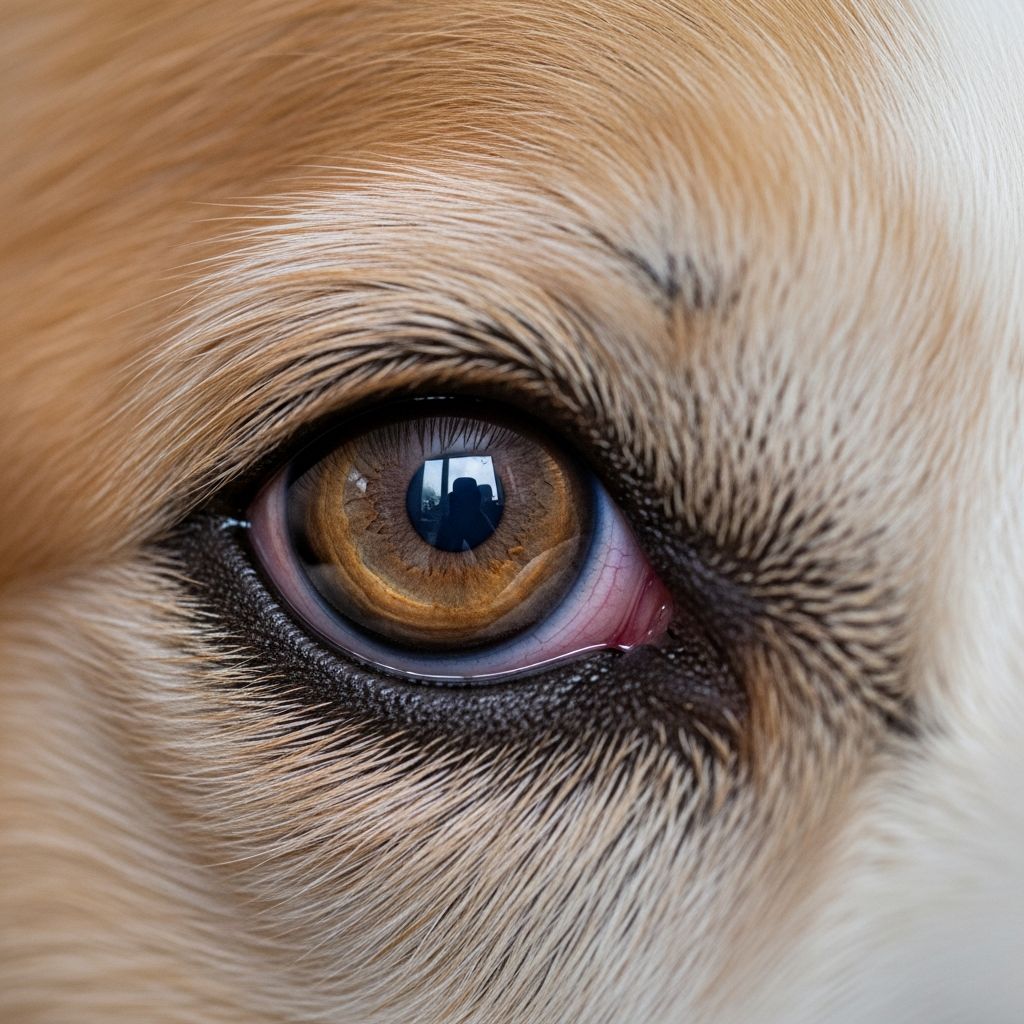
The anterior uvea, comprising the iris and ciliary body, plays a critical role in vision by regulating light entry and aqueous humor production. Disorders affecting this region are prevalent across species like dogs, cats, and horses, often leading to pain, vision impairment, and secondary complications if untreated.
Anatomy and Function of the Anterior Uvea
The iris forms the colored portion of the eye, controlling pupil size to adjust light intake, while the ciliary body produces aqueous humor and fine-tunes lens focus. This vascular, immunologically active tissue forms the blood-aqueous barrier, preventing large proteins from entering the eye’s front chamber. Its rich blood supply makes it prone to inflammation from local trauma or systemic infections.
- Key Components: Iris pigmentation varies by breed and species, influencing disease presentation.
- Ciliary Processes: Secrete nutritive fluid, disrupted in inflammatory states.
- Sphincter and Dilator Muscles: Manage pupil dynamics, often impaired in uveitis.
Common Pathologies Affecting the Anterior Uvea
Anterior uveitis, or iridocyclitis, dominates uveal disorders, triggered by infections, trauma, neoplasia, or immune-mediated processes. Other issues include congenital anomalies like iris cysts and colobomas.
| Disorder | Primary Species | Key Features |
|---|---|---|
| Anterior Uveitis | Dogs, Cats, Horses | Pain, miosis, flare, hyphema |
| Iris Cysts | Dogs (Golden Retrievers) | Free-floating spheres, glaucoma risk |
| Iris Atrophy | Dogs | Pupil dilation issues, aging-related |
| Persistent Pupillary Membranes | Dogs | Embryonic remnants, vision obstruction |
Inflammatory Responses Explained
Inflammation involves hyperemia, vessel leakage, and leukocyte infiltration, manifesting as aqueous flare (protein leakage), hypopyon (pus), or hyphema (blood). Keratic precipitates on endothelium signal active disease. In dogs, convection currents position these on ventral cornea.
Clinical Manifestations Across Species
Dogs
Canines exhibit episcleral injection, corneal edema, and low intraocular pressure initially, progressing to glaucoma. Breeds like Golden Retrievers face cyst complications leading to cataracts.
Cats
FIV and FIP often cause chronic uveitis with keratic precipitates on lens capsules.
Horses
Recurrent uveitis features perilimbal edema, synechiae, and corpora nigra atrophy.
- Episcleral congestion and miosis common.
- Photophobia and blepharospasm prevalent.
Diagnostic Approaches
Slit-lamp biomicroscopy reveals flare, cells, and precipitates. Tonometry assesses pressure changes. Fluorescein staining rules out ulcers.
- Schirmer Tear Test: Evaluates lacrimation.
- Aqueocentesis: Rarely yields specifics, risks flare exacerbation.
- Serology: For Ehrlichia, FIP, etc..
Fundoscopy checks posterior involvement.
Treatment Strategies
Immediate mydriasis with atropine (1% q8-24h) prevents synechiae. Topical corticosteroids like prednisolone control inflammation, tapered post-resolution.
- Mild Cases: Topical therapy suffices.
- Severe/Systemic: Add oral NSAIDs or immunosuppressants after ruling out infection.
- Intraocular: Subconjunctival steroids risky (perforation, atrophy).
Address primaries: antibiotics for bacteria (rare), antivirals for FIP. Dark environments aid comfort.
Species-Specific Protocols
| Species | First-Line Therapy | Adjuncts |
|---|---|---|
| Dogs | Atropine + Topical Steroids | Systemic if uveitis severe |
| Cats | Prednisolone Acetate | Antivirals for FIV/FIP |
| Horses | Flunixin Meglumine Systemic | Topical Mydriatics |
Complications and Prognosis
Untreated uveitis yields cataracts, glaucoma, phthisis bulbi. Lens rupture demands phacoemulsification. Prognosis excels with early intervention; recurrences signal systemic disease.
Prevention and Monitoring
Vaccinate against infections, screen breeds prone to cysts. Regular exams detect subclinical changes. Owners note squinting, redness promptly.
Frequently Asked Questions (FAQs)
What causes anterior uveitis in pets?
Trauma, infections (Ehrlichia, FIP), immune issues, or idiopathic.
Is anterior uveitis painful?
Yes, causing blepharospasm and photophobia.
How long does treatment last?
Acute: 2-4 weeks; chronic requires lifelong management.
Can it lead to blindness?
Yes, via glaucoma or cataracts if unmanaged.
Are there home remedies?
No; professional care essential to avoid complications.
This guide synthesizes veterinary insights for proactive eye care. Consult specialists for tailored plans.
References
- Canine Anterior Uvea — Veterian Key. 2023. https://veteriankey.com/canine-anterior-uvea-2/
- Disorders of the Anterior Uvea in Dogs — Merck Veterinary Manual. 2024-02-01. https://www.merckvetmanual.com/dog-owners/eye-disorders-of-dogs/disorders-of-the-anterior-uvea-in-dogs
- The Anterior Uvea in Animals — MSD Veterinary Manual. 2024. https://www.msdvetmanual.com/eye-diseases-and-disorders/ophthalmology/the-anterior-uvea-in-animals
- Managing Uveitis in Dogs and Cats — Today’s Veterinary Practice. 2023-05-15. https://todaysveterinarypractice.com/ophthalmology/managing-uveitis-in-dogs-and-cats/
- The Uvea — PMC (PubMed Central), de RR Dubielzig et al. 2010-01-01. https://pmc.ncbi.nlm.nih.gov/articles/PMC7148639/
Similar Articles








Read full bio of medha deb


