

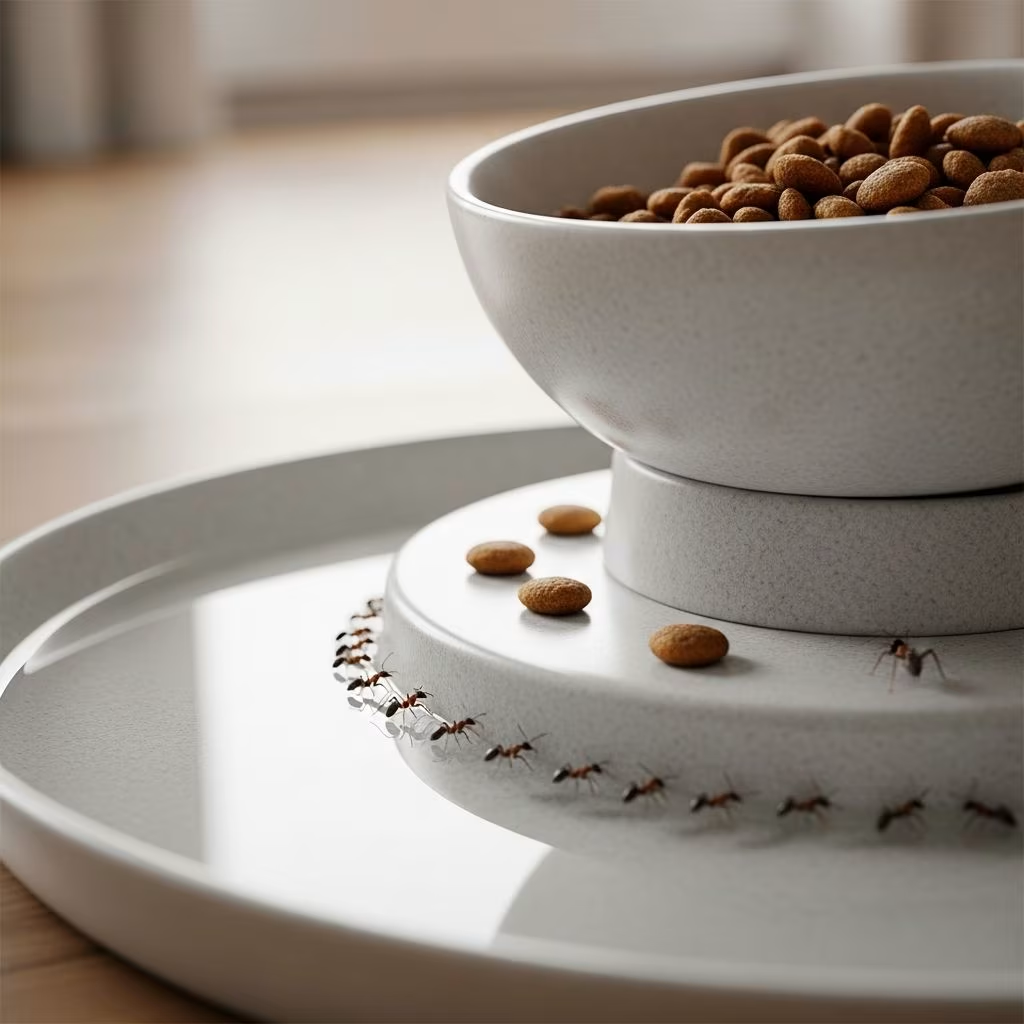
Ants invading cat food bowls create frustration for pet owners, especially during warmer months when insects thrive. These tiny intruders contaminate meals, discourage eating, and pose hygiene risks. Fortunately, numerous pet-safe techniques exist to block access without chemicals harmful to felines. This guide explores elevation methods, barrier systems, natural deterrents, and maintenance practices drawn from reliable pet care resources.
Understanding the Ant Attraction to Cat Food
Cat food, whether dry kibble or wet pate, offers high-protein scents and residues that draw ants rapidly. Dry food crumbs scatter easily, while wet varieties leave sticky traces. Outdoor setups amplify issues due to ground proximity and weather. Indoor bowls near entryways face similar trails from foraging scouts. Recognizing these patterns allows targeted prevention.
Ant species vary; tiny black varieties scout efficiently, while larger ones bridge small gaps. Hot, humid conditions accelerate invasions, making proactive setups essential. Cats may avoid tainted bowls, leading to nutritional gaps if unresolved.
Simple Elevation Techniques for Immediate Protection
Raising food off the ground disrupts ant trails, as most species prefer horizontal paths. Place bowls on sturdy platforms like wooden pallets or DIY stands. This forces ants to climb vertical surfaces, often deterring them.
- Platform Basics: Use pallets, bricks, or cinder blocks for height. Ensure stability to prevent spills.
- Feeding Stations: Enclosed or open designs shield from rain and pests. Build with scrap wood for cost savings.
- Suspension Methods: Hang bowls from ceilings or shelves using chains, keeping them away from walls where ants climb.
For multi-cat homes, cluster elevated bowls to monitor intake easily. Test heights starting at 6-12 inches; adjust based on local ant persistence.
Water Moat Systems: A Classic Barrier
Water creates impassable moats around bowls, exploiting ants’ aversion to crossing liquids. Fill shallow trays with 0.5-1 inch of water, centering the food bowl inside. Ensure tray diameter exceeds bowl by 2-3 inches for effective gaps.
| Method Variation | Materials Needed | Pros | Cons |
|---|---|---|---|
| Plant Saucer Moat | Saucer, water, food bowl | Cheap, quick setup | Needs refilling; evaporation in heat |
| Baking Pan Moat | Pan with lip, water | Larger gap for multiple bowls | Takes floor space |
| Elevated Tray Combo | Platform + tray + water | Double protection | More assembly |
Top up water daily, avoiding excess to prevent floating bowls. Combine with elevation for superior results. Users report success against small ants, though persistent larger species may require wider moats or additions like oil films.
Natural Powders and Substances as Deterrents
Food-grade substances repel without toxicity. Surround bowls with baking soda rings or diatomaceous earth (DE), selecting pet-safe, amorphous silica versions-not pool-grade.
- Baking Soda: Creates alkaline barriers ants avoid; sprinkle 1-2 inch rings.
- Diatomaceous Earth: Dehydrates ants on contact; reapply after rain or cleaning.
- Petroleum Jelly: Smear on bowl exteriors or tray rims; sticky texture halts progress.
These work best dry; refresh frequently. Avoid ingestion by cats through elevation.
Texture-Based Repellents Using Household Textiles
Ants dislike rough, looped surfaces. Lay terry cloth towels or rough mats under bowls, extending 4-6 inches beyond edges. The texture disrupts footing, slowing invasions.
Combine with moats: towel outside water trays adds layers. Wash weekly to eliminate scents attracting pests. Effective for indoor floors; less so outdoors unless covered.
Essential Oils and Citrus Solutions for Scent Barriers
Strong aromas like peppermint, lemon, or eucalyptus repel ants naturally. Dilute oils in water (10 drops per cup), spraying tray rims or surrounding surfaces. Lemon juice works similarly-wipe exteriors with fresh squeezes.
Reapply every 2-3 days as scents fade. Ideal supplements to physical barriers.
Optimizing Food Choices and Feeding Routines
Dry kibble attracts fewer ants than wet food. Shift daytime meals to dry, reserving wet for supervised evenings. Remove uneaten portions after 20-30 minutes to deny access.
- Sweep daily for crumbs.
- Clean bowls with hot soapy water.
- Store bulk food in sealed bins away from feeding zones.
In colonies or ferals, time feedings to minimize exposure. Transition gradually to maintain nutrition.
Advanced Setups for Outdoor and Multi-Cat Environments
For porches or yards, integrate stations with roofs and screens. Use ant-proof bowls with sloped entries or suspended designs. Monitor trails, disrupting with vinegar washes (1:1 water mix).
In heavy infestation areas, layer methods: elevated moat on towel with DE ring. Track efficacy over weeks, adapting as needed.
Common Challenges and Troubleshooting
| Issue | Solution |
|---|---|
| Ants bridge moat | Widen gap; add oil or jelly |
| DE clumps when wet | Use indoors or cover; choose food-grade |
| Cats avoid setup | Gradual intro; familiar scents |
| Indoor trails persist | Bait nests safely away from pets |
Observe ant size and behavior; small ones yield to moats, larger to textures.
FAQs
Does the water moat work for all ant types?
Highly effective against small ants; larger may need wider moats or combos.
Is diatomaceous earth safe for cats?
Food-grade yes, in moderation; avoid inhalation dust.
Can I use these for dog food too?
Yes, same principles apply to pet bowls generally.
How often to refresh barriers?
Daily for water/oils, weekly for powders/textiles.
What if ants come from walls?
Seal cracks; keep setups central, not against surfaces.
Implementing these strategies ensures clean, appealing meals for your cat. Start with one or two methods, scaling as needed for your environment.
References
- Deterring Insects – Alley Cat Allies — Alley Cat Allies. Accessed 2026. https://www.alleycat.org/community-cat-care/deterring-insects/
- How to Keep Ants out of Cat Food (A Quick and Easy DIY) — The Links Site. Accessed 2026. https://thelinkssite.com/how-to-keep-ants-out-of-cat-food/
- KEEP ANTS OUT OF PET FOOD BOWLS! 3 QUICK AND EASY WAYS — YouTube (Video). Accessed 2026. https://www.youtube.com/watch?v=EPja5QcU7kA
- 10 Ways To Keep Ants Away From Cat Food — Cats.com. Accessed 2026. https://cats.com/ways-to-keep-ants-away-from-cat-food



