

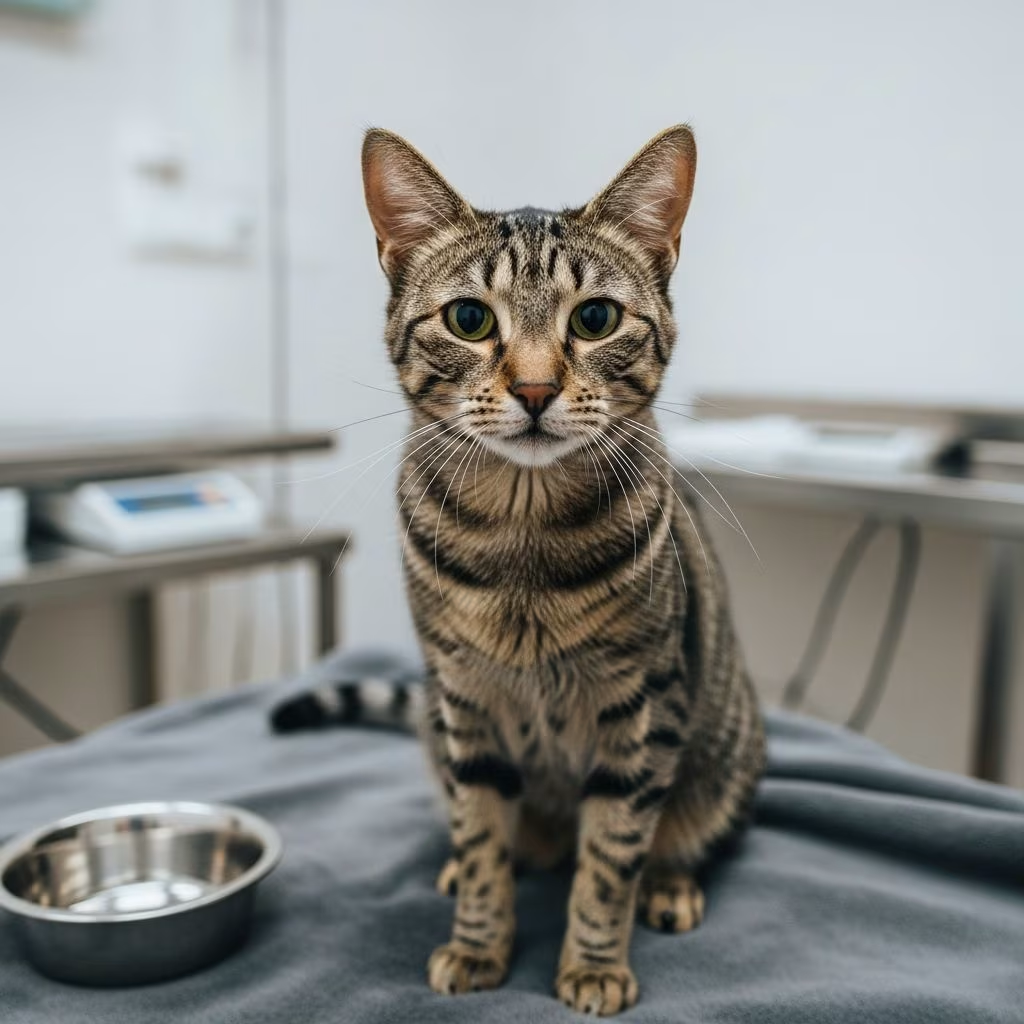
Understanding Anorexia in Cats
Anorexia in cats refers to a sustained loss of appetite, whether partial or complete. Unlike the eating disorder anorexia nervosa in humans, feline anorexia is a clinical sign indicating an underlying health problem or behavioral issue that requires investigation and treatment. When a cat shows little to no interest in food, it’s the body’s way of signaling that something needs attention. This condition is particularly concerning because cats have unique metabolic requirements, and prolonged appetite loss can lead to serious complications if not addressed promptly.
The distinction between true anorexia and simple pickiness is important for cat owners to understand. True anorexia represents a genuine loss of appetite driven by medical or psychological factors, whereas a picky eater may simply be refusing food due to preferences. Understanding this difference helps determine the urgency of veterinary intervention needed.
Common Causes of Anorexia in Cats
Feline anorexia has numerous potential causes, ranging from minor issues to serious medical conditions. Identifying the underlying reason is crucial for effective treatment.
Oral and Dental Problems
Dental disease represents one of the most common causes of appetite loss in cats. Painful conditions affecting the teeth, gums, and mouth tissues can make eating uncomfortable or impossible. Cats may develop gingivitis, tooth decay, oral infections, tumors, fractures, or chronic gingivostomatitis. Some cats with missing teeth or severe dental disease cannot physically consume dry kibble, forcing them to avoid food altogether. Any cat with visible mouth pain, drooling, or difficulty chewing should receive a thorough oral examination from a veterinarian.
Gastrointestinal Disorders
Diseases affecting the digestive system frequently trigger appetite loss. Inflammatory bowel disease, pancreatitis, gastric ulcers, intestinal blockages, and other gastrointestinal conditions commonly cause anorexia as a primary clinical sign. These conditions often accompany nausea and vomiting, further discouraging food intake. Cats with gastrointestinal issues may appear interested in food but refuse it after smelling or tasting it, or they may drool excessively and drop food while attempting to eat.
Systemic Disease and Organ Dysfunction
Kidney disease, liver disease, diabetes, and other systemic illnesses frequently cause appetite loss. Cats with kidney disease often experience nausea that suppresses hunger. Hepatic lipidosis (fatty liver disease) can develop as a consequence of prolonged anorexia, creating a dangerous cycle. Hyperthyroidism and other metabolic disorders may also contribute to appetite changes despite affecting cats’ overall nutritional needs differently.
Respiratory and Cardiac Issues
Respiratory infections, congestive heart failure, and other breathing difficulties can diminish a cat’s interest in eating. When cats experience dyspnea or labored breathing, the physical effort required to eat becomes challenging. Additionally, respiratory infections can affect a cat’s sense of smell, which is crucial for appetite stimulation in felines.
Medication Side Effects
Certain medications can cause nausea, vomiting, or appetite suppression as side effects. Antibiotics such as amoxicillin, tetracyclines, and erythromycin frequently cause gastrointestinal upset. Chemotherapeutic agents, cardiac glycosides, NSAIDs, and narcotic analgesics can similarly reduce appetite. If anorexia develops after starting a new medication, discussing alternative options with a veterinarian is important.
Psychological and Environmental Factors
Stress, anxiety, and environmental changes can suppress appetite in sensitive cats. Moving to a new home, introducing new pets, changes in routine, or alterations to the cat’s living space may trigger appetite loss. Some cats develop food aversion following negative experiences, such as choking or becoming ill after eating a particular food. Even changes in food brand or type can discourage eating in finicky felines.
Other Contributing Factors
Exposure to poisons or toxins, immune system imbalances, cancer, chronic pain, and exposure to high environmental temperatures can all contribute to anorexia. Age-related changes and behavioral issues may also play roles in appetite loss.
Recognizing the Signs of Anorexia
Early recognition of appetite loss enables faster intervention and better outcomes. Cat owners should watch for these warning signs:
Physical Symptoms
– Obvious food avoidance or refusal to eat
– Gradual or rapid weight loss
– Visible ribs, spine, or hip bones becoming prominent
– Yellowing of the skin (icterus) indicating liver problems
– Vomiting or diarrhea
– Drooling or excessive salivation
– Difficulty chewing or swallowing
– Bad breath or visible mouth sores
Behavioral Changes
– Lethargy and reduced activity levels
– Decreased grooming and unkempt appearance
– Hiding more than usual
– Unresponsiveness to normal stimuli
– Depression or mood changes
– Spending unusual amounts of time with owners
– Weakness and general lack of energy
Urgency of Symptoms
Cats that haven’t eaten for 24 to 48 hours should be considered urgent cases requiring immediate veterinary attention. Prolonged anorexia in cats poses serious risks because they are susceptible to hepatic lipidosis, a potentially life-threatening condition where fat accumulates in the liver. Unlike dogs, cats have limited ability to mobilize fat stores safely, making extended appetite loss particularly dangerous.
Diagnosis and Veterinary Evaluation
A thorough veterinary examination is essential for identifying the cause of anorexia. Veterinarians typically perform a complete physical examination, examine the mouth carefully, and may recommend diagnostic testing such as blood work, urinalysis, imaging studies, or other specialized tests. The specific diagnostic approach depends on the cat’s age, overall health status, and additional clinical signs present.
During the evaluation, veterinarians will review the cat’s medical history, current medications, recent environmental changes, and dietary habits. This comprehensive approach helps narrow the differential diagnosis and guide appropriate treatment decisions.
Treatment Approaches for Feline Anorexia
Effective treatment combines addressing the underlying cause with providing supportive care to restore nutritional status and comfort.
Treating the Underlying Condition
Once a diagnosis is established, treatment focuses on addressing the primary problem. Cats with dental disease may need extractions or professional cleaning. Those with infections require antibiotics. Cats with gastrointestinal disorders may need dietary changes, anti-inflammatory medication, or other specific therapies. Managing systemic diseases like diabetes or kidney disease helps restore appetite as the primary condition improves.
Appetite Stimulant Medications
When appetite loss persists despite treating underlying conditions, veterinarians may prescribe medications to stimulate appetite. Mirtazapine is commonly used and works by blocking serotonin receptors, increasing appetite while reducing nausea. Other appetite stimulants may be considered based on individual cat needs.
Nausea Management
Anti-nausea medications help many anorexic cats return to eating. Addressing nausea is often crucial because cats experiencing nausea may refuse food even when hungry.
Nutritional Support
Severely anorexic cats may require hospitalization for intravenous fluid therapy to correct dehydration and electrolyte imbalances. In cases where cats cannot eat orally, feeding tubes may be placed to provide adequate nutrition while recovering from the primary condition. Vitamin B supplementation, particularly B12 injections, supports overall health and may improve appetite in cats with gastrointestinal disease.
Environmental Modifications
Reducing stress through environmental enrichment, maintaining consistent routines, providing quiet eating spaces, and ensuring access to fresh water all support appetite recovery. Some cats respond well to dietary changes, including warming food, offering different textures, or presenting food in new locations.
When to Seek Immediate Veterinary Care
Certain situations require urgent veterinary attention. Contact a veterinarian immediately if your cat:
– Has not eaten for 24 hours or longer
– Shows signs of severe pain, distress, or difficulty breathing
– Displays yellowing of skin or eyes
– Is vomiting repeatedly or has bloody vomit
– Shows sudden behavioral changes or confusion
– Has difficulty swallowing or appears unable to eat
– Is a kitten or senior cat showing appetite loss
– Has known medical conditions like kidney disease or diabetes
Home Care and Recovery
Supporting recovery at home involves following all veterinary recommendations, administering medications as prescribed, providing nutritious food options, and monitoring eating patterns closely. Keep detailed records of food intake, weight, and any changes in behavior or symptoms. Maintain a stress-free environment and handle your cat gently during recovery. Regular follow-up veterinary visits ensure progress and allow for treatment adjustments if needed.
Prevention and Long-Term Management
While not all causes of anorexia are preventable, certain measures reduce risks. Regular veterinary check-ups catch diseases early. Dental care, including professional cleanings when recommended, prevents dental disease. Maintaining stable routines, providing environmental enrichment, and offering high-quality nutrition support overall health. Monitoring weight and appetite patterns helps detect problems early.
Frequently Asked Questions
Q: How long can a cat safely go without eating?
A: Cats should not go more than 24-48 hours without eating. Prolonged appetite loss risks developing hepatic lipidosis, a serious liver condition. Seek veterinary care immediately if your cat hasn’t eaten within this timeframe.
Q: Can anorexia in cats be fatal?
A: Yes, if left untreated, anorexia can lead to serious complications including hepatic lipidosis, severe malnutrition, and organ failure. Early intervention significantly improves outcomes.
Q: What is hepatic lipidosis and why is it dangerous?
A: Hepatic lipidosis (fatty liver disease) occurs when the liver accumulates excessive fat during prolonged periods without food intake. It’s particularly dangerous in cats because they cannot safely mobilize fat stores like other species, making this condition potentially life-threatening if not treated promptly.
Q: How is anorexia diagnosed in cats?
A: Diagnosis involves a complete physical examination, oral inspection, and diagnostic testing such as blood work, urinalysis, and imaging studies. The specific tests depend on the cat’s symptoms and medical history.
Q: Can stress cause anorexia in cats?
A: Yes, psychological stress from environmental changes, routine disruptions, or behavioral issues can trigger appetite loss in sensitive cats. However, it’s important to rule out medical causes first, as these are more common.
Q: What medications treat anorexia in cats?
A: Mirtazapine is a commonly prescribed appetite stimulant. Other medications address underlying conditions or manage symptoms like nausea. Your veterinarian will recommend the most appropriate option based on your cat’s specific situation.
Q: How long does recovery from anorexia take?
A: Recovery timelines vary depending on the underlying cause, severity of appetite loss, and treatment effectiveness. Some cats recover within days with appropriate treatment, while others require weeks of management and support.
Q: Should I force-feed my anorexic cat?
A: Force-feeding is not recommended and can cause stress or aspiration complications. Instead, consult your veterinarian about appropriate feeding methods, which may include feeding tubes if necessary, and work on addressing underlying causes of appetite loss.
References
- Management of Anorexia in the Cat — PubMed Central/NIH. 2024. https://pmc.ncbi.nlm.nih.gov/articles/PMC10822205/
- Anorexia — Cornell University College of Veterinary Medicine. Accessed 2025. https://www.vet.cornell.edu/departments-centers-and-institutes/cornell-feline-health-center/health-information/feline-health-topics/anorexia
- Anorexia in Cats — VCA Animal Hospitals. Accessed 2025. https://vcahospitals.com/know-your-pet/anorexia-in-cats
- 6 Reasons Why Your Cat Is Not Eating and What To Do — PetMD. Accessed 2025. https://www.petmd.com/cat/nutrition/cat-not-eating-what-to-do
- Loss of Appetite or Anorexia — The Animal Medical Center. Accessed 2025. https://www.amcny.org/pet_health_library/loss-of-appetite/



