

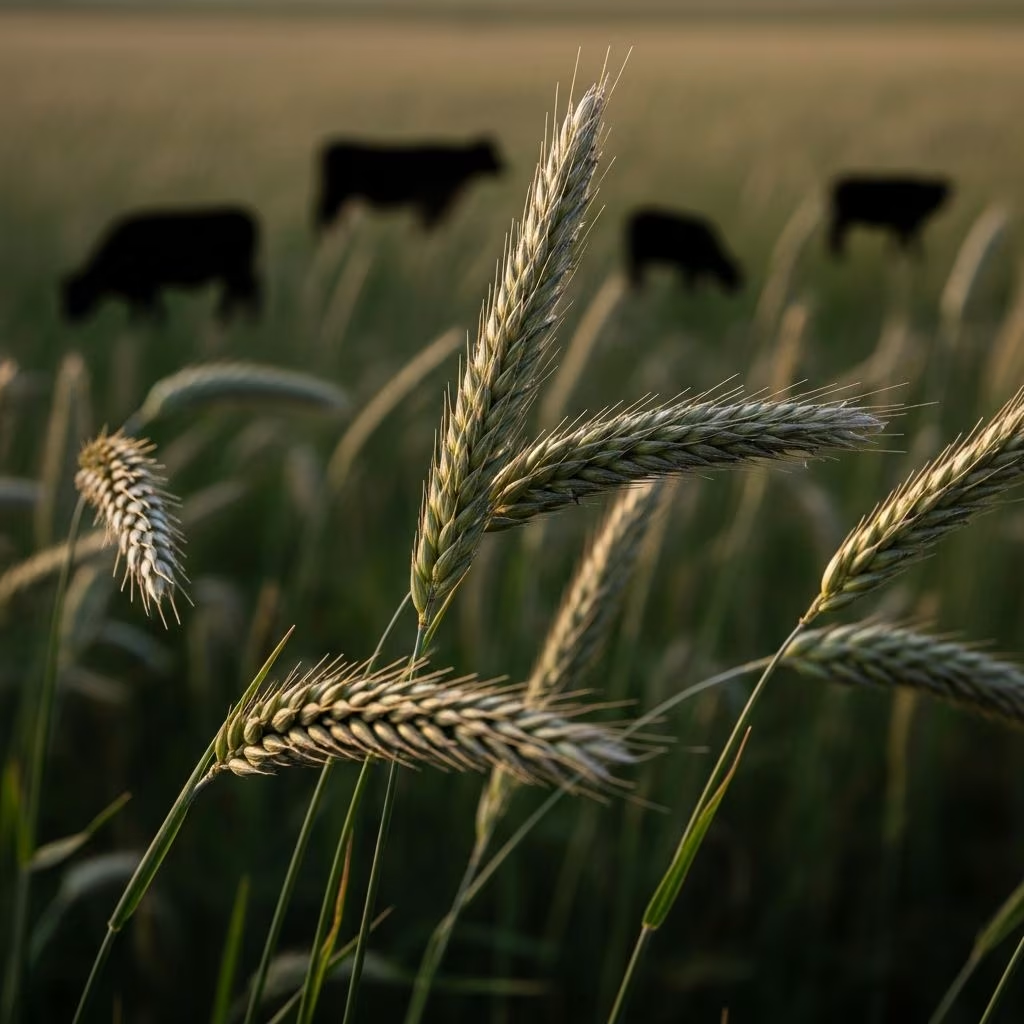
Annual ryegrass toxicity, commonly abbreviated as ARGT, represents a significant hazard for grazing animals worldwide, particularly in regions where Lolium rigidum thrives. This condition arises when livestock consume grass infected with the bacterium Rathayibacter toxicus, leading to the production of potent neurotoxins known as corynetoxins. These toxins disrupt vital cellular processes, resulting in a cascade of neurological symptoms that can culminate in death if not addressed promptly.
The Biological Mechanism Behind the Toxins
At the heart of ARGT lies a complex symbiotic relationship involving the ryegrass plant, a nematode worm, and the bacterium R. toxicus. The nematode infests the grass, creating galls in the seed heads where the bacteria colonize and multiply. Toxin production peaks around the flowering stage and intensifies as the plant matures and dries, persisting in hay and stubble for extended periods.
Corynetoxins are tunicamycin-like compounds classified as tunicaminyluracil antibiotics. They primarily inhibit protein glycosylation, a critical process for proper protein folding and function in cells, especially in the nervous system. This interference leads to widespread cellular dysfunction, mimicking other staggers syndromes but with heightened severity. Unlike fungal endophytes in perennial ryegrass, which cause milder, reversible tremors, ARGT toxins accumulate over time, with clearance taking up to six months.
Clinical Manifestations Across Species
Symptoms of ARGT typically emerge 2-6 days after exposure, though they can appear as early as 4 days or delayed up to several weeks, depending on intake levels and stress factors. Neurological signs are triggered or worsened by exercise, excitement, or handling, often first noticed during mustering.
- Initial signs: Fine muscle tremors (fasciculations) in the face, shoulders, and limbs; frequent blinking, ear twitching, head nodding, and muzzle quivering.
- Progressive gait abnormalities: Hypermetria (exaggerated stepping), ataxia without weakness, stiff “rocking horse” gait, and truncal sway.
- Severe stages: Recumbency, convulsions with opisthotonos (head thrown back), limb paddling, and sudden death.
Affected animals often remain alert and appetent early on, recovering temporarily if left undisturbed. However, cumulative dosing from repeated exposure exacerbates outcomes.
Impacts on Different Livestock Species
| Species | Key Symptoms | Unique Risks |
|---|---|---|
| Sheep | High-stepping gait, hindlimb incoordination, convulsions upon falling | Peak deaths 4 days post-removal; abortions in pregnant ewes |
| Cattle | Uncoordinated movements, stiff gait, muscle spasms | Intermittent signs; sudden collapse during yarding |
| Horses | Muscle tremors, hyperexcitability, disorientation, seizures | Anorexia, rapid escalation; differs slightly from ruminants |
| Pigs | Similar neurological dysfunction | Less commonly reported but fully susceptible |
In ruminants like sheep and cattle, rumen contents retain toxins, prolonging effects. Horses may exhibit inappetence and heightened reactivity, escalating to recumbency. Pregnant animals face additional threats, including abortions and agalactia.
Diagnosis: Confirming the Suspected Cause
Diagnosis hinges on clinical history, especially sudden onset during movement from a known ryegrass paddock. Key indicators include intermittent symptoms resolving with rest and absence of fever or weakness.
Laboratory confirmation involves:
- Testing feces, rumen boluses, or ingesta for R. toxicus via culture or PCR.
- Analyzing pasture, hay, or grain for bacterial presence and toxin levels (safe threshold: <1 g/kg).
- Histopathology revealing brain congestion, edema, neuronal degeneration, and liver/kidney changes.
Differential diagnoses include perennial ryegrass staggers (fungal, milder), polioencephalomalacia, or hypocalcemia. Feed history from prior paddocks is crucial, as toxins accumulate across exposures.
Treatment Approaches and Prognosis
No antidote exists for corynetoxins, making prevention paramount. Immediate actions include:
- Removing animals from suspect pastures to certified safe grazing (<1 g/kg toxin).
- Providing supportive care: quiet environment, ample clean water, and fresh non-toxic hay.
- Monitoring for 10 days post-removal, as signs may persist.
Prognosis varies; mild cases recover fully, but severe ones carry high mortality within hours to a week. Survivors may show lasting neurological deficits. Peak mortality in sheep occurs 4 days after relocation. Veterinary consultation is essential for fluid therapy or anti-convulsants in critical cases.
Prevention: Proactive Pasture Management
Effective strategies focus on risk identification and avoidance:
Testing Protocols:
- Sample seed heads from paddocks, hay, and grains annually, especially November-March in southern hemispheres.
- Use accredited labs for quantitative toxin assays.
Grazing Management:
- Rotate stock before ryegrass seeds mature; delay re-entry until weathering reduces toxins.
- Avoid feeding suspect hay; dilute with safe forages if necessary.
- Graze high-risk paddocks with sheep first, as they show signs earliest.
Cultural Controls: Promote diverse pastures with legumes or alternative grasses; use resistant ryegrass cultivars where available. Monitor weather, as dry conditions favor bacterial persistence.
Epidemiology and Global Distribution
ARGT predominates in Australia (Western Australia, South Australia), South Africa, and sporadically in the US (e.g., Oregon horses from imported fescue). Outbreaks align with ryegrass seeding in warmer months, affecting all ages but peaking in young stock. Economic losses stem from deaths, abortions, and weight gain setbacks. Climate change may expand risks by favoring weed proliferation.
FAQs on Annual Ryegrass Toxicity
Q: How quickly do ARGT symptoms appear?
A: Typically 2-6 days after grazing toxic plants, but up to weeks with low-level exposure.
Q: Can hay from toxic ryegrass cause poisoning?
A: Yes, toxins persist indefinitely in stored hay until weathered.
Q: Is ARGT fatal to all affected animals?
A: No, mild cases recover, but severe ones have high mortality rates.
Q: How to test a paddock for safety?
A: Submit seed head samples to labs; safe if <1 g/kg average.
Q: Are there vaccines or treatments?
A: None specific; focus on removal and support.
Research Frontiers and Future Outlook
Ongoing studies target bacterial genomics for biocontrol agents and toxin-binding supplements. Improved rapid field tests could revolutionize monitoring. Producers must stay vigilant, integrating testing into routines for sustainable grazing.
References
- Annual ryegrass toxicity (ARGT) – Equiimed — Equiimed. 2023. https://equiimed.com/reviews/annual-ryegrass-toxicity-argt/
- Annual Ryegrass Toxicity – Sheep Connect SA — Sheep Connect SA. 2024. https://www.sheepconnectsa.com.au/management/health/poisoning/annual-ryegrass-toxicity
- Annual ryegrass toxicity in livestock – DPIRD — Department of Primary Industries and Regional Development (WA). 2025-02-01. https://www.dpird.wa.gov.au/businesses/pests-weeds-and-diseases/animal-pests-diseases/annual-ryegrass-toxicity-in-livestock/
- Ryegrass Poisoning – MSD Veterinary Manual — MSD Veterinary Manual. 2024. https://www.msdvetmanual.com/special-pet-topics/poisoning/ryegrass-poisoning
- Ryegrass Staggers in Horses – Vetster — Vetster. 2023. https://vetster.com/en/conditions/horse/ryegrass-staggers
- Plants Poisonous to Livestock FAQ — Cornell University Department of Animal Science. 2022. https://poisonousplants.ansci.cornell.edu/php/plants.php?action=faqs&num=96
- Overcoming the Risk of Ryegrass Staggers – Barenbrug — Barenbrug Australia. 2024. https://www.barenbrug.com.au/agriculture/challenges-solutions/overcoming-risk-ryegrass-staggers



