

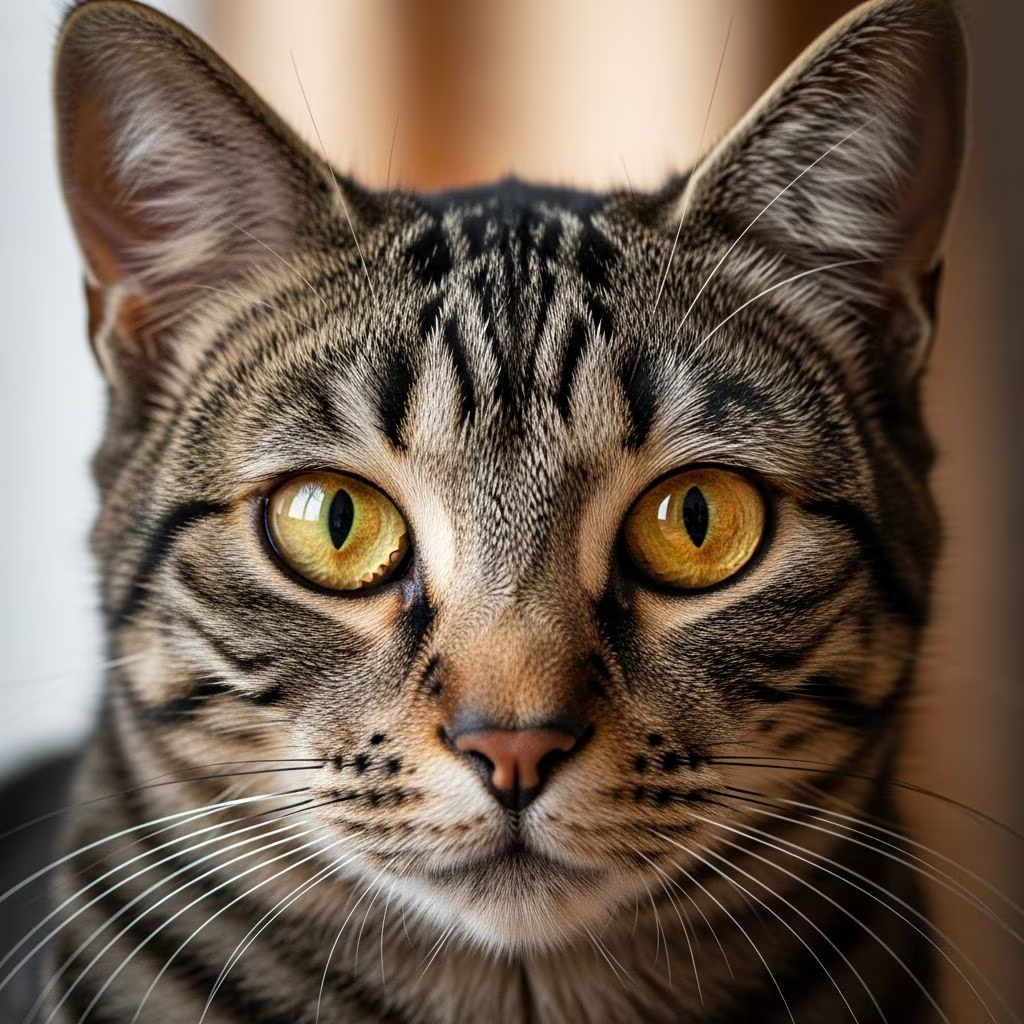
Anisocoria in Cats: When Cat Pupils Are Different Sizes
Anisocoria is a condition where one of your cat’s pupils appears larger or smaller than the other. While this might seem like a minor cosmetic issue, it can actually be a sign of an underlying health concern that requires veterinary attention. Understanding this condition is essential for cat owners who want to maintain their feline companion’s ocular health and overall well-being.
The term “anisocoria” comes from the Greek words meaning “unequal pupils,” and it occurs when there is a noticeable difference in the size of your cat’s eyes’ pupils. This asymmetry can develop suddenly or gradually, and it may affect one or both eyes. Some cases of anisocoria are benign and require no intervention, while others indicate serious underlying medical conditions that need prompt treatment.
What is Anisocoria?
Anisocoria refers to a condition where the pupils of a cat’s eyes are noticeably different sizes. Normally, both pupils should be equal in size and should dilate and constrict in response to light and other stimuli. When this symmetry is disrupted, it signals that something may be affecting the nerves or structures that control pupil function.
The pupil is controlled by muscles within the iris, and these muscles are regulated by the autonomic nervous system. When damage occurs to the nerves controlling these muscles, or when the structures themselves are affected by disease or injury, the result is unequal pupils. Understanding the anatomy and physiology behind pupil function helps explain why anisocoria occurs and why it matters for your cat’s health.
Common Causes of Anisocoria in Cats
Anisocoria in cats can result from numerous underlying conditions, ranging from minor to serious. Identifying the cause is crucial for determining the appropriate treatment and prognosis.
Ocular Causes
Several eye-specific conditions can lead to anisocoria. Uveitis, which is inflammation of the uveal tissue inside the eye, is one of the most common causes. This condition can result from trauma, infection, or autoimmune disease. When the iris becomes inflamed, it can affect how the pupil responds to light and stimuli.
Glaucoma is another significant cause of anisocoria. This condition involves increased intraocular pressure, which can damage the optic nerve and affect pupil function. Corneal ulcers or infections can also cause pupillary changes as the eye attempts to protect itself from further damage.
Anterior uveitis specifically causes the pupil of the affected eye to become smaller (miotic), while posterior uveitis may cause pupil dilation. Iris atrophy, commonly seen in senior cats, involves the thinning of the colored cells of the iris and naturally leads to a larger-appearing pupil in the affected eye.
Neurological Causes
Neurological issues represent a significant category of anisocoria causes. Horner’s syndrome, which affects the nerves controlling pupil dilation, results in a permanently constricted pupil. Head trauma can cause bleeding inside the brain, creating increased pressure within the skull that affects the optic nerve and pupil function.
Lesions affecting the optic nerve or the brain structures that control pupil reflexes can also produce anisocoria. These neurological causes often present with additional symptoms beyond the unequal pupils, such as head tilting, balance problems, or facial drooping.
Medication-Related Causes
Certain medications can alter pupil size. Atropine, a drug sometimes used in veterinary ophthalmology, causes pupil dilation. Other medications may similarly affect the pupillary response, leading to temporary or permanent anisocoria until the medication is discontinued or metabolized from the system.
Infectious and Systemic Causes
Various infections can cause anisocoria, including bacterial, fungal, and parasitic infections affecting the eye or nervous system. Toxoplasmosis, a parasitic infection common in cats, can affect the nervous system and cause pupillary changes. Additionally, certain toxins or poisonings can affect pupil size and function.
Recognizing the Symptoms
The most obvious symptom of anisocoria is the visible difference in pupil size between the two eyes. However, several other signs may accompany this condition, helping you identify that something requires veterinary attention.
Primary and Associated Symptoms
Beyond the unequal pupils themselves, watch for the following symptoms:
- Sensitivity to light: Your cat may squint or seem uncomfortable in bright environments
- Eye discharge: One or both eyes may have visible discharge, ranging from clear to colored
- Redness in the eyes: The sclera (white part of the eye) may appear inflamed or bloodshot
- Squinting: Excessive squinting often indicates discomfort
- Droopy eyelid: The affected eye may appear partially closed
- Cloudy or bluish cornea: The cornea may lose its normal clarity
- Visible third eyelid: The nictitating membrane may be raised or more visible than normal
- Head tilt: A persistent head tilt can indicate neurological involvement
- Balance or coordination issues: Your cat may appear clumsy or have difficulty navigating
- Eye drooping: Ptosis, or drooping of the eye, may occur
Behavioral Changes
You might also notice behavioral changes accompanying anisocoria. Your cat may be reluctant to play, eat, or drink. Changes in temperament, such as increased irritability or withdrawal, can indicate discomfort or vision changes. Reduced activity levels and avoidance of bright areas are also common behavioral indicators that warrant veterinary evaluation.
Diagnostic Approaches
Properly diagnosing the cause of anisocoria is essential for effective treatment. Your veterinarian will perform a comprehensive evaluation to identify the underlying issue.
Physical Examination
Your vet will begin with a complete physical examination followed by a thorough evaluation of the affected eye. This initial assessment helps establish your cat’s overall health status and any systemic conditions that might contribute to the anisocoria.
Specialized Eye Tests
Several standardized tests are typically performed to evaluate ocular health:
Schirmer Tear Test: This test measures tear production to rule out dry eye conditions that might contribute to pupillary changes.
Fluorescein Stain: A fluorescent dye is applied to the eye to detect corneal abrasions or ulcers that might be causing the anisocoria.
Intraocular Pressure Test: Using tonometry, your vet measures the pressure inside the eye to screen for glaucoma.
Additional Diagnostic Testing
Depending on initial findings, your veterinarian may recommend:
- Vision and nerve function assessments
- Blood panel to screen for systemic infections or diseases
- Imaging studies such as X-rays or CT scans to evaluate for neurological causes
- Referral to a veterinary ophthalmologist for complex cases
Treatment Options for Anisocoria
There is no direct treatment for anisocoria itself, but your veterinarian will work to address the underlying condition causing the unequal pupils. Treatment approaches vary significantly based on the diagnosed cause.
Medication-Based Treatment
Many cases of anisocoria respond well to medication. Treatment options include:
- Eye drops for ulcers or infections: Topical medications like terramycin can treat corneal ulcers and infections
- Antibiotics, antifungals, or antiparasitics: Systemic or topical medications address infectious causes
- Anti-inflammatory medications: Prednisolone and other anti-inflammatories reduce uveal inflammation
- Pain medications: Onsior and similar analgesics manage discomfort
- Specialized eye drops: Medications like dorzolamide help manage glaucoma by reducing intraocular pressure
- Nutritional supplements: These may address underlying deficiencies contributing to the condition
Surgical Intervention
Some cases require surgical treatment. Surgery may be necessary to:
- Remove tumors affecting the eye or nerves controlling pupils
- Repair physical trauma to eye structures
- Address other structural abnormalities causing anisocoria
Supportive Care
In cases where the underlying cause cannot be completely resolved, your vet may focus on symptom management and comfort care. This might include:
- Intravenous fluids for cats requiring hospitalization
- Cage rest to prevent further injury
- Pain management strategies
- Regular monitoring of the condition’s progression
Management of Specific Causes
For poisoning cases, your veterinarian may recommend an antidote or use activated charcoal to counteract the effects. The specific approach depends entirely on the type of toxin involved and the severity of exposure.
Prognosis and Recovery
The prognosis for anisocoria varies considerably depending on the underlying cause and how promptly treatment is initiated. Some conditions respond well to treatment and resolve completely, while others may result in permanent pupillary changes.
Factors Affecting Outcome
Several factors influence recovery prospects:
- Speed of diagnosis and treatment: Earlier intervention generally yields better outcomes
- Nature of the underlying condition: Some causes are more amenable to treatment than others
- Severity of nerve or tissue damage: Extensive damage may result in permanent changes
- Your cat’s overall health: Younger, healthier cats often recover better
- Compliance with treatment: Following your vet’s recommendations improves outcomes
Vision Prognosis
Many cats experiencing vision loss from the underlying cause of anisocoria have a fairly good chance of recovery, although this depends on the root cause. When treatment is started promptly, the risk of serious complications like blindness is significantly reduced. However, if left untreated, anisocoria can progress to permanent vision loss or other serious complications.
Prevention Strategies
While not all cases of anisocoria can be prevented, you can take steps to reduce your cat’s risk of developing this condition:
Regular Veterinary Check-Ups
Schedule regular wellness exams with your veterinarian. These visits allow your vet to identify underlying conditions early, before they develop into anisocoria or other serious problems.
Eye Protection
Keep your cat safe from eye injuries by:
- Supervising outdoor time or keeping cats indoors
- Preventing fights with other animals
- Protecting eyes from chemical or foreign body exposure
- Providing a safe, hazard-free environment
Prompt Treatment of Underlying Conditions
If your cat develops infections, injuries, or other health conditions, seek prompt veterinary treatment. Early intervention prevents these conditions from progressing to anisocoria or other complications.
Medication Awareness
If your cat is prescribed medications that can affect pupil size, understand the potential side effects and monitor for changes in pupil appearance or behavior.
When to Seek Immediate Veterinary Care
Contact your veterinarian immediately if you notice:
- Sudden onset of unequal pupils
- Changes in your cat’s eye color or appearance
- Eye redness or cloudiness
- Changes in eye position within the socket
- Abnormal eye movements
- Drooping eyelids
- Head tilting
- Your cat pawing at their eyes in apparent pain
- Obvious loss of vision or disorientation
- Neurological signs such as seizures or circling
Frequently Asked Questions About Anisocoria in Cats
Q: Is anisocoria always a sign of a serious problem?
A: Not necessarily. While anisocoria can indicate serious conditions, some cases result from benign causes like iris atrophy in older cats or congenital variations. However, any noticeable change in your cat’s pupils warrants veterinary evaluation to rule out serious underlying conditions.
Q: Can anisocoria be cured?
A: The underlying cause of anisocoria can often be treated, which may resolve the unequal pupils. However, some cases, particularly those involving nerve damage, may result in permanent pupillary changes even after successful treatment of the underlying condition.
Q: How quickly should I take my cat to the vet if I notice unequal pupils?
A: If the anisocoria developed suddenly or your cat shows neurological signs, seek veterinary attention as soon as possible. If it developed gradually and your cat shows no other symptoms, schedule a veterinary appointment within a few days. Any eye condition warrants professional evaluation.
Q: Will my cat go blind from anisocoria?
A: Blindness is a possible complication if anisocoria is left untreated, particularly if caused by conditions like glaucoma or severe uveitis. However, prompt treatment of the underlying cause significantly reduces this risk. Many cats recover vision or maintain it with appropriate care.
Q: What is the difference between anisocoria caused by uveitis versus glaucoma?
A: Uveitis typically causes the affected pupil to become smaller and constricted, while glaucoma can cause various pupillary responses depending on the severity. Uveitis is often treatable with topical or oral medication and has a low chance of permanent blindness when treated promptly, while glaucoma requires careful management to prevent vision loss.
Q: Can medications cause permanent anisocoria?
A: Some medications can cause temporary anisocoria that resolves once the medication is discontinued. However, certain medications or prolonged use may result in permanent pupillary changes. Always inform your vet of any medications your cat is taking.
Q: How often should I monitor my cat’s pupils?
A: For cats with diagnosed anisocoria, monitor their pupils regularly as directed by your veterinarian. For healthy cats, periodic observation during regular interactions helps you notice any changes early. Any sudden changes warrant veterinary evaluation.
References
- Anisocoria in Cats: Why Your Cat’s Eyes Are Different Pupil Sizes — PetMD. 2024. https://www.petmd.com/cat/conditions/eyes/c_ct_anisocoria
- Anisocoria in Cats — VCA Animal Hospitals. 2024. https://vcahospitals.com/know-your-pet/anisocoria-in-cats
- Unequal Pupils (Anisocoria) in Cats – Causes, Treatment and Diagnosis — Vetster. 2024. https://vetster.com/en/symptoms/cat/unequal-pupils
- Anisocoria in Cats: A Closer Look — PetCareRx. 2024. https://www.petcarerx.com/article/anisocoria-in-cats-a-closer-look/6829
- Anisocoria in Cats: Why My Cat’s Pupils Are Different Sizes — Rover. 2024. https://www.rover.com/blog/anisocoria-in-cats/



