

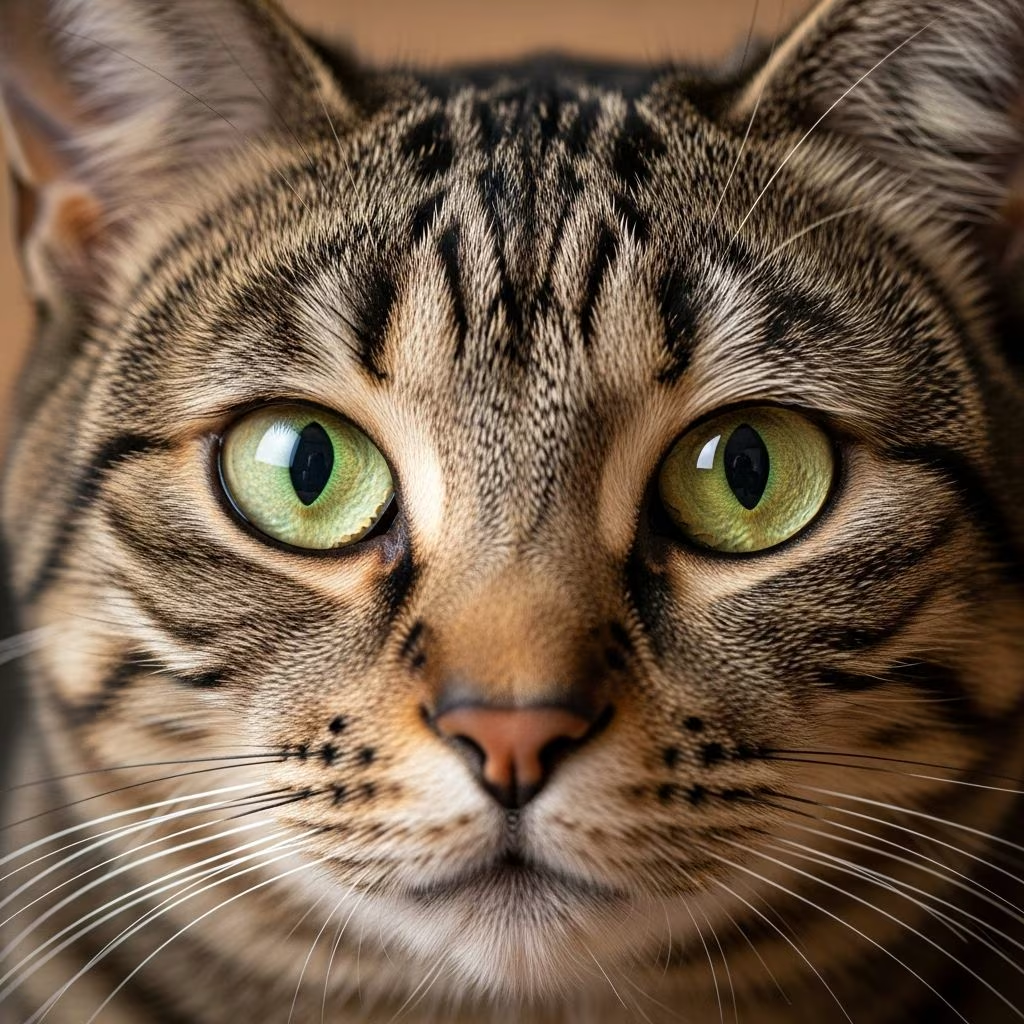
Anisocoria is a condition where your cat’s pupils are unequal in size. Normally, both pupils should respond to light by contracting and dilating equally, maintaining the same size in both eyes. When one pupil appears noticeably larger or smaller than the other, it indicates an underlying issue that warrants veterinary attention. This condition can be caused by a variety of factors ranging from minor eye injuries to serious neurological problems. Understanding anisocoria is essential for cat owners to recognize potential health concerns and seek timely medical intervention.
What is Anisocoria?
Anisocoria refers to the abnormal difference in pupil size between the two eyes. The pupil is the dark center of the eye that controls how much light enters the eye, and it should automatically adjust its size in response to light exposure. In a healthy cat, both pupils respond identically to light stimuli, maintaining equal dimensions. When this symmetry is disrupted and one pupil remains larger or smaller than the other, it signals that something may be affecting the nerves or muscles that control pupil function, or there may be direct damage to the eye itself.
While anisocoria might seem like a minor cosmetic issue, it can be a significant clinical sign indicating serious underlying conditions. Some cases may resolve with proper treatment, while others could lead to permanent vision changes if left untreated. The key to protecting your cat’s eyesight is recognizing the symptom early and seeking professional veterinary care promptly.
Common Causes of Anisocoria in Cats
Anisocoria can develop due to multiple different causes, which are broadly categorized into neurological and ocular (eye-related) conditions. Understanding these causes helps pet owners recognize why their cat might develop this condition.
Neurological Conditions
Neurological issues represent a significant category of anisocoria causes in cats. These conditions affect the nerves and brain structures that control pupil size and function.
Horner’s Syndrome is a common neurological cause of anisocoria. This condition occurs when there is damage to the nerves controlling the sympathetic nervous system, which regulates pupil dilation. Cats with Horner’s Syndrome typically present with a constricted pupil on the affected side, along with other signs like drooping eyelids and withdrawal of the eyeball.
Brain tumors can also lead to anisocoria by putting pressure on the nerves that control pupil function. These tumors may originate in the brain itself or spread from cancer elsewhere in the body. Any growth within the cranial cavity can disrupt normal neural pathways responsible for pupil regulation.
Head trauma and nerve damage represent acute causes of neurological anisocoria. Trauma to the head can cause bleeding or swelling within the brain, increasing intracranial pressure and affecting pupil size. Direct nerve damage may also result from accidents or injuries.
Spastic pupil syndrome is a rare condition that may be related to feline leukemia virus (FeLV). This condition causes intermittent and unpredictable changes in pupil size, sometimes alternating between eyes.
Eye Diseases and Infections
Direct eye problems represent another major category of anisocoria causes. These conditions affect the eye structures themselves and their ability to function normally.
Uveitis, or inflammation of the uvea (the pigmented layer of the eye), is a common cause of anisocoria. This painful condition can result from infections, trauma, or systemic diseases. Affected cats often show other signs of discomfort including squinting and eye discharge.
Glaucoma involves increased fluid pressure within the eyeball. This elevated intraocular pressure damages the structures controlling pupil size and can lead to vision loss if not treated promptly. Glaucoma is particularly painful and requires immediate veterinary attention.
Corneal injuries and ulcers are open sores on the cornea that can result from scratches, foreign objects, or infections. These injuries damage the eye’s protective outer layer and can affect pupil function.
Iris atrophy is most commonly seen in senior cats. This condition involves the thinning and degeneration of the iris tissue over time, leading to gradual changes in pupil size. While not an emergency, it indicates age-related changes requiring monitoring.
Retinal disease affects the light-sensitive tissue at the back of the eye. Various retinal conditions can contribute to anisocoria and vision problems.
Infectious diseases including feline leukemia virus (FeLV), feline immunodeficiency virus (FIV), and toxoplasmosis can all cause anisocoria as part of their systemic effects on the body.
Physical Trauma and Injury
Eye injuries and head trauma represent direct physical causes of anisocoria. Cats may sustain these injuries through accidents, fights with other animals, or falls. Direct eye trauma, such as from a claw wound or blunt force, can damage the pupillary muscles or iris tissue, resulting in abnormal pupil size.
Other Potential Causes
Congenital defects may result in some kittens being born with improperly developed iris tissue, leading to anisocoria from birth. In these cases, the condition is benign and not indicative of an underlying disease.
Cancer affecting or surrounding the eye can directly impact pupil size and function. Intraocular tumors may compress structures controlling the pupil.
Medications like atropine can cause pupil dilation and contribute to anisocoria as a side effect.
Recognizing Symptoms of Anisocoria
The most obvious sign of anisocoria is the visible difference in pupil size between the two eyes. However, cats with this condition often present with additional symptoms that provide clues to the underlying cause.
Associated symptoms may include:
– Squinting or frequent blinking- Eye discharge or tearing- Raising of the third eyelid- Rubbing or pawing at the affected eye- Redness or swelling around the eye- Changes in behavior or activity level- Vision problems or disorientation- Neurological signs such as head tilting, circling, or difficulty walking- Seizures in cases of brain involvement- Pain indicators like excessive vocalization or reluctance to open the eyes
The presence of these additional symptoms helps veterinarians determine the underlying cause and urgency of treatment needed.
When to Seek Emergency Veterinary Care
While all cases of anisocoria warrant veterinary evaluation, certain situations require immediate emergency care. Pet owners should seek urgent veterinary attention if:
– Anisocoria appears suddenly rather than gradually- The cat shows signs of eye pain, such as squinting or pawing at the eye- Vision problems are evident, such as bumping into objects or reluctance to move- Neurological symptoms develop, including head tilting, seizures, or abnormal behavior- There is obvious trauma or injury to the eye or head- Eye discharge is present or the eye appears swollen- The cat’s behavior changes dramatically
Sudden-onset anisocoria particularly suggests acute conditions like trauma, bleeding, or acute infections that require prompt intervention to prevent permanent damage.
Diagnosis and Evaluation
Proper diagnosis of anisocoria involves a comprehensive approach to identify the underlying cause. Veterinarians employ multiple diagnostic techniques to pinpoint the problem.
Physical and Ophthalmologic Examination
Your veterinarian will begin by conducting a thorough physical examination of your cat, paying particular attention to the eye structures. This detailed ophthalmologic examination includes evaluating the pupil’s response to light, assessing eye movement, and examining the external and internal structures of the eye.
Specialized Diagnostic Tests
Depending on initial findings, your veterinarian may perform several specialized tests:
Intraocular pressure measurement: Tonometry measures the pressure within each eye. Elevated pressure in one eye may indicate glaucoma.
Tear production testing: This evaluates whether the eye is producing adequate tears, which is important for corneal health.
Corneal staining: Fluorescein dye is applied to the cornea to reveal any ulcers or injuries not visible to the naked eye. The dye highlights areas of corneal damage.
Conjunctival scrapings or biopsies: Samples may be collected from the conjunctiva (the membrane covering the eye) and sent to a diagnostic laboratory for specialized testing, particularly if infection is suspected.
Blood tests: Laboratory work can detect systemic conditions like feline leukemia, feline immunodeficiency virus, toxoplasmosis, and other infections that may cause anisocoria.
Neurological assessment: When neurological causes are suspected, your veterinarian will perform a comprehensive neurological examination to assess nerve function and brain health.
Imaging studies: X-rays, CT scans, or MRI may be recommended to visualize internal structures and detect tumors, head injuries, or other abnormalities not apparent on physical examination.
Specialist Referral
In some cases, your veterinarian may recommend a referral to a veterinary ophthalmologist—a specialist with advanced training in eye diseases and disorders. These specialists have additional diagnostic equipment and expertise to evaluate complex eye conditions.
Treatment Options for Anisocoria
The treatment of anisocoria depends entirely on the underlying cause of the condition. There is no universal treatment for anisocoria itself; rather, treatment focuses on addressing the specific problem causing the abnormal pupil size. Your veterinarian will tailor treatment specifically to your cat’s diagnosis and individual circumstances.
Medication-Based Treatments
Eye drops are commonly prescribed for various eye conditions. Topical medications can reduce inflammation, treat infections, manage pain, and lower intraocular pressure depending on the underlying condition.
Oral medications including antibiotics, antiinflammatories, antiparasitics, and antifungals may be necessary to treat systemic infections or diseases contributing to anisocoria.
Nutritional supplements may be recommended to address deficiencies that could affect eye health or systemic conditions.
Surgical Interventions
In cases of tumors affecting the eye or brain, surgery may be necessary to remove the growth and restore normal pupil function. Some corneal injuries may require surgical repair, and severe glaucoma cases may require surgical procedures to manage intraocular pressure.
Management of Systemic Conditions
When anisocoria results from systemic diseases like FeLV or FIV, treatment focuses on managing the underlying infection and supporting the cat’s immune system. This may involve antiviral medications, immune-supporting supplements, and ongoing veterinary monitoring.
Supportive Care
Supportive care measures help the cat remain comfortable during treatment. These may include intravenous fluids for cats showing signs of dehydration, cage rest to minimize stress and prevent further injury, and pain management to keep the cat comfortable.
Prognosis and Recovery
The success of treatment largely depends on early detection and intervention. Some cases may resolve completely with appropriate treatment, particularly those caused by corneal injuries or infections that respond well to medication. Other conditions like iris atrophy or progressive neurological diseases may require ongoing management or result in permanent changes in pupil size. Cats who experience vision loss due to anisocoria-related conditions generally have a good chance of recovery when treated promptly, though outcomes vary depending on the specific cause.
Prevention and Risk Reduction
While not all causes of anisocoria are preventable, pet owners can take several steps to reduce their cat’s risk of developing this condition:
– Keep cats indoors to minimize trauma from accidents, fights, or environmental hazards- Maintain regular veterinary check-ups to detect diseases early- Stay current with vaccinations, particularly FeLV and FIV vaccines- Promptly address any eye-related symptoms or behaviors suggesting discomfort- Provide a safe living environment free from hazards that could cause head or eye injuries- Monitor senior cats for signs of iris atrophy and other age-related eye changes- Maintain appropriate nutrition to support overall health and immune function
Frequently Asked Questions About Anisocoria in Cats
Q: What are the most common causes of anisocoria in cats?
A: The most common causes include eye trauma, neurological conditions like Horner’s Syndrome, infections such as FeLV and toxoplasmosis, glaucoma, uveitis, and corneal ulcers. Some cats may also have congenital anisocoria, meaning they are born with differently sized pupils, which is typically benign.
Q: How can I tell if my cat’s anisocoria is an emergency?
A: Seek immediate veterinary care if anisocoria appears suddenly, is accompanied by signs of pain such as squinting or pawing at the eye, changes in behavior, vision problems, or neurological symptoms like head tilting or difficulty walking. Sudden onset anisocoria is particularly concerning.
Q: What diagnostic tests will a vet perform to determine the cause?
A: Veterinarians typically perform a complete eye examination, neurological assessment, blood tests to screen for infections and systemic diseases, intraocular pressure measurement, corneal staining to check for injuries, and possibly imaging studies like X-rays or MRI if necessary.
Q: How is anisocoria treated in cats?
A: Treatment depends on the underlying cause and may include topical or oral medications, surgery for tumors or severe injuries, management of systemic conditions, or supportive care. Recovery potential varies; some cats recover completely with prompt treatment, while others may have permanent changes in vision or pupil size depending on the underlying condition.
Q: Can anisocoria in cats go away on its own?
A: While some mild cases might resolve spontaneously, it is always recommended to have anisocoria evaluated by a veterinarian since it often indicates serious underlying conditions requiring treatment. Waiting could risk your cat’s vision and overall health, making professional evaluation essential.
Q: Will my cat lose vision if they have anisocoria?
A: Vision loss depends on the underlying cause. Many conditions causing anisocoria are treatable, and cats often recover normal or near-normal vision with prompt treatment. However, some conditions like advanced glaucoma or progressive retinal disease may result in permanent vision changes if not treated early.
Conclusion
Anisocoria in cats is a significant clinical sign that should never be ignored. While some cases may be benign, many indicate serious underlying conditions requiring prompt veterinary attention. The condition manifests as unequal pupil sizes and can result from various neurological, ophthalmologic, or systemic issues. Early recognition and professional evaluation are crucial for protecting your cat’s vision and overall health. Understanding the potential causes, recognizing associated symptoms, and knowing when to seek emergency care empowers cat owners to respond appropriately when this condition develops. By working closely with your veterinarian and seeking timely medical intervention, you can significantly improve your cat’s prognosis and quality of life. Remember that while anisocoria itself requires treatment of its underlying cause, prompt professional care can make a crucial difference in your cat’s visual health and long-term wellbeing.
References
- Anisocoria in Cats — VCA Animal Hospitals. 2024. https://vcahospitals.com/know-your-pet/anisocoria-in-cats
- Understanding Anisocoria in Cats: Causes & Treatments — Pets Care. 2024. https://www.petscare.com/news/post/anisocoria-in-cats-causes-treatments
- Anisocoria in Cats: Causes, Symptoms, & Treatment — Animal Emergency and Urgent Care. 2024. https://www.animalemergencyurgentcare.com/anisocoria-in-cats/
- Unequal Pupils (Anisocoria) in Cats – Causes, Treatment — Vetster. 2024. https://vetster.com/en/symptoms/cat/unequal-pupils
- Anisocoria in Cats: When Cat Pupils Are Different Sizes — Chewy. 2024. https://www.chewy.com/education/cat/health-and-wellness/anisocoria-in-cats-pupils-different-sizes



