

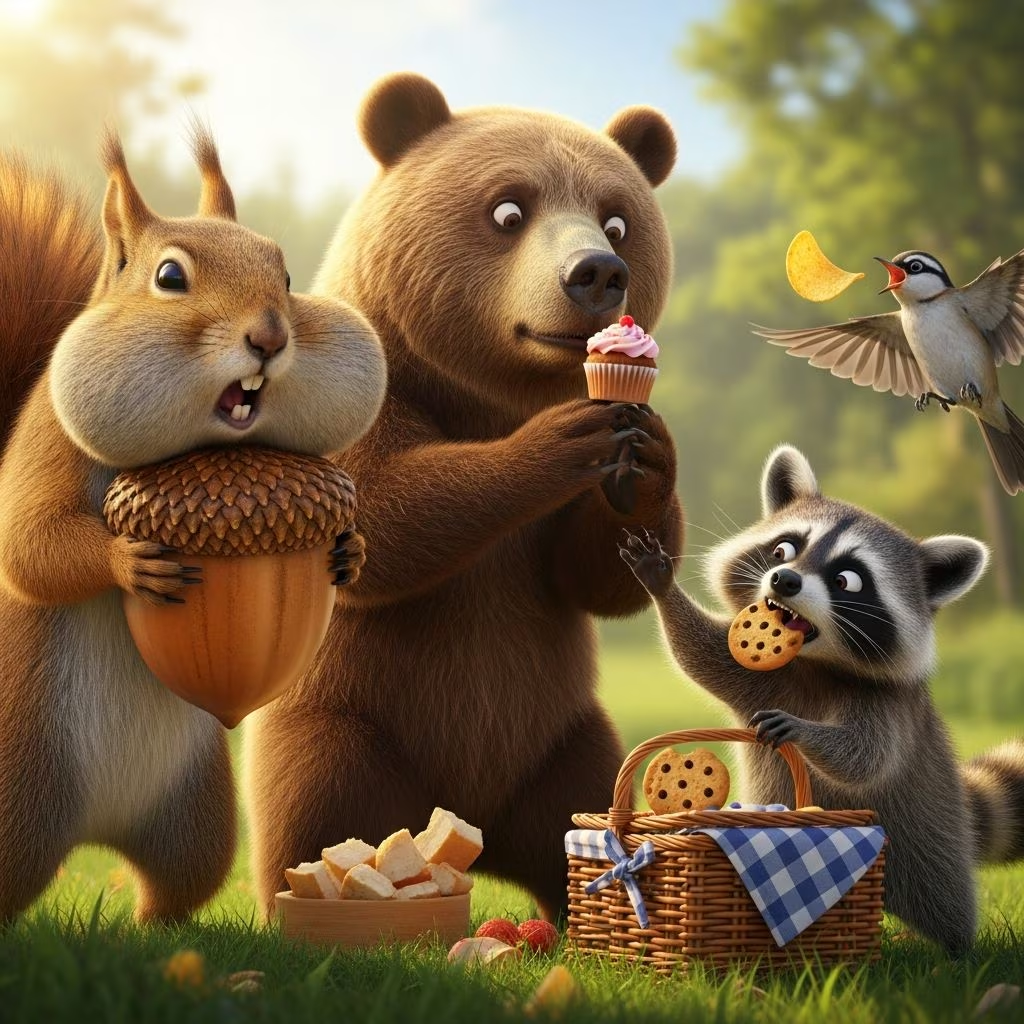
Animals Are Serious About One Thing — Snacks
There’s something universally relatable about the joy of enjoying a good snack. Whether it’s between meals or as a special treat, snacking brings comfort and happiness to many of us. But did you know that animals share this same enthusiasm for their favorite foods? At Best Friends Animal Sanctuary, the animals have shown us that treating yourself is not just acceptable — it’s absolutely necessary. These heartwarming and hilarious moments capture animals in their element, indulging in snacks and treats that bring them pure delight.
From feathered friends enjoying popcorn during movie time to hungry kittens nursing around the clock, the sanctuary’s animals demonstrate that snack time is serious business. The caregivers and volunteers at Best Friends have documented these precious moments, reminding us that all creatures, big and small, deserve to enjoy life’s simple pleasures. Let’s dive into these delightful snacking scenarios and discover why these animals are absolutely serious about their treats.
When You’re at the Movies
Imagine settling down for movie night and realizing you forgot the popcorn — disaster! Well, the birds at Best Friends Animal Sanctuary’s Parrot Garden recently experienced the complete opposite. These feathered movie enthusiasts got to enjoy their own special screening complete with individual cups of popcorn, transforming an ordinary day into an exciting cinematic experience.
The sanctuary staff set up a movie day using a laptop as the screen, and each parrot received their own portion of popcorn. This delightful activity showcases how animals can enjoy enrichment activities that mimic human experiences. Parrots are highly intelligent creatures with complex social and psychological needs, and providing them with novel experiences like movie time with treats helps stimulate their minds and provides much-needed entertainment. The birds’ enthusiasm for popcorn during this special event demonstrated that movie night really is more fun with snacks — a sentiment that transcends species.
When You Can’t Believe the Good Stuff Is Really All Gone
We’ve all experienced that disappointing moment when you reach for your favorite snack only to find the bag is empty. This feeling of disbelief and hope that somehow a few crumbs might remain at the bottom is universal. At Best Friends Animal Sanctuary, a pig named Batman perfectly captured this emotion when his favorite snack bag was completely empty.
In a scene that will resonate with anyone who’s ever experienced snack-induced disappointment, Batman shook the bag hopefully, searching for any remaining crumbs. The sanctuary staff understood his plight and assured him that dinner would be served soon, complete with fresh vegetables and his beloved piggy pellets. This humorous moment reminds us that animals experience hunger, anticipation, and disappointment much like we do. Batman’s persistence in checking that bag demonstrates the determination animals show when food is involved — a behavior rooted in their natural survival instincts combined with a genuine appreciation for delicious meals.
When You’re Too Hungry to Wait
Patience is a virtue, but sometimes when hunger strikes, that virtue goes out the window. At Best Friends Animal Sanctuary, some animals simply couldn’t wait for their food to be properly plated and served. Instead, they took matters into their own hands — or paws — and ate directly from the source.
Whether it’s eating right out of a carton or snacking directly from a can, these hungry animals skipped the formalities of plate presentation in favor of immediate gratification. This behavior, while amusing to observers, reflects an animal’s natural instinct to consume food when it’s available. In the wild, animals don’t have the luxury of waiting for dinner to be served on a plate; they eat when they find food. At the sanctuary, while meals are provided regularly, this spontaneous snacking behavior shows that the animals maintain their natural instincts despite living in a managed environment. The caregivers recognize these behaviors as normal and allow animals to express their natural feeding patterns in safe, controlled ways.
When You Really Need Those Extra Calories
Kitten season brings a special kind of busy at Best Friends Animal Sanctuary, particularly at the Kitten Nursery in Kanab, Utah. Young kittens require significantly more nutrition than adult cats, needing frequent meals throughout the day and night to support their rapid growth and development.
During kitten season, the tiny residents of the nursery are bottle-fed multiple times daily, consuming more milk than they would during regular meals. These little ones need more than three square meals a day to grow up healthy and strong, and the dedicated nursery staff and volunteers are there around the clock to ensure each kitten receives the nutrition it needs. The sight of kittens eagerly nursing and consuming their milk serves as a reminder of the intensive care required during these critical early months of life. The sanctuary’s commitment to providing round-the-clock care for these vulnerable animals ensures that kitten season, despite being demanding, results in healthy, well-nourished youngsters ready for adoption into loving homes.
When It’s an Offer You Can’t Refuse
Sometimes the most irresistible offers come from those who simply can’t resist your adorable face. At Best Friends Animal Sanctuary, a pig named Powser experienced this firsthand when his human office mate couldn’t resist offering him a tasty treat. The combination of Powser’s squishy, adorable appearance and the human’s kind heart resulted in an impromptu snacking session.
This moment illustrates the special bond that develops between animals and their caregivers. When animals are treated with love and respect, they become more comfortable and confident around their human friends. Powser didn’t even need to beg extensively — his charm alone was enough to convince his office mate to share a special treat. These interactions, while seemingly simple, are crucial for animal welfare. They provide mental stimulation, social enrichment, and demonstrate to the animals that they are valued members of the sanctuary community. For Powser, the treat itself was less important than the connection and affection demonstrated through the gift.
When There’s a Robbery in Progress
Picture this: a hay truck pulls up to deliver fresh hay, and suddenly there’s a coordinated robbery in progress. The culprits? Masked marauders who have apparently been planning this heist for days. At Best Friends Animal Sanctuary, the goats staged what might be the most adorable robbery ever witnessed.
These clever goats were ready and waiting when the hay truck arrived, their masks already in place. The masks, by the way, serve a practical purpose — they help keep pesky flies off their faces during warmer months. While the sanctuary staff had planned to unload the hay in an orderly fashion, one particularly eager goat couldn’t wait and stole a mouthful of hay before the official unloading even began. This playful moment showcases the intelligence and opportunistic nature of goats. They quickly learn when food deliveries are happening and position themselves to take advantage of the situation. The goats’ enthusiasm for fresh hay demonstrates their natural grazing instincts and appreciation for quality food sources. The sanctuary staff finds these moments both entertaining and informative about animal behavior and preferences.
When Your Best Friend Decides to Share
There’s something special about sharing a meal with a friend. At Best Friends Animal Sanctuary, two animals demonstrated the genuine joy that comes from sharing food together. With a big plate of food and plenty to go around, these best friends split their meal and enjoyed it together.
Sharing food is not just about consuming nutrition — it’s also about social bonding and demonstrating trust. When animals eat together peacefully, it indicates a strong social connection and comfort with one another. The fact that both animals were willing to share from the same plate shows a level of trust and friendship that develops in sanctuary environments where animals receive consistent care, socialization, and positive interactions. These moments are treasured by sanctuary staff because they demonstrate that animals can live harmoniously together and experience genuine companionship. The animals’ behavior reminds us that sharing really is caring, and that friendship — whether between animals or across species — is enriched through shared experiences and meals.
When the Most Delicious Meal Is Just a Few Steps Away
Desert tortoises aren’t known for their speed, but when an irresistible salad is just a short distance away, even these slow-moving creatures can find motivation to move. Aggie, a resident of Best Friends Animal Sanctuary, demonstrated this perfectly when she spotted a delicious salad waiting for her.
For a desert tortoise, a fresh salad represents ideal nutrition — vegetables and greens that mimic the plants they would consume in their natural desert habitat. Aggie’s enthusiasm for her meal, evident in her movement toward the food despite her naturally slow pace, shows how important proper nutrition is for animal health and wellbeing. Desert tortoises require specific diets rich in fiber and various vegetables to maintain optimal health. The sanctuary’s commitment to providing these appropriate, species-specific meals demonstrates the sophisticated knowledge and care required to properly manage animals in captivity. Aggie’s eagerness to dig into her salad serves as a perfect conclusion to this celebration of animals and their snacks.
Nutrition and Care at Best Friends Animal Sanctuary
Behind every adorable snacking moment at Best Friends Animal Sanctuary is a commitment to proper animal nutrition and care. All animals at the sanctuary receive regular healthy meals every day, carefully planned and executed by veterinarians and caregivers who understand species-specific dietary requirements.
The sanctuary’s approach to animal nutrition goes far beyond simply providing food. Each animal’s diet is tailored to their species, age, health status, and individual needs. Veterinarians work closely with caregivers to ensure that each animal receives proper nutrition in addition to treats, as appropriate. This comprehensive approach means that special treats and snacking moments are part of a larger nutritional strategy rather than random indulgences. Young animals like kittens receive specialized nutrition to support growth, while senior animals receive diets designed to support their changing health needs. Animals with specific health conditions receive therapeutic diets. The treats captured in these delightful photos represent just a small portion of the sanctuary’s commitment to animal wellness.
Frequently Asked Questions (FAQs)
Q: Why is proper nutrition so important for sanctuary animals?
A: Proper nutrition is fundamental to animal health, supporting growth, immune function, energy levels, and longevity. Animals receiving appropriate nutrition live longer, healthier lives and have better quality of life in sanctuary settings.
Q: How do sanctuary staff determine appropriate snack portions for animals?
A: Veterinarians and experienced caregivers assess each animal’s age, health status, weight, and dietary needs. Snacks are carefully portioned to provide enrichment and enjoyment without disrupting the animal’s overall nutritional balance.
Q: Are treats safe for all sanctuary animals?
A: Not all treats are appropriate for all species. Sanctuary staff carefully select treats that are species-appropriate and safe. For example, popcorn is appropriate for parrots but would not be suitable for many other animals.
Q: How does snack time benefit animals psychologically?
A: Snack time provides mental stimulation, enrichment, social bonding opportunities, and helps animals express natural behaviors. These activities contribute significantly to overall animal wellbeing and quality of life in sanctuary environments.
Q: What can people do to provide appropriate treats for their own pets?
A: Consult with veterinarians about species-appropriate treats, maintain proper portion sizes, ensure treats don’t comprise more than 10 percent of daily caloric intake, and select treats that provide nutritional value in addition to enjoyment.
References
- These animals are serious about one thing — snacks — Best Friends Animal Society. 2025. https://bestfriends.org/stories/features/these-animals-are-serious-about-one-thing-snacks
- What I eat in a day as a kitten | Best Friends Animal Society — Best Friends Animal Society. 2025. https://bestfriends.org/stories/videos/what-i-eat-day-kitten
- Baked goods for some good dogs | Best Friends Animal Society — Best Friends Animal Society. 2025. https://bestfriends.org/stories/features/baked-goods-some-good-dogs
- Best Friends Animal Society: Promoting Animal Welfare & Pet Adoption — Best Friends Animal Society. 2025. https://bestfriends.org



