

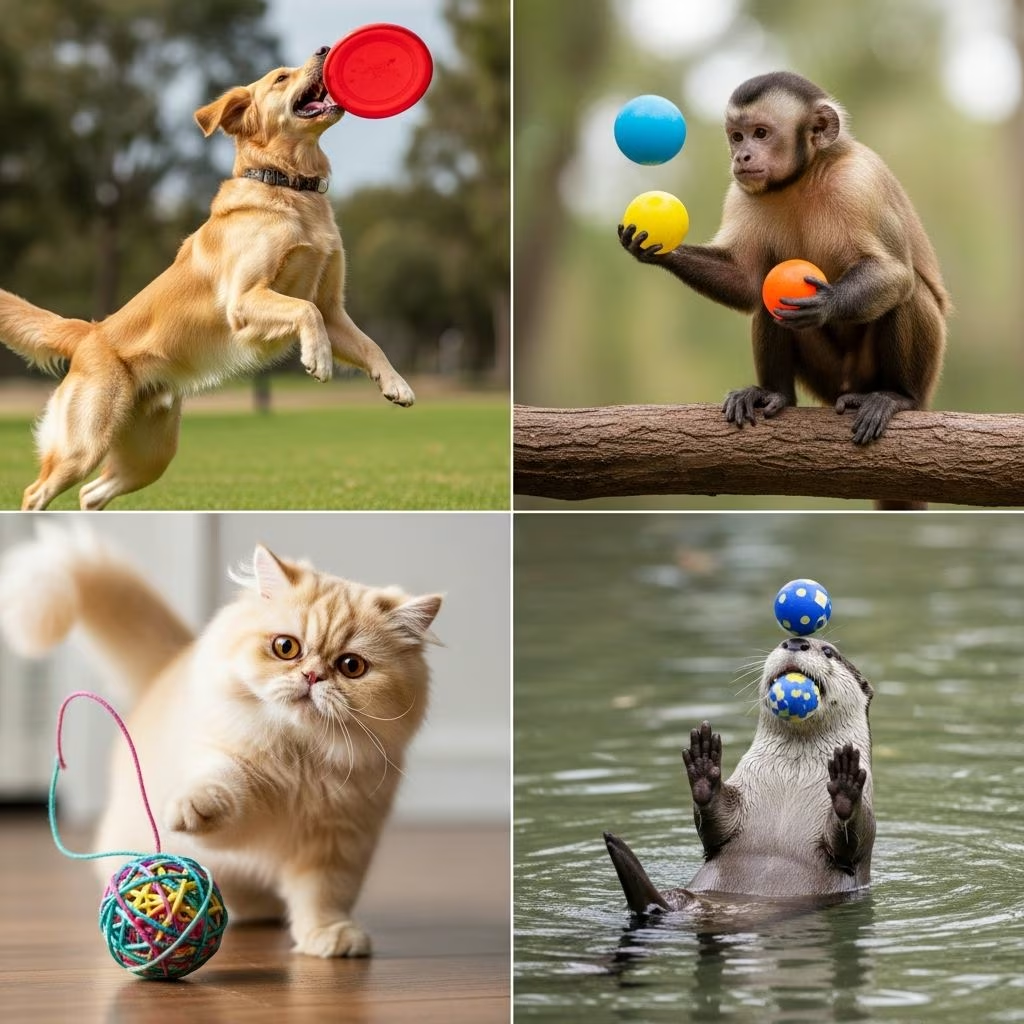
Play Ball: Photos of Animals Having Fun with Balls
Play is a fundamental aspect of animal behavior that transcends species boundaries. Whether domesticated or wild, animals of all kinds demonstrate an inherent love for engaging with objects that encourage movement, interaction, and mental stimulation. One of the most universal forms of play that brings joy to countless animals is playing with balls. From colorful tennis balls to oversized training equipment, balls provide entertainment, exercise, and enrichment that help animals lead happier, healthier lives. At sanctuaries and rescue facilities around the world, caregivers recognize the importance of play in animal welfare and provide opportunities for their residents to engage in this natural and beneficial behavior.
The Joy of Ball Play: Why Animals Love It
Balls represent more than just toys for animals—they serve as tools for physical exercise, mental enrichment, and social bonding. When animals play with balls, they engage their natural instincts, from chasing and pouncing to batting and rolling. This type of play helps maintain cardiovascular health, builds muscle strength, and provides an outlet for excess energy. For animals in care facilities, ball play becomes an important part of their daily routine, offering mental stimulation that prevents boredom and behavioral issues.
The appeal of balls to animals is rooted in their instinctive behaviors. Dogs, for instance, have a natural prey drive that activates when chasing a moving ball. Horses enjoy rolling balls as part of their exploratory nature. Even big cats and primates demonstrate fascination with balls, using them to satisfy their curiosity and maintain physical fitness. The texture, size, and movement of balls make them ideal enrichment tools that encourage animals to engage in active play throughout the day.
Dogs and Their Ball Obsession
Among all animals, dogs are perhaps the most famous ball enthusiasts. Many dogs develop an almost legendary attachment to their favorite balls, making fetch one of the most recognizable dog-human interactions. At animal sanctuaries, individual dogs often display unique personalities when it comes to ball play. Some dogs are gentle with their balls, carrying them carefully; others are more enthusiastic, chomping and shaking them with gusto. The variety of dog breeds means different preferences too—smaller dogs might prefer tennis balls, while larger breeds enjoy bigger balls or footballs.
Ball play offers dogs numerous benefits. It provides cardiovascular exercise, helps with weight management, and keeps their minds engaged. For rescue dogs at sanctuaries, ball play can be therapeutic, helping them build confidence and trust with their caregivers. The simple act of throwing a ball and watching a dog retrieve it creates a bond between animal and human, reinforcing positive interactions and trust.
Large Animals and Oversized Play Equipment
While dogs might enjoy tennis balls, larger animals like horses and cattle require different types of ball enrichment. Training balls and oversized playground balls designed for large animals provide similar benefits on a different scale. Young horses, in particular, benefit greatly from interaction with large training balls, which help them develop coordination, confidence, and social skills. These balls serve multiple purposes: they encourage movement, provide sensory stimulation, and help animals become accustomed to new experiences.
Horses playing with balls demonstrate curiosity and playfulness that observers often find delightful. A young filly might cautiously investigate a ball, eventually rolling it or pushing it around an enclosure. This type of play helps horses develop problem-solving skills and provides mental enrichment. For sanctuary animals, such interactions represent important aspects of their rehabilitation and adaptation to human care.
Diverse Ball Options for Different Animals
The variety of ball types available ensures that animals of all sizes and species can find suitable enrichment toys. Different animals have different preferences and needs when it comes to play equipment:
– Tennis balls: Ideal for small to medium-sized dogs, providing the perfect size for carrying and chasing- Basketballs: Durable enough for larger dogs and other animals that enjoy pushing and rolling them- Footballs: Offer an interesting shape that changes how they roll, providing variety in play- Training balls: Specifically designed for large animals like horses, these oversized spheres encourage movement and exploration- Jolly balls: Specially designed with handles or features that make them easy for multiple animals to play with together- Beach balls: Lightweight and colorful, perfect for animals that enjoy batting and pushing objects
Each type of ball offers unique characteristics that appeal to different animals and provide varied forms of enrichment. The size, weight, durability, and movement patterns of different balls keep animals engaged and prevent play from becoming monotonous.
Multiple Animals Playing Together
One of the most heartwarming aspects of ball play at sanctuaries is when multiple animals participate together. Horses might share a ball, working together to roll it or push it around their pasture. This type of social play strengthens bonds between animals and provides entertainment for both participants. When animals play together, they engage in natural social behaviors that are important for their psychological well-being. The presence of multiple animals makes play more dynamic and interesting, as each animal brings its own personality and approach to the game.
Observing animals from different species interact through play can be particularly fascinating. While less common, some animals in sanctuaries form unlikely friendships and enjoy sharing enrichment activities like ball play. These interactions demonstrate the social nature of many animals and their capacity for complex relationships beyond their own species.
Ball Play in Sanctuary Settings
Animal sanctuaries recognize the critical importance of play and enrichment in their daily care protocols. Staff members carefully select and rotate toys to maintain animals’ interest and provide varied experiences. Ball play is incorporated into daily routines, offering animals something to look forward to and providing opportunities for natural behaviors. Sanctuary workers observe how individual animals interact with balls, noting preferences and adjusting enrichment offerings accordingly.
In sanctuary environments, ball play serves therapeutic purposes as well. Rescued animals that have experienced neglect or poor conditions often show behavioral improvements with regular enrichment activities. The confidence that grows through play helps animals overcome trauma and build positive associations with their caregivers. Photography and documentation of these moments not only create heartwarming content that helps secure public support for sanctuary work but also serve as records of each animal’s personality and progress.
Enrichment and Mental Stimulation
Veterinary and behavioral experts agree that enrichment activities like ball play are essential for captive animal welfare. Mental stimulation prevents stereotypic behaviors—repetitive, often harmful behaviors that result from boredom and frustration. By providing varied and interesting play opportunities, sanctuaries help their residents maintain better mental and physical health. Ball play specifically encourages animals to use their problem-solving abilities, engages their natural instincts in safe environments, and provides the physical exercise necessary for optimal health.
Different animals require different levels and types of enrichment based on their species, age, and individual temperament. Younger animals might be more enthusiastic about energetic play, while older animals might prefer gentler interaction with enrichment toys. Experienced sanctuary staff understand these nuances and tailor enrichment programs accordingly, ensuring every animal receives appropriate stimulation and opportunities to express natural behaviors.
Photography and Advocacy Through Play
Beautiful photographs of animals playing with balls have become powerful advocacy tools for animal sanctuaries. These images capture genuine moments of joy and happiness, helping the public understand that animals in care facilities live full, enriched lives. When people see a dog’s enthusiastic expression while chasing a ball or a horse playfully rolling a large sphere, they develop emotional connections to these animals and become more likely to support sanctuary work through donations and advocacy.
Professional photography of animals at play serves multiple purposes. It documents the quality of care animals receive, showcases individual personalities, and creates shareable content that spreads awareness about animal sanctuaries. These photographs remind viewers of the fundamental need all animals have for play, exercise, and mental stimulation, promoting broader understanding of animal welfare principles.
The Universal Language of Play
Perhaps most importantly, ball play demonstrates a universal truth about animals across species: the capacity for joy and the need for recreational activity. Whether it’s a pit bull’s unwavering devotion to a tennis ball, horses contentedly rolling a jolly ball, or any animal enthusiastically engaging with a favorite toy, these moments reveal the emotional complexity and personality of animals. Play transcends the boundary between captive and wild animals, connecting us to our animal neighbors through the simple, timeless activity of recreation.
Animal sanctuaries serve as windows into this world, offering opportunities to observe and appreciate animals engaging in natural behaviors. Through documentation and sharing these moments, they help build public appreciation for animal welfare and the importance of providing appropriate care and enrichment for all animals in human custody.
Frequently Asked Questions
Q: Why is ball play important for animals?
A: Ball play provides essential physical exercise, mental stimulation, and helps animals express natural behaviors. It prevents boredom, reduces behavioral problems, and contributes to overall wellness in sanctuary and captive settings.
Q: What types of balls are safe for different animals?
A: Size and durability should match the animal’s size and strength. Dogs typically enjoy tennis balls and larger balls; horses use specialized training balls; and other animals need appropriately sized toys that cannot be easily destroyed or ingested.
Q: Can animals from different species play with balls together?
A: Yes, when properly socialized and supervised. Some sanctuary animals develop friendships and enjoy shared enrichment activities, though safety and individual animal personalities must always be considered.
Q: How often should animals have access to ball play?
A: Daily enrichment is ideal. Most animals benefit from regular opportunities to play, with frequency and intensity adjusted based on age, health status, and individual preferences.
Q: Do sanctuary animals develop preferences for specific balls?
A: Absolutely. Individual animals often develop clear preferences for particular balls or types of play, and experienced caregivers observe and respect these preferences to maximize enrichment benefits.
References
- Play ball: Photos of animals having fun with balls — Best Friends Animal Society. 2025. https://bestfriends.org/stories/features/play-ball-photos-animals-having-fun-balls
- Calvin the pit bull: a real-life party animal and these photos prove it — Best Friends Animal Society. 2025. https://bestfriends.org/stories/features/calvin-pit-bull-real-life-party-animal-and-these-photos-prove-it
- Young horse has ball at Best Friends — Best Friends Animal Society. 2025. https://bestfriends.org/stories/features/young-horse-has-ball-best-friends
- Environmental Enrichment for Animals — American Association of Zoo Keepers. 2024. https://www.aazk.org/
- Play Behavior in Domestic Animals — International Society of Feline Medicine. 2024. https://www.icatcare.org/



