

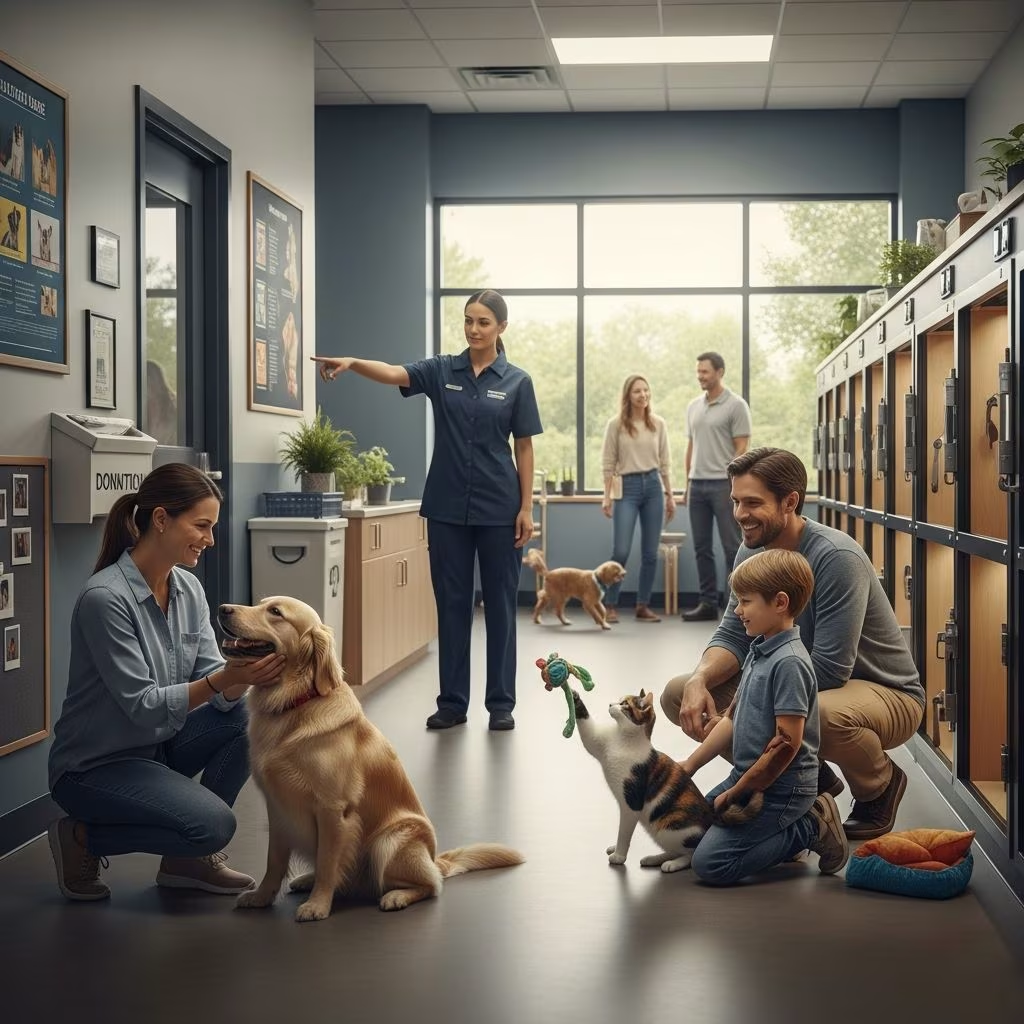
Animal shelters and rescue organizations operate as vital institutions dedicated to finding permanent homes for abandoned, surrendered, and rescued animals. Behind the welcoming facility doors lies a carefully orchestrated system designed to ensure both animal welfare and successful adoptive placements. Understanding this process offers potential adopters insight into why shelters implement specific procedures and what to expect when pursuing adoption.
The Foundation: Application and Initial Screening
The adoption journey begins with a formal application process that serves as the critical first filter in shelter operations. When prospective adopters identify a pet they wish to bring home, they must complete a detailed application form that allows shelter staff to evaluate the compatibility between the household and the animal. This application typically requests information about living arrangements, family composition, previous pet ownership experience, and commitment level to pet care.
Applications serve multiple purposes within shelter operations. They help staff understand the adopter’s lifestyle, expectations, and ability to provide appropriate care for a specific animal. The application also allows shelters to identify any potential red flags or concerns that require further discussion during the evaluation process. Many organizations receive multiple applications for popular animals, requiring staff to carefully compare candidates and select the most suitable match.
Evaluation Procedures: Assessing Household Compatibility
Once applications are submitted, shelter professionals engage in comprehensive evaluation procedures designed to protect both animal and human interests. Reference checks represent a standard component of this evaluation, allowing staff to contact previous veterinarians, landlords, or personal references to verify applicant claims about experience and responsibility. Some shelters conduct background checks to identify any history of animal abuse or neglect, ensuring animals transition to safe environments.
Home visits or home checks constitute another important evaluation tool employed by many shelters and rescue organizations. During these visits, staff assess whether the living environment provides adequate space, safety features, and resources for the specific animal under consideration. For instance, shelters may verify that dogs with escape tendencies have properly secured fencing, or that households with cats lack toxic plants that could endanger feline residents.
The meet-and-greet appointment represents the personal connection phase of evaluation. During this supervised interaction, potential adopters spend time with the animal in a neutral location or at the adopter’s home, allowing both parties to assess compatibility. Shelter staff observe these interactions to evaluate whether the adopter demonstrates appropriate handling techniques, realistic expectations, and genuine affection for the animal.
Structured Decision-Making: Adoption Consultations
Professional adoption consultations provide adopters with expert guidance tailored to their specific situation and the animal they wish to adopt. During these consultations, adoption counselors discuss the animal’s history, personality traits, behavioral characteristics, and any special needs or considerations. This conversation helps adopters understand what to expect and determines whether they can realistically meet the animal’s requirements.
Modern shelters increasingly employ open adoption practices that prioritize getting animals into homes efficiently while maintaining appropriate safeguards. Progressive organizations streamline consultations by focusing discussions on critical safety considerations rather than implementing unnecessary barriers. Adoption counselors use structured checklists to ensure all relevant topics receive attention while working toward paperless processes that reduce wait times.
Financial and Medical Preparation
Adoption fees represent a standard component of shelter operations that serve multiple functions. These fees support shelter operations, fund animal medical care, and demonstrate adopter commitment to financial responsibility. Adoption packages typically include significant medical investments on behalf of the animal.
| Medical Service | Purpose |
|---|---|
| Spay/Neuter Surgery | Prevents unwanted breeding and reduces behavioral issues |
| Vaccinations | Protects against common diseases appropriate to animal age |
| Parasite Prevention | Prevents heartworm, fleas, and ticks |
| Health Testing | Screens for conditions like heartworm or feline diseases |
| Microchipping | Provides permanent identification and recovery capability |
Shelters prioritize these medical services before animals leave their care, reducing the immediate financial burden on adopters and ensuring animals receive preventive treatment. Microchipping deserves particular emphasis, as it provides a permanent identification method that significantly increases recovery rates for animals that become lost after adoption.
Contract Agreements and Legal Protection
Adoption contracts establish clear expectations and commitments for both parties involved in the adoption. These legally binding documents outline the adopter’s responsibilities regarding pet care, training, and veterinary attention. Contracts typically include clauses addressing what happens if the adoption does not work out, ensuring the animal can return to the shelter rather than being abandoned or neglected.
Contracts serve shelter interests by creating a record of the adoption and establishing accountability for the adopter’s care of the animal. They also benefit adopters by clarifying expectations and providing guidance on responsible pet ownership. Some shelters include specific provisions tailored to individual animals, such as requirements for professional training for behaviorally complex dogs or dietary specifications for animals with medical needs.
Preparing Animals for Successful Transitions
Shelters recognize that animals require adequate preparation for the significant life transition from shelter to permanent home. Staff implement socialization activities, behavioral assessment, and habituation to household environments during the pre-adoption period. Dogs receive exposure to various sounds, environments, and handling techniques that prepare them for home life. Cats benefit from enrichment activities and gradual acclimation to diverse stimuli.
Behavioral assessments during shelter stay allow staff to identify animals with special needs or behavioral challenges requiring specific household types. An anxious dog might benefit from a quiet household with minimal foot traffic, while an energetic breed might thrive in an active family environment. These assessments help staff make informed placement recommendations.
Supporting the Critical Adjustment Period
Shelters educate adopters about the adjustment timeline following adoption, emphasizing that animals require time to acclimate to new environments. The widely recognized 3-3-3 guideline provides a framework for understanding this process. During the initial three days, animals often experience stress and disorientation, requiring patience and calm handling. The following three weeks involve decompression as animals begin trusting their new environment. The first three months mark the period during which animals fully integrate into households and reveal their true personalities.
Progressive shelters provide post-adoption support to help families navigate challenges during this adjustment period. Phone consultations, behavioral guidance, and training recommendations help ensure successful long-term placements. Many shelters maintain relationships with adopters, checking in on progress and offering assistance if difficulties arise.
Preparing Homes for Animal Arrival
Shelters counsel adopters on essential home preparation before bringing their adopted animal home. This guidance includes creating a dedicated safe space where the animal can decompress away from overwhelming stimuli. Adopters learn to secure potential escape routes, remove hazardous items, and identify toxic plants that pose risks to specific animals.
Gathering necessary supplies before arrival demonstrates responsible planning and sets the foundation for successful transition. Essential items include food and water bowls, appropriate bedding, litter boxes for cats, and toys that provide mental stimulation. Shelter staff often provide specific recommendations based on individual animal needs and personalities.
Building Veterinary Partnerships
Shelters recognize that establishing veterinary care represents a crucial component of successful adoption outcomes. Staff actively encourage adopters to schedule initial veterinary appointments shortly after adoption, ensuring continuity of medical care and establishing an ongoing relationship with a veterinarian. These appointments allow veterinarians to review the animal’s medical history, conduct examinations, and address any health concerns.
Pre-adoption counseling includes guidance on selecting appropriate veterinarians, discussing what to expect during initial visits, and explaining the importance of preventive care. Some shelters partner with local veterinary practices to facilitate streamlined transitions and ensure adopters can access recommended medical services.
Variations in Shelter Procedures
It is important to recognize that adoption procedures vary significantly across different shelters and rescue organizations. While some facilities offer same-day adoptions for certain animals, others implement more extended evaluation periods designed to thoroughly assess compatibility. Timeline differences reflect different organizational philosophies regarding adoption risk management and animal welfare prioritization.
Prospective adopters benefit from researching specific organizations’ procedures before beginning their adoption journey. Most shelters provide detailed information about their adoption process on organizational websites, allowing potential adopters to understand requirements and prepare appropriately.
Frequently Asked Questions
How long does the typical adoption process take?
Timeline varies by organization and circumstance. Some shelters complete adoptions within days, while others take longer to thoroughly evaluate matches. Initial processing might require several days to a week, with additional time needed for home visits or reference checks.
What if my application is denied?
Denial decisions typically stem from concerns about animal welfare or compatibility. Shelters may explain their reasoning and sometimes suggest alternative animals that might be better suited to the applicant’s household.
Can I return an animal if the adoption does not work out?
Most adoption contracts include return policies allowing animals to come back to the shelter rather than being abandoned. This protection ensures animals receive appropriate care regardless of outcome.
What does the adoption fee cover?
Adoption fees typically cover spaying or neutering, vaccinations, parasite prevention, health testing, microchipping, and registration. These services represent significant medical investments already completed on behalf of the animal.
What support do shelters provide after adoption?
Many shelters offer post-adoption consultations, behavioral guidance, training recommendations, and follow-up check-ins. These services help ensure successful long-term placements and address any challenges during the adjustment period.
References
- Pet Adoption: A Step-by-Step Guide to Finding Your Shelter Companion — Bayside Animal Hospital. Accessed February 2026. https://www.baysideanimalhospitalonline.com/blog/pet-adoption-a-step-by-step-guide-to-finding-your-shelter-companion/
- Adopt a Pet: The Complete Guide to Adoption — Rescue Network Minnesota. Accessed February 2026. https://rescuenetworkmn.org/adoption-process/
- Adoption Process — Humane Society of New York. Accessed February 2026. https://humanesocietyny.org/adoption/adoption-process/
- How to Adopt — Rescue City. Accessed February 2026. https://www.rescuecity.nyc/adopt/
- Navigating Adoption: Finding and Welcoming Home Your Pet — ASPCA. Accessed February 2026. https://www.aspca.org/adopt-pet/adoption-tips
- How Adoption Works at Animal Humane Society — Animal Humane Society. Accessed February 2026. https://www.animalhumanesociety.org/resource/how-adoption-works-animal-humane-society
- Adoptions Training Playbook — Best Friends Animal Society. Accessed February 2026. https://bestfriends.org/network/resources-tools/adoptions-training-playbook



