
Animal Infertility Causes: 5 Prevention Strategies
Discover key factors behind reproductive failure in livestock and pets, from infections to management errors, with strategies for diagnosis and prevention.
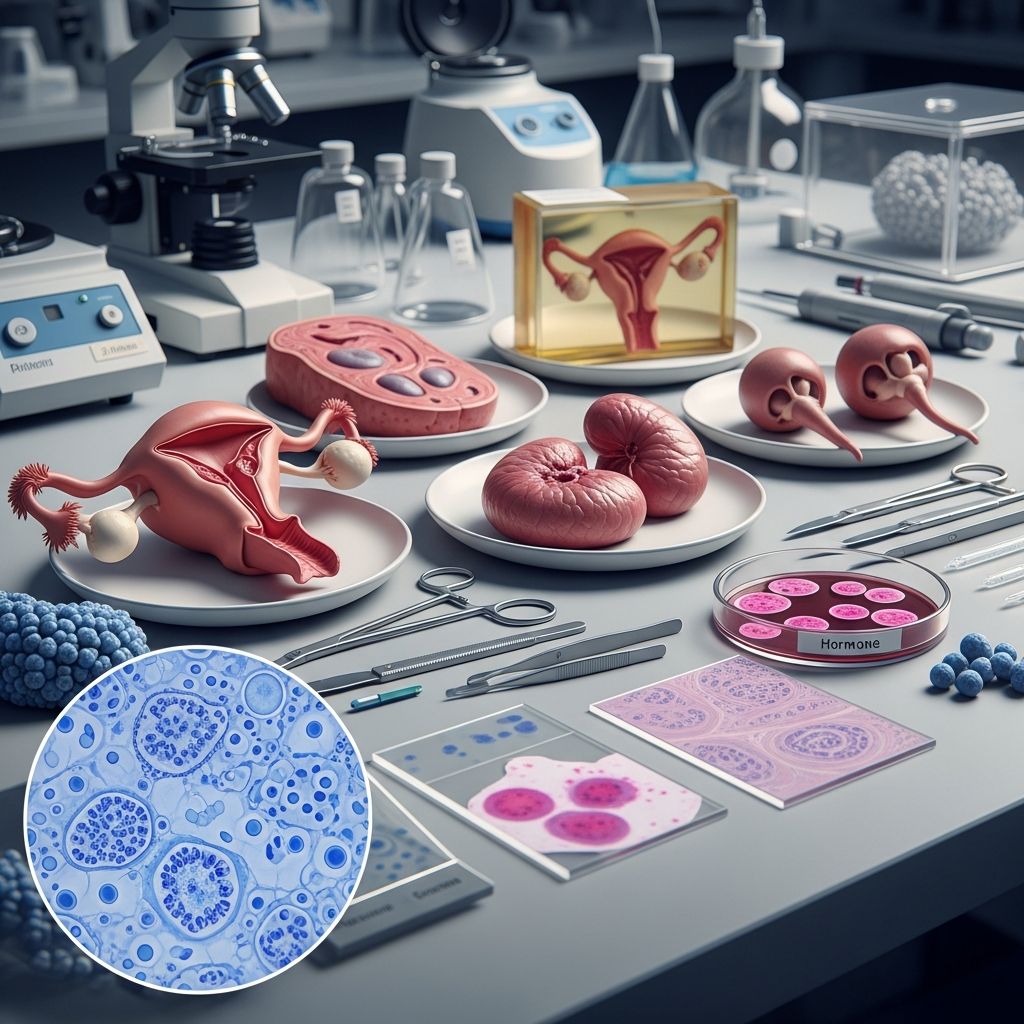
Reproductive failure in animals represents a significant challenge for breeders, farmers, and pet owners alike, often resulting in economic losses or emotional distress. Infertility manifests as the inability to produce viable offspring despite repeated breeding attempts, stemming from disruptions in any stage of the reproductive process—from gamete production to implantation and gestation. This article delves into the multifaceted causes across various species, including companion animals like dogs and cats, and livestock such as cattle and sheep, drawing on established veterinary insights to provide actionable knowledge.
Understanding the Scope of Reproductive Failure
The reproductive cycle in animals involves precise hormonal orchestration, gamete viability, successful mating, fertilization, embryo development, and full-term gestation. Any interruption can lead to subfertility or complete sterility. In males, issues often revolve around sperm production, transport, or delivery, while females face challenges in ovulation, conception, or pregnancy maintenance. Complex etiologies frequently combine multiple factors, making diagnosis essential for resolution.
For instance, in production animals, infertility reduces herd productivity, with studies noting its prevalence in up to 20-30% of cases in dairy operations due to postpartum complications. In pets, mismanaged breeding timing accounts for the majority of failures, underscoring the need for precise monitoring.
Management and Husbandry Pitfalls
Poor breeding practices top the list of infertility causes, particularly in controlled environments like kennels or farms. Incorrect timing of insemination relative to ovulation is the leading culprit, as fertile windows are narrow—often just 24-48 hours in many species. In dogs, for example, progesterone testing or vaginal cytology can pinpoint ovulation accurately, boosting success rates via artificial insemination.
- Suboptimal mate selection: Pairing unproven or low-libido males with females reduces conception odds.
- Environmental stressors: Heat, overcrowding, or inadequate nutrition disrupts cycles, inducing temporary azoospermia in males from elevated body temperatures.
- Age and conditioning: Overly fit or geriatric animals experience declined fertility, with older females showing higher resorption rates.
Rectifying these involves record-keeping, cooling protocols for sires, and nutritional optimization with balanced rations rich in vitamins E and selenium for gamete health.
Infectious Agents Disrupting Reproduction
Pathogens pose a grave threat, causing direct damage to reproductive organs or systemic effects that impair fertility. Bacterial, viral, and protozoal infections lead to endometritis, orchitis, or fetal loss.
| Species | Common Pathogens | Effects |
|---|---|---|
| Dogs/Cats | Brucella canis, E. coli, Herpesvirus | Abortion, epididymitis, neonatal death |
| Cattle | Endometritis bacteria (e.g., Trueperella), viruses | Delayed involution, anovulation |
| Sheep/Goats | Campylobacter, Salmonella | Fetal resorption, prolonged intervals |
Brucella in canines is zoonotic, necessitating culling as no cure exists, while postpartum uterine infections in cows affect 90% initially, with persistent cases causing immunoinfertility via antibody blockade of gametes. Prevention hinges on biosecurity, vaccination where available, and prompt antibiotic therapy.
Hormonal and Metabolic Disruptions
Endocrine imbalances derail cyclicity and gamete function. Hypothyroidism, Cushing’s disease, or diabetes alter progesterone/estrogen levels, leading to anestrus or pregnancy loss. Ovarian cysts in bitches cause prolonged estrus, often requiring surgical intervention as hormonal induction fails.
In ruminants, negative energy balance post-calving delays ovulation, compounded by metabolic stress. Diagnosis via blood panels reveals deficiencies; treatments include hormonal synchronization protocols like prostaglandin analogs.
Anatomical and Genetic Abnormalities
Congenital defects, such as hypoplastic ovaries or blocked oviducts, or acquired issues like fibrosis from prior infections, physically prevent conception. In males, scrotal dermatitis or prostate inflammation impairs sperm delivery. Genetic factors, including hereditary vaginal anomalies, contribute, especially in purebred lines.
Imaging (ultrasound) and semen analysis aid identification. Unilateral testicular tumors may be excised, preserving fertility if the contralateral organ functions.
Immune-Mediated and Environmental Factors
Autoantibodies against sperm or hormones cause immunoinfertility, common in repeat breeders. In bovines, endometritis triggers this, blocking fertilization. Environmental toxins, steroids, or heat stress exacerbate issues.
Management includes sexual rest, immunomodulators, or assisted technologies like IVF.
Diagnostic Approaches for Effective Resolution
Systematic evaluation starts with history and physical exams, progressing to:
- Semen evaluation for motility/count.
- Hormone assays (progesterone, testosterone).
- Ultrasonography for structural anomalies.
- Cultures for infections.
- Biopsies for neoplasia.
Species-specific protocols enhance accuracy; e.g., vaginal cytology in bitches detects silent heats.
Prevention and Breeding Optimization Strategies
Proactive measures minimize risks:
- Screen breeding stock for brucellosis/genetics.
- Implement timed AI with ovulation tracking.
- Maintain hygiene and nutrition.
- Vaccinate against key pathogens.
- Monitor body condition scores.
In herds, estrus synchronization improves efficiency.
Frequently Asked Questions (FAQs)
What is the most common cause of infertility in dogs?
Mismanaged breeding timing, often resolved by progesterone monitoring.
Can infections be treated to restore fertility?
Yes, early antibiotics for bacterial cases; viral like brucellosis may require culling.
How does age impact animal fertility?
Declines post-peak reproductive years, with higher embryonic loss in older females.
Is immunoinfertility reversible in cattle?
Often via rest periods or IVF, addressing underlying endometritis.
What role does nutrition play?
Essential for hormone synthesis; deficiencies cause anovulation.
References
- Infertility in Dogs and Cats – Management and Nutrition — MSD Veterinary Manual. 2026. https://www.msdvetmanual.com/management-and-nutrition/management-of-reproduction-dogs-and-cats/infertility-in-dogs-and-cats
- What Are the Common Signs of Fertility Issues in Pets? — Bluegrass Veterinary Services. 2023. https://bluegrassvet.net/what-are-the-common-signs-of-fertility-issues-in-pets/
- Infertility in Female Dogs — VCA Animal Hospitals. 2024. https://vcahospitals.com/know-your-pet/infertility-in-female-dogs
- Infertility in Dogs – Dog Owners — Merck Veterinary Manual. 2026. https://www.merckvetmanual.com/dog-owners/reproductive-disorders-of-dogs/infertility-in-dogs
- “My Bitch Is Empty!” an Overview of the Preconceptional Causes — PMC (NCBI). 2024. https://pmc.ncbi.nlm.nih.gov/articles/PMC12298178/
- Bovine reproductive immunoinfertility: pathogenesis and… — Frontiers in Veterinary Science. 2023-10-12. https://www.frontiersin.org/journals/veterinary-science/articles/10.3389/fvets.2023.1248604/full
- Infertility in Animals – Reproductive System — Merck Veterinary Manual. 2026. https://www.merckvetmanual.com/reproductive-system/reproductive-system-introduction/infertility-in-animals
- Infertility in Ruminants: Causes, Impact, and Solutions — Ceva Ruminants. 2024. https://ruminants.ceva.com/infertility/
Similar Articles








Read full bio of medha deb


