
Animal Hoarding: When Pet Ownership Turns Tragic
Explore the hidden crisis of animal hoarding, its signs, impacts on pets and people, and steps to intervene effectively for better outcomes.
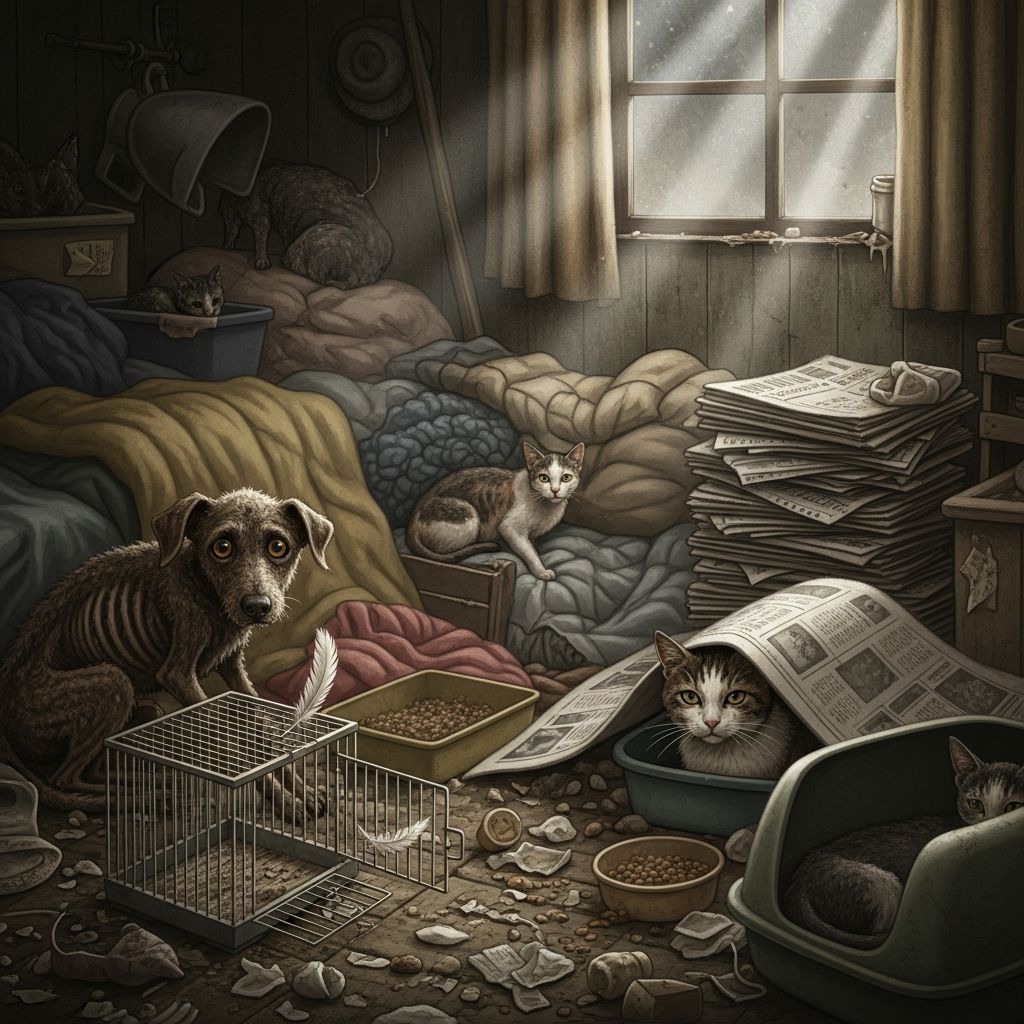
Animal hoarding represents a profound challenge in modern pet ownership, where individuals accumulate far more animals than they can humanely care for, resulting in widespread neglect and suffering. Estimates suggest that as many as 250,000 animals in the United States alone become victims of hoarding annually, highlighting the scale of this issue.
Defining the Boundaries of Responsible Pet Care
At its core, animal hoarding involves keeping an unusually high number of pets without the capacity to meet their basic needs, such as nutrition, sanitation, veterinary attention, and safe shelter. Unlike legitimate breeders or sanctuaries, hoarders fail to maintain minimal standards and often deny any problems exist. The Hoarding of Animals Research Consortium outlines key traits: overwhelming accumulation beyond care capacity, ignorance of deteriorating animal and home conditions, and obliviousness to personal health impacts.
This behavior stems from compulsive tendencies rather than intentional malice, distinguishing it from straightforward animal cruelty. Hoarders form intense emotional bonds with their animals, believing they provide optimal care even amid evident decline. Such denial creates a cycle where animals endure prolonged hardship, with long-term effects persisting post-rescue.
Visible Red Flags in Neighborhoods and Homes
Spotting animal hoarding early can prevent escalation. Common indicators include:
- Emaciated, lethargic, or visibly ill animals with untreated injuries or diseases.
- Overcrowded enclosures too small for occupants, leading to fights and stress.
- Strong ammonia odors from accumulated feces, urine, and waste covering floors.
- Deteriorating property conditions like clutter, broken windows, and pest infestations.
- Stray animals roaming freely in large numbers around the premises.
- Homeowners unaware of exact animal counts or their states, often appearing isolated or unkempt themselves.
These signs often signal deeper issues, as properties may look abandoned yet emit animal noises or show cats in windows and chained dogs outside. Persistent waste smells and refusal to allow visitors indoors are particularly telling.
The Devastating Toll on Animal Health and Survival
Hoarded animals face relentless health crises. Malnourishment tops the list, causing starvation, weakened immunity, and cannibalism in food-scarce environments. One analysis found dead animals in over half of cases, primarily from lack of sustenance. Overcrowding breeds infectious diseases, parasites like fleas, and untreated conditions such as cancers, dental decay, and eye problems.
| Health Issue | Common Causes in Hoarding | Consequences |
|---|---|---|
| Malnutrition | Insufficient food/water supply | Starvation, organ failure, increased disease risk |
| Overcrowding | Too many animals in limited space | Injuries from fights, rapid disease spread |
| Poor Sanitation | Accumulated waste | Parasites, respiratory issues, skin infections |
| Untreated Illnesses | Lack of veterinary care | Chronic pain, blindness, premature death |
Even rescued animals carry lasting trauma, including behavioral disorders and physical scars, demanding extensive rehabilitation.
Psychological Underpinnings Driving the Behavior
Animal hoarding links closely to hoarding disorder, recognized in the DSM-5 as persistent difficulty discarding possessions despite their lack of value. Symptoms emerge in adolescence or early adulthood, escalating with age into unmanageable clutter. For animal hoarders, this manifests as delusional beliefs in special empathy with pets, rejecting outside help.
Traits include impaired impulse control akin to addictions like gambling, coupled with social isolation and self-neglect. Hoarders rationalize suffering, insisting animals thrive under their watch. This disconnect from reality aligns with delusional disorder models, where insight into harm is absent. Histories often reveal attachment disorders, making human bonds difficult and animals a surrogate.
Community and Legal Responses to Hoarding Cases
Addressing hoarding requires coordinated efforts. Neighbors should report suspicions to local animal control, humane societies, or hotlines without direct confrontation, as hoarders resist intervention. Authorities assess situations, potentially removing animals and mandating mental health evaluations.
Legal outcomes may impose pet ownership limits, property monitoring, and therapy. Prevention emphasizes education on responsible ownership and support for at-risk individuals through counseling. “Rescue hoarders,” who start with good intentions but spiral, benefit from early guidance on capacity limits.
Strategies for Prevention and Early Intervention
Communities can curb hoarding via awareness campaigns highlighting limits—typically 3-5 pets for average homes, varying by space and resources. Promote spay/neuter programs and adoption caps. For vulnerable groups like seniors, regular welfare checks aid detection.
- Educate on realistic pet numbers based on lifestyle and finances.
- Encourage volunteering at shelters over home accumulation.
- Support mental health services addressing hoarding roots.
- Advocate for ordinances limiting pets per household.
Rehabilitation Journeys: From Hoard to Healthy Homes
Rescuing hoarders’ animals involves triage: immediate medical aid, socialization, and fostering. Organizations like Animal Rescue Corps manage large-scale extractions, providing ongoing care. Success stories show rehabilitated pets thriving in forever homes, underscoring intervention value.
Human recovery demands therapy tackling underlying disorders, with success rates improving via cognitive-behavioral approaches and support networks. Relapse prevention includes follow-ups and pet limits.
FAQs on Animal Hoarding
What counts as too many pets?
No universal number exists, but inability to provide basics signals excess. Average households manage 1-4 comfortably; beyond depends on space, time, and funds.
Is animal hoarding illegal?
Yes, as it constitutes neglect/cruelty under most animal welfare laws, leading to seizures and charges.
How can I help without risk?
Report anonymously to authorities; avoid personal involvement to prevent defensiveness or danger.
Can hoarders change?
With therapy and support, many do, though relapse risks persist without ongoing care.
Why don’t hoarders see the problem?
Delusional thinking and emotional attachment blind them to reality, akin to other hoarding disorders.
Building a Safer Future for Pets and People
Animal hoarding’s tragedy lies in good intentions gone awry, devastating lives on both ends. Through vigilance, education, and compassionate intervention, communities can dismantle this cycle, ensuring pets receive love without limits turning lethal. Proactive steps today safeguard tomorrow’s homes.
References
- Animal Hoarding Disorder — Animal Rescue Corps. 2023. https://animalrescuecorps.org/dispatch/hoarding/
- Animal hoarding — Wikipedia (informed by HARC). 2024. https://en.wikipedia.org/wiki/Animal_hoarding
- How to Recognize and Report Animal Hoarding — Fairfax County Family Services (.gov). 2025-06. https://www.fairfaxcounty.gov/familyservices/older-adults/golden-gazette/2025-06-how-to-recognize-and-report-animal-hoarding
- Animal Hoarding — ASPCA. 2024. https://www.aspca.org/helping-people-pets/animal-hoarding
- Animal Hoarding Facts — Animal Legal Defense Fund. 2023. https://aldf.org/article/animal-hoarding-facts/
- Hoarding disorder – Symptoms and causes — Mayo Clinic (.org). 2025. https://www.mayoclinic.org/diseases-conditions/hoarding-disorder/symptoms-causes/syc-20356056
- Understanding the human aspects of animal hoarding — PMC – NIH (.gov). 2008. https://pmc.ncbi.nlm.nih.gov/articles/PMC2583418/
Similar Articles








Read full bio of Sneha Tete


