

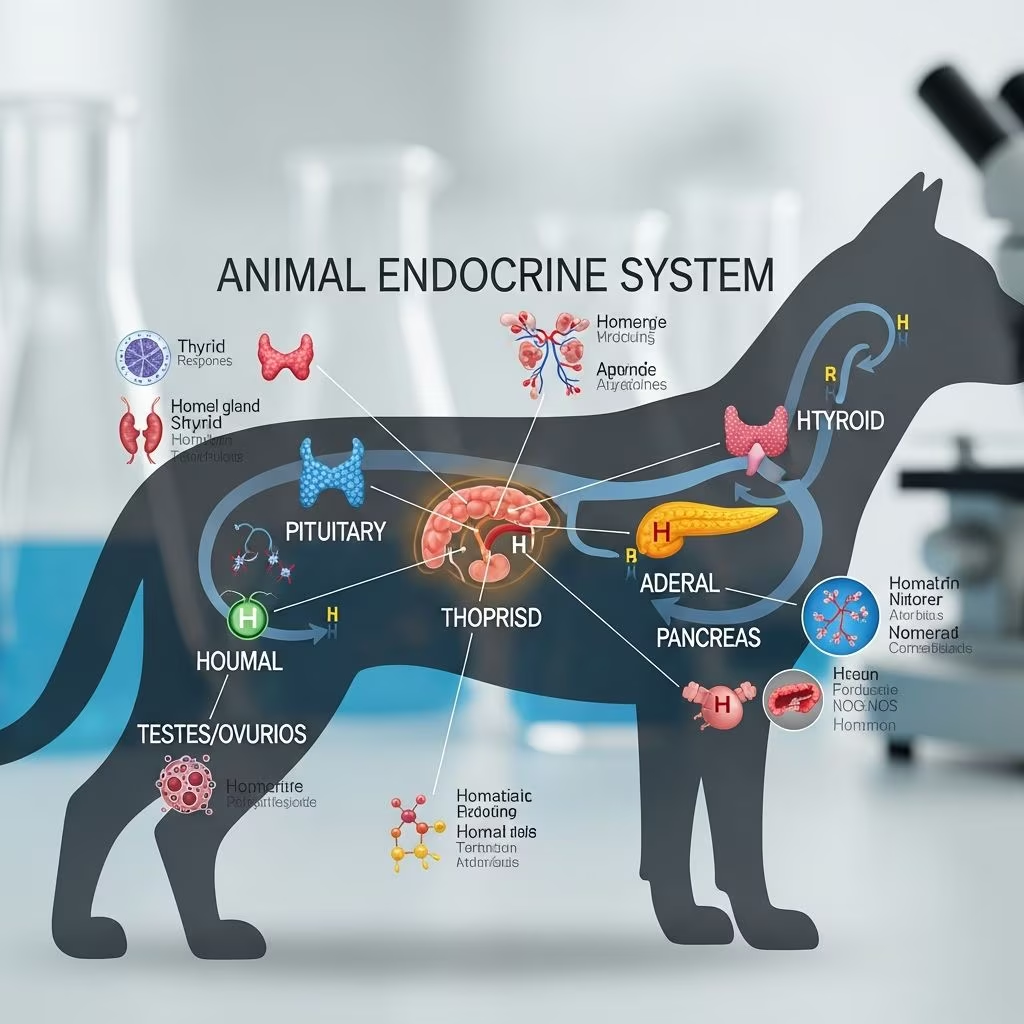
The endocrine system in animals coordinates essential physiological processes through specialized glands that release hormones directly into the bloodstream. These chemical messengers influence growth, energy use, reproduction, and stress responses across various species.
Core Principles of Hormonal Regulation
Hormones act as signaling molecules produced by ductless glands, traveling via blood to target organs. Unlike the nervous system’s rapid signals, endocrine effects are slower but longer-lasting, ensuring homeostasis or balanced internal conditions.
Key hormone classes include proteins and polypeptides, which bind to cell surface receptors, and steroids derived from cholesterol, which enter cells to alter gene expression. This classification affects how quickly hormones work and their duration of action.
- Protein/polypeptide hormones: Trigger quick responses via second messengers inside cells.
- Steroid hormones: Modify protein synthesis for sustained effects.
Central Command: Hypothalamus and Pituitary Gland
The hypothalamus, part of the brain, links the nervous and endocrine systems by producing releasing hormones that control the pituitary gland. Known as the “master gland,” the pituitary has anterior and posterior lobes.
The anterior pituitary secretes hormones like thyroid-stimulating hormone (TSH), adrenocorticotropic hormone (ACTH), growth hormone (GH), follicle-stimulating hormone (FSH), luteinizing hormone (LH), and prolactin. These regulate distant glands or direct body functions such as bone growth and milk production.
The posterior pituitary stores and releases antidiuretic hormone (ADH) for water balance and oxytocin for uterine contractions and milk ejection.
| Hormone | Source | Primary Function |
|---|---|---|
| TSH | Anterior Pituitary | Stimulates thyroid hormone production |
| ACTH | Anterior Pituitary | Triggers adrenal cortisol release |
| GH | Anterior Pituitary | Promotes growth and metabolism |
| FSH/LH | Anterior Pituitary | Regulate reproductive cycles |
| ADH | Posterior Pituitary | Conserves water in kidneys |
Thyroid Glands: Metabolic Pace Setters
Paired thyroid glands near the trachea produce thyroxine (T4) and triiodothyronine (T3), using dietary iodine. These hormones boost basal metabolic rate, influencing heat production, heart rate, and organ activity.
Parafollicular or C-cells secrete calcitonin, which lowers blood calcium by promoting bone deposition and kidney excretion. Regulation follows a negative feedback loop: hypothalamus releases thyrotropin-releasing hormone (TRH), prompting pituitary TSH, which stimulates thyroid output. High T3/T4 levels inhibit further TRH/TSH.
Adrenal Glands: Stress and Balance Managers
Located atop the kidneys, adrenal glands feature an outer cortex and inner medulla. The cortex synthesizes corticosteroids: glucocorticoids like cortisol for glucose metabolism and immune modulation, mineralocorticoids like aldosterone for sodium retention and blood pressure, and small androgens.
The medulla produces catecholamines—epinephrine and norepinephrine—for the fight-or-flight response, increasing heart rate and energy mobilization. ACTH from the pituitary drives cortical activity.
Pancreas: Glucose Guardians
This dual-function organ in the abdomen has exocrine digestive roles and endocrine islets of Langerhans. Alpha cells release glucagon to raise blood glucose by breaking down liver glycogen during fasting. Beta cells produce insulin to lower glucose by enhancing uptake in muscles, fat, and liver.
These hormones operate independently of pituitary control, responding directly to blood sugar levels for steady energy supply, crucial for intermittent feeders.
Parathyroid Glands: Calcium Controllers
Tiny glands near the thyroids maintain blood calcium via parathyroid hormone (PTH). Low calcium triggers PTH release, which boosts intestinal absorption, kidney reabsorption, and bone calcium release. Normal levels halt PTH through negative feedback.
Calcitonin from thyroid C-cells opposes PTH during hypercalcemia.
Gonads: Reproductive Regulators
Testes in males produce testosterone under LH/FSH influence, supporting sperm production and male traits. Ovaries in females secrete estrogen and progesterone, driving estrus cycles, ovulation, and pregnancy maintenance.
These sex steroids also affect bone density, muscle mass, and behavior.
Other Endocrine Contributors
Organs like the kidney (erythropoietin for red blood cells, renin for blood pressure), liver (insulin-like growth factors), and gut (gastrin for digestion) provide secondary hormonal support. Pineal gland melatonin modulates circadian rhythms.
Negative Feedback: The Balancing Act
Most endocrine axes use negative feedback to prevent overproduction. For example, high cortisol suppresses hypothalamic CRH and pituitary ACTH. This loop maintains hormone levels within narrow ranges despite stressors.
Positive feedback is rarer, seen in labor where oxytocin surges amplify contractions.
Endocrine Disorders in Veterinary Practice
Common issues include hypothyroidism (lethargy, weight gain), hyperadrenocorticism (Cushing’s: potbelly, thirst), diabetes mellitus (insulin deficiency: polyuria), and hypocalcemia (milk fever in cattle). Diagnosis involves blood tests for hormone levels; treatments range from supplements to surgery.
- Hypothyroidism: Low T3/T4; treated with levothyroxine.
- Diabetes: High glucose; insulin therapy.
- Addison’s: Adrenal insufficiency; hormone replacement.
Species Variations and Clinical Insights
While conserved across vertebrates, endocrine systems adapt: birds have pronounced thyroids for molting, fish rely on interrenals (adrenal homologs). Veterinary nurses monitor signs like polyphagia or alopecia to link symptoms to gland dysfunction.
FAQs
What is the main function of the endocrine system in animals?
It maintains homeostasis by regulating metabolism, growth, reproduction, and responses to stress via hormones.
How does negative feedback work in hormone regulation?
High hormone levels signal glands to reduce production, stabilizing body functions.
Which gland is called the master gland?
The pituitary gland controls many other endocrine organs.
What causes diabetes in pets?
Insufficient insulin production or response, leading to high blood sugar.
Can diet affect endocrine health?
Yes, iodine deficiency impairs thyroid function; obesity worsens insulin resistance.
References
- The Endocrine System — Veterinary Internal Medicine Nursing. 2023. https://www.veterinaryinternalmedicinenursing.com/blog/the-endocrine-system
- Veterinary Endocrine System (VETERINARY ASSISTANT) — YouTube. 2023. https://www.youtube.com/watch?v=pSgFymo2w24
- Endocrine system — Poultry Hub. 2024. https://www.poultryhub.org/anatomy-and-physiology/body-systems/endocrine-system
- Endocrine systems of vertebrates — EBSCO Research Starters. 2024. https://www.ebsco.com/research-starters/anatomy-and-physiology/endocrine-systems-vertebrates
- 8: The Endocrine System — Bio LibreTexts (Hanover College). 2023-10-15. https://bio.libretexts.org/Courses/Hanover_College/Comparative_Anatomy_and_Physiology_of_Animals/08:_The_Endocrine_System
- Endocrine System of Animals: Structure and Function — Merck Veterinary Manual. 2024. https://www.merckvetmanual.com/endocrine-system/endocrine-system-introduction/general-chemical-structure-and-function-of-the-endocrine-system-of-animals



