
Animal Biosecurity: 3 Core Pillars To Protect Your Herd
Master proven strategies to shield livestock from diseases, ensuring farm health and economic stability through proactive protection.
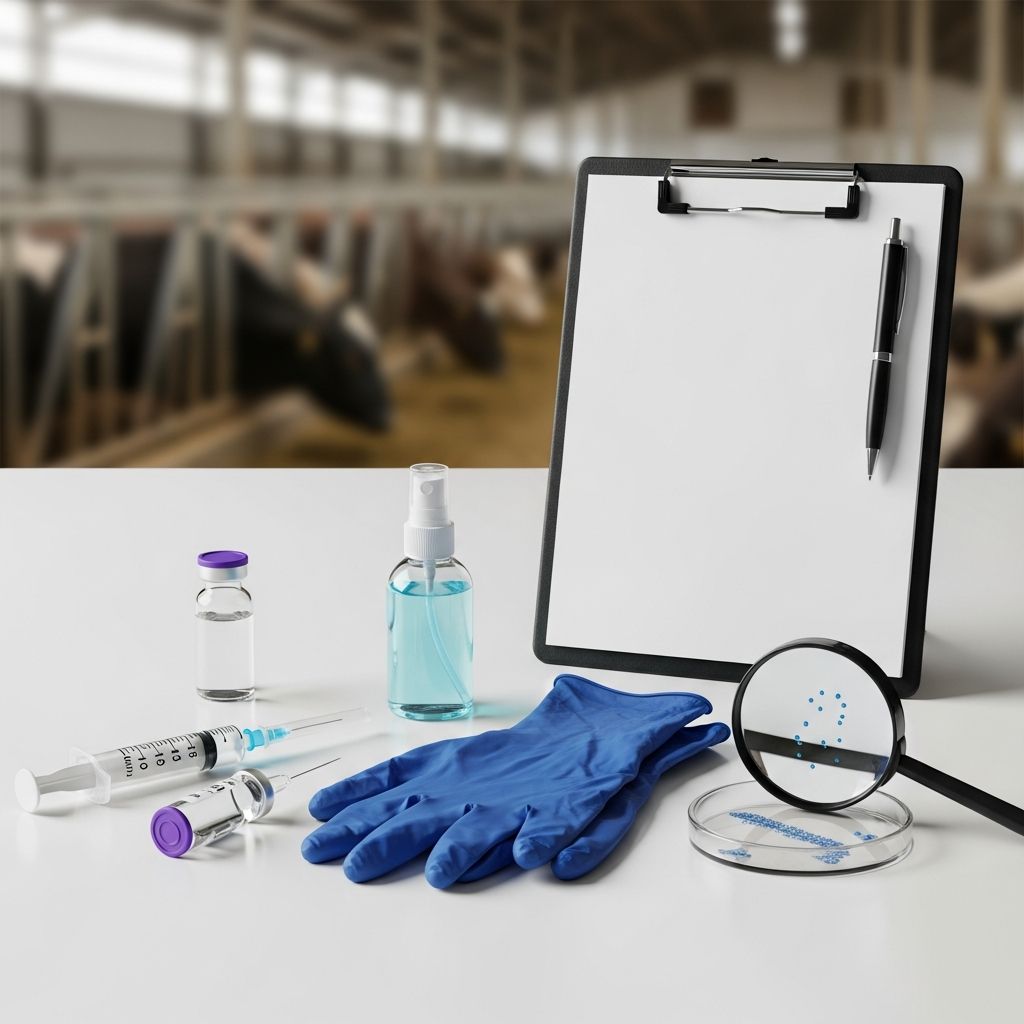
Protecting animals from infectious diseases forms the foundation of sustainable farming and public health. Biosecurity encompasses systematic practices to block disease entry, limit spread, and enable rapid response, ultimately preserving herd vitality and operational continuity.
Core Pillars of Protection
Effective biosecurity rests on three interconnected pillars: isolation, traffic management, and sanitation. These elements work together to minimize pathogen introduction and transmission.
- Isolation: Separates animals to halt disease movement, crucial for newcomers or ill individuals.
- Traffic Management: Regulates entry of people, vehicles, and gear to curb external threats.
- Sanitation: Eliminates pathogens via cleaning and disinfection routines.
Implementing Isolation Effectively
Isolation acts as the primary barrier against unseen dangers. New arrivals or returning animals must undergo quarantine for 2-4 weeks in dedicated areas distant from main groups, allowing observation for symptoms. Sick animals require a separate facility to prevent contagion. This approach reduces cross-contamination risks from bodily fluids like feces, saliva, or respiratory secretions.
| Isolation Type | Purpose | Duration | Key Features |
|---|---|---|---|
| New Animal Quarantine | Detect hidden infections | 2-4 weeks | Separate feed/water, daily monitoring |
| Sick Bay | Treat ill livestock | Until recovery | Isolated ventilation, disposable tools |
| High-Risk Separation | Protect vulnerable groups | Ongoing | Calves first, adults last in handling |
Mastering Traffic Management
Every outsider—human or machine—poses a potential vector. Establish checkpoints with signage, logs for visitors, and mandatory hygiene steps like footbaths or vehicle washes. Prioritize handling healthy animals before sick ones, and limit farm access to essentials only.
- Visitor protocols: Change clothes/shoes, use hand sanitizers.
- Vehicle rules: Designated parking, undercarriage sprays.
- Equipment hygiene: Clean between uses, especially post-sick animal contact.
Sanitation Mastery for Pathogen Control
Cleaning removes organic matter, while disinfection kills microbes. Target high-touch zones: pens, feeders, waterers. Use EPA-approved agents effective against common livestock pathogens. Treat water sources to ensure purity, as contaminated H2O spreads illness rapidly.
Building a Robust Biosecurity Framework
A tailored plan addresses farm-specific vulnerabilities. Start with risk evaluation, then layer defenses.
Conducting Thorough Risk Assessments
Evaluate disease epidemiology: agent virulence, host susceptibility, transmission routes, and environmental factors. Prioritize threats like exotic viruses or endemic bacteria based on location, livestock type, and operations scale. Use veterinary input for precise relative risk calculations.
Key assessment steps:
- Map entry points (gates, shared equipment).
- Identify high-risk activities (shows, markets).
- Quantify impacts (mortality, quarantine costs).
Surveillance and Early Detection Systems
Vigilant monitoring catches issues early. Schedule vet exams, track clinical signs, and necropsy deaths for diagnostics. Collect samples routinely—blood from cows, swabs from calves—to benchmark health status.
- Daily logs: Feed intake, behavior changes.
- Tech aids: Sensors for temp/humidity.
- Reporting: Notify authorities of notifiables.
Biocontainment During Outbreaks
If breach occurs, isolate affected zones ruthlessly. Depopulate if needed, then disinfect thoroughly. Restrict movements to contain spread, protecting unaffected areas.
Enhancing Animal and Facility Resilience
Biosecurity extends to daily husbandry. Vaccinate per vet advice, deworm regularly, and source clean feed/colostrum. Block wildlife: Seal buildings against rodents/birds, which carry zoonoses.
| Practice | Benefit | Implementation Tip |
|---|---|---|
| Vaccination Schedule | Boosts immunity | Consult local risks with vet |
| Feed Testing | Prevents salmonella | Annual checks |
| Wildlife Barriers | Cuts feral transmission | Netting, traps |
| Colostrum Sourcing | Protects neonates | From tested dams |
Personnel Training and Compliance
Humans are often the weakest link. Train staff on protocols, enforce PPE use, and audit adherence. Document everything: visitor logs, treatments, cleanings—for regulatory compliance and traceability.
Training modules should cover:
- Recognition of clinical signs.
- Proper PPE donning/doffing.
- Emergency response drills.
Water and Feed Quality Assurance
Pristine inputs prevent internal outbreaks. Test water for contaminants; use treatments like AOP for safety. Avoid restricted materials in ruminant feeds per FDA rules.
FAQs on Animal Biosecurity
What is the most critical first step in biosecurity?
Quarantine new animals to block introductions.
How often should biosecurity plans be reviewed?
Annually or after changes/risks emerge.
Can wildlife impact farm biosecurity?
Yes, they transmit diseases; exclude them rigorously.
What role does a veterinarian play?
Essential for surveillance, vaccines, and outbreak response.
Are footbaths effective?
Highly, when used with approved solutions and changed regularly.
Long-Term Sustainability and Adaptation
Review plans regularly, adapting to new threats like climate shifts or trade changes. Biosecurity investments yield returns via fewer losses and market access. Integrate with overall farm management for holistic resilience.
References
- Livestock Biosecurity 101: The Ultimate Guide — Clear Comfort. 2023. https://clearcomfort.com/livestock-biosecurity-101-guide/
- Principles of Biosecurity of Animals — Merck Veterinary Manual. 2024-02-01. https://www.merckvetmanual.com/public-health/biosecurity/principles-of-biosecurity-of-animals
- Biosecurity Basics for Cattle Operations — University of Nebraska-Lincoln Extension. 2022. https://extensionpubs.unl.edu/publication/g1411/na/pdf/view
- Biosecurity: Your Role in Protecting Oregon’s Livestock — Oregon Veterinary Medical Association. 2023. https://www.oregonvma.org/care-health/equine-and-livestock/disaster-preparedness/biosecurity-your-role-in-protecting-oregons-livestock
- Bioseurity Standards Guide — Heifer International. 2020-04-10. https://media-refresh.heifer.org/wp-content/uploads/HPI-Heifer_Biosecurity_Standards_Guide-Final.pdf
- Biosecurity 101 — Colorado Department of Agriculture. 2024. https://ag.colorado.gov/animal-health/biosecurity-101
- Biosecurity Principles Handout — USDA APHIS. 2023. https://www.aphis.usda.gov/sites/default/files/bio_principles_handout.pdf
Similar Articles








Read full bio of Sneha Tete


