

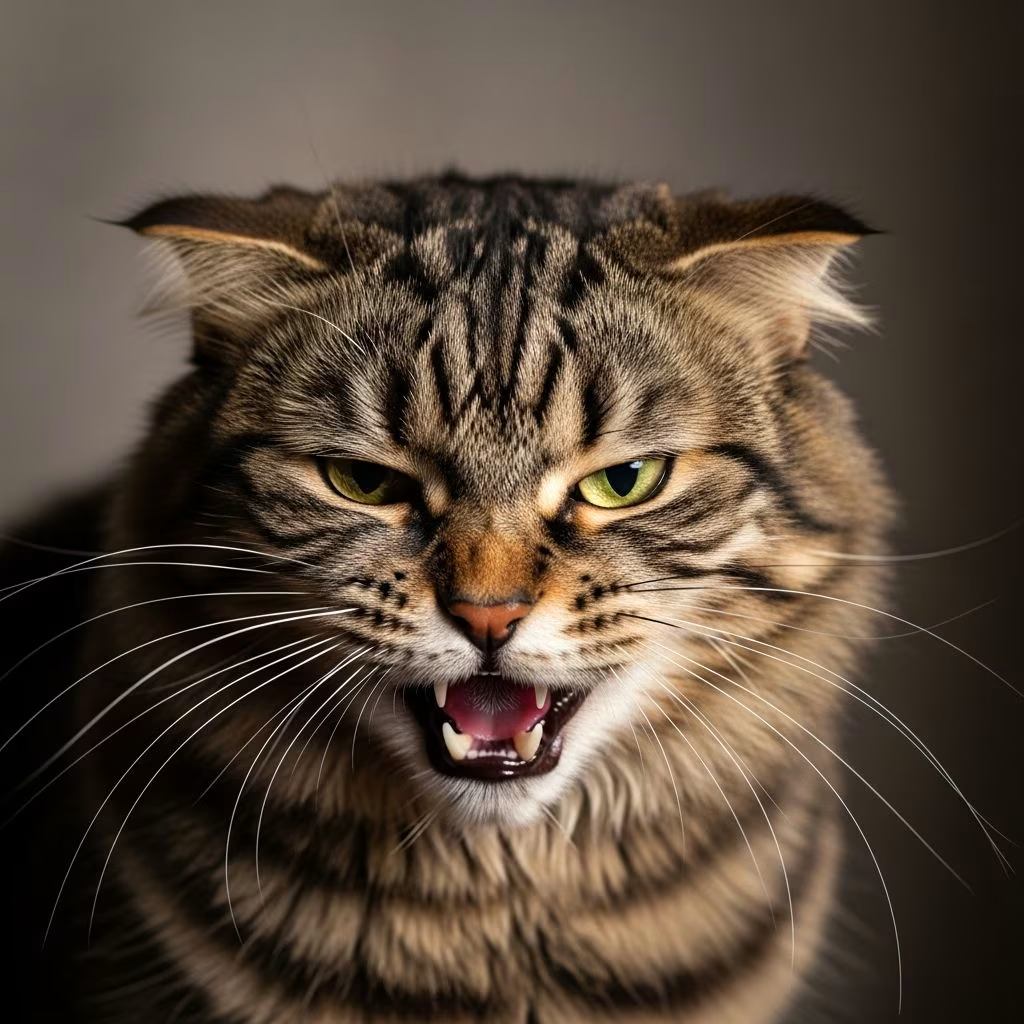
Understanding Angry Cat Sounds: A Complete Guide to Feline Vocalizations
Cats communicate in numerous ways, and their vocalizations are an essential part of how they express their emotions and needs. When your feline companion starts making sounds that seem aggressive or angry, it can be concerning and confusing for pet owners. Whether it’s a sharp hiss, an irritable growl, or a chilling yowl, these vocalizations serve important purposes in your cat’s communication repertoire. Understanding what these sounds mean and why your cat makes them is crucial for maintaining a harmonious relationship with your pet and ensuring their wellbeing.
Many cat owners find themselves puzzled when their typically affectionate cats suddenly produce sounds that seem out of character. The good news is that these angry cat sounds are normal feline behaviors, and with proper understanding and management, you can effectively address the underlying issues causing them. This comprehensive guide will help you decode your cat’s angry vocalizations and learn practical strategies for managing aggressive behavior.
The Common Types of Angry Cat Sounds
Cats have a diverse vocal vocabulary, and each sound serves a specific purpose. Learning to distinguish between different angry cat sounds will help you better understand what your feline friend is trying to communicate.
Growling: The Warning Signal
A growl is one of the most recognizable angry cat sounds. It’s described as deep, harsh, and guttural, often sounding like a low rumbling that can grow in intensity. When your cat growls, they’re essentially sending a warning message that says “back off.” A growling cat is typically annoyed, frightened, or angry. This sound can be directed toward other cats, animals, or even humans, and it serves as a clear sign that your cat wants whoever is triggering them to leave them alone. Some cats use growling to show possession of favored items, like a food bowl or favorite sleeping spot, as a deterrent to other cats.
Hissing: The Threat Response
Hissing often sounds aggressive and is one of the most intimidating cat sounds you’ll encounter. This vocalization is elicited when your cat feels threatened, angry, or in pain. The hiss is essentially your cat’s way of mimicking a snake’s defensive behavior, and it’s meant to scare away whatever is making them feel unsafe. Unlike growling, which is a warning, hissing is often an escalation that indicates your cat feels they must defend themselves.
Yowling: The Intense Expression
A yowl is like an intensified version of a growl—it’s a long, violent meow that is loud and high-pitched. This disconcerting sound signals that your cat is becoming increasingly upset. Growls often escalate into yowls if the situation intensifies, indicating your cat’s distress level is rising. Importantly, yowling can also be a sign of pain or illness, so if your cat is producing this sound frequently, a veterinary examination is warranted.
Snarling: The Aggressive Variant
Another sound that resembles a growl but is louder and higher-pitched is the snarl. Similar to hissing, the snarl is used when responding to a perceived threat. This sound is commonly heard when two male cats are fighting and can also indicate annoyance, particularly if you’re touching a sensitive or off-limits area on your cat’s body.
Spitting: The Panic Response
Not all cats will spit, but when they do, it typically occurs during high-stress moments. Spitting is often accompanied by other defensive behaviors and indicates your cat feels cornered or extremely threatened. This sound is a clear signal that your cat needs immediate space and that you should back away.
Chirping and Chattering: Frustration and Excitement
While chirping might not sound aggressive, cats often use this sound when they’re frustrated or excited. The sound is somewhat like a mix between a meow and a purr. Chirping is frequently heard when your cat spots prey they can’t reach, such as a bird outside a window, and represents vocalized frustration as they watch their potential prey. This sound can also indicate excitement in anticipation of a hunt.
Why Cats Make Angry Sounds: Understanding the Root Causes
Recognizing why your cat is producing angry vocalizations is essential for addressing the underlying issues. Several factors can trigger these sounds, ranging from environmental stressors to medical conditions.
Territorial Behavior and Defense
Cats are naturally territorial animals. Sometimes, cats growl when trying to mark and protect their territory. Intrusion by unfamiliar individuals is poorly tolerated by cats, leading them to growl as a warning to back off. Cats are particularly territorial if they’re concerned their offspring are at risk of harm or think they might have to share their resources. When a new cat or person enters their space, your cat might hiss, growl, or swat to establish dominance or express displeasure. Territorial behaviors are especially common when two cats meet on disputed ground or when one cat is passing through another cat’s territory.
Fear, Stress, and Overstimulation
Cats often react aggressively when they’re overwhelmed or frightened. If your cat can’t escape from something they perceive as a threat, they may growl as a warning. Cats are naturally cautious creatures, and if they feel threatened by loud noises, unfamiliar people or animals, or sudden changes in their environment, they may react with aggression. Many cats have difficulty with extended periods of socialization and can become overstimulated, particularly during petting sessions. Cats who aren’t well socialized or those with negative experiences with humans often have a lower threshold for stress and may resort to aggressive vocalizations.
Social Dominance and Hierarchical Disputes
Growling often occurs due to social pressures, such as when two cats meet on disputed ground or when establishing hierarchy. Cats use vocalizations to let other cats know who’s boss, particularly in multi-cat households where dominance needs to be established. These interactions are a normal part of feline social behavior, though they can be stressful for both cats involved.
Frustration and Unmet Needs
Like humans, cats can become easily frustrated and growl. An indoor cat might not receive enough stimulation and become annoyed with their environment. Additionally, if your cat doesn’t have enough food, a clean litter box, or an outlet to engage their hunting instincts, they can growl in annoyance. Misdirected predatory behavior often results from insufficient opportunities for cats to express their natural hunting drives.
Pain and Medical Issues
Sometimes, angry cat sounds indicate underlying health problems that require veterinary attention. Cats experiencing pain may growl, hiss, or yowl. Specific medical conditions that can trigger these sounds include urinary tract infections (UTIs), where pain occurs during urination and other symptoms include frequent urination outside the litter box and blood in urine. Dental disease from tooth decay, gum disease, or dental abscesses can cause cats to growl, especially when eating. Additionally, as cats age, they may develop overactive thyroid and kidney disease, either of which may result in excessive meowing and vocalizations.
How to Respond to Your Angry Cat
When your cat is making angry sounds, your response is crucial for both safety and long-term behavior management. Here are effective strategies for handling these situations.
Immediate Safety Measures
- Give your cat space immediately when they begin hissing, growling, or spitting
- Avoid direct eye contact, which cats may interpret as threatening
- Don’t attempt to pick up or restrain an angry cat
- Remove any children or other pets from the area
- Allow your cat to retreat to a safe space where they can calm down
Identifying and Eliminating Triggers
Understanding what specifically triggers your cat’s angry vocalizations allows you to manage or eliminate these triggers. Keep a journal of when the sounds occur and what precedes them. Is it certain times of day? Specific people or animals? Particular activities like grooming or nail trims? Once you’ve identified patterns, you can work to modify your cat’s environment or your interactions to reduce trigger exposure.
Environmental Modifications
- Provide multiple litter boxes in different locations (at least one per cat, plus one extra)
- Ensure litter boxes are cleaned daily
- Offer separate food and water bowls if you have multiple cats
- Create vertical spaces with cat trees and shelves for cats to retreat to
- Use window perches to satisfy hunting instincts safely
- Provide interactive toys and enrichment activities
- Minimize exposure to loud noises and sudden environmental changes
- Install baby gates to separate cats or create territorial boundaries
Behavioral Management Strategies
Respect your cat’s boundaries and learn their comfort limits. If your cat dislikes certain types of petting, avoid those areas. Be aware of signs of overstimulation, such as tail thumping or skin twitching, and stop petting before your cat reaches their threshold. Gradually expose fearful cats to new people, animals, or situations at their own pace, allowing them to build confidence. Provide regular play sessions to tire out your cat and redirect predatory instincts appropriately. Use positive reinforcement, rewarding calm behavior with treats and affection.
When to Seek Professional Help
Some situations require professional intervention from veterinarians or animal behaviorists.
Veterinary Consultation
Schedule a veterinary appointment if your cat’s angry vocalizations are accompanied by changes in behavior, appetite, litter box habits, or activity levels. Any cat producing excessive yowling, particularly if it’s a new behavior, should be examined to rule out pain or illness. Cats are typically excellent at hiding pain, so take persistent vocalizations seriously.
Behavioral Consultation
An animal behaviorist can help identify underlying causes of aggression and develop customized management plans. This is particularly valuable if your cat’s aggressive behavior is escalating or if multiple strategies haven’t been effective.
Creating a Stress-Free Environment
Prevention is often the best approach to managing angry cat sounds. By creating an environment that meets your cat’s physical and emotional needs, you can significantly reduce aggressive vocalizations.
| Environmental Need | Implementation Strategy |
|---|---|
| Territory & Ownership | Provide separate areas for each cat; allow marking through rubbing |
| Hunting Outlet | Interactive toys, wand toys, puzzle feeders, window perches |
| Rest & Retreat | Quiet spaces, hiding boxes, elevated perches away from activity |
| Social Interaction | Scheduled play sessions on the cat’s terms, minimal forced handling |
| Resource Access | Multiple food, water, and litter facilities throughout the home |
| Sensory Stimulation | Varied toys, climbing structures, safe outdoor access if possible |
Understanding Stress Components in Aggressive Vocalizations
It’s important to remember that most aggressive cat sounds have an underlying stress component. Even if your cat is growling over a toy or food bowl, the behavior is often rooted in anxiety about losing that resource or concern about their safety. Understanding this stress element helps shift your perspective from viewing your cat as deliberately misbehaving to recognizing them as a stressed animal that needs your compassionate support.
Frequently Asked Questions About Angry Cat Sounds
Q: Is it normal for cats to growl?
A: Yes, growling is a completely normal feline vocalization and behavior. Cats growl to communicate and warn others, and it serves an important function in their social interactions. However, frequent growling may indicate an underlying issue that needs addressing.
Q: Should I punish my cat for hissing or growling?
A: No, punishment is never recommended. These sounds are your cat’s way of communicating their distress or setting boundaries. Punishing them teaches your cat that expressing their discomfort leads to negative consequences, which can increase aggression. Instead, address the underlying cause and give your cat space.
Q: Can yowling indicate pain in cats?
A: Yes, yowling can be a sign of pain or illness. If your cat is yowling persistently or this is a new behavior, schedule a veterinary examination to rule out medical issues. Cats are excellent at hiding pain, so take this vocalization seriously.
Q: How can I tell if my cat is scared versus angry?
A: Both fear and anger can produce similar sounds like hissing and growling. Look at your cat’s body language: a scared cat will have flattened ears, dilated pupils, and a low or tucked posture; an angry cat may have forward-facing ears and a more upright stance. However, stressed cats often display both fear and anger simultaneously.
Q: Why does my cat chirp at birds through the window?
A: Chirping represents vocalized frustration mixed with excitement as your cat watches prey they cannot reach. This is a completely normal behavior related to hunting instincts and doesn’t indicate aggression toward you.
Q: How long does it take to reduce angry vocalizations?
A: This depends on the underlying cause and your cat’s individual personality. Environmental changes and increased enrichment may show results within weeks, while behavioral modification and medical treatment timelines vary. Be patient and consistent with your approach.
Q: Can spaying or neutering reduce aggressive vocalizations?
A: Spaying and neutering can reduce certain types of vocalizations, particularly those related to mating behaviors. However, they won’t eliminate aggressive sounds related to territorial disputes, fear, pain, or frustration. Consult with your veterinarian about the best approach for your cat.
Conclusion
Angry cat sounds are a normal part of feline communication, but they shouldn’t be ignored. Whether your cat is growling, hissing, yowling, or spitting, these vocalizations are telling you something important about their emotional or physical state. By understanding what these sounds mean, identifying the triggers, and implementing appropriate management strategies, you can help your cat feel safer and more secure in their environment. Remember that most aggressive vocalizations stem from stress, fear, or unmet needs rather than deliberate misbehavior. With patience, compassion, and sometimes professional help, you can create a more harmonious living situation where your cat feels confident expressing their needs in healthier ways. Always consult with your veterinarian if you’re concerned about changes in your cat’s vocalizations, as they may indicate underlying health issues requiring treatment.
References
- Grrr, Kitty! Why Your Cat Is Growling Like That — Rover.com. 2024. https://www.rover.com/blog/cat-growling/
- Why Is My Cat So Grumpy? Decoding Those Angry Sounds and What They Mean — Supertails. 2024. https://supertails.com/blogs/wellness/why-is-my-cat-so-grumpy-decoding-those-angry-sounds-and-what-they-mean
- 12 Cat Sounds and What They Mean — Chewy. 2024. https://www.chewy.com/education/cat/general/cat-sounds
- What Do Different Cat Noises and Sounds Mean? — Purina. 2024. https://www.purina.com/articles/cat/behavior/understanding-cats/what-do-cat-sounds-mean
- Meowing and Yowling — The ASPCA. 2024. https://www.aspca.org/pet-care/cat-care/common-cat-behavior-issues/meowing-and-yowling
- Feline Behavior Problems: Aggression — Cornell University College of Veterinary Medicine. 2024. https://www.vet.cornell.edu/departments-centers-and-institutes/cornell-feline-health-center/health-information/feline-health-topics/feline-behavior-problems-aggression



