

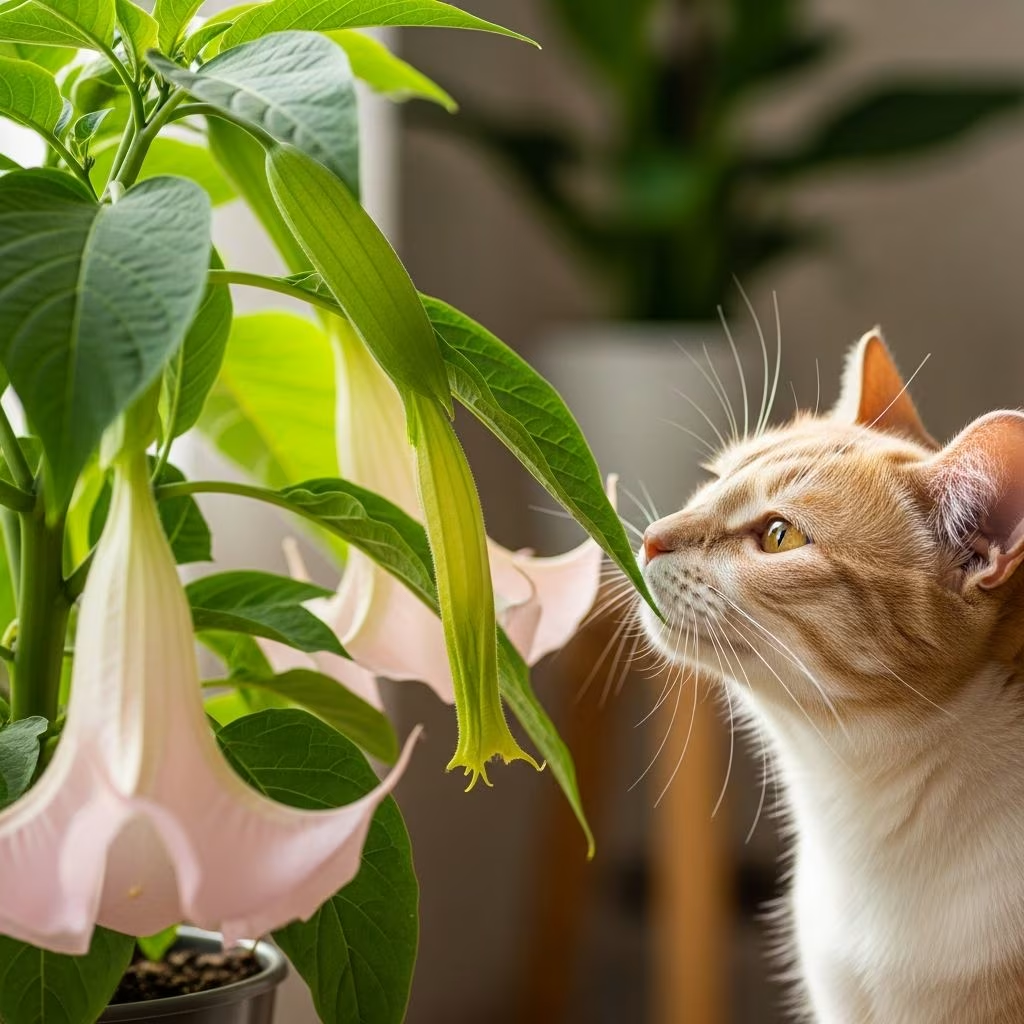
Exotic Angel Plants represent a diverse collection of houseplants from Costa Farms, encompassing hundreds of species. While beautiful and popular, their safety for cats varies widely by type, with some posing serious health risks if chewed or ingested.
Understanding the Exotic Angel Plants Brand
The term “Angel Plants” typically refers to the Exotic Angel collection, not a single species. This brand offers over 400 tropical and indoor plants, many grown for their vibrant foliage and easy care. Cats, being curious chewers, often investigate houseplants, making toxicity a key concern for pet owners.
These plants originate from controlled environments optimized for health and beauty, but their chemical defenses against pests can harm felines. Natural compounds like alkaloids, oxalates, and saponins protect plants but irritate or poison cats’ digestive systems.
Why Cats Are Vulnerable to Plant Toxins
Cats lack certain liver enzymes to metabolize plant chemicals efficiently, leading to rapid toxin buildup. Grooming after chewing spreads irritants from mouth to stomach. Kittens and playful adults face higher risks due to exploratory behavior.
- Curiosity-driven nibbling: Cats treat plants as toys or snacks.
- Gastrointestinal sensitivity: Even mild irritants cause vomiting or diarrhea.
- Systemic effects: Some toxins target kidneys, heart, or nervous system.
Toxic Angel Plants to Avoid Around Cats
Several Exotic Angel offerings contain harmful substances. Always verify specific plants via ASPCA or vet resources before purchase.
| Plant Name | Toxic Components | Symptoms in Cats |
|---|---|---|
| Aloe (Aloe barbadensis) | Anthraquinone glycosides | Vomiting, diarrhea, tremors, lethargy |
| Begonia | Calcium oxalates, insoluble crystals | Oral irritation, drooling, vomiting |
| Peace Lily | Calcium oxalate crystals | Mouth burning, swelling, hypersalivation |
| Dieffenbachia (Dumb Cane) | Calcium oxalates, protoanemonin | Swelling, breathing difficulty, GI upset |
| Cordyline (Ti-plant) | Saponins, alkaloids | Vomiting, weakness, incoordination |
Note: Angel’s Trumpet (Brugmansia), sometimes confused with the brand, is highly toxic with alkaloids causing hallucinations, rapid heart rate, and potential death. Keep far from pets.
Safe Angel Plants for Cat Households
Not all Exotic Angel plants endanger cats. Opt for these low-risk options, though monitor for mild GI upset from any plant matter.
- Spider Plant (Chlorophytum comosum): Air-purifying, resilient; causes only mild stomach upset if overeaten.
- Parlor Palm (Chamaedorea elegans): Graceful fronds; non-toxic and cat-resistant.
- Boston Fern (Nephrolepis exaltata): Lush and humidity-loving; safe for nibbling.
- Calathea varieties: Colorful leaves; generally harmless.
- Prayer Plant (Maranta leuconeura): Foldable leaves intrigue cats without harm.
Even safe plants may cause vomiting if fertilized; rinse foliage and use pet-safe products.
Recognizing Plant Poisoning Symptoms in Cats
Act swiftly on these signs, as severity escalates quickly.
- Mild: Excessive drooling, pawing at mouth, vomiting.
- Moderate: Diarrhea, lethargy, reduced appetite, tremors.
- Severe: Seizures, irregular heartbeat, kidney failure signs (thirst, urination changes), collapse.
Symptom onset varies: irritants act in minutes, systemic toxins in hours. Note plant type and amount ingested for vets.
Emergency Response to Suspected Ingestion
Don’t induce vomiting without vet guidance—some toxins worsen with it. Steps include:
- Remove plant access and collect sample (photo/label).
- Contact vet, ASPCA Poison Control (888-426-4435), or Pet Poison Helpline immediately.
- Transport calmly; provide plant details en route.
Treatments may involve:
- Activated charcoal to bind toxins.
- IV fluids for hydration and flushing.
- Anti-emetics, pain relief, or organ support.
- Monitoring for complications like renal damage.
Preventing Plant-Related Risks in Cat Homes
Proactive steps ensure harmony between greenery and pets.
| Strategy | Benefits |
|---|---|
| Hang plants high or use shelves | Out of jump/paw reach |
| Cat-proof pots with barriers | Prevents tipping/chewing |
| Offer cat grass/safe chews | Redirects natural instincts |
| Use bitter sprays | Deterrents without harm |
| Choose artificial lookalikes | Beauty without risk |
Train with positive reinforcement: reward ignoring plants. Supervise young cats.
Cat-Friendly Indoor Greenery Alternatives
Beyond Angel Plants, these vetted options thrive indoors safely.
- Areca Palm: Feathery, non-toxic.
- Bird’s Nest Fern: Compact, harmless.
- Peperomia: Varied textures, safe.
- Swedish Ivy: Trailing, feline-approved.
Enhance air quality while prioritizing safety.
FAQs on Angel Plants and Feline Safety
Are all Exotic Angel Plants toxic to cats?
No, toxicity depends on species. Check ASPCA lists for specifics.
What if my cat chews a safe Angel Plant?
Mild GI upset possible; monitor and withhold food briefly if vomiting occurs.
How do I identify toxic plants quickly?
Use apps like PictureThis or ASPCA database; note Latin names.
Can small bites cause serious harm?
Yes, especially from lilies or palms; even minor exposure risks kidneys.
Are fertilizers on Angel Plants dangerous?
Yes, more so than leaves; opt for organic, pet-safe types.
Long-Term Home Plant Strategy for Pet Owners
Building a cat-safe oasis involves research, placement, and alternatives. Consult vets for personalized advice, especially multi-pet homes. Regular checks prevent issues, allowing enjoyment of nature indoors.
References
- Is the angel plant toxic to cats if they accidentally chew on it? — Dial a Vet. 2024. https://www.dialavet.com/vet-answers/post/angel-plant-safe-for-cats-48846
- Are Angel Plants Poisonous to Cats? Vet-Approved Facts — Catster. 2024. https://www.catster.com/cat-health-care/are-angel-plants-poisonous-to-cats/
- Toxic Plant Garden — UC Davis School of Veterinary Medicine. 2025-01-01. https://www.vetmed.ucdavis.edu/toxic-plant-garden
- Plants That Are Dangerous to Pets — FOUR PAWS USA. 2024. https://www.fourpawsusa.org/our-stories/publications-guides/plants-that-are-dangerous-to-pets
- Pets and Plants — Costa Farms. 2024. https://costafarms.com/blogs/get-growing/pets-and-plants



