

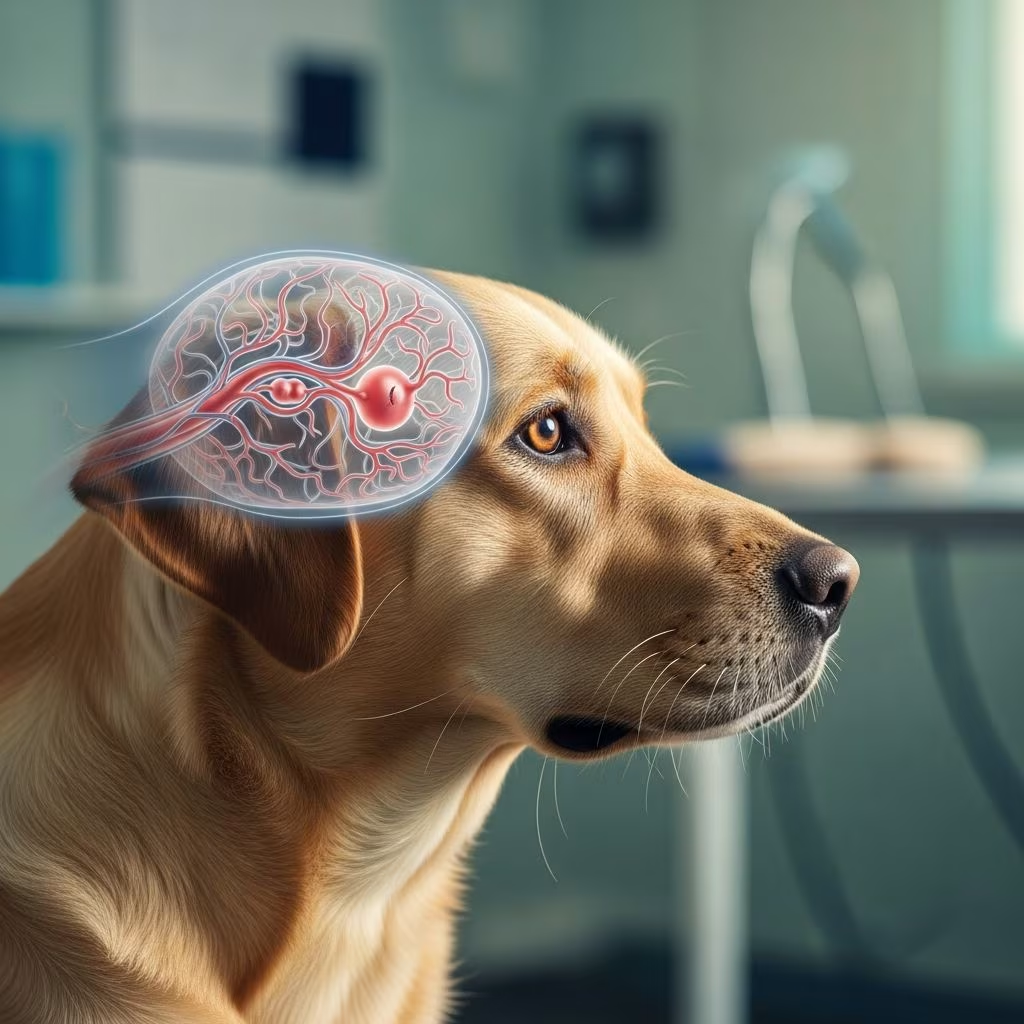
Aneurysms represent a serious vascular condition in dogs where blood vessel walls weaken and bulge, potentially leading to rupture, clotting, or organ damage. These abnormalities often go unnoticed until they cause acute crises, making early awareness vital for pet owners.
Understanding Vascular Aneurysms in Canines
In dogs, an aneurysm occurs when the middle layer of a blood vessel weakens, causing localized dilation that can trap blood clots or burst. Unlike humans, canine aneurysms are rarer but tied to infections, trauma, or congenital flaws, affecting arteries like the aorta most commonly.
These dilations disrupt normal blood flow, risking embolisms—clots that travel and block distant vessels. Breeds with genetic predispositions or those exposed to heartworm face elevated risks, underscoring the need for routine veterinary monitoring.
Primary Categories of Aneurysms Affecting Dogs
Canine aneurysms vary by location and cause, each presenting unique challenges. Key types include:
- Aortic aneurysms: Bulges in the main artery from the heart, often in the abdominal segment, leading to internal bleeding if ruptured.
- Pulmonary artery aneurysms: Linked to heartworm, causing clots that impair lung function.
- Mycotic aneurysms: Fungal or bacterial invasions weakening vessel walls, as seen in rare Graphium species cases.
- Peripheral aneurysms: In limbs or smaller vessels, often from trauma or atherosclerosis.
Distinguishing true aneurysms (all wall layers involved) from pseudoaneurysms (contained by surrounding tissue) aids prognosis, with true forms generally more stable.
Symptoms Signaling Potential Aneurysm Development
Many aneurysms remain asymptomatic until complications arise, complicating detection. Watch for these indicators:
- Sudden respiratory distress or rapid breathing from pulmonary clots.
- Limb pain, cold extremities, or lameness due to arterial blockages.
- Abdominal discomfort, vomiting, or bloody urine from organ ischemia.
- Collapse, seizures, or blue gums indicating rupture or severe embolism.
- Pulsating masses, unusual postures, or unexplained lethargy.
| Location | Common Symptoms | Urgency Level |
|---|---|---|
| Aorta/Abdomen | Pain, vomiting, shock | High – Risk of rupture |
| Lungs/Pulmonary | Shortness of breath, cough | High – Respiratory failure |
| Legs/Peripheral | Cold limb, paralysis | Medium – Potential amputation |
| Heart-Related | Weakness, fainting | High – Cardiac compromise |
These signs often mimic other conditions like infections or injuries, prompting swift veterinary evaluation.
Root Causes Behind Aneurysm Formation
Aneurysms stem from multiple factors weakening vessel integrity:
- Infections: Bacterial endocarditis or fungal agents like Graphium erode walls, creating mycotic forms.
- Parasites: Heartworm disease promotes clots in pulmonary arteries.
- Trauma or Surgery: Physical damage allows hematogenous spread of pathogens.
- Immune Disorders: Conditions like hemolytic anemia foster clot-prone states.
- Congenital/Genetic: Undetected weaknesses in breeds like Boxers or German Shepherds.
High blood pressure, obesity, or atherosclerosis accelerates degeneration, though less common in dogs than humans.
Diagnostic Approaches for Confirming Aneurysms
Veterinarians employ imaging and lab tests for precise diagnosis:
- Ultrasound: Reveals dilations, clots, or wall thickening, as in abdominal aortic cases.
- X-rays: Detect chest changes from pulmonary involvement.
- Blood Tests: Check for infections, clotting factors, or anemia.
- Angiography: Maps vessel abnormalities via contrast dye.
- Histopathology: Post-mortem or biopsy confirms fungal elements.
Early detection via routine heartworm screening or physical exams improves outcomes significantly.
Treatment Strategies for Canine Aneurysms
Management depends on location, size, and stability, often requiring hospitalization:
- Medications: Anticoagulants dissolve clots; antibiotics target infections for weeks to months.
- Surgery: Removes clots or repairs vessels in stable patients; aneurysm resection for ruptures.
- Supportive Care: Oxygen, fluids, and anti-inflammatories alleviate symptoms.
- Heartworm Therapy: Prevents progression in parasitic cases.
Prognosis varies—guarded for ruptured or mycotic types, better for early peripheral detections. Owners must monitor for recurrence.
Preventive Measures to Protect Your Dog
Proactive steps reduce aneurysm risks:
- Administer monthly heartworm preventives year-round.
- Maintain ideal weight and blood pressure through diet and exercise.
- Schedule annual veterinary checkups with vascular screenings for at-risk breeds.
- Promptly treat infections or wounds to avoid systemic spread.
- Avoid trauma via leashed walks and safe environments.
Vaccinations and parasite control form the cornerstone of prevention.
FAQs on Aneurysms in Dogs
What breeds are prone to aneurysms?
Large breeds like German Shepherds or those with heartworm exposure face higher risks, though any dog can develop them.
Can aneurysms be cured completely?
Many are manageable with treatment, but full cures depend on underlying causes; monitoring is lifelong.
Is surgery always necessary?
No, medications suffice for clots or infections, but ruptures often demand surgical intervention.
How quickly do symptoms appear?
Often suddenly, with dogs appearing normal until rupture or embolism strikes.
What home care supports recovery?
Rest, a low-stress environment, and medication adherence; avoid strenuous activity.
Long-Term Outlook and Owner Responsibilities
Surviving dogs require ongoing meds, diet tweaks, and follow-ups to prevent clots or progression. Owners play a key role by recognizing subtle changes like fatigue or limping early. Emotional support aids recovery, as stress exacerbates vascular strain.
In summary, while aneurysms pose grave threats, informed vigilance and veterinary partnership enhance survival odds substantially.
References
- Blood Clots and Aneurysms in Dogs — MSD Veterinary Manual. 2023. https://www.msdvetmanual.com/dog-owners/heart-and-blood-vessel-disorders-of-dogs/blood-clots-and-aneurysms-in-dogs
- Blood Clots and Aneurysms in Dogs — Merck Veterinary Manual. 2023. https://www.merckvetmanual.com/dog-owners/heart-and-blood-vessel-disorders-of-dogs/blood-clots-and-aneurysms-in-dogs
- Aneurysms in Dogs – Symptoms, Causes, Diagnosis, Treatment — WagWalking. 2023. https://wagwalking.com/condition/aneurysms
- Blood Clotting in Dogs: Everything You Need to Know — Petcube. 2023. https://petcube.com/blog/blood-clotting-in-dogs/
- Mycotic aneurysm caused by Graphium species in a dog — PMC – NIH (Peer-reviewed). 2015-10-28. https://pmc.ncbi.nlm.nih.gov/articles/PMC4638297/
- Aneurysm and Pseudoaneurysm on the Heart in Dogs — PetsVetCheck. 2023. https://petsvetcheck.de/en/expert-articles/aneurysm-and-pseudoaneurysm-on-the-heart-or-blood-vessels-near-the-heart-in-dogs/



