

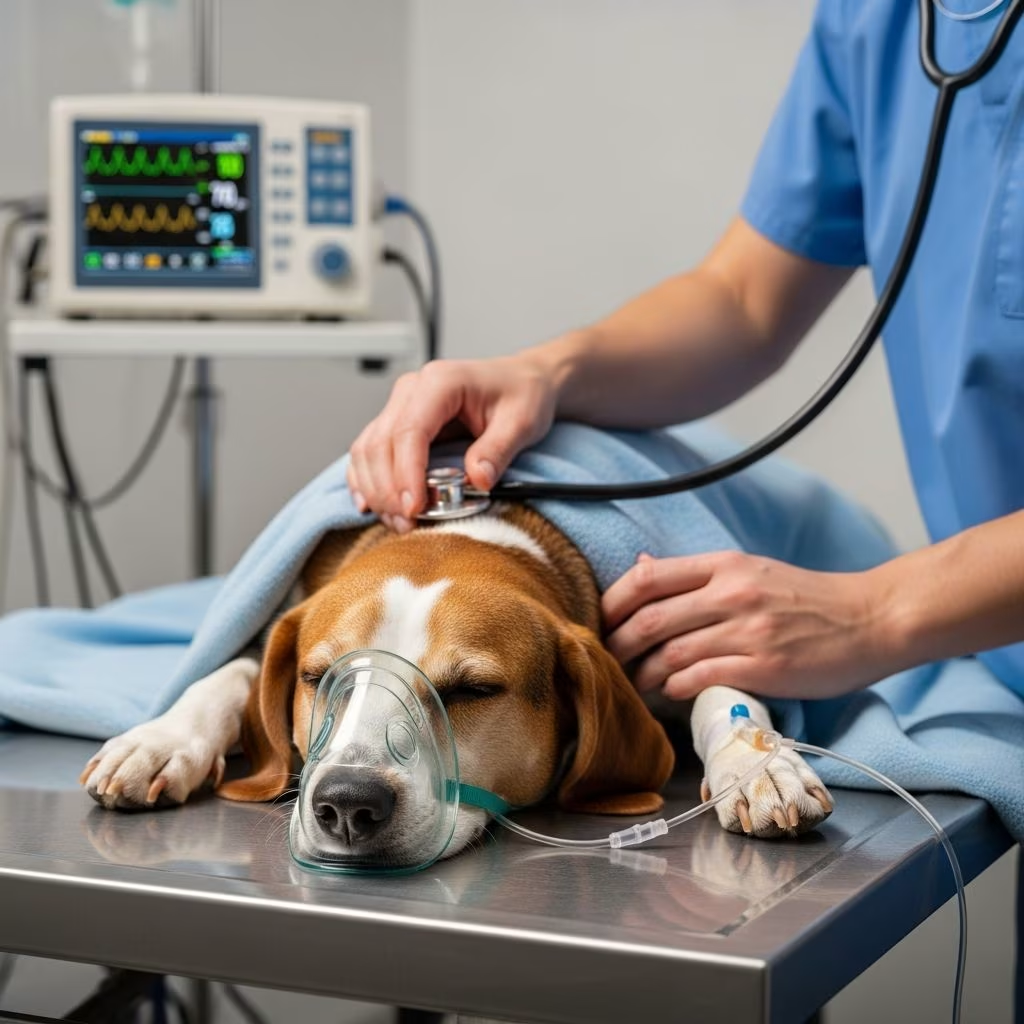
Understanding Anesthesia for Dogs
Anesthesia is a critical component of modern veterinary medicine that allows veterinarians to perform necessary surgical procedures, dental treatments, and diagnostic examinations on dogs without causing them pain or distress. Anesthesia is regulated unconsciousness where your pet’s degree of consciousness is controlled so that they do not feel pain or move. This controlled state prevents your dog from experiencing pain, moving during delicate procedures, and retaining memories of traumatic surgical experiences. For many pet owners, the prospect of their beloved dog undergoing anesthesia can be anxiety-inducing, but understanding the true risks and benefits can help alleviate unnecessary fears.
When Is Anesthesia Used for Dogs?
Veterinarians employ anesthesia for a variety of procedures across different complexity levels. Some veterinary treatments, such as dentistry, spay and neutering procedures, and surgery, must be performed while your pet is sedated. Common procedures requiring anesthesia include:
- Surgical procedures and major operations
- Dental cleanings and extractions
- Spay and neutering procedures
- Diagnostic imaging that requires the pet to remain still
- Wound repair and suturing
- Tumor removal and biopsies
- Orthopedic procedures
The decision to use anesthesia is made carefully by veterinarians, as they only perform anesthesia when the benefits of the procedure clearly outweigh the associated risks.
The Safety Profile of Canine Anesthesia
Modern anesthetic protocols have become increasingly safe for dogs, with contemporary research providing reassuring data about the actual risks involved. A comprehensive VetCompass study conducted by the Royal Veterinary College and the University of Manchester examined data from more than 150,000 dogs in the UK to assess the risk of death from sedation and general anesthetics. The findings showed that the risk is 14 deaths in 10,000 dogs within two weeks of sedation or anesthesia procedures carried out for any reason, of which 10 deaths per 10,000 occur within 48 hours of these procedures.
For routine neutering surgeries specifically, the risk is much smaller, with only one death in 10,000 neuter procedures related to sedation and anesthesia. A recent study put the risk of death in dogs at 0.17% and in cats at 0.24%. Many experts estimate that the risk of anesthetic death is actually lower than the risk of driving to and from the hospital to have the anesthetic procedure performed. Most healthy pets, including older dogs and cats, have no problems with anesthesia, and the risks involved are generally tied to the treatment being performed and the pet’s overall health rather than the anesthetic itself.
Benefits of Anesthesia for Dogs
The advantages of anesthesia in veterinary medicine are substantial and directly contribute to better patient outcomes and improved quality of life for dogs. Key benefits include:
- Prevention of the feeling of pain during surgery
- Reduced post-surgical pain and faster recovery
- Lack of consciousness during major procedures
- Lack of memory of painful procedures
- Prevention of movement during delicate surgical procedures
- Enabling complex veterinary procedures that would otherwise be impossible
Anesthesia is what makes surgery on animals possible and allows veterinarians to perform life-saving and quality-of-life-improving procedures that would be impossible to accomplish in a conscious patient. Without anesthesia, many beneficial treatments would be unavailable to our pets.
Potential Risks and Complications of Anesthesia
While anesthesia is generally safe, it is not without risks. It is estimated that approximately 1 in 100,000 animals will have some sort of harmful reaction to an anesthetic agent. These reactions may range from mild to severe and include various complications.
Common Anesthetic Complications
Anesthetic complications can vary widely in their severity and presentation. Examples of anesthetic complications include aspiration pneumonia if the dog vomits, injection site swelling, nausea after surgery, organ failure after surgery, and in rare cases, death. Understanding these risks helps pet owners make informed decisions about their dog’s care.
Aspiration Pneumonia and Pre-Anesthesia Fasting
One of the most significant preventable complications is aspiration pneumonia, which can develop if a dog vomits during or shortly after anesthesia. Anesthetized patients lose the normal reflex ability to swallow. If there is food in the stomach, the dog could vomit while under anesthesia or in the early post-anesthetic period. If vomiting occurs in the absence of the swallowing reflex, vomited material can be aspirated (enter into the lungs), causing aspiration pneumonia, a potentially life-threatening condition. For this reason, fasting before anesthesia, as recommended by your veterinarian, is critical to lowering your dog’s risk.
Organ System Effects
Studies have shown that 0.9% to 2.0% of all patients that receive general anesthesia will develop kidney dysfunction 7 to 14 days after anesthesia. This risk is significantly reduced in patients that receive intravenous fluid therapy with their surgery. Although 98% of all pets will have no problem, your veterinarian’s goal is to eliminate that unknown 2%. Other rare complications of anesthesia include organ system failure such as kidney, liver, or heart failure, visual impairment, clotting disorders, and seizures.
Allergic and Drug Reactions
Any anesthetic drug comes with the risk of an unpleasant reaction, this is true for people and pets alike. Possible complications include drug reactions and allergic reactions to the medications used. We use several different medications to reach the anesthetic stage, and allergic reactions are always a possibility. Reactions can range from moderate to severe, with a wide range of symptoms including edema at the injection site.
Breed-Specific Considerations
Certain dog breeds face increased anesthetic risks due to their physical characteristics. Brachycephalic or short-nosed dogs have a higher risk of regurgitating under anesthesia, which can lead to aspiration pneumonia. These breeds may also have trouble breathing when they wake up if they are anxious. Additionally, small breed dogs may lose temperature quickly, so monitoring temperature and having protocols to maintain warmth are crucial before, during, and after the procedure.
Age-Related Vulnerabilities
Because of breed, size, health, or age, some dogs have a higher anesthetic risk. Very old dogs and very young dogs can be more vulnerable to anesthesia due to changes in or immaturity of some of their body’s organs or systems. However, research has shown no association between the age of puppies at the time of neutering and risk of death, suggesting that young age alone is not necessarily a contraindication.
High-Risk Dogs and Medical Conditions
There are certain dogs where anesthesia may be more risky, and it’s important to weigh the risks versus the benefits before deciding whether to proceed. Some disease processes can increase anesthesia risks significantly. Dogs with kidney disease, heart disease, liver disease, or clotting disorders should have careful pre-anesthetic evaluation and modified anesthetic protocols. For older dogs, those with poorer health or undergoing planned complex surgeries, careful planning to manage anesthetic risks is essential. Urgent procedures, regardless of complexity, were shown to carry greater risk and therefore should be approached with high vigilance and caution.
Pre-Anesthesia Preparation and Safety Measures
Veterinarians employ multiple strategies to minimize anesthetic risks and ensure your dog’s safety. Your veterinarian will take every precaution to minimize these risks during your dog’s anesthesia. Critical preparation steps include the following:
Complete Medical History
You should ensure your dog’s complete medical history is available to your veterinarian, especially if your dog has been seen at another veterinary clinic. This information allows the veterinarian to identify potential risk factors and adjust the anesthetic protocol accordingly.
Intravenous Access and Fluid Therapy
A catheter is part of the anesthetic preparation and is essential for safe anesthesia administration. The catheter can be used to provide anesthetics and intravenous fluids to keep your pet hydrated. Intravenous fluids help maintain hydration and blood pressure during the procedure. IV fluids also help your dog with recovery by aiding the liver and kidneys in clearing the body of anesthetic agents more quickly. Further, if needed, it would serve as a pathway to directly administer life-saving medications, should a crisis arise. For these reasons, all surgery patients should receive intravenous catheterization and fluid therapy.
Cardiac Monitoring
An electrocardiogram (ECG) measures your dog’s heart rate and rhythm and can detect arrhythmias, which are irregular heartbeats. If an arrhythmia is discovered, your veterinarian can adjust your anesthetic accordingly to minimize cardiac complications.
Temperature Management
If your dog is undergoing a lengthy surgical treatment, core body temperature may be monitored. Body temperature fluctuations might lead to serious problems, so maintaining appropriate body temperature throughout the procedure is important.
Normal Side Effects of Anesthesia
After anesthesia, it is normal for dogs to experience certain temporary side effects that should resolve with rest. Sleepiness and shaking are both considered normal side effects of anesthesia in dogs and should go away with rest. Your pet may also have a temporary decrease in appetite after the anesthetic. These reactions typically resolve within 24 to 48 hours as the anesthetic agents are metabolized and cleared from your dog’s system.
When to Contact Your Veterinarian
While mild drowsiness and mild trembling are normal, if you feel that your dog is acting ‘weird’ after anesthesia, contact your vet. Persistent vomiting, difficulty breathing, extreme lethargy lasting more than 24 hours, or other concerning symptoms warrant veterinary attention.
Timing of Anesthetic Complications
It’s important to note that almost half of all anesthetic-related canine deaths occur within the first few hours after surgery. This underscores the importance of careful monitoring immediately following the procedure and the critical nature of post-anesthetic care. There are always hazards when administering any anesthetic medication to a patient, regardless of how long the patient remains sedated.
Making Informed Decisions About Anesthesia
Understanding the actual risks versus the benefits helps pet owners make informed decisions about their dog’s medical care. Only when the benefits outweigh the risks will veterinarians perform anesthesia on your dog. This philosophy ensures that anesthesia is used judiciously and only when necessary. For many procedures, the risks of not having the procedure performed significantly exceed the risks of anesthesia. For example, dental disease carries serious health consequences, and proper anesthesia for dental care is considerably safer than the complications that arise from untreated dental disease.
Frequently Asked Questions About Dog Anesthesia
Q: Is anesthesia safe for older dogs?
A: Yes, most healthy older dogs tolerate anesthesia well. However, older dogs with underlying health conditions may require modified anesthetic protocols and more intensive monitoring. Your veterinarian will conduct a thorough pre-anesthetic evaluation to assess your senior dog’s specific risks and benefits.
Q: Why does my dog need to fast before anesthesia?
A: Fasting before anesthesia is critical because anesthetized patients lose their normal swallowing reflex. If food remains in the stomach, your dog could vomit during anesthesia and aspirate vomit into their lungs, causing a potentially life-threatening condition called aspiration pneumonia.
Q: What is the actual death rate from anesthesia in dogs?
A: Recent research shows the risk of death from anesthesia in dogs is 0.17%, or approximately 14 deaths in 10,000 dogs within two weeks of the procedure. For routine neutering, the risk is even lower at approximately 1 death per 10,000 procedures. Many experts consider this risk lower than the risk of driving to and from the veterinary hospital.
Q: What should I do if my dog seems abnormal after anesthesia?
A: Some grogginess and mild shaking are normal and should resolve with rest. However, if your dog exhibits persistent vomiting, difficulty breathing, extreme lethargy lasting more than 24 hours, or other concerning symptoms, contact your veterinarian immediately.
Q: Are certain dog breeds at higher anesthetic risk?
A: Yes, brachycephalic (short-nosed) breeds like Bulldogs and Pugs have higher risks of regurgitation and breathing difficulties during anesthesia. Small breeds may lose body temperature quickly. Your veterinarian will adjust monitoring and protocols accordingly for breed-specific risks.
Q: How long does it take for a dog to recover from anesthesia?
A: Most dogs begin to recover within minutes to hours after anesthesia is discontinued. However, complete recovery may take 24 to 48 hours. Your veterinarian will provide specific post-operative care instructions for your dog’s situation.
References
- Anesthesia for Dogs — VCA Animal Hospitals. Accessed November 28, 2025. https://vcahospitals.com/know-your-pet/anesthesia-for-dogs
- Study reveals the true risks of anaesthesia in dogs — Royal Veterinary College. 2024. https://www.rvc.ac.uk/vetcompass/news/study-reveals-the-true-risks-of-anaesthesia-in-dogs
- Dog Anesthesia – Risks, Side Effects & Why it’s Necessary — Carolina Veterinary Specialists. July 30, 2024. https://www.greensboro.carolinavet.com/site/greensboro-specialty-veterinary-blog/2024/07/30/veterinary-surgery-dog-anesthesia
- Anesthesia for Dogs: What Is It, and How Does It Work? — PetMD. Accessed November 28, 2025. https://www.petmd.com/dog/procedure/anesthesia-for-dogs
- Dog Anesthesia — Central Providence Veterinary Hospital. Accessed November 28, 2025. https://www.centralprovidence.com/services/dogs/dog-anesthesia-charlotte



