

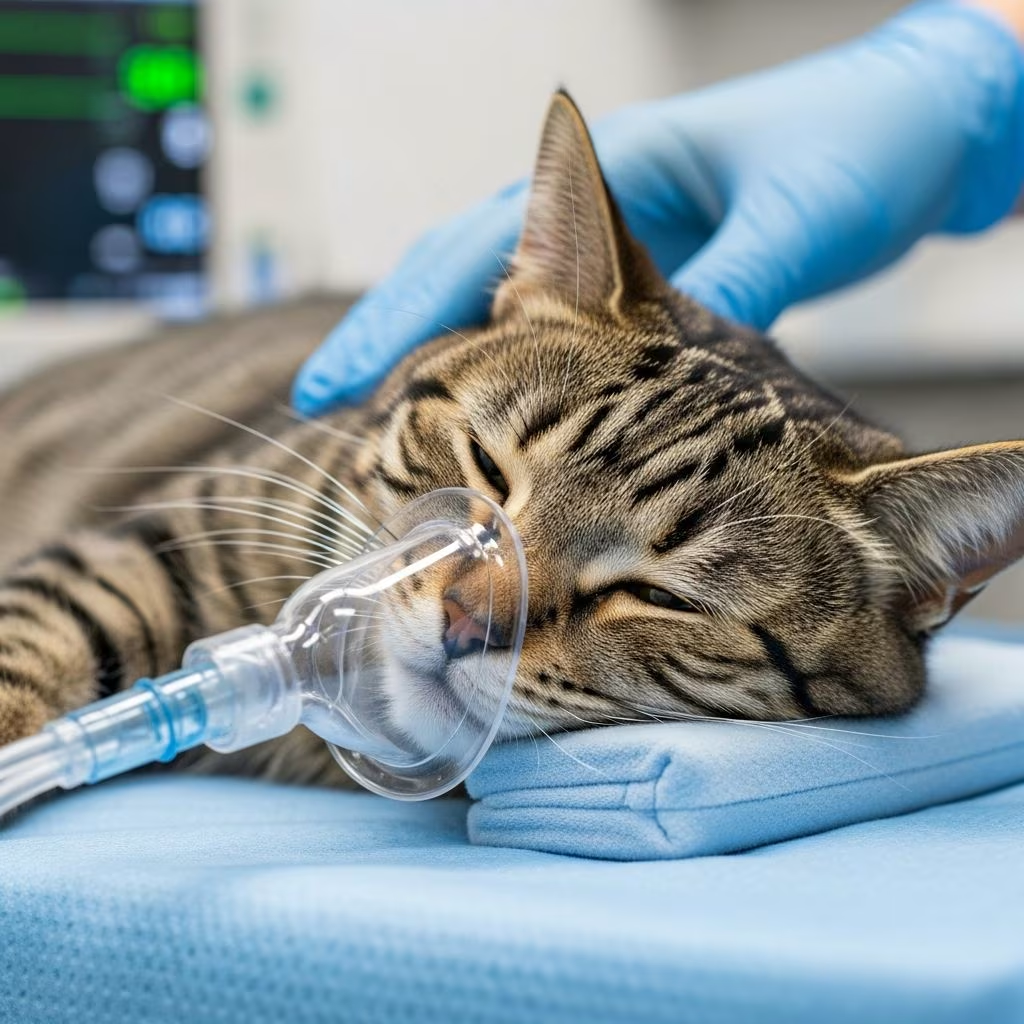
Anesthesia for Cats: A Comprehensive Guide
Anesthesia is administered to cats daily in veterinary hospitals around the world, and when performed by trained professionals using modern protocols, it has remarkably low complication rates. However, as with any medical procedure, anesthesia does carry certain risks that pet owners should understand. This comprehensive guide will help you understand what anesthesia is, why it’s necessary, the different types available, and how veterinarians work to keep your feline companion safe throughout the process.
What Is Anesthesia and Why Is It Used?
Anesthesia is a controlled state of unconsciousness designed to prevent pain and movement during medical procedures. According to the American Veterinary Medical Association (AVMA), the primary goal of anesthesia is to ensure that your cat remains still and does not react to painful stimuli during surgery or diagnostic procedures. This controlled unconsciousness allows veterinarians to perform necessary procedures safely and effectively, whether for routine dental cleanings, surgical interventions, or diagnostic imaging.
When anesthesia is administered, it causes significant changes to your cat’s normal body functions. These changes include slower breathing rates, reduced heart rate, decreased metabolism, and the potential loss of reflexes. During general anesthesia, cats are intubated, meaning an endotracheal tube is placed in the windpipe to ensure a continuous supply of oxygen and anesthetic gases throughout the procedure.
Types of Anesthesia for Cats
Veterinarians have several anesthesia options at their disposal, each suited for different procedures and patient needs. The appropriate type is determined based on your cat’s health status, age, the nature of the procedure, and any underlying medical conditions.
Sedation
Sedation is the mildest form of anesthesia and is used for procedures that don’t involve significant pain or the need for complete immobilization. Drugs such as acepromazine, midazolam, or dexmedetomidine are administered via intramuscular injection (IM), subcutaneous injection (SC), or intravenously (IV). Sedation helps lower anxiety and is particularly useful for non-painful procedures like diagnostic imaging or minor examinations. During sedation, cats typically remain able to walk around, though they are significantly calmed. Cats under sedation are usually not intubated, as they maintain their own airway reflexes.
Immobilization
Immobilization anesthesia uses drugs such as ketamine or Telazol administered through IM, SC, or IV routes. This type of anesthesia prevents the cat from walking, provides some level of pain relief, and causes the cat to have no memory of the procedure. Immobilization anesthesia is typically used for short procedures and does not require intubation. This makes it useful for quick diagnostic procedures or wound treatments where complete unconsciousness isn’t necessary.
Local Anesthetics
Local anesthetics work by blocking pain in specific areas of the body. Drugs like lidocaine and bupivacaine are administered directly in the skin around the area of interest, in the mouth, or in the epidural space to block only the local nerves in that region. Local anesthetics are particularly valuable for removing small tumors, treating wounds, extracting teeth, and assisting with delivery. These medications can also be combined with general anesthesia to provide enhanced pain relief and reduce swelling during more extensive procedures.
General Anesthesia
General anesthesia produces complete unconsciousness and is typically used for major surgical procedures. It is often preceded by one of the anesthetics mentioned above to provide pain relief and muscle relaxation. General anesthesia is induced using intravenous drugs such as alfaxalone or propofol, and then maintained using inhaled gases like sevoflurane or isoflurane. This combination approach allows veterinarians to achieve deep, sustained unconsciousness that is necessary for complex surgeries while maintaining precise control over the depth of anesthesia throughout the procedure.
How Anesthesia Works in Cats
Understanding the anesthesia process can help alleviate concerns you may have about your cat’s safety. The process begins with a thorough pre-operative assessment and continues through recovery.
Pre-Operative Preparation
Before anesthesia is administered, your cat will undergo a comprehensive physical examination and blood work evaluation. This assessment helps your veterinarian identify any underlying health conditions that might affect how your cat responds to anesthesia. An intravenous (IV) catheter is placed in your cat’s vein, which serves multiple critical purposes: it allows for the administration of anesthetic drugs, enables IV fluid therapy to maintain hydration and blood pressure during the procedure, and provides emergency access for additional medications if needed.
Anesthesia Induction
Once your cat is prepared, a combination of sedative and analgesic (pain-relieving) medication is administered to calm your cat and facilitate the transition to anesthesia. For general anesthesia, additional medication is given to induce deep unconsciousness. Your cat is then intubated, with an endotracheal tube placed through the mouth into the windpipe. This tube remains in place throughout the procedure, delivering anesthetic gas and oxygen directly to the lungs and protecting the airway.
During the Procedure
Once intubated, your cat is connected to an anesthesia machine that delivers a precise mixture of anesthetic gases. Throughout the surgery or procedure, your cat’s depth of anesthesia is continuously monitored by checking vital parameters including pulse, heart rate, mucous membrane color, reflexes, and jaw tone. Many modern veterinary facilities use pulse oximeters to measure blood oxygen levels and employ blood pressure monitors to ensure adequate circulation. This constant monitoring allows the anesthesia team to make real-time adjustments to maintain your cat at the optimal depth of anesthesia.
Recovery Process
Following the procedure, your cat gradually emerges from anesthesia as the anesthetic drugs are metabolized by the body. Most cats are able to resume normal activities within approximately one hour of waking. During this recovery period, your cat may still be somewhat drowsy or disoriented, so careful monitoring is essential. Depending on the procedure performed, post-operative pain medications may be prescribed. It’s important to note that you should never administer over-the-counter medications such as aspirin, ibuprofen, or acetaminophen without explicit veterinary approval, as these can be toxic to cats.
Safety Considerations for Feline Anesthesia
For the vast majority of healthy cats, anesthesia is a safe procedure when administered by trained veterinary professionals using modern protocols and monitoring equipment. However, certain measures are taken to minimize risks, particularly for cats with underlying health conditions.
Pre-Anesthetic Evaluation
All licensed veterinarians are trained and qualified to administer anesthesia. The safety of your cat’s anesthesia begins with a thorough pre-operative evaluation. Your veterinarian will consider your cat’s age, physical condition, any existing health issues such as heart or kidney disease, and the complexity and pain level of the procedure. This information is used to create an individualized anesthetic protocol tailored specifically to your cat’s unique needs.
Monitoring During Anesthesia
Full anesthetic monitoring ensures your cat’s safety throughout the procedure. Veterinary teams continuously monitor multiple parameters including blood pressure, body temperature, EKG readings, oxygenation levels, carbon dioxide output, and heart rate. In large veterinary hospitals, an anesthesia specialist may be dedicated solely to monitoring the unconscious patient’s stability. In smaller clinics, this responsibility typically falls to a skilled veterinary assistant.
Risk Factors and Special Considerations
Cats with certain conditions, such as heart disease, kidney disease, or liver disease, may require modified anesthetic protocols. Senior cats may need adjusted dosages and additional monitoring. Your veterinarian will discuss any specific risks related to your cat’s health status and explain how these will be addressed with an appropriate anesthetic plan.
How Anesthetic Type and Dosage Are Determined
The selection of anesthetic drugs and dosages is never one-size-fits-all. Your veterinarian carefully considers multiple factors when creating your cat’s anesthetic protocol. These considerations include your cat’s individual characteristics, breed, size, age, any underlying medical conditions, the specific procedure being performed, and the expected duration of the procedure. The pain level associated with the procedure is also a crucial factor—more painful procedures may require more potent anesthesia or additional pain management strategies. Once the protocol is designed, it requires constant monitoring and support by the veterinary team to ensure safety and effectiveness.
Common Procedures Requiring Anesthesia
Several common veterinary procedures require anesthesia to ensure your cat’s safety and comfort. The most frequent procedures include:
- Dental cleanings and oral health assessments
- Spaying or neutering
- Tumor removal or biopsy
- Wound treatment and repair
- Orthopedic surgery
- Diagnostic imaging procedures
- Emergency trauma care following accidents
Preparing Your Cat for Anesthesia
Proper preparation at home can help ensure your cat’s anesthesia experience goes smoothly. Your veterinarian will typically provide specific pre-operative instructions. Usually, cats should fast (not eat) for 6-8 hours before anesthesia and water should be restricted for 2-4 hours prior to the procedure. This fasting requirement reduces the risk of aspiration if your cat vomits during anesthesia.
One week before the scheduled procedure, you may be given a calming medication or supplement to administer at home. On the morning of the procedure, your cat will receive another physical examination to check for any new or concerning symptoms that might have developed since the pre-operative blood work was performed. This final check ensures the veterinary team has the most current information about your cat’s health status.
Post-Operative Care and Recovery
After your cat’s procedure, following the veterinarian’s post-operative instructions is crucial for proper healing and recovery. Most cats can return to their normal routine within a day or two, though activity should be limited initially. If pain medications are prescribed, administer them exactly as directed. Keep the surgical site clean and dry, and contact your veterinarian if you notice any signs of infection, excessive swelling, or unusual behavior. Follow-up examinations may be recommended, particularly for more extensive procedures.
Frequently Asked Questions
Q: Is anesthesia safe for my cat?
A: For the majority of healthy cats, anesthesia is safe when administered by trained veterinarians using modern protocols and continuous monitoring equipment. With the development of newer, safer anesthetics and improved monitoring technology, anesthesia is generally considered a very safe procedure. However, all medical procedures carry some level of risk, which is why thorough pre-operative evaluation and monitoring are essential.
Q: What blood work is required before anesthesia?
A: Blood work before anesthesia helps identify underlying organ issues that might affect how your cat responds to anesthesia. Tests typically check kidney function, liver function, and blood cell counts. Your veterinarian will determine which specific tests are appropriate based on your cat’s age and health history.
Q: How long does it take for a cat to recover from anesthesia?
A: Most cats gradually regain consciousness within 30 minutes to an hour after anesthesia is stopped and are able to resume normal activities within approximately one hour. However, some cats may feel drowsy or disoriented for several hours, and complete recovery may take up to 24 hours.
Q: Can I give my cat pain medication after surgery?
A: Yes, your veterinarian will prescribe appropriate pain medications if needed after surgery. You should never give over-the-counter medications such as aspirin or ibuprofen without explicit veterinary approval, as these can be toxic to cats. Always follow your veterinarian’s specific instructions regarding post-operative medications.
Q: What should I feed my cat after anesthesia?
A: Offer small amounts of food and water a few hours after your cat wakes from anesthesia. Start with bland, easily digestible food, and gradually return to regular diet over the next day or two. Your veterinarian will provide specific dietary recommendations based on the procedure performed.
Q: How is an IV catheter used during anesthesia?
A: An IV catheter placed before anesthesia serves multiple purposes: it allows direct administration of anesthetic drugs into the bloodstream, enables IV fluid therapy to maintain hydration and blood pressure during the procedure, and provides emergency access for additional medications if needed. This direct access is critical for both safety and effectiveness of anesthesia.
Q: Are there any cats that cannot have general anesthesia?
A: While most cats can safely receive anesthesia, some with severe underlying health conditions may be at higher risk. Your veterinarian will conduct a thorough pre-operative evaluation to identify any contraindications. In some cases, alternative procedures or modified anesthetic protocols can be used to ensure your cat’s safety.
References
- Anesthesia for Cats: What Is It, and Why Is It Used? — PetMD. 2024. https://www.petmd.com/cat/procedure/anesthesia-for-cats
- Anesthesia — Cornell University College of Veterinary Medicine, Cornell Feline Health Center. 2024. https://www.vet.cornell.edu/departments-centers-and-institutes/cornell-feline-health-center/health-information/feline-health-topics/anesthesia
- AAFP Feline Anesthesia Guidelines — American Association of Feline Practitioners. 2018. https://catvets.com/resource/anesthesia-guidelines/
- CANINE & FELINE ANESTHESIA — Western University College of Veterinary Medicine. https://www.westernu.edu/mediafiles/veterinary/vet-anesthesia-analgesia/canine-feline-anesthesia.pdf
- AAFP Feline Anesthesia Guidelines — PubMed Central, National Center for Biotechnology Information. 2024. https://pmc.ncbi.nlm.nih.gov/articles/PMC10816483/
- Cat Anesthesia — Green Valley Animal Hospital. 2024. https://www.greenvalleyah.com/services/cats/cat-anesthesia
- General Anesthesia: A Comprehensive Guide for Cat Owners — Blue Oasis Pet Hospital. 2024. https://www.blueoasispethospital.com/services/cats/cat-anesthesia



