

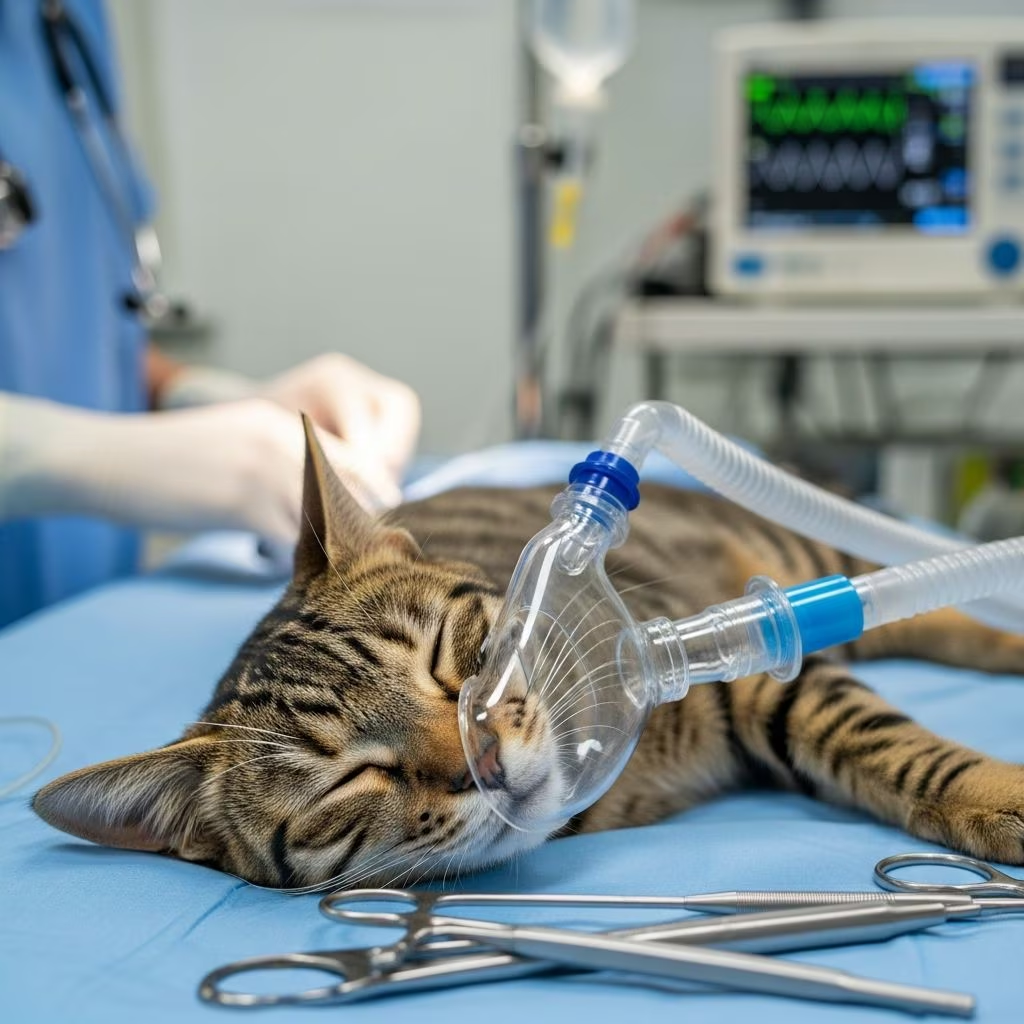
Understanding Anesthesia for Cats
Anesthesia is an essential component of modern veterinary medicine, allowing veterinarians to perform surgical and diagnostic procedures safely while preventing pain and discomfort in feline patients. Administered daily in veterinary hospitals across the country, anesthesia has become increasingly safer with the development of newer anesthetic agents and improved monitoring equipment. According to the American Veterinary Medical Association (AVMA), anesthesia is controlled unconsciousness designed to prevent pain and movement during medical procedures. While anesthesia does carry inherent risks, modern protocols and trained veterinary professionals have made it a generally safe procedure for cats of all ages and health statuses.
When a cat receives anesthesia, it undergoes controlled changes to normal body functions, including slower breathing, reduced heart rate, and decreased metabolism. The goal is to create a state where the cat cannot feel pain, move involuntarily, or remember the procedure. This is achieved through carefully selected medications administered by experienced veterinary teams who monitor the patient continuously throughout the process.
Why Anesthesia Is Used for Cats
Anesthesia serves multiple critical purposes in feline veterinary care. The primary reason is to enable surgical procedures that would otherwise cause pain and distress to the animal. Common procedures requiring general anesthesia include dental cleanings, spaying or neutering, tumor removal, wound care, and orthopedic surgeries. Additionally, anesthesia may be used for diagnostic imaging procedures, such as radiographs or ultrasounds, when the cat needs to remain completely still for extended periods. Some cats also require sedation or anesthesia for non-painful procedures where immobilization is necessary, such as bathing or grooming in anxious animals.
Beyond enabling procedures, anesthesia provides pain relief and prevents the animal from experiencing trauma during treatment. It also allows veterinarians to work more efficiently and safely, reducing procedural time and improving outcomes. For cats undergoing intensive procedures following accidents or injuries, anesthesia is essential for proper treatment and recovery.
Types of Anesthesia for Cats
Veterinarians have several anesthesia options available, each suited to different types of procedures and individual patient needs. The selection depends on the cat’s health status, age, the complexity of the procedure, and the expected duration of anesthesia.
Sedation
Sedation is the mildest form of anesthesia, used for procedures that don’t involve pain or when minimal restraint is needed. Sedative drugs such as acepromazine, midazolam, or dexmedetomidine are administered intramuscularly (IM), subcutaneously (SC), or intravenously (IV). Sedation helps lower anxiety and allows the cat to remain relatively conscious with retained reflexes. The cat is usually able to walk around and cannot be intubated during sedation. This type is ideal for diagnostic imaging, minor wound treatment, or situations where the cat simply needs to be calmed.
Immobilization
Immobilization involves drugs such as ketamine or telazol administered via IM, SC, or IV routes. These dissociative agents prevent the cat from walking, provide some pain relief, and prevent memory formation of the procedure. Immobilization is suitable for short procedures where the cat doesn’t require intubation. The cat remains partially conscious but immobilized and unable to experience or remember pain during the procedure.
Local Anesthetics
Local anesthetics, including lidocaine and bupivacaine, are applied directly to the skin, mouth, or epidural space to block pain in specific areas without affecting consciousness. These agents are particularly useful for minor procedures such as small tumor removal, wound treatment, tooth extractions, and assistance during birthing. Local anesthetics can also be combined with general anesthesia to provide additional pain relief and reduce swelling. It’s important to note that cats are more sensitive to local anesthetics than dogs, requiring approximately half the toxic dose.
General Anesthesia
General anesthesia produces complete unconsciousness and is the most commonly used type for major surgical procedures. It typically begins with injectable anesthetics such as alfaxalone or propofol administered intravenously, followed by maintenance with inhaled gases like sevoflurane or isoflurane. During general anesthesia, the cat is intubated—an endotracheal tube is placed in the windpipe to ensure the airway remains open and the lungs receive a steady supply of oxygen and anesthetic gas. The cat is then connected to an anesthesia machine that controls the depth and duration of unconsciousness. General anesthesia may be preceded by sedatives and pain medications to enhance safety and reduce the overall amount of medication needed.
Pre-Anesthetic Preparation and Assessment
Proper preparation before anesthesia is crucial for ensuring your cat’s safety during any procedure. The process begins well before the actual procedure date.
Pre-Operative Evaluation
Your veterinarian will conduct a thorough physical examination to assess your cat’s overall health and identify any potential risk factors. This includes checking heart and lung function, evaluating organ systems, and noting any existing health conditions. Blood work is mandatory before administering anesthesia to identify underlying organ issues, such as kidney or liver disease, that might affect how the body processes anesthetic drugs. These tests help your veterinarian determine if your cat is healthy enough for anesthesia and allow for any necessary adjustments to the anesthetic protocol.
Home Preparation
Before bringing your cat to the hospital for a procedure, your veterinarian will provide specific pre-operative instructions. Typically, you’ll be asked to withhold food for 8-12 hours before the procedure, as anesthesia can affect the swallowing reflex and increase the risk of vomiting. Water may also need to be withheld for a shorter period, usually 2-4 hours before arrival. Some veterinarians prescribe a calming medication or therapeutic preparation to give your cat at home prior to the procedure, which can be obtained about a week before the appointment. This helps reduce anxiety and makes the induction process smoother.
IV Catheter Placement
Once at the hospital, an intravenous (IV) catheter will be placed in your cat’s vein before anesthesia is administered. This catheter serves multiple critical functions: it provides a direct route for administering anesthetic drugs, fluids for maintaining hydration and blood pressure, and emergency medications if needed. The IV catheter ensures quick access to the bloodstream and reduces stress from repeated needle sticks.
The Anesthesia Process
Understanding what happens during anesthesia can help ease your concerns about the procedure.
Pre-Medication Phase
Before general anesthesia is induced, your cat receives a combination of sedative and analgesic (pain relief) medications. These pre-medications help calm the cat, reduce anxiety, and provide initial pain relief. This phase makes the transition to general anesthesia smoother and less stressful for the animal.
Induction and Intubation
After pre-medication, additional anesthetic medications are administered to induce unconsciousness. Your cat will gradually lose consciousness and will be unable to respond to stimuli. Once unconscious, the veterinarian will carefully insert an endotracheal tube into the windpipe. This tube ensures that the airway remains open and allows for controlled delivery of oxygen and anesthetic gas. The tube also prevents aspiration of stomach contents, which is an important safety feature.
Maintenance and Monitoring
Once intubated and positioned on the operating table, your cat is connected to the anesthesia machine and monitoring equipment. Throughout the procedure, the veterinary team continuously monitors critical vital signs including heart rate, respiratory rate, blood pressure, body temperature, oxygen levels, and carbon dioxide output. Many veterinarians use pulse oximeters to measure blood oxygen content and blood pressure monitors to ensure adequate circulation. The depth of anesthesia is assessed by checking reflexes, jaw tone, and mucous membrane color. An anesthesia specialist, or in smaller clinics a trained veterinary assistant, maintains constant vigilance over the patient’s stability and makes adjustments to the anesthetic level as needed.
Safety Measures and Risk Management
While anesthesia does carry inherent risks, modern protocols and equipment have made it a very safe procedure. Several measures are in place to minimize complications.
Individualized Anesthetic Protocols
Each cat receives an anesthetic protocol tailored to their individual needs and health status. Factors considered include age, weight, physical condition, medical history, and the complexity of the procedure. The veterinarian carefully selects appropriate drugs and dosages based on this information, ensuring the safest possible approach for that particular patient.
Continuous Monitoring
Full anesthetic monitoring ensures your cat remains safe throughout the procedure. Modern monitoring equipment tracks multiple parameters simultaneously, allowing the veterinary team to detect any problems early and respond immediately. This continuous oversight is one of the most important safety features in modern anesthesia.
Post-Operative Pain Management
After the procedure, your cat may be prescribed pain medications to manage discomfort during recovery. It’s essential to follow your veterinarian’s instructions regarding post-operative medications and never administer over-the-counter pain relievers such as aspirin, ibuprofen, or acetaminophen without explicit veterinary approval, as these can be toxic to cats.
Recovery From Anesthesia
Recovery from anesthesia is a gradual process that requires proper care and monitoring.
Immediate Post-Operative Period
Following the procedure, your cat will gradually regain consciousness as the anesthetic drugs wear off. Most cats are able to resume normal activities within about an hour after waking up, though some may feel groggy or disoriented for a bit longer. The endotracheal tube is removed once your cat begins to swallow and regain protective reflexes.
Post-Operative Care Instructions
Your veterinarian will provide specific instructions for caring for your cat at home after the procedure. This typically includes keeping your cat quiet and limiting activity for the first 24-48 hours, preventing licking or chewing at surgical sites, monitoring for any signs of complications, and administering prescribed medications as directed. Your cat may be kept at the facility for further observation if necessary, depending on the complexity of the procedure.
Frequently Asked Questions About Cat Anesthesia
Q: Is anesthesia safe for cats?
A: Yes, anesthesia is generally very safe for cats when administered by trained veterinarians using modern protocols and monitoring equipment. With newer, safer anesthetic agents and improved monitoring tools, the risk of serious complications is low. All licensed veterinarians are trained and qualified to administer anesthesia safely.
Q: What are the risks associated with cat anesthesia?
A: While anesthesia is safe, it does carry inherent risks, including potential complications from the drugs themselves, respiratory issues, or reactions specific to individual cats. However, pre-operative blood work and physical examinations help identify cats at higher risk, allowing veterinarians to adjust protocols accordingly.
Q: Do older cats need different anesthesia?
A: Yes, older cats may require modified anesthetic protocols. Your veterinarian will consider your cat’s age and overall health when selecting anesthetics. Pre-operative blood work is especially important in senior cats to ensure they are healthy enough for anesthesia.
Q: Can my cat eat before anesthesia?
A: No, your cat should not eat for 8-12 hours before anesthesia to reduce the risk of vomiting and aspiration. Your veterinarian will provide specific fasting instructions for your cat’s procedure.
Q: How long does anesthesia take to wear off?
A: Most cats can resume normal activities within an hour after the procedure, though some may feel groggy or disoriented for a bit longer. Complete recovery varies depending on the type and duration of anesthesia used.
Q: What should I watch for after my cat comes home?
A: Monitor your cat for excessive drowsiness, difficulty breathing, vomiting, or any signs of pain or infection at surgical sites. Contact your veterinarian immediately if you notice any concerning symptoms or if your cat doesn’t seem to be recovering normally.
References
- Anesthesia for Cats: What Is It, and Why Is It Used? — PetMD. Accessed November 28, 2025. https://www.petmd.com/cat/procedure/anesthesia-for-cats
- Anesthesia — Cornell University College of Veterinary Medicine. Accessed November 28, 2025. https://www.vet.cornell.edu/departments-centers-and-institutes/cornell-feline-health-center/health-information/feline-health-topics/anesthesia
- 2020 AAHA Anesthesia and Monitoring Guidelines for Dogs and Cats — American Animal Hospital Association. 2020. https://www.aaha.org/wp-content/uploads/globalassets/02-guidelines/2020-anesthesia/anesthesia_and_monitoring_guidelines_final.pdf
- 2018 AAFP Feline Anesthesia Guidelines — American Association of Feline Practitioners. 2018. https://catvets.com/resource/anesthesia-guidelines/
- Small Animal Local and Regional Anesthesia — University of Illinois College of Veterinary Medicine. 2016. https://vetmed.illinois.edu/wp-content/uploads/2016/09/75.-Keating-Local-and-Regional-Anesthesia-in-Small-Animals.pdf



