

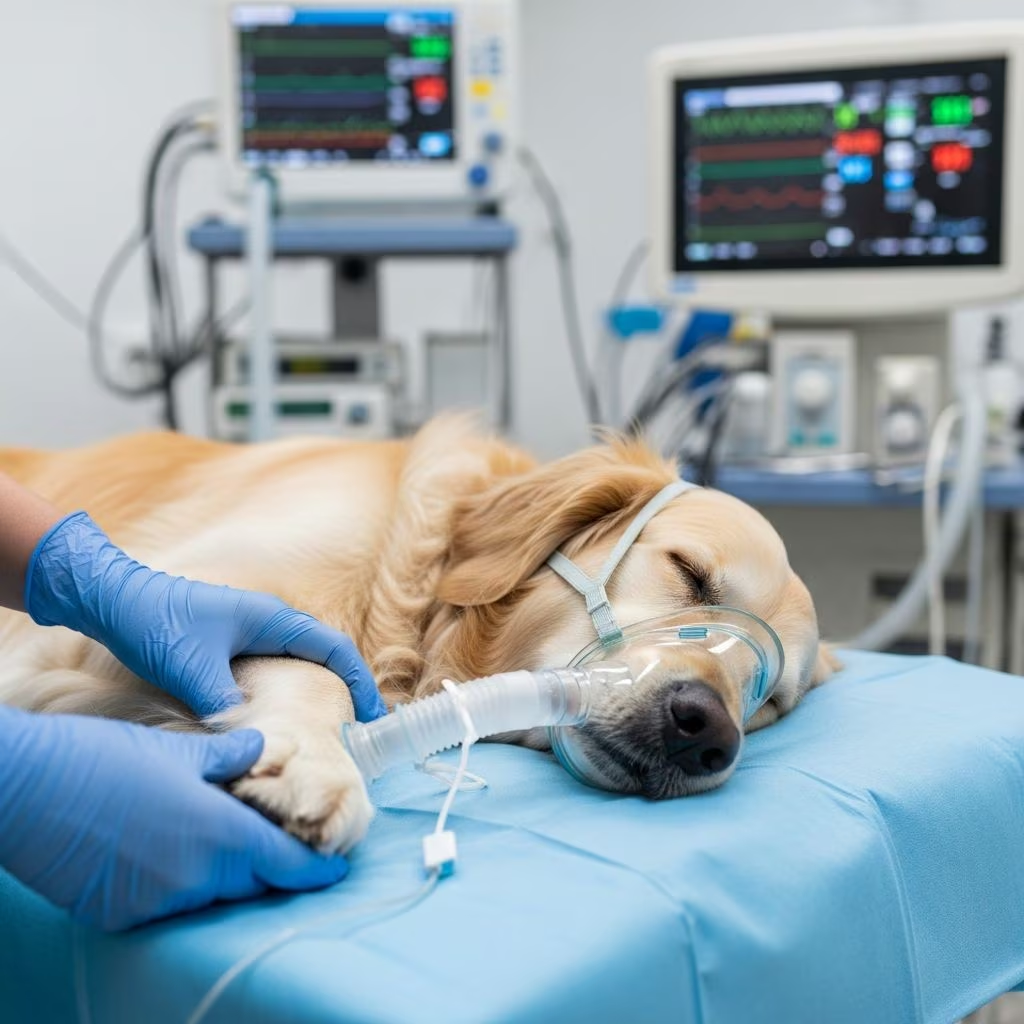
When a dog requires surgical intervention or diagnostic procedures, anesthesia becomes necessary. However, for dogs with a history of seizures or epilepsy, the prospect of general anesthesia raises legitimate concerns for pet owners. The relationship between anesthetic agents and seizure activity is complex, involving multiple pharmacological mechanisms that can either suppress or trigger abnormal neurological events. Understanding this connection empowers owners to make informed decisions and collaborate effectively with veterinarians to ensure their pets’ safety during medical procedures.
The Fundamental Link Between Anesthesia and Seizure Potential
Anesthetic-induced seizures or convulsive episodes represent a documented but infrequent complication in veterinary medicine. The underlying mechanism involves how various anesthetic drugs interact with the central nervous system, particularly through their effects on neurotransmitter systems that regulate neuronal excitability. Some medications used during anesthesia can lower the threshold at which seizures occur, making animals more susceptible to abnormal electrical activity in the brain.
Research has demonstrated that different anesthetic compounds produce varying effects on seizure susceptibility. While some medications may heighten seizure risk, others possess protective qualities that can actually prevent seizure activity. This variability underscores the importance of selecting appropriate anesthetic protocols tailored to each individual animal’s neurological status.
Medications That Increase Seizure Risk
Certain classes of drugs commonly used in veterinary anesthesia should be approached with caution or avoided entirely in dogs with seizure histories. Understanding these medications helps owners advocate for their pets and discuss alternatives with their veterinary team.
Phenothiazine Tranquilizers
Acepromazine, a phenothiazine derivative frequently used for sedation and premedication, has been shown to lower seizure thresholds in dogs. Research indicates that aliphatic phenothiazines such as chlorpromazine can reduce seizure threshold substantially, with studies showing that rapid intravenous injection of chlorpromazine induced electroencephalographic changes in the majority of tested dogs and precipitated seizures in some animals. While acepromazine doses used in clinical practice are significantly lower than those studied with chlorpromazine, the potential risk remains a consideration in epileptic dogs.
Ketamine
Ketamine presents a particular challenge in anesthetic protocols for seizure-prone dogs. The anesthetic dose of ketamine in dogs sits dangerously close to the dose that can trigger seizures, and the drug is associated with increased muscle rigidity that can complicate seizure management. Consequently, ketamine should be avoided in dogs with documented seizure disorders or epilepsy.
Medications with Complex or Mixed Effects
The relationship between certain anesthetic agents and seizure activity is not straightforward, as some medications demonstrate paradoxical properties that require careful consideration.
Propofol: A Drug with Dual Actions
Propofol presents an interesting case of pharmacological complexity. Despite possessing depressant effects on the central nervous system through GABA, glutamate, and aspartate mechanisms, and despite being successfully used as an anticonvulsant in both human and veterinary patients, propofol has been associated with abnormal motor activity in dogs. Studies report that abnormal motor activity occurs in conjunction with propofol use in 7.5 to 25 percent of cases, with clinical signs including tremor, tics, muscular rigidity, swimming movements, and eye abnormalities. This paradoxical effect likely reflects the drug’s complex interaction with multiple neurological pathways. When propofol is used in dogs with seizure histories, careful monitoring remains essential, though the drug’s anticonvulsant properties may ultimately provide a net protective effect when properly managed.
Volatile Anesthetic Agents
Inhalation anesthetics demonstrate variable effects on seizure potential depending on the specific agent employed. Enflurane is known to produce electroencephalographic changes and clinical signs of abnormal muscular activity in dogs, suggesting a potential proconvulsant effect. In contrast, sevoflurane has not been found to induce seizure activity, making it a safer choice for volatile anesthesia in seizure-prone dogs. Isoflurane occupies a middle ground and is considered to possess neuronal protective properties.
Safe Anesthetic Protocols for Seizure-Prone Dogs
Developing appropriate anesthetic protocols for dogs with seizure disorders requires careful drug selection and comprehensive planning. Veterinarians who understand the seizure-modulating properties of various agents can create protocols that minimize risk while maintaining effective anesthesia.
Recommended Medication Combinations
Evidence-based protocols typically emphasize certain medication classes while avoiding others. Benzodiazepines such as diazepam and midazolam are considered neurologically protective and should be incorporated into premedication and maintenance protocols when possible. Opioids provide analgesia and sedation while maintaining favorable effects on seizure threshold. Propofol can serve as an induction agent in most cases, as its net anticonvulsant properties often outweigh concerns about motor activity when the drug is properly dosed and monitored.
For maintenance of anesthesia, isoflurane is preferred over other volatile agents due to its neuroprotective characteristics, with diazepam and midazolam providing additional seizure protection.
Addressing Critical Physiological Factors
Beyond medication selection, maintaining optimal physiological conditions during anesthesia significantly impacts seizure risk. The two primary concerns during anesthesia in seizure-prone dogs are blood pressure maintenance and preservation of seizure threshold.
Blood pressure control directly affects cerebral perfusion, which depends on mean arterial blood pressure. Hypotension during anesthesia can compromise blood flow to the brain, increasing seizure susceptibility independently of anesthetic drug effects. Maintaining normal carbon dioxide levels is also important, as abnormal blood gas values can increase seizure risk.
Pre-Anesthetic Considerations and Planning
Successful anesthetic management of seizure-prone dogs begins well before the procedure itself. Comprehensive communication between pet owners and veterinarians establishes the foundation for safe anesthesia.
Medication History Assessment
Dogs receiving chronic anti-seizure medications present unique challenges during anesthesia. These animals often require reduced doses of anesthetic drugs, and recovery may be prolonged due to drug interactions and altered metabolism. Veterinarians must account for ongoing anticonvulsant therapy when calculating anesthetic dosing.
Discussing Protocol Options
While reasonable requests regarding avoidance of specific drugs like acepromazine and ketamine can be accommodated, it remains unsafe to insist that veterinarians use anesthetic protocols unfamiliar to them. Instead, owners should discuss their preferences and concerns, allowing the veterinarian to design a protocol that both meets the patient’s needs and falls within the veterinarian’s area of expertise and comfort.
What the Research Tells Us About Safety
Perhaps the most reassuring finding from veterinary literature is that anesthesia itself is not contraindicated in dogs with seizure disorders. In fact, in extreme cases where seizures cannot be controlled through medication, inhalation anesthesia may be necessary to stop active seizure activity. When appropriate protocols are followed, dogs with seizure histories can be safely anesthetized for necessary procedures including dental prophylaxis, surgical interventions, and diagnostic imaging.
The key distinction lies in protocol selection and careful monitoring rather than avoidance of anesthesia altogether. Multiple studies have demonstrated that dogs with chronic seizure disorders do not automatically face increased anesthetic risk when the procedure is properly planned and executed.
Emergency Seizure Management During Anesthesia
Despite careful planning, seizure activity may occasionally occur during anesthesia. Veterinarians are equipped with rapid-response strategies to address this complication. Benzodiazepines and barbiturates can effectively terminate convulsions when administered promptly. Following resolution of the seizure event, discontinuation of the triggering anesthetic and transition to a safer protocol allows completion of necessary procedures when feasible.
In cases where status epilepticus develops, inhalation anesthesia itself becomes the therapeutic intervention, with constant monitoring essential throughout the procedure.
Frequently Asked Questions
Is anesthesia dangerous for dogs with epilepsy?
When appropriate protocols are selected and carefully monitored, anesthesia is not inherently dangerous for epileptic dogs. However, certain drug choices carry increased risk, making protocol selection crucial.
Which anesthetics should my epileptic dog avoid?
Dogs with seizure histories should avoid ketamine and phenothiazine tranquilizers like acepromazine. Enflurane should be avoided as a volatile anesthetic in favor of isoflurane or sevoflurane.
Can anesthesia stop my dog’s seizures?
In severe cases where seizures cannot be controlled medically, anesthesia may be used therapeutically to stop active seizure activity and prevent progression to status epilepticus.
What should I tell my veterinarian before my dog’s procedure?
Provide complete information about your dog’s seizure history, current anticonvulsant medications, frequency and severity of seizures, and any previous anesthetic experiences. Discuss your preferences regarding specific drugs while trusting your veterinarian’s expertise in protocol design.
Will my dog’s recovery be delayed due to seizure medications?
Yes, dogs receiving chronic anticonvulsant therapy often experience prolonged recovery from anesthesia due to drug interactions and altered medication metabolism. This is normal and expected and does not indicate a problem.
Moving Forward: Collaboration and Communication
The safest outcomes for dogs with seizure disorders undergoing anesthesia result from strong collaboration between informed pet owners and experienced veterinarians. By understanding the pharmacology of anesthetic agents, maintaining open communication about concerns and preferences, and trusting the veterinarian’s expertise in protocol selection, owners can feel confident that their pets receive appropriate care. Modern veterinary anesthesia has advanced considerably, providing numerous options for safely anesthetizing dogs with complex medical histories, including those prone to seizures.
References
- Abnormal motor activity during anaesthesia in a dog: a case report — National Center for Biotechnology Information / PMC. 2011. https://pmc.ncbi.nlm.nih.gov/articles/PMC3003231/
- Anesthesia for patients with neurologic disease — DVM 360 / Veterinary Information Network. 2024. https://www.dvm360.com/view/anesthesia-patients-with-neurologic-disease-proceedings
- Anesthesia for patients with seizure disorders — Barnes Veterinary Neurology. 2024. https://barnesveterinaryservices.com/new-blog/tag/anesthesia+for+seizures
- Anticonvulsants for Emergency Treatment of Seizures in Dogs and Cats — Merck Veterinary Manual. 2024. https://www.merckvetmanual.com/pharmacology/systemic-pharmacotherapeutics-of-the-nervous-system/anticonvulsants-for-emergency-treatment-of-seizures-in-dogs-and-cats
- Canine Epilepsy and Anesthesia — Canine Seizures Resource. 2024. http://www.canine-seizures.freeservers.com/anesthesia.htm
- Seizure Management for the Small Animal Practitioner — Auburn University College of Veterinary Medicine. 2018. https://www.vetmed.auburn.edu/wp-content/uploads/2018/09/Seizure-Management.pdf
- Canine & Feline Anesthesia — Western University College of Veterinary Medicine. 2018. https://www.westernu.edu/mediafiles/veterinary/vet-anesthesia-analgesia/canine-feline-anesthesia.pdf



