

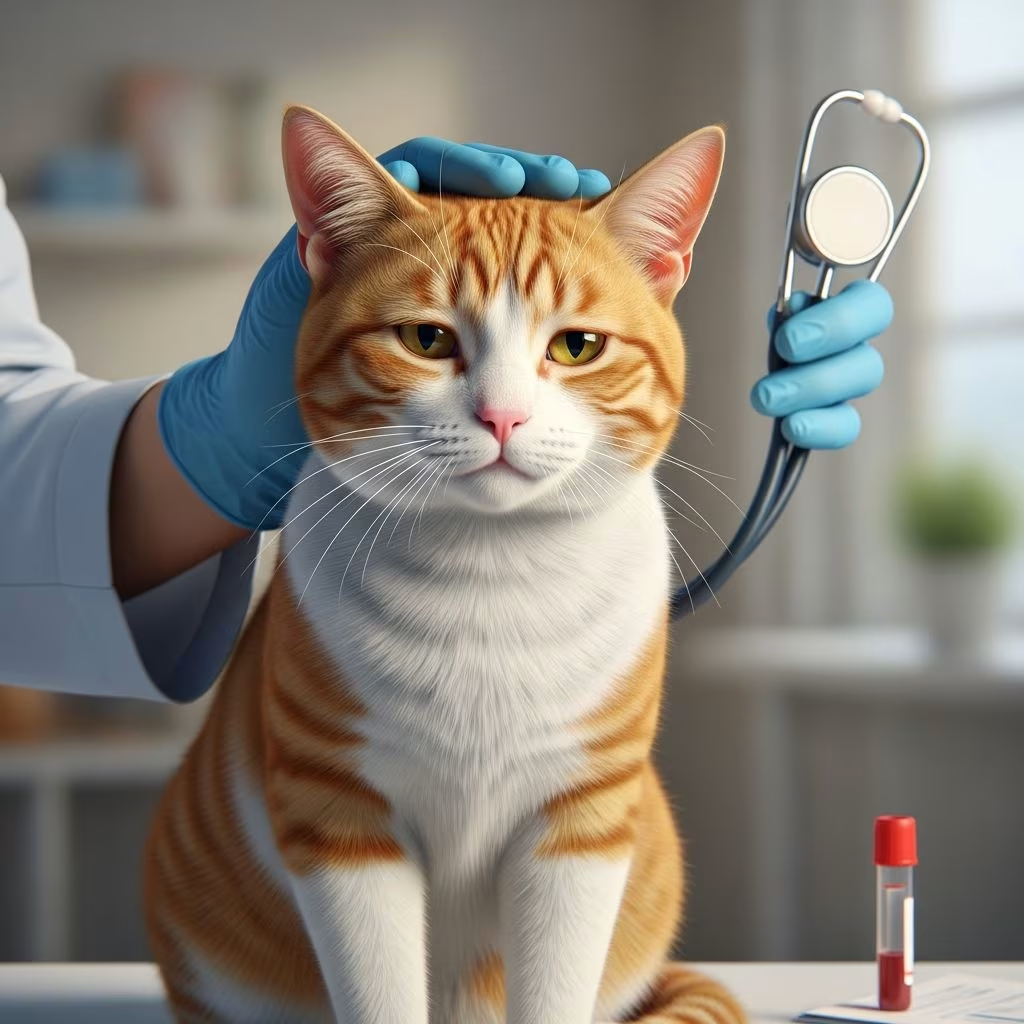
Red blood cells transport oxygen throughout a cat’s body, making anemia—a condition where these cells drop below normal levels—a serious threat that leaves felines weak and breathless. Early detection through vigilant observation and veterinary intervention can reverse this potentially fatal disorder, restoring a cat’s energy and quality of life.
Understanding the Role of Red Blood Cells in Feline Health
Healthy cats maintain robust red blood cell counts to fuel muscles, organs, and brain function with oxygen. When anemia strikes, tissues starve, prompting compensatory mechanisms like faster breathing and heart rates. This imbalance disrupts daily activities, from playful pounces to quiet grooming sessions.
Veterinarians classify anemia based on the bone marrow’s response: regenerative types show the body fighting back with young cells, while non-regenerative forms indicate suppressed production. Recognizing these distinctions guides precise care plans.
Main Types of Anemia Affecting Cats
Cats face distinct anemia categories, each tied to unique triggers and recovery potentials.
Regenerative Anemia: The Body’s Recovery Attempt
This form arises from acute blood loss or red cell destruction, where the bone marrow ramps up production, releasing immature cells detectable in blood tests. Younger cats often suffer from parasites or injuries, allowing natural regeneration if the source stops.
Non-Regenerative Anemia: Production Shutdown
Here, the marrow fails to replenish cells, commonly linked to chronic conditions like kidney disease, where hormone shortages halt erythropoiesis. Older felines predominate, requiring targeted therapies to revive output.
Autoimmune Hemolytic Anemia: Self-Attack
The immune system mistakenly targets red cells, causing rapid breakdown and jaundice. Triggers include infections, drugs, or cancers, demanding swift immunosuppression alongside supportive measures.
Primary Causes Behind Feline Anemia
| Type of Cause | Examples | Common Impact |
|---|---|---|
| Blood Loss | Trauma, ulcers, tumors, hookworms | Acute regenerative anemia |
| Red Cell Destruction | Mycoplasma, toxins (onions, zinc), FeLV | Hemolytic crisis with jaundice |
| Production Failure | Kidney failure, bone marrow suppression, nutrition gaps | Chronic non-regenerative |
| Immune-Mediated | Vaccines, chronic infections, cancer | Severe hemolysis |
Blood loss from fleas devastates kittens, siphoning vital volume until gums pale. Toxins like garlic oxidize cells, while kidney decline starves marrow of signals. Parasites and viruses compound risks in strays.
Recognizing Warning Signs in Your Cat
Symptoms vary by severity and cause but cluster around oxygen deprivation. Watch for:
- Lethargy and reluctance to move, signaling energy crashes
- Pale or yellowish gums, direct anemia markers
- Rapid breathing or panting at rest
- Loss of appetite, worsening the cycle
- Weakness, jaundice, or cold intolerance
Underlying issues amplify signs: cancer may add weight loss, infections fever. Sudden collapse demands emergency care, as regenerative crises can flip to irreversible.
How Veterinarians Diagnose Anemia
Blood work forms the cornerstone, revealing packed cell volume (PCV) below 25-30% in cats. Reticulocyte counts differentiate regenerative from non-regenerative. Smears spot parasites or abnormal cells.
Further probes include bone marrow biopsies for production faults, imaging for tumors, and tests for FeLV/FIV. Coagulation panels rule out clotting disorders.
Comprehensive Treatment Strategies
Care targets the root while stabilizing the patient. Severe cases start with transfusions to boost oxygen delivery, followed by cause-specific interventions.
- Blood Loss: Surgery for tumors, deworming for parasites, fluids for hydration
- Hemolysis: Immunosuppressants like steroids, antibiotics for infections
- Non-Regenerative: Erythropoietin analogs for kidney-linked cases, iron/vitamin supplements
- Supportive: Appetite stimulants, oxygen therapy, gastroprotectants
Monitoring post-treatment tracks PCV recovery, adjusting as needed. Chronic management demands lifelong vigilance.
Steps for Prevention and Long-Term Management
Proactive routines curb risks: monthly flea preventives shield kittens, balanced diets supply iron and B12. Vaccinate against FeLV, test carriers.
Annual blood panels catch brewing issues in seniors. Avoid toxins—secure pennies, onions. For kidney-prone breeds, early screenings preserve marrow function.
Frequently Asked Questions About Cat Anemia
Can Anemia Resolve Without Vet Care?
Mild cases from fleeting parasites might self-correct, but most progress fatally without intervention. Prompt diagnosis saves lives.
Is Anemia Contagious Between Cats?
No, but shared parasites or FeLV transmission heightens household risks. Isolate and test.
How Long Does Recovery Take?
Weeks for regenerative types post-treatment; months for chronic non-regenerative with ongoing therapy.
Can Diet Alone Fix Anemia?
Nutritional boosts aid mild deficiencies, but blood loss or marrow failure need medical fixes first.
What Breeds Are Prone?
No breed specificity, but seniors and outdoor cats face elevated odds from cumulative exposures.
Real-Life Recovery Stories and Tips
Many cats rebound fully: a flea-burdened kitten transfused and dewormed races again within days. Kidney patients on darbepoetin maintain playfulness for years. Owners succeed by noting gum color weekly and reporting changes swiftly.
Enhance outcomes with high-quality protein feeds, stress reduction, and routine checkups. Your attentiveness turns potential tragedy into triumph.
References
- Anemia in Cats – Cat Owners – Merck Veterinary Manual — Merck Veterinary Manual. 2023. https://www.merckvetmanual.com/cat-owners/blood-disorders-of-cats/anemia-in-cats
- Anemia in Cats: Causes, Treatment & Prevention – Hill’s Pet Nutrition — Hill’s Pet Nutrition. 2023. https://www.hillspet.com/cat-care/healthcare/anemia-in-cats
- Anemia in Cats: Signs, Symptoms and Treatments — Northeast Veterinary Referral Hospital. 2021-03-15. https://www.northeast-vet.com/site/pet-care-blog-plains-vet/2021/03/15/anemia-in-cats-signs-symptoms-and-treatments
- Feline non-regenerative anemia: Diagnostic and treatment — PMC (PubMed Central). 2024. https://pmc.ncbi.nlm.nih.gov/articles/PMC10814193/
- Anemia in Cats: Types, Symptoms & Treatment — Five Oaks Animal Hospital. 2021-11-15. https://www.fiveoaksah.com/site/blog/2021/11/15/anemia-cats-types-symptoms-treatment
- Anemia in Cats | PetMD — PetMD. 2023. https://www.petmd.com/cat/conditions/cardiovascular/anemia-in-cats
- Anemia in Cats | VCA Animal Hospitals — VCA Animal Hospitals. 2023. https://vcahospitals.com/know-your-pet/anemia-in-cats



