

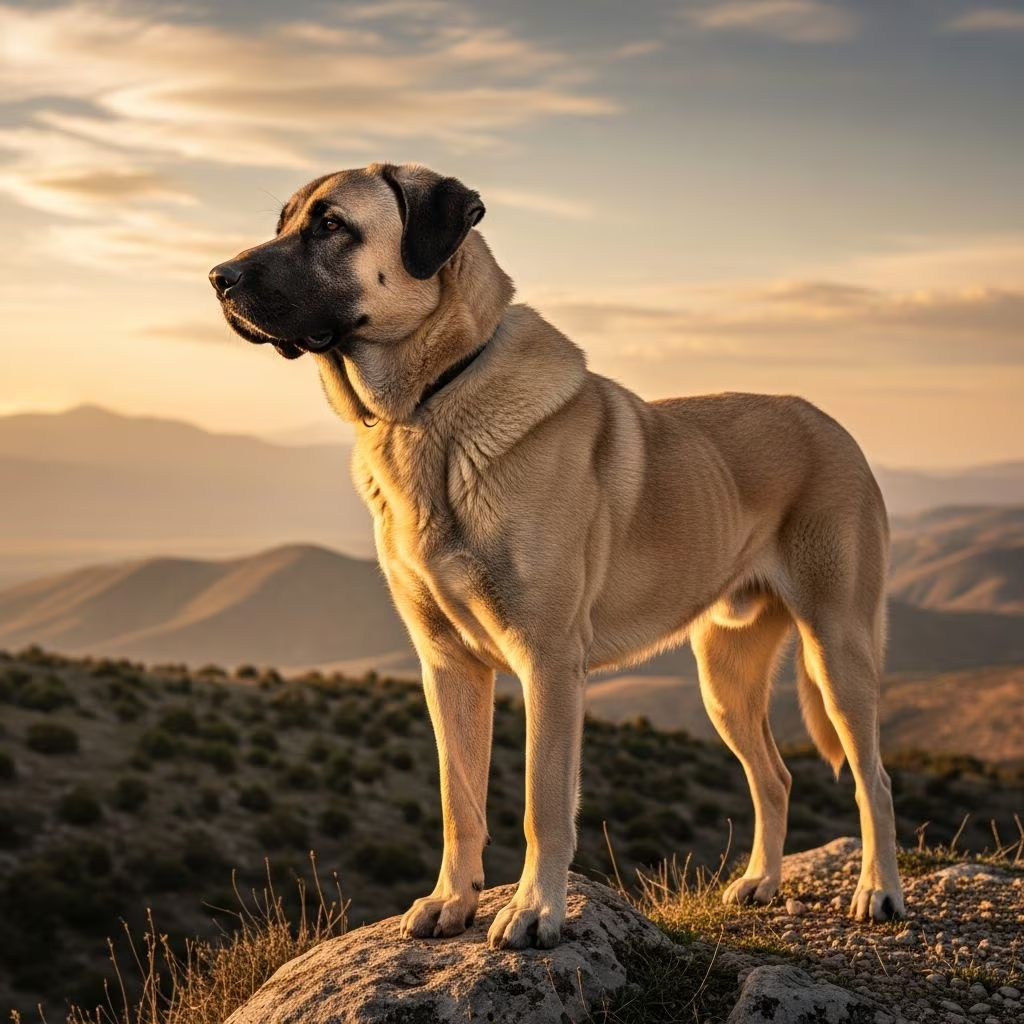
The Anatolian Shepherd Dog stands as a monumental figure among working breeds, embodying thousands of years of selective breeding for unyielding protection. Originating from the rugged landscapes of Turkey, this breed has served as a steadfast defender of livestock against predators for over 4,000 years. Its imposing stature, sharp intellect, and innate territorial drive make it more than a pet—it’s a living fortress for farms, ranches, and discerning families.
Historical Roots and Evolution
Deeply embedded in Anatolian culture, these dogs trace their lineage to ancient mastiff-type guardians used by nomadic shepherds in Asia Minor. Turkish villagers revered them for their ability to patrol vast territories independently, warding off wolves, bears, and other threats without human intervention. Unlike herding dogs that direct flocks, Anatolians bond with livestock as family, positioning themselves as silent sentinels.
In modern times, their role has expanded beyond Turkey’s plains to American farms and homes. Recognized by major kennel clubs, including the American Kennel Club (AKC), they entered the Working Group for their athletic prowess and decision-making skills. This evolution highlights their adaptability while preserving core guardian instincts.
Physical Characteristics and Breed Standards
Anatolian Shepherds are built for endurance and intimidation. Males typically reach 29-30 inches at the shoulder and weigh 110-150 pounds, while females stand 27-29 inches tall and weigh 80-120 pounds. Their heavy-boned, muscular frames convey power without bulkiness, allowing swift movement across open terrain.
The head is large and strong, with a slightly rounded skull, rectangular muzzle, and almond-shaped eyes in shades of dark brown to amber. V-shaped ears, often cropped short in their native region, hang close to the skull. A thick, slightly arched neck supports a level topline and deep chest that extends to the elbows.
| Trait | Male | Female |
|---|---|---|
| Height | 29-30 inches | 27-29 inches |
| Weight | 110-150 lbs | 80-120 lbs |
| Lifespan | 11-13 years | 11-13 years |
Coat variations include short and rough (longer) types, both featuring a thicker mane around the neck, feathering on legs, ears, and tail. Colors range widely—white, brindle, black, brown, or pinto—with black masks common on lighter coats. This versatility suits diverse climates, though the rough coat offers superior cold-weather protection.
Temperament and Behavioral Profile
Renowned for loyalty and composure, Anatolians form profound bonds with their “flock,” be it livestock, family, or pets. They exude calm confidence indoors but transform into agile defenders outdoors, patrolling boundaries with vigilance. Territorial by nature, they reserve warmth for trusted humans and view strangers warily, preferring formal introductions.
- Protective Instinct: Rated 5/5; they assess threats independently and bark deeply to deter intruders before escalating.
- Trainability: 2/5; intelligent yet stubborn, responding best to firm, motivational methods from confident leaders.
- Energy Level: Moderate (3/5); thrives on purposeful activity like yard patrols rather than high-intensity play.
- Sociability: Good with children (3/5) if raised together, but their size risks accidental knocks; cautious with other dogs (3/5) and strangers (1/5).
These dogs bark frequently at night to maintain territory, a trait suiting rural settings over urban apartments. Early socialization curbs excessive suspicion, fostering a balanced guardian.
Training and Socialization Essentials
Success with an Anatolian demands experienced ownership. Their independent mindset—honed for solo livestock protection—resists traditional obedience drills. Instead, employ positive reinforcement, consistency, and leadership to channel instincts positively.
Begin socialization in puppyhood: expose them to diverse people, animals, and environments. Obedience training should emphasize commands like “leave it” and reliable recalls, vital for their roaming tendencies. Never use harsh corrections; they respond to praise and are sensitive to tone.
- Puppy classes for basic manners and exposure.
- Secure fencing (at least 6 feet high) to contain their patrol urges.
- Leash walks to prevent confrontations; off-leash only in enclosed areas.
Mature Anatolians self-train for protection—no need for specialized guard courses—but leadership prevents dominance issues. A handler radiating calm authority ensures the dog views humans as pack leaders.
Health and Wellness Considerations
Robust genetics contribute to a 11-13 year lifespan with few hereditary issues. However, vigilance against breed-specific concerns is key.
- Hip and Elbow Dysplasia: Common in large breeds; maintain ideal weight and use joint supplements.
- Bloat (GDV): Feed smaller meals multiple times daily; avoid exercise post-eating.
- Ear Infections: Clean drop ears regularly, especially in rough-coated dogs.
- Other Risks: Hypothyroidism, eyelid entropion; annual vet checks recommended.
Pet insurance proves invaluable for proactive care, covering diagnostics, surgeries, and preventive treatments amid high costs for giants.
Grooming and Daily Care Routines
Low-maintenance coats require weekly brushing to manage shedding (moderate, 3/5). Rough coats need more attention during seasonal blows. Bathe sparingly to preserve natural oils; nails trim monthly, and dental hygiene prevents tartar buildup.
Exercise suits their moderate energy: 30-60 minute walks or free roam in secure yards suffice. Mental stimulation via scent work or patrol tasks keeps them fulfilled. Nutrition demands high-quality large-breed formulas, portioned to prevent obesity—up to 4-6 cups daily, split into meals.
Living Environment and Family Fit
Best suited to spacious rural or suburban homes with yards, Anatolians falter in apartments due to barking and space needs. They tolerate cold well but prefer shelter from extreme heat. Families with older, dog-savvy children thrive; supervise toddlers closely.
Compatible with livestock or farm life, they integrate other pets if introduced young. Not ideal for novice owners or multi-dog homes without management.
Pros and Cons of Ownership
| Pros | Cons |
|---|---|
| Exceptional protector | Requires experienced handler |
| Low grooming needs | High barking potential |
| Long lifespan, hardy health | Large size limits housing options |
| Loyal and affectionate with family | Stubborn training challenges |
Frequently Asked Questions (FAQs)
Are Anatolian Shepherds good family dogs?
Yes, with older children and proper training; their protective nature suits families but demands supervision due to size.
How much exercise do they need?
Moderate: daily walks and yard access meet requirements without overexertion.
Do they get along with other pets?
Often, if socialized early; they view cats or smaller dogs as flock members.
What’s the best way to train stubbornness?
Use positive, firm methods emphasizing leadership from puppyhood.
Are they hypoallergenic?
No, moderate shedding occurs year-round.
Choosing and Bringing Home an Anatolian Shepherd
Select breeders prioritizing health testing (hips, elbows, eyes) via OFA or PennHIP. Rescues offer mature dogs suited to guardianship. Prepare with fencing, training commitment, and space. Puppies arrive bold yet trainable; adults bring honed instincts.
In summary, the Anatolian Shepherd rewards dedicated owners with unwavering devotion and security. Their ancient legacy endures in modern roles, bridging pastoral past and contemporary companionship.
References
- Anatolian Shepherd Dog Facts — Wisdom Panel. 2023. https://www.wisdompanel.com/en-us/dog-breeds/anatolian-shepherd-dog
- Anatolian Shepherd Dog — Westminster Kennel Club. 2024. https://www.westminsterkennelclub.org/breed/anatolian-shepherd-dog/
- Anatolian Shepherd Dog Breed Information and Pictures — Dog Breed Info. 2023. https://www.dogbreedinfo.com/anatolianshepherd.htm
- Anatolian Shepherd – Dog Breed Health and Care — PetMD. 2025-01-15. https://www.petmd.com/dog/breeds/anatolian-shepherd
- Anatolian Shepherd Dog Dog Breed Information — American Kennel Club (AKC). 2024. https://www.akc.org/dog-breeds/anatolian-shepherd-dog/



