

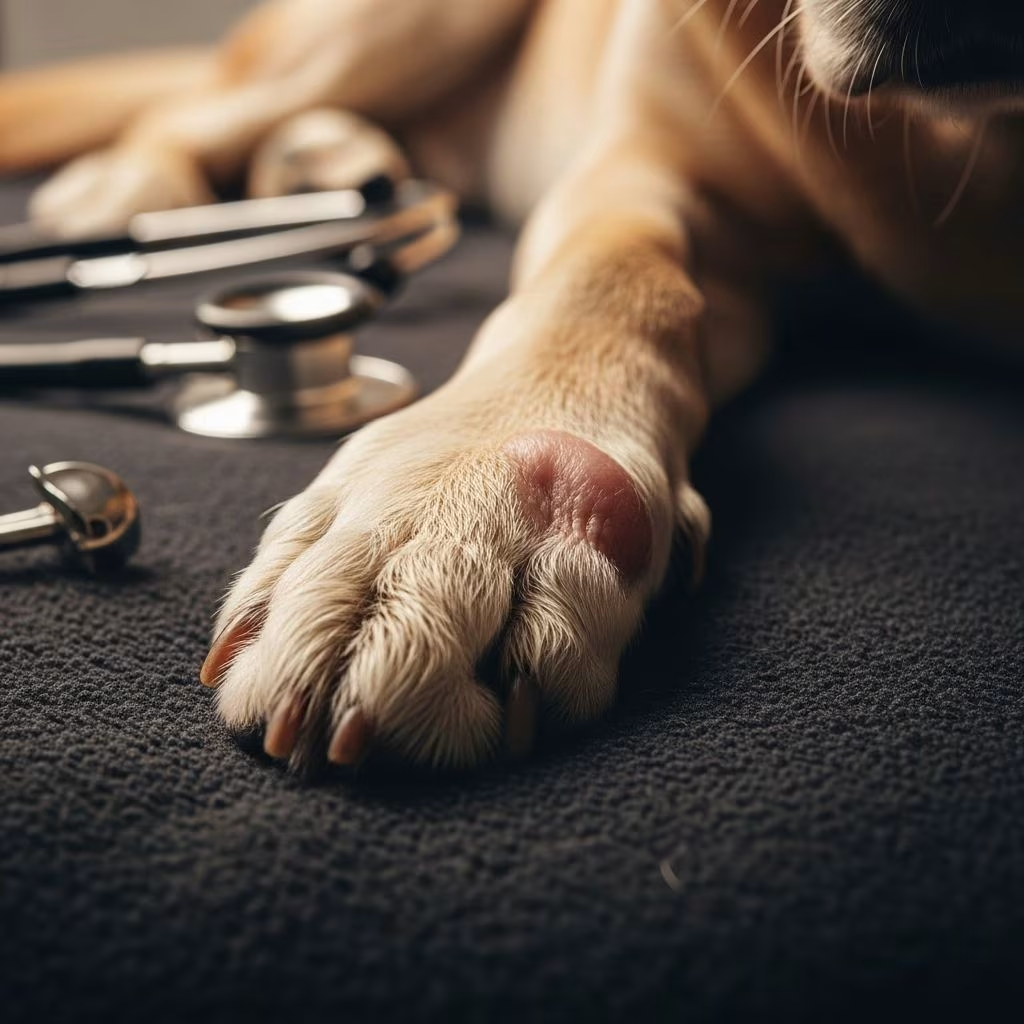
Generalized edema known as anasarca represents a grave health challenge in veterinary medicine, characterized by excessive fluid retention throughout the body of dogs, cats, and other animals. This condition demands immediate attention to mitigate risks to vital organs and improve survival rates.
Defining Anasarca and Its Impact on Animals
Anasarca occurs when fluid accumulates abnormally in subcutaneous tissues, leading to pronounced swelling across the body. Unlike localized edema, this form affects multiple areas, often the limbs, abdomen, and face, creating a puffy, taut appearance. In pets, it signals disruptions in fluid balance regulated by proteins, blood vessels, and organs like the heart and kidneys.
The severity varies: mild cases might resolve with supportive care, while advanced stages impair breathing, mobility, and organ function. Neonatal puppies, particularly in certain breeds, face heightened vulnerability, earning it the moniker ‘water puppy syndrome.’
Primary Causes Behind Fluid Accumulation
Several factors contribute to anasarca in animals. Understanding these roots is essential for targeted interventions.
- Hypoproteinemia: Low blood protein levels, often from liver disease, kidney disorders, or protein-losing enteropathies, reduce oncotic pressure, allowing fluid to leak into tissues.
- Cardiac Issues: Right-sided heart failure elevates venous pressure, promoting fluid seepage.
- Inflammatory Conditions: Vasculitis, severe allergies, or infections damage vessel walls, exacerbating leakage.
- Trauma and Overload: Heat stroke, injuries, or excessive IV fluids overwhelm the system’s capacity.
- Oncologic Factors: Tumors or cancer treatments disrupt lymphatic drainage or protein synthesis.
- Congenital Defects: In puppies, genetic malformations or birth complications like prolonged labor contribute, especially in brachycephalic breeds.
While environmental influences like high-sodium diets are speculated by some breeders, scientific consensus lacks robust evidence linking them directly.
Recognizing Symptoms in Puppies and Adult Pets
Early detection hinges on spotting distinctive signs. In pregnant dams, precursors may include unusual weight gain, teat edema, or mammary swelling, though these lack confirmatory data.
Puppy-Specific Indicators:
- Rubber-like, bloated skin with distorted facial features.
- Flat chest, splayed legs, and swollen abdomen or limbs.
- Respiratory distress from pleural fluid.
- Lethargy and failure to thrive.
Adult Animal Signs:
- Gravity-dependent pitting edema in legs, belly, and scrotum.
- Non-painful swelling unless infected.
- Rapid weight gain without dietary changes.
- Weakness or exercise intolerance.
| Stage | Common Symptoms | Severity Level |
|---|---|---|
| Mild | Localized limb swelling, mild lethargy | Good prognosis with care |
| Moderate | Abdominal distension, breathing issues | Requires hospitalization |
| Severe | Generalized bloating, organ compromise | Guarded, often fatal |
Diagnostic Strategies for Accurate Identification
Veterinarians employ a multi-step approach to pinpoint anasarca’s origin.
- Physical Examination: Assess swelling type (pitting vs. non-pitting) and vital signs.
- Blood Analysis: Check protein levels, electrolytes, kidney/liver panels.
- Imaging: X-rays for thoracic/abdominal views, ultrasound for organ evaluation, echocardiography for heart function.
- Advanced Tests: Oncotic pressure measurement, ECG, or biopsies for malignancies.
These confirm underlying pathologies, ruling out mimics like simple allergic reactions.
Treatment Protocols: From Supportive to Advanced
Management prioritizes cause correction alongside symptom relief. No universal cure exists; outcomes depend on etiology and timeliness.
Core Therapies:
- Diuretics: Furosemide (Lasix) promotes urine output, reducing fluid overload. Monitor electrolytes closely.
- Protein Supplementation: IV albumin for hypoproteinemia cases.
- Underlying Cause Treatment: Antibiotics for infections, chemotherapy for cancers, hormone therapy for endocrine issues.
Puppy Care Specifics:
- Elevate head/neck for airway patency.
- Stimulate urination manually.
- Maintain warmth and monitor vitals.
- Mild cases may normalize in 1-4 hours; severe ones warrant humane euthanasia.
Supportive Measures:
- Nutritional support for protein rebuilding.
- Skin care to prevent ulcers.
- Compression or dialysis in refractory cases.
Prognosis and Long-Term Management
Prognosis varies widely. Mild puppy anasarca can yield full recovery with prompt care, but severe neonatal cases carry high mortality, often exceeding 80%. Adult cases tied to treatable causes like infections fare better than those from cancer or congenital defects.
Owners should monitor at-risk breeds (e.g., Bulldogs) during whelping and seek emergency vet care for swelling signs. Preventive breeding screens for genetic predispositions where known.
Prevention Tips for Breeders and Pet Owners
Though not fully preventable, strategies reduce incidence:
- Avoid high-risk matings in predisposed lines.
- Balanced, low-sodium diets during gestation (anecdotally).
- Expedite difficult births via C-section.
- Regular health checks for adults prone to heart/kidney issues.
Breeders note puppy shifts in utero or vulvar leakage as potential red flags, prompting veterinary consults.
Frequently Asked Questions (FAQs)
What is the difference between edema and anasarca?
Edema is localized swelling; anasarca is generalized, affecting the entire body.
Can anasarca puppies survive?
Mildly affected ones often do with treatment; severely impacted rarely survive beyond hours.
Is anasarca hereditary in dogs?
Likely in Bulldogs; unclear in others, with environmental factors suspected.
How quickly does treatment work?
Breathing may improve in 1-4 hours for viable cases; full resolution varies.
What home remedies help anasarca?
None substitute vet care; focus on professional diuretics and monitoring.
In summary, anasarca demands swift, expert intervention. Pet owners equipped with knowledge can enhance outcomes through vigilance and collaboration with veterinarians.
References
- Anasarca: Understanding Water Puppy Syndrome — Embrace Pet Insurance. 2023. https://www.embracepetinsurance.com/waterbowl/article/anasarca
- Anasarca in Animals: Causes, Signs and Treatments — MonVet. 2024. https://monvet.com/en/anasarca-animals-fluid-swelling/
- Anasarca: Symptoms, Types, Causes and Treatment — Consensus App. 2025. https://topics.consensus.app/health/conditions/anasarca-symptoms-types-causes-and-treatment
- Anasarca – Disease Detail Information — NGDC (National Genomics Data Center). 2024. https://ngdc.cncb.ac.cn/idog/dogph/disease/getDiseaseDetailById.action?diseaseId=12
- Anasarca in Dogs – Symptoms, Causes, Diagnosis, Treatment — WagWalking. 2023. https://wagwalking.com/condition/anasarca



