

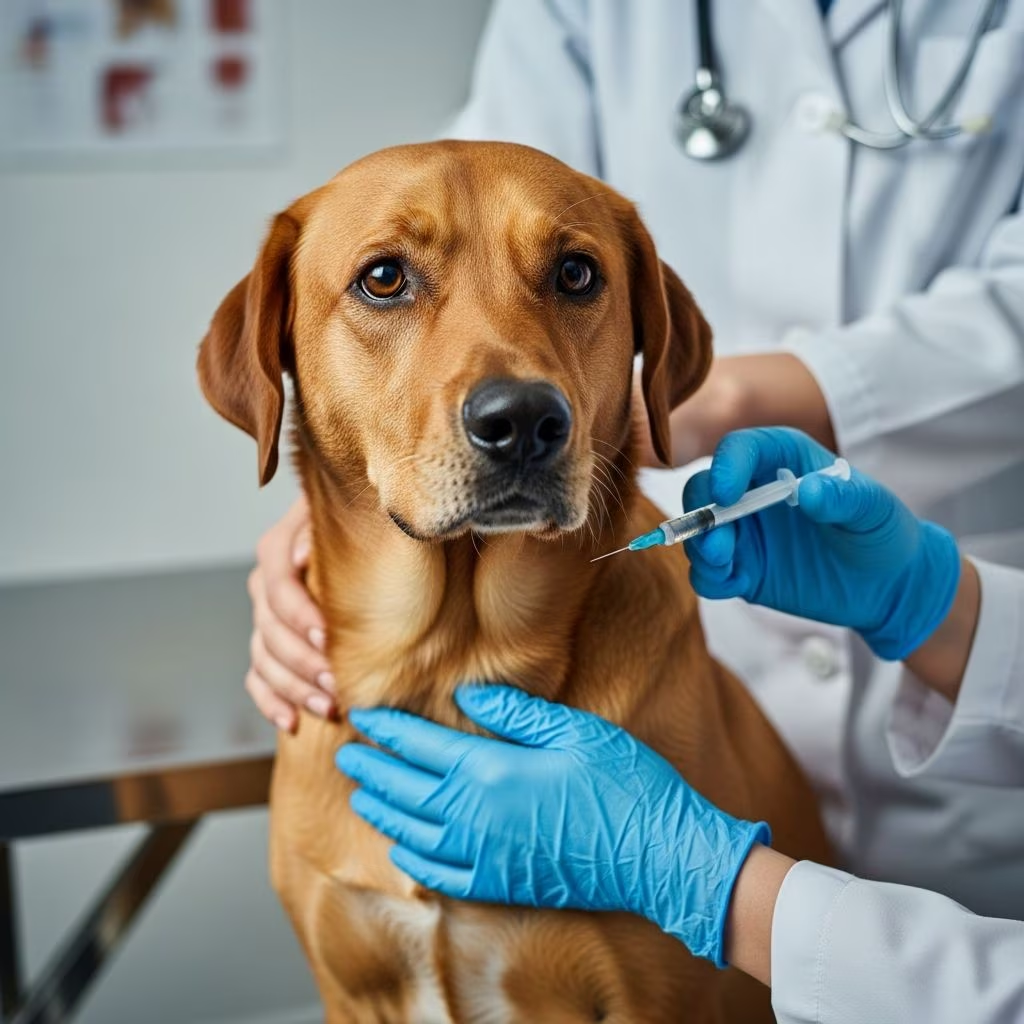
Anaplasmosis in Dogs: A Comprehensive Guide
Anaplasmosis is a tick-borne bacterial infection that affects dogs worldwide and can range from asymptomatic to severe in presentation. This disease is caused by bacteria from the Anaplasma genus, with Anaplasma phagocytophilum being the most common form affecting canines. Understanding this condition is essential for dog owners, as early detection and treatment can significantly improve outcomes and prevent serious complications.
What Causes Anaplasmosis?
Anaplasmosis is transmitted to dogs through the bite of infected Ixodes ticks, commonly known as deer ticks or black-legged ticks. These ticks are most active during spring and fall months, though they can pose a risk year-round in many regions. When an infected tick attaches to a dog’s skin and feeds, it transmits the Anaplasma bacteria into the bloodstream. The infection typically develops between two to four weeks after the initial tick bite, making prevention and regular tick checks crucial for all dog owners.
Understanding the Clinical Signs
Anaplasmosis presents with variable clinical signs that can be subtle or severe depending on the individual dog and the strain of bacteria involved. Many infected dogs may remain asymptomatic or show only minor symptoms, which can complicate diagnosis.
Common Symptoms
The most frequently observed signs of anaplasmosis infection include:
- Lameness and joint pain
- Fever
- Lethargy and decreased energy
- Anorexia (loss of appetite)
- Vomiting
- Diarrhea
- Coughing
- Labored breathing
- Bleeding tendencies, including nosebleeds
In most cases, infected dogs will experience symptoms lasting from one to seven days. However, some dogs may develop only minor clinical signs or remain completely asymptomatic throughout the infection, making routine veterinary screening important for dogs that have been exposed to ticks.
Less Common Neurological Signs
While rare, some dogs may develop more serious neurological complications, including seizures, meningitis, ataxia (impaired movement coordination), and other nervous system-related symptoms. These severe presentations typically indicate advanced infection and require immediate veterinary intervention.
Diagnosis of Anaplasmosis
Accurate diagnosis is essential for effective treatment. When a veterinarian suspects anaplasmosis based on clinical presentation or exposure history, they will typically perform several diagnostic procedures.
Diagnostic Procedures
The diagnostic process begins with a thorough physical examination where the veterinarian will assess your dog’s overall health, look for clinical signs consistent with anaplasmosis, and carefully examine the skin for the presence of ticks. During this examination, the veterinarian may note fever, swollen lymph nodes, joint pain, or other abnormalities associated with the infection.
To confirm the diagnosis, your veterinarian will likely perform an antibody test to detect the presence of Anaplasma phagocytophilum bacteria in your dog’s bloodstream. This test can provide definitive confirmation of anaplasmosis and help guide appropriate treatment decisions.
Treatment Options for Anaplasmosis
Primary Treatment: Doxycycline
The antibiotic doxycycline is the treatment of choice for canine anaplasmosis and is highly effective against both forms of Anaplasma species. The standard dosing regimen involves administering 5 mg/kg every 12 hours or 10 mg/kg every 24 hours, either orally or intravenously, depending on the severity of the infection and your dog’s ability to tolerate oral medication. Treatment typically continues for 28 days to ensure complete eradication of the bacteria.
Many veterinarians prescribe a treatment course of two to four weeks, with longer durations often recommended if your dog has co-infections such as Lyme disease. Early treatment is critical—the sooner antibiotics are initiated, the better the outcome for your pet.
Alternative Antibiotics
In cases where doxycycline is contraindicated or unavailable, alternative antibiotics may be used. These alternatives include minocycline (5-10 mg/kg orally every 12 hours for 28 days), tetracycline, and chloramphenicol. While these medications can be effective, doxycycline remains the preferred choice due to its proven efficacy and safety profile.
Supportive Care
Depending on the severity of your dog’s condition, supportive care may be necessary alongside antibiotic therapy. This can include fluid therapy to maintain hydration, pain relief medications to address joint and muscle discomfort, anti-inflammatory medications to reduce fever and inflammation, and other symptomatic treatments tailored to your dog’s specific needs.
Treatment Response and Prognosis
The prognosis for dogs with anaplasmosis is generally excellent when the infection is diagnosed and treated promptly. Most dogs show remarkable improvement within the first 24 to 48 hours after beginning antibiotic therapy. Clinical signs typically resolve rapidly, often within one week of starting treatment.
Complete recovery is the typical outcome, though it is absolutely essential to complete the entire prescribed course of antibiotics even if your dog appears to be recovering well. Stopping treatment prematurely can allow the infection to resurge or result in incomplete eradication of the bacteria.
Potential Long-Term Effects
While most dogs recover fully from anaplasmosis without lasting complications, some may experience long-term effects, particularly if the disease was not diagnosed and treated promptly. Potential long-term complications include:
- Persistent joint pain or arthritis
- Chronic fatigue and reduced energy levels
- Recurring episodes of fever
- Neurological issues or complications
These long-term effects are more likely to occur in cases where diagnosis was delayed or in dogs with particularly severe initial infections. This underscores the importance of early detection and prompt treatment initiation.
Serious Complications Without Treatment
Left untreated, anaplasmosis can progress to serious, potentially life-threatening complications. These include respiratory failure, organ failure, severe bleeding problems, and in the most severe cases, death. Dogs showing severe symptoms such as high fever, extreme lethargy, severe bleeding tendencies, or breathing difficulties require emergency veterinary attention and immediate treatment.
Prevention Strategies
Tick Prevention and Control
The most effective way to prevent anaplasmosis is through comprehensive tick prevention and control measures. Several options are available to protect your dog:
- Topical tick preventatives applied monthly to the skin
- Oral tick prevention medications administered regularly
- Tick collars designed to repel or kill ticks
- Environmental treatments to reduce tick populations in your yard
Regular Tick Checks
In addition to preventative medications, perform regular tick checks on your dog, especially after outdoor activities in wooded or grassy areas. Check behind the ears, in skin folds, between toes, and other areas where ticks commonly attach. Promptly remove any ticks found using tweezers, grasping the tick as close to the skin as possible and pulling straight out.
Environmental Management
Reduce tick habitats by keeping grass trimmed, removing leaf litter, and treating outdoor areas where your dog spends time. Limit your dog’s exposure to known high-risk areas during peak tick season when possible.
Frequently Asked Questions
Q: Can anaplasmosis in dogs be cured?
A: Yes, anaplasmosis can be effectively cured with appropriate antibiotic treatment. Dogs typically respond well to doxycycline therapy, with most showing significant improvement within 24-48 hours and complete resolution within one week of starting treatment.
Q: How long does anaplasmosis treatment take?
A: Treatment typically lasts 2-4 weeks, with most protocols recommending a full 28-day course of doxycycline to ensure complete eradication of the bacteria and prevent recurrence or relapse.
Q: What is the best way to prevent anaplasmosis in my dog?
A: Year-round tick prevention using topical treatments, oral medications, or tick collars is the most effective prevention strategy. Regular tick checks and environmental management are also important components of prevention.
Q: Can dogs die from anaplasmosis?
A: While rare with prompt treatment, untreated anaplasmosis can progress to serious complications including organ failure and respiratory failure, which can be fatal. Early diagnosis and immediate treatment are critical.
Q: Does anaplasmosis resolve on its own?
A: No, anaplasmosis requires veterinary treatment with antibiotics. Without treatment, the infection will not resolve and can progress to serious, potentially fatal complications.
Q: What should I do if I suspect my dog has anaplasmosis?
A: Contact your veterinarian immediately if your dog shows symptoms of anaplasmosis, especially if they have been exposed to ticks. Early diagnosis and treatment significantly improve outcomes and reduce the risk of complications.
References
- Anaplasmosis in Dogs — VCA Animal Hospitals. https://vcahospitals.com/know-your-pet/anaplasmosis-in-dogs
- Anaplasmosis in Dogs – Infectious Diseases — MSD Veterinary Manual. https://www.msdvetmanual.com/infectious-diseases/rickettsial-diseases-in-dogs/anaplasmosis-in-dogs
- Anaplasmosis in Dogs — PetMD. https://www.petmd.com/dog/parasites/anaplasmosis-dogs
- Ehrlichia spp. and Anaplasma spp. — Companion Animal Parasite Council (CAPC). https://capcvet.org/guidelines/ehrlichia-spp-and-anaplasma-spp/
- About Anaplasmosis in Dogs — Hope Center Veterinary Clinic. 2024. https://www.hopecentervet.com/site/blog/2024/07/15/anaplasmosis-dogs
- Causes, Symptoms And Treatment Of Anaplasmosis In Dogs — New Hope Animal Hospital. 2022. https://www.newhopeanimalhospital.com/site/blog/2022/05/16/causes-symptoms-and-treatment-of-anaplasmosis-in-dogs



